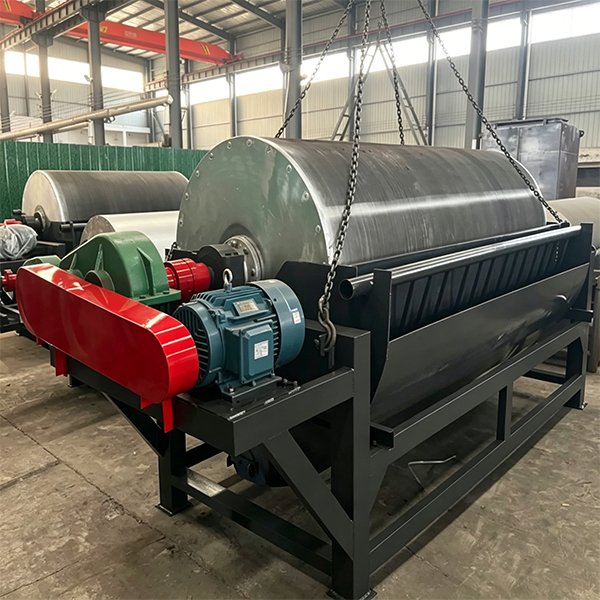
Search the whole station Hot Product Catalog
Maximize gold recovery and reduce grinding costs with CHUNLEI gold ball mill. Our equipment ranges in capacity from 0.5 tons/hour to 200 tons/hour and is suitable for a variety of ores, including gold, copper, iron, and quartz. Energy-efficient design and global technical support help you achieve a rapid return on your investment.
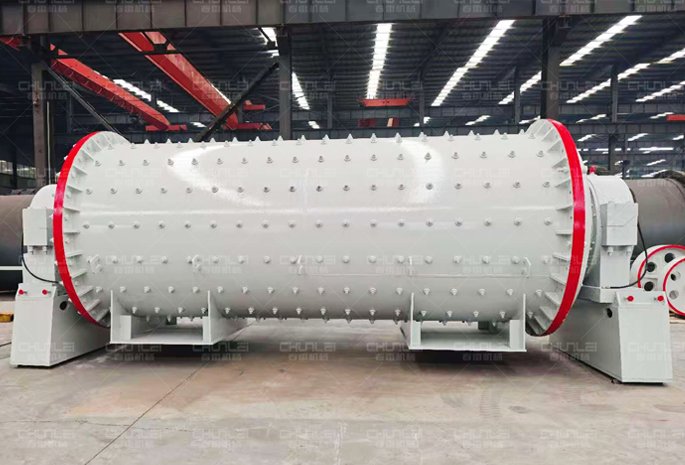
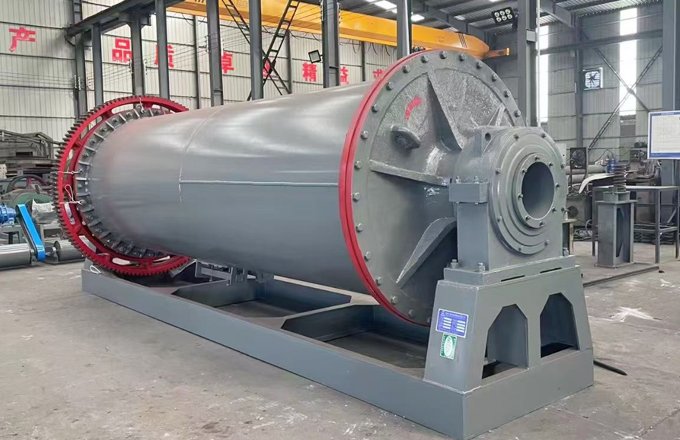
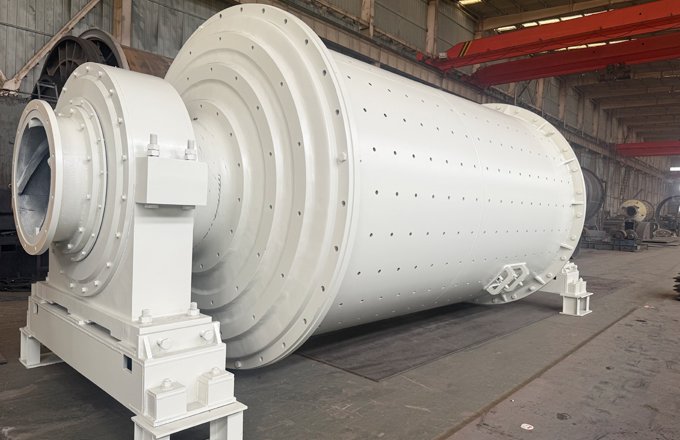
A ball mill is a large rotating steel cylinder used to grind crushed rocks into very fine powder. You need this fine powder to separate valuable metals from useless dirt. It is the core machine in modern mineral processing equipment. We design these massive machines to work 24 hours a day without stopping.
This machine looks simple from the outside. You feed small crushed rocks into one end. A huge motor turns the steel cylinder. The far end of the machine spits out fine dust or a wet mud slurry. We build our machines heavy and thick in our 8000-square-meter factory. We know the thick steel stops the machine from vibrating and breaking during heavy workloads. You need a machine that can survive aggressive mining environments. You cannot afford sudden machine breakdowns. A broken machine stops your whole plant and costs you money. We ensure our equipment runs smoothly every single day.
Mills are divided into ball mills and rod mills. The grinding media in a ball mill are steel balls, while the grinding media in a rod mill are steel rods.
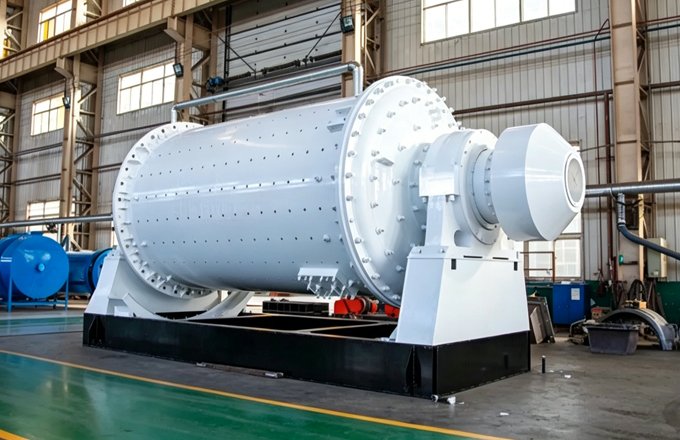
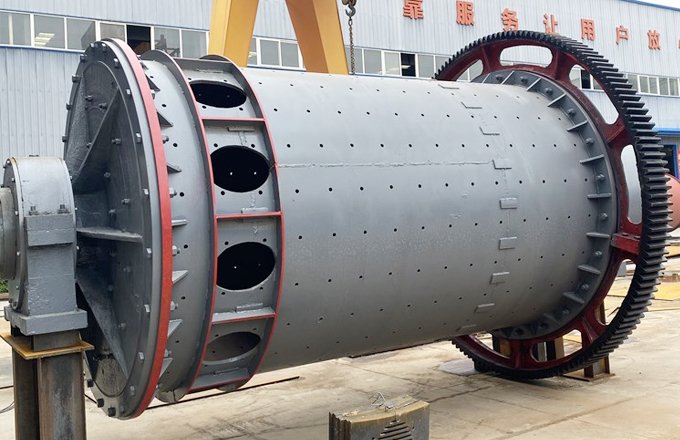
CHUNLEI provides reliable grinding solutions to mines and industrial processing plants worldwide. Specifically designed for gold, copper, and iron ores, as well as quartz, limestone, and other mineral raw materials, our mills feature stable operation, high grinding efficiency, and low energy consumption.
Contact our technical sales team today. Ask us for a free customized grinding solution plan and direct factory price list.
CHUNLEI ball mills have been widely used in mining, cement and mineral processing projects across Asia, Africa, the Middle East and South America. Our grinding solutions are designed according to different ore types, production capacities and plant conditions, helping customers improve grinding efficiency and reduce operating costs.
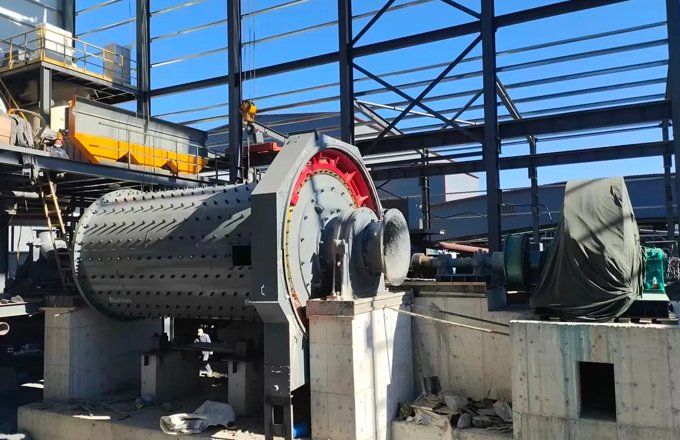
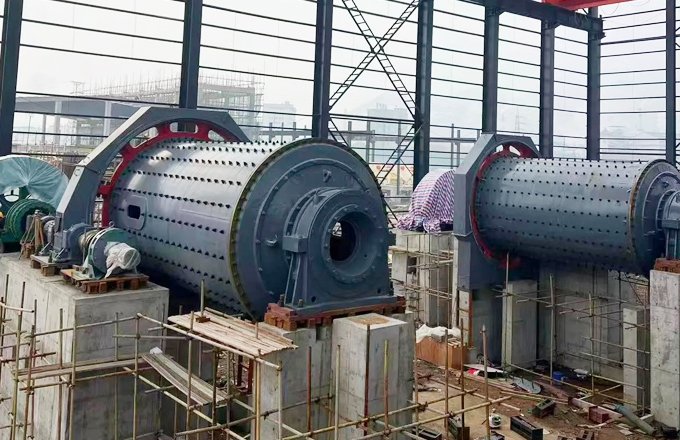
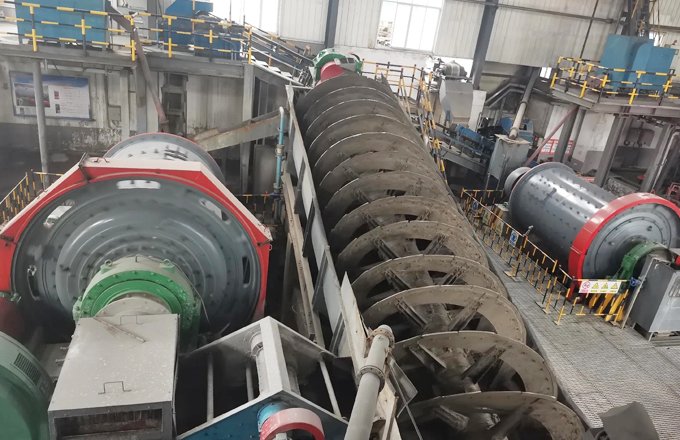
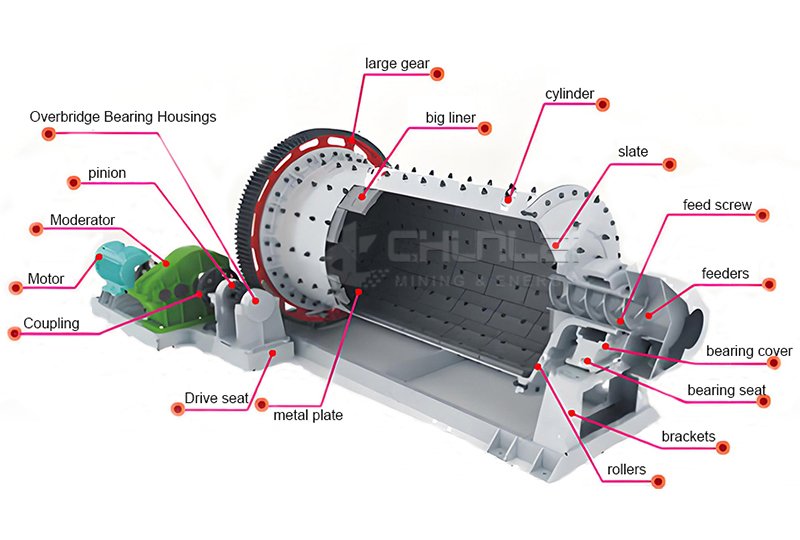
You need to understand the basic parts of the machine. The main body is the steel shell. We line the inside of this shell with thick metal plates. These plates protect the shell from damage. A massive electric motor drives a large gear. This gear wraps around the cylinder and makes it turn. In addition, you also have large bearings at both ends to hold the massive weight.
| Machine Part | What It Is | What It Does | Why It Matters to You |
|---|---|---|---|
| Steel Shell | The main cylinder | Holds rocks and balls | A thicker shell lasts decades. |
| Mill Liners | Internal plates | Protects the steel shell | Good liners stop costly machine leaks. |
| Main Gear | The driving wheel | Turns the heavy cylinder | Proper gears keep rotation smooth. |
Real Example: A small gold plant in Africa ignored strange gear noises. The main gear cracked totally. We had to rush order a new gear. They lost five days of production. You must always listen to your machine.
A ball mill primarily consists of a rotating drum, a transmission mechanism, a feeding system, a discharge system, and grinding media. After materials enter the mill via the feeding device, the rotating drum drives the steel balls to repeatedly lift and fall; this action generates both impact and grinding forces, thereby pulverizing the rock into powder.
Subsequently, the materials gradually reach the desired particle size and are discharged through the outlet. Depending on the specific production process requirements, the ball mill can be operated in either wet grinding or dry grinding mode.
CHUNLEI’s senior engineers will calculate the optimal rotational speed for your machine. If the drum speed is too slow, the steel balls will merely slide rather than performing their grinding function; conversely, if the speed is too fast, the steel balls will adhere to the drum wall and fail to fall. We will configure the precise rotational speed to ensure the perfect pulverization of the rock.
Get your free ball mill solution now!

You use a wet ball mill for metal ores and a dry ball mill for cement and construction materials. You must choose the right water system to make your plant successful.
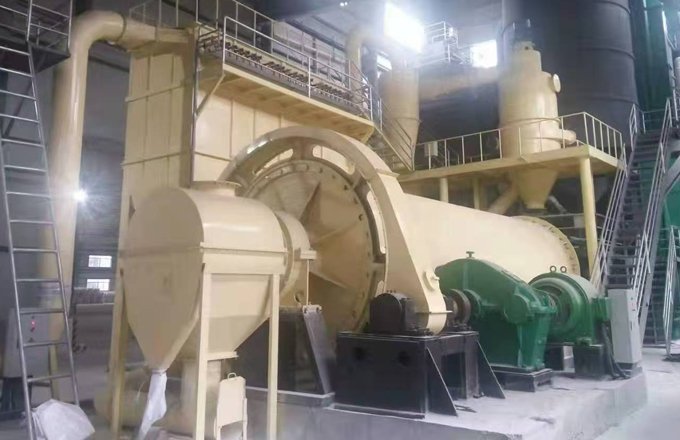
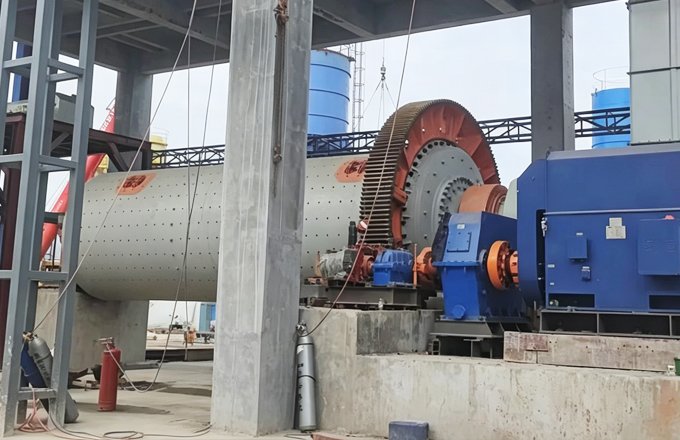
A wet ball mill mixes rocks with water inside the cylinder. This creates a thick liquid mud called a slurry. You want wet grinding for gold, copper, and iron ores. Wet grinding uses less electricity. It also stops dangerous rock dust from flying into the air.
A dry ball mill uses only air to move the powder. You need dry grinding for cement or chemicals that react badly with water. We are a direct ball mill manufacturer.
We help you decide which system works best for your factory. We supply the water pumps for wet systems. We also supply the large air fans and dust catchers for dry systems. You get a complete package. We save you the trouble of buying different parts from different companies.
| Wet Ball Mill | Dry Ball Mill |
|---|---|
| Suitable for mineral processing plants | Suitable for powder grinding production |
| Higher grinding efficiency | No water required |
| Commonly used for gold and copper ore | Suitable for cement and limestone |
| Works with classifiers and flotation systems | Easier material handling |
| Better for fine particle grinding | Lower moisture requirements |
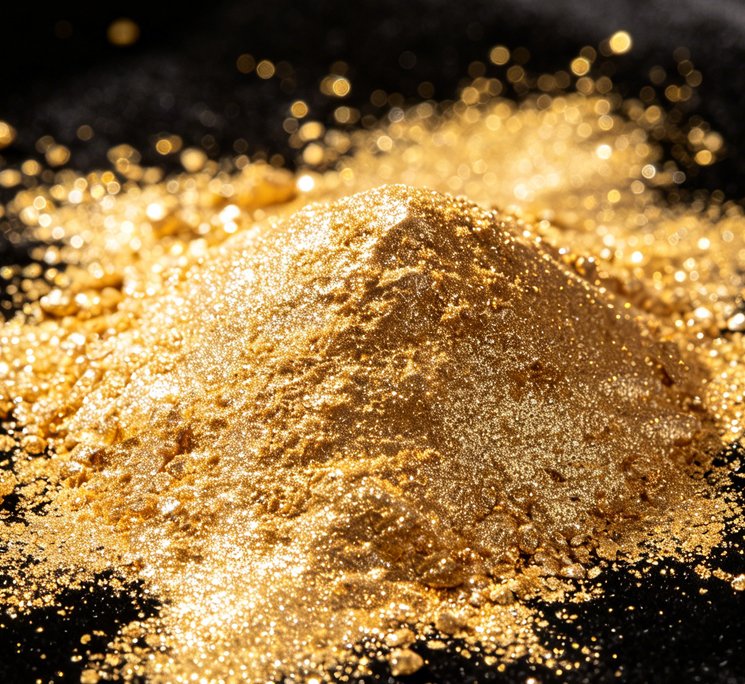
Optimized specifically for the fine grinding stages in gold beneficiation plants, this application is designed to prepare properly sized feed material for efficient flotation and cyanidation processes, thereby effectively boosting gold recovery rates.
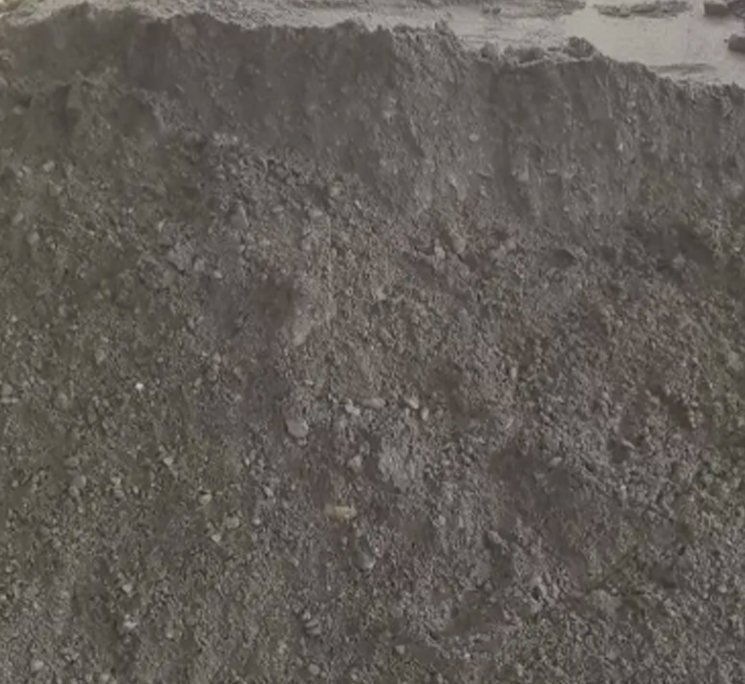
Engineered for copper ore grinding and beneficiation lines, this system produces material with uniform particle size distribution, providing robust support for high-yield mineral extraction and subsequent deep processing stages.
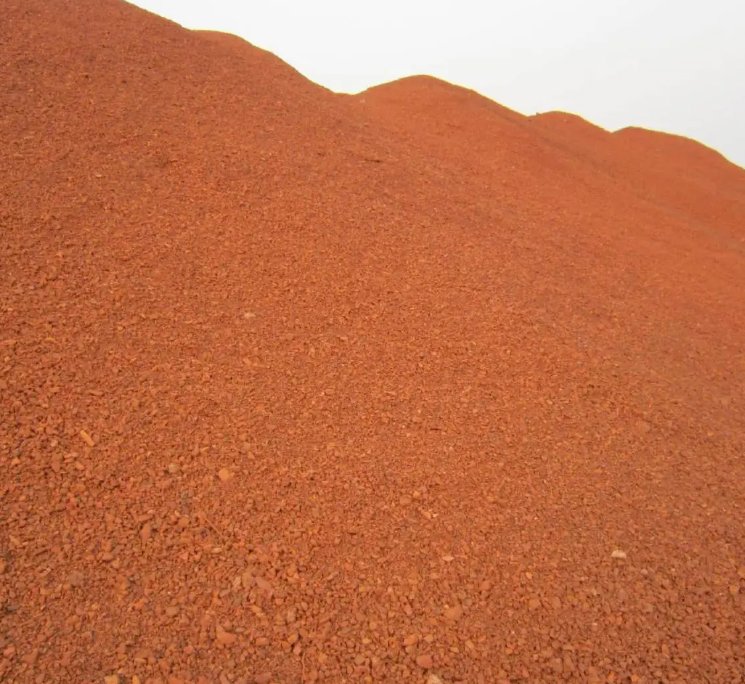
Aimed at improving mineral liberation and concentrate recovery efficiency, this application offers a solid guarantee for your iron ore beneficiation operations through its reliable, high-throughput grinding capabilities.
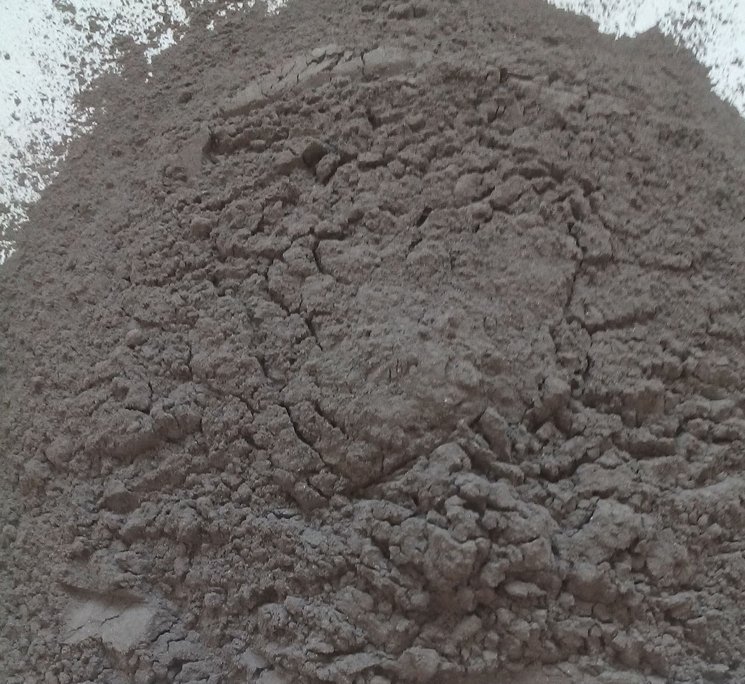
Widely utilized in cement plants for grinding clinker and slag, this application meets the rigorous demands of large-scale cement production thanks to its consistent product quality and exceptional durability.
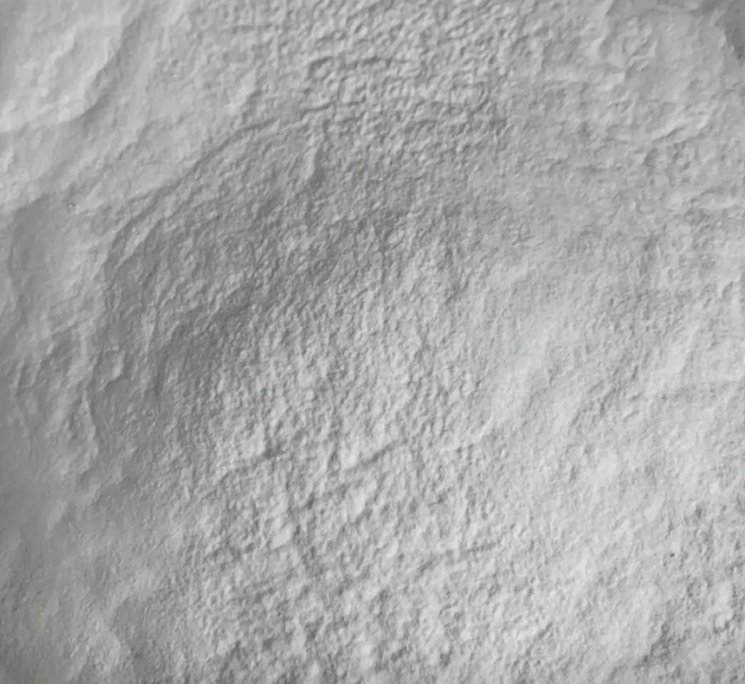
Suitable for producing high-purity, fine quartz powder and siliceous materials, this application serves a broad spectrum of industries, including construction, ceramics manufacturing, and various industrial production sectors.
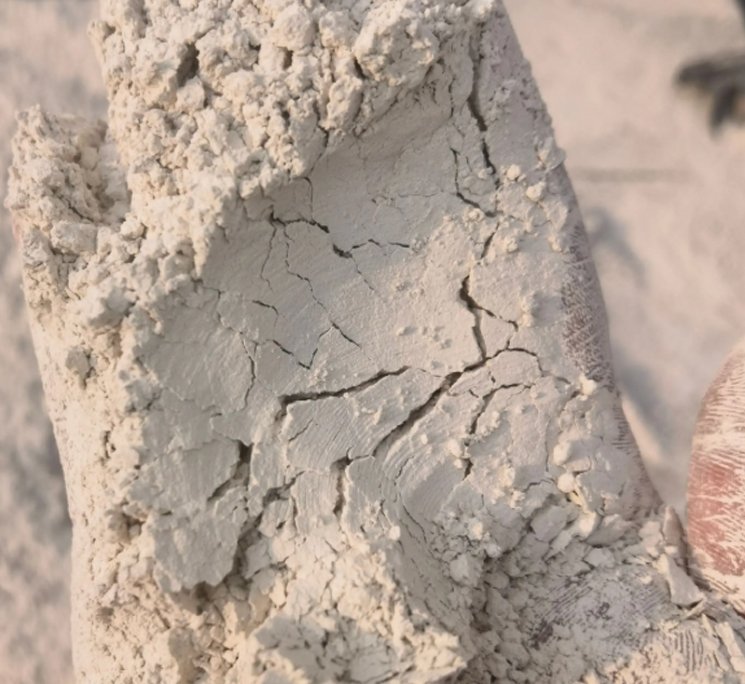
Designed specifically for limestone grinding and industrial powder processing, this system produces high-quality powders with the precise fineness and uniformity required for applications in the chemical industry, civil engineering, and environmental protection sectors.
It is essential that you accurately inform us of the specific type of rock you intend to process. Having tested hundreds of different materials, we will customize the internal structural design of the mill based on your specific rock type, and select the appropriate steel alloy for the internal liners according to the rock’s hardness.
Contact our experts today to receive a customized equipment layout solution tailored specifically to your site requirements.
First, use a jaw crusher to break large stones into smaller ones, then use a cone crusher to further crush the smaller stones into suitable particle sizes. This protects the lifespan of equipment in subsequent stages, thus saving significant costs.
Feed the appropriately sized stones into a ball mill for grinding, using precisely proportioned steel balls. This easily grinds these fine stones into powder. Shorter motor operation time reduces electricity bills and energy consumption. After all, the ball mill is one of the most power-consuming pieces of equipment in a factory. Therefore, we always advise customers to “crush more, grind less.”
We equip our grinding mills with modern, energy-efficient motors. In addition, the machine requires a specific ratio of large, medium, and small steel balls. Large steel balls crush large stones, while small steel balls grind smaller stones into fine powder. Our engineers will provide you with a scientifically formulated steel ball mixture to ensure the steel balls do not idle and collide. This way, you can produce more powder with every kilowatt-hour of electricity.
You choose the machine size based on how many tons of rock you want to process every hour. You must look carefully at the ball mill specifications before buying.
Do not buy a giant machine for a small quarry. Do not buy a tiny machine for a massive mining group. You need to calculate your target daily production first. A small gold mine might only need to grind 2 tons per hour. A massive copper group needs to grind 100 tons per hour.We produces over 500 machines every year in many different diameters and lengths. We look at your target capacity and your rock hardness. Then we calculate the exact volume and motor power you actually need. You save money because you only buy the steel and power you will truly use.
The ball mill price ranges from $10,000 for small models to over $500,000 for massive industrial units. The final price depends on the steel weight and motor size.
A machine with a 3-meter diameter needs heavy, expensive steel plates and a massive electrical transformer. This raises the cost significantly. A small 1-meter diameter machine uses much less steel and a common motor. We sell equipment as a direct manufacturing factory. We cuts out trading companies and middlemen. You buy directly from our welding floor in China. This direct sales model gives you a much better price than local dealers. We offer both standard standard machines and highly customized units. Custom machine designs cost a little more. But a custom machine fits perfectly into your existing factory building. We always give you a clear, itemized price list. You know exactly what motor, steel, and services you pay for.
To see how crushing equipment prices compare, read our page on [Limestone Crusher Plant Costs].
Choosing thick manganese steel liners and conducting monthly internal machine inspections can extend the liner’s lifespan. The inner liner withstands all damage, thus protecting the main cylinder.
CHUNLEI’s specially made manganese steel or thick rubber liners prevent sharp, hard rocks from damaging inexpensive metal liners within weeks. Because manganese steel hardens under impact from heavy balls, you must periodically turn off the power and open the machine door.
If the liner wears too thin, a steel ball can penetrate the main body, causing complete machine damage. We’ve designed large, easy-to-open safety doors on the cylinders. Your workers can quickly enter, replace damaged liners, and leave promptly. Maintenance is quick and easy.
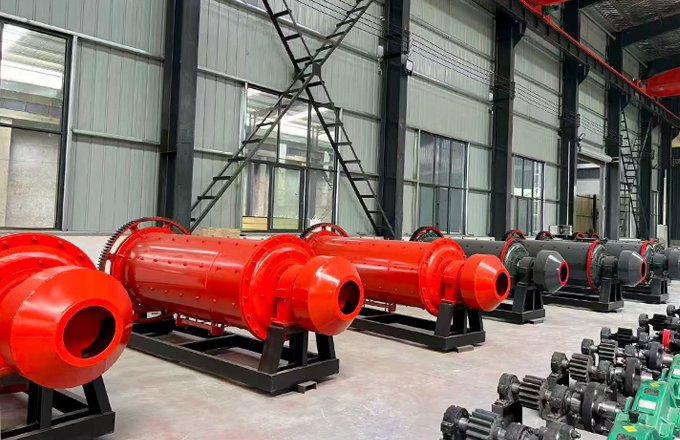
Ball mills are just one of the key pieces of equipment in the gold beneficiation process. To help customers achieve higher gold recovery rates and more stable production efficiency, CHUNLEI not only provides high-performance ball mills but also offers complete processing solutions ranging from ore crushing, grinding, and separation to gold recovery.
Based on ore type, processing capacity, and final product requirements, our team of engineers can custom-design complete gold beneficiation production lines, including crushing equipment, ball mills, classification equipment, gravity separation equipment, flotation systems, CIP/CIL leaching systems, and tailings treatment systems, to achieve efficient production from raw ore to finished gold.
We offer:
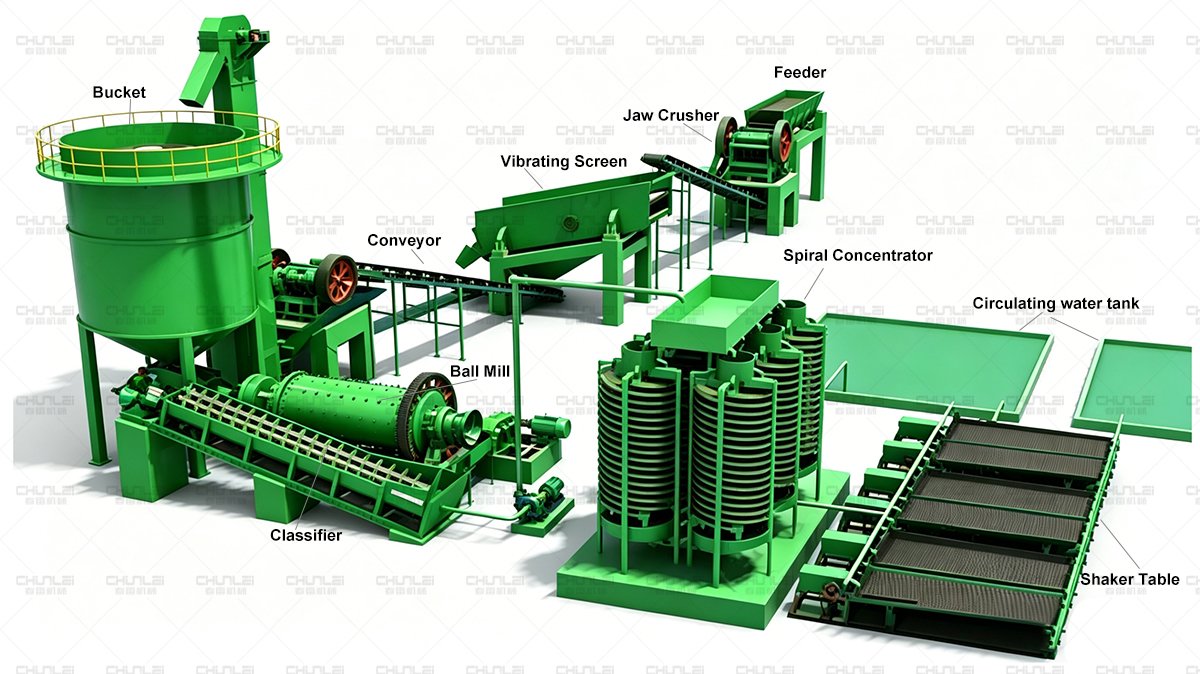
Whether you are developing a small-scale gold mining project or a large-scale gold processing plant, CHUNLEI can provide reliable, efficient, and cost-effective gold processing solutions tailored to your ore characteristics and production requirements.
| Modelo | Velocidad del cilindro(r/min) | Carga de bolas(t) | Granularidad de alimentación(mm) | Granularidad de descarga(mm) | Capacidad(t/h) | Potencia del motor(kw) | Peso total(t) |
| Ф900×1800 | 36-38 | 1.5 | ≤20 | 0.075-0.89 | 0.65-2 | 18.5 | 5.85 |
| Ф900×3000 | 36 | 2.7 | ≤20 | 0.075-0.89 | 1.1-3.5 | 22 | 6.98 |
| Ф1200×2400 | 36 | 3 | ≤25 | 0.075-0.6 | 1.5-4.8 | 30 | 13.6 |
| Ф1200×3000 | 36 | 3.5 | ≤25 | 0.074-0.4 | 1.6-5 | 37 | 14.3 |
| Ф1200×4500 | 32.4 | 5 | ≤25 | 0.074-0.4 | 1.6-5.8 | 55 | 15.6 |
| Ф1500×3000 | 29.7 | 7.5 | ≤25 | 0.074-0.4 | 2-5 | 75 | 19.5 |
| Ф1500×4500 | 27 | 11 | ≤25 | 0.074-0.4 | 3-6 | 110 | 22 |
| Ф1500×5700 | 28 | 12 | ≤25 | 0.074-0.4 | 3.5-6 | 130 | 25.8 |
| Ф1830×3000 | 25.4 | 11 | ≤25 | 0.074-0.4 | 4-10 | 130 | 34.5 |
| Ф1830×4500 | 25.4 | 15 | ≤25 | 0.074-0.4 | 4.5-12 | 155 | 38 |
| Ф1830×6400 | 24.1 | 21 | ≤25 | 0.074-0.4 | 6.5-15 | 210 | 43 |
| Ф1830×7000 | 24.1 | 23 | ≤25 | 0.074-0.4 | 7.5-17 | 245 | 43.8 |
| Ф2100×3000 | 23.7 | 15 | ≤25 | 0.074-0.4 | 6.5-36 | 155 | 45 |
| Ф2100×4500 | 23.7 | 24 | <25 | 0.074-0.4 | 8-43 | 245 | 56 |
| Ф2100×7000 | 23.7 | 26 | <25 | 0.074-0.4 | 12-48 | 280 | 59.5 |
| Ф2200×4500 | 21.5 | 27 | <25 | 0.074-0.4 | 9-45 | 280 | 54.5 |
| Ф2200×6500 | 21.7 | 35 | <25 | 0.074-0.4 | 14-26 | 380 | 61 |
| Ф2200×7000 | 21.7 | 35 | <25 | 0.074-0.4 | 15-28 | 380 | 62.5 |
| Ф2200×7500 | 21.7 | 35 | <25 | 0.074-0.4 | 15-30 | 380 | 64.8 |
| Ф2400×3000 | 21 | 23 | <25 | 0.074-0.4 | 7-50 | 245 | 58 |
| Ф2400×4500 | 21 | 30 | <25 | 0.074-0.4 | 8.5-60 | 320 | 72 |
| Ф2700×4000 | 20.7 | 40 | <25 | 0.074-0.4 | 22-80 | 380 | 95 |
| Ф2700×4500 | 20.7 | 48 | <25 | 0.074-0.4 | 26-90 | 480 | 102 |
| Ф3200×4500 | 18 | 65 | <25 | 0.074-0.4 | According to process conditions | 630 | 149 |
| Ф3600×4500 | 17 | 90 | <25 | 0.074-0.4 | According to process conditions | 850 | 169 |
| Ф3600×6000 | 17 | 110 | <25 | 0.074-0.4 | According to process conditions | 1250 | 198 |
You need a partner, not just a steel box seller. A bad supplier leaves you with a broken machine and zero help. You must evaluate the factory behind the machine carefully.
We meets all these rules. We have exported heavy equipment to over 120 countries. We pack machines securely and send our best engineers to your site.
Modern grinding machines in 2026 use smart sensors and variable speed motors to save power automatically. The mining industry pushes hard for machines that think for themselves and use less electricity.
Large mining companies now demand complete data tracking. They want to see the motor temperature and power use on their mobile cellphones. We integrate these smart control boxes into CHUNLEI equipment upon request. You get a modern factory that runs efficiently. You stop guessing and start running your plant based on real numbers.
Q: Can a small ball mill process hard rock gold?
A: Yes, our small ball mills are fully capable of processing hard rock gold ore. To ensure optimal performance, feed the ore pre-crushed to less than 15 mm using a jaw crusher. For particularly hard rock, we recommend manganese steel liners and high‑hardness grinding balls to extend service life.
Q: How fine can gold ore be ground?
A: Our standard models can easily grind gold ore down to 100–200 mesh. The output fineness is adjustable by changing the discharge screen or modifying the grinding ball ratio to match your leaching or gravity separation process requirements.
Q: How much water does a ball mill need?
A: For wet grinding, the water-to-ore ratio is typically 1:0.6–1:1 by weight. The exact amount depends on ore moisture content and desired slurry density. Our technical team can provide a detailed water consumption guide based on your ore properties.
Q: Can it run on diesel power?
A: Yes, all models can be configured with a diesel engine or paired with a diesel generator for off-grid mining sites. We recommend a generator with 20–30% higher power capacity than the mill motor to handle startup loads.
Q: What is the lifespan of ball mill liners?
A: Standard manganese steel liners last approximately 2,000–3,000 working hours under normal conditions. Actual lifespan varies based on ore hardness, feed size, and operating hours. We offer replacement liners and rubber liners as an option for specific applications.
Q: How many steel balls are required?
A: The recommended ball loading is 30–40% of the mill barrel volume. For example, the MQ‑12 model requires about 1.5 tons of steel balls. We provide a recommended ball size ratio (Φ40 : Φ30 : Φ20 = 3:4:3) to maximize grinding efficiency.
Q: Is wet grinding better than dry grinding?
A: For gold mining, wet grinding is strongly recommended. It produces finer, more uniform slurry, improves gold recovery in leaching or gravity separation, and reduces dust hazards. Dry grinding is only suitable for operations with no water access.
Q: How long does delivery take?
A: Standard production lead time is 7–15 working days. Shipping time varies by destination: 15–30 days to Africa, 20–35 days to South America, and 10–25 days to Southeast Asia. We provide a full tracking number once the goods are dispatched.
Q: Do you provide installation support?
A: Yes, we offer detailed installation manuals, video tutorials, and 24/7 remote technical support. For large orders, we can arrange on-site guidance by our engineers (travel costs apply).
Q: Which countries do you ship to?
A: We regularly ship to mining regions worldwide, including Ghana, Zimbabwe, Sudan, Tanzania, Brazil, Peru, Indonesia, the Philippines, and many more. We work with reliable freight forwarders to handle customs and logistics.
Q: How long does it take to get ROI?
A: Most small-scale gold mines see a return on investment within 3–6 months, depending on ore grade, daily capacity, and recovery improvement. Our customers typically report a 20–30% increase in gold recovery after switching to our ball mills.
Q: Can it handle high moisture ore?
A: Yes, wet grinding is ideal for high-moisture ore. The process naturally handles slurry, and our discharge design prevents clogging even with sticky materials. For extremely wet ore, we recommend adding a simple pre-screening step.
Q: How much space is required for installation?
A: Our compact models have a small footprint. The MQ‑12 model requires approximately 3m × 2m of floor space, plus room for the crusher, water tank, and discharge equipment. We provide a layout drawing with your order to help you plan the site.
Q: What maintenance is needed?
A: Basic maintenance includes regular lubrication of gears and bearings, checking liner wear, and monitoring ball consumption. We provide a full maintenance schedule with every mill, and wear parts (liners, balls, screens) are readily available.
Q: Can the mill be expanded for higher capacity?
A: While our standard small mills are sized for 0.5–5 tph, we can help you scale up by adding larger models or connecting multiple mills in series. Our engineering team can design a modular line to grow with your operation.
Q: Ball Mill vs Wet Pan Mill?
A: Ball mills are better for harder ore and higher capacity, producing finer, more consistent output for improved recovery. Wet pan mills are simpler and lower cost but less effective on hard rock. For gold mines aiming for high recovery rates, we recommend a ball mill.
Q: Energy consumption details?
A: Power consumption ranges from 15 kW for the MQ‑09 model up to 90 kW for the MQ‑18. The actual consumption depends on ore hardness, feed size, and operating conditions. We provide a detailed power estimate with your quotation.
Q: Can it process quartz gold ore?
A: Yes, our ball mills are very effective for quartz gold ore. With proper crushing to <15 mm and manganese steel liners, they can efficiently grind quartz to release gold, making it ideal for gravity separation or cyanide leaching.
Q: Recommended operating speed?
A: The optimal operating speed is typically 70–80% of the mill’s critical speed. Each model has a factory-set recommended speed to maximize grinding efficiency and liner life. We provide a speed adjustment guide in the operation manual.
Q: Are spare parts available?
A: Yes, we keep a full stock of spare parts including liners, steel balls, gears, bearings, and screens. Most parts can be shipped within 3 working days to minimize downtime for your operation.
You pick the right machine by knowing your rock type, required tons per hour, and target powder size. A high-quality ball mill protects your investment with thick steel and reliable motors. You cut costs by crushing rocks smaller first and maintaining the inside metal plates carefully. You must buy directly from an experienced factory to get real value.
Maximize your gold recovery today. Get a free quote or WhatsApp us for instant support and plant design.
Rod mill is divided into dry rod mill and wet rod mill, dry rod mill is a kind of dry rod mill equipment with fine discharging granularity, wet rod mill is a grinding machine with steel rods as grinding media, mainly used for coarse grin…
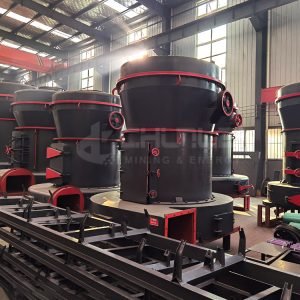
Raymond mill is a complete set of grinding equipment that can independently and autonomously generate a production system. Applicable materials: limestone, calcite, quicklime, dolomite, barite, talc, calcium carbonate, gypsum, bentonit…
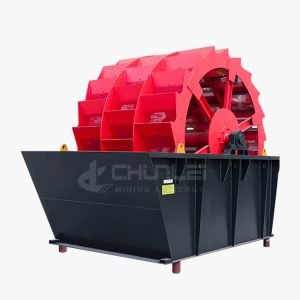
Wheel Sand Washing Machine is a kind of sand washing equipment used with sand making machine. It has high washing degree, reasonable structure, large handling capacity, small power consumption, and less sand loss in the sand washing proc…
A variety of models are available | Get the free price list! The High Gradient Magnetic Separator (HGMS) is a new type of strong magnetic separator developed on the basis of general strong magnetic separa…
Magnetic separators are highly efficient separation devices widely used in mineral processing. They utilize magnetic fields to precisely separate magnetic particles from non-magnetic materials, meeting the needs of various mineral processin…
loading…
已经是到最后一篇内容了!
 Chunlei Mining Machinery