 Chunlei Mining Machinery
Wet Ball Mill
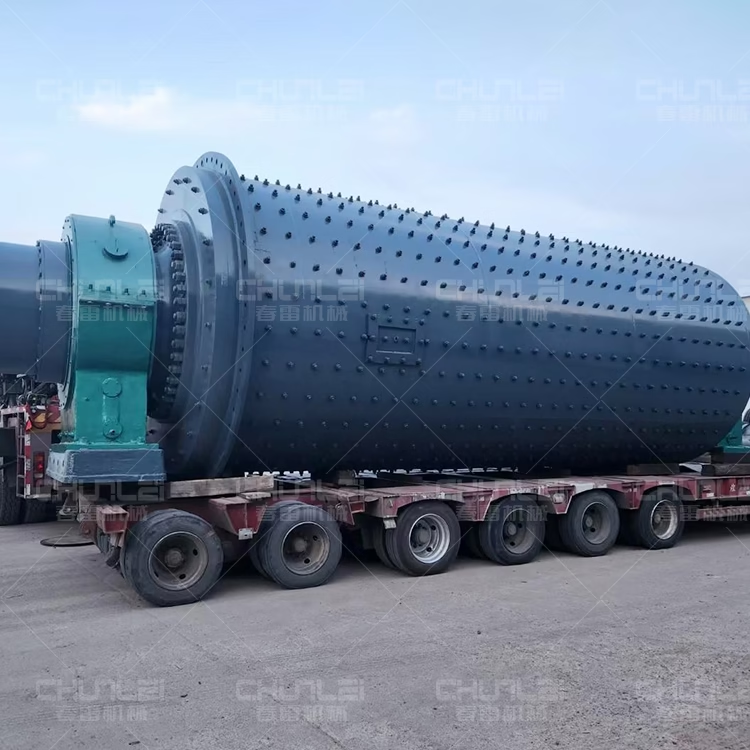
495A variety of models are available | Get the free price list! Wet ball mill, also called wet energy saving lattice type ball mill, adopts grooved ring liner, which increases the contact surface of ball and ore, str...
View detailsSearch the whole station Hot Product Catalog
Fluorspar is a vital mineral in nature, playing a crucial role in key sectors such as metallurgy, chemical engineering, and ceramics. Transforming raw ore into high-value concentrate requires precisely matched processing equipment and workflow.
For years, we have dedicated ourselves to helping global clients build efficient, stable fluorite production lines. We understand the critical importance of seamless coordination across every stage of the complete chain: crushing, grinding, flotation, and concentration.
This article systematically outlines the entire process from raw ore to concentrate, along with the primary equipment involved. Our goal is to maximize the value of every ton of fluorite resources you possess.
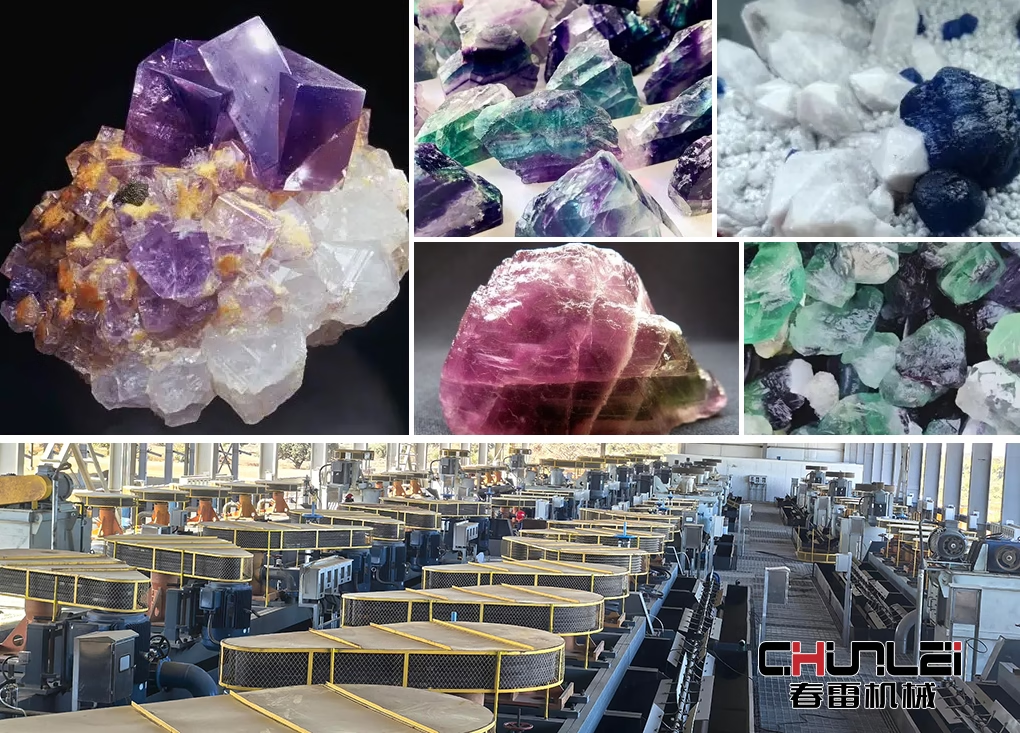
Selecting the right fluorite processing equipment is the cornerstone of project success. It determines product quality and directly impacts profitability. A project’s success is often determined at the equipment selection stage. Incorrect equipment selection inevitably leads to low recovery rates, excessive energy consumption, inconsistent product quality, and increased maintenance costs and labor expenses down the line.
Conversely, a professional and prudent choice ensures smooth production flow, enhanced efficiency, and consistent product quality across the entire production line, maximizing the value of every ton of ore processed.
We must accurately assess the physical and chemical characteristics of the ore and the market value of the finished product when selecting equipment. This directly determines the technical route for fluorite processing, and thorough preliminary analysis is key to controlling project risks and avoiding issues later on.
From raw material hardness and characteristics to product particle size and purity requirements, coupled with investment scale and environmental regulations—all these factors dictate equipment selection. Neglecting any aspect may result in mismatched equipment and processes, compromising production line efficiency and potentially jeopardizing the entire project.
The mineral composition of ore forms the foundation of mineral processing, dictating the processing method. Accurate identification of fluorite ore’s characteristic components—including various associated gangue minerals (such as calcite (CaCO₃), quartz (SiO₂), barite (BaSO₄), and sulfides)—is essential for designing an efficient and economical mineral processing flow.


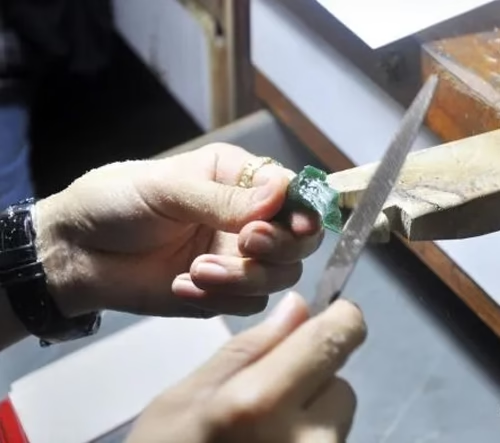
The positioning of the final product determines the process flow and solution for fluorite processing. Differences in product fineness, purity, impurity content, and physicochemical properties across various applications necessitate the clarification of all parameters at the project’s outset to ensure the correct selection of production equipment.
Target production capacity and investment budget determine the scale of fluorite beneficiation, serving as key factors in determining return on investment. Striking a balance between achieving optimal throughput and avoiding cost overruns is crucial.
Selecting fluorite processing equipment hinges on matching crushing, grinding, and beneficiation processes to your target product fineness and production scale.
Core Equipment Configuration System:
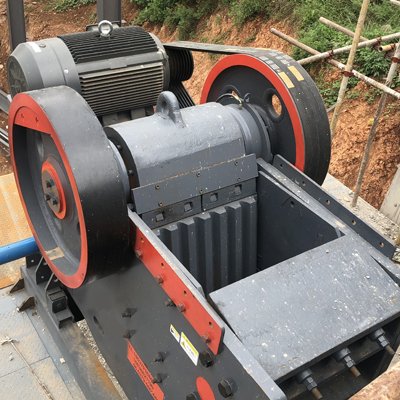
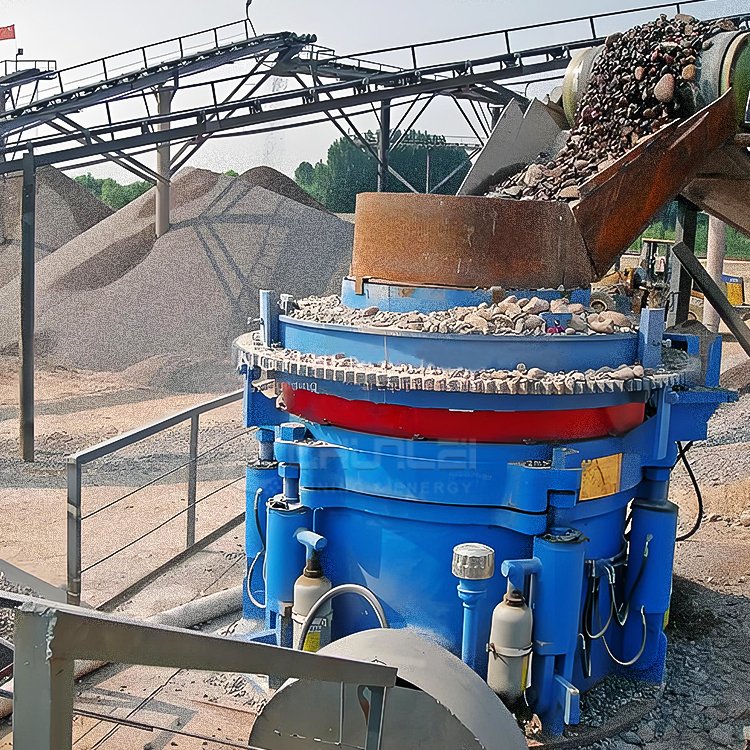
| Processing Stages | Target Product/Function | Core Equipment Options (Based on Fineness/Process Requirements) | Key Features/Applications |
| Crushing Stage | Crush raw ore to a smaller particle size | Jaw Crusher, Cone Crusher | Primarily used for coarse and medium crushing, preparing material for grinding. |
| Grinding Stage | Grind particles into powder | Raymond Mill | Suitable for coarse powder processing at 80-325 mesh. |
| High-Pressure Suspended Roller Mill | Suitable for slightly wider particle size ranges at 30-425 mesh. | ||
| Ultrafine Grinding Mill | Suitable for ultrafine powder processing at 400-1800 mesh. | ||
| Vertical Mill | Reliable structure, high production efficiency, easy to adjust and operate. Suitable for large-scale processing. | ||
| Mineral Processing and Purification | Improve the grade of fluorite concentrate | Flotation Machine | Enriches fluorite through flotation while separating gangue minerals like quartz and calcite. Often requires use with a mixing tank. |
Selecting optimal fluorite processing equipment involves more than just individual machine configurations. It requires a deep understanding of ore characteristics, precise process planning, and striking the right balance between budget, efficient recovery, and environmental sustainability. Customized system solutions maximize efficiency and profitability.
As a global partner in mineral processing, CHUNLEI specializes in providing customized fluorite beneficiation equipment and comprehensive process solutions. Contact us today to jointly design a complete production line for your fluorite beneficiation system.
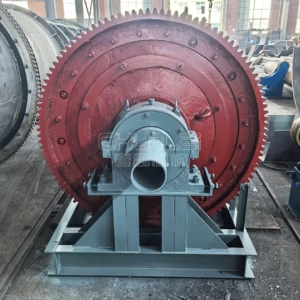
A variety of models are available | Get the free price list! Wet ball mill, also called wet energy saving lattice type ball mill, adopts grooved ring liner, which increases the contact surface of ball and ore, str...
View details
Ball mills and vertical roller mills are two mainstream grinding equipment. Vertical roller mills offer higher production efficiency, while ball mills are the preferred choice for ensuring product quality. This article will detail the differences...
View details
Phosphate Ore Dressing Production Line Process Introduction Phosphate beneficiation is a complex, multi-step process designed to separate useful minerals (such as apatite) from waste rock in phosphate ore. Flotatio...
View details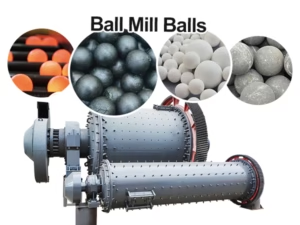
Ball mill grinding balls are the media for grinding materials in ball mill equipment, mainly used for material crushing, mixing and refining. Its performance directly affects the grinding efficiency, energy consumption and product quality. ...
View details