 Chunlei Mining Machinery
Sulfide Ore Processing Technology
Sulfide gold ores, particularly those containing pyrite and arsenopyrite, are crucial sources for gold extraction and are also the most notorious “refractory gold ores.” The mineral processing techniques employed for these ores form the core process for extracting valuable metals. The key lies in the principle of “breaking the rock before extracting the gold,” constituting a complex, environmentally conscious, multi-stage system. Gold is typically tightly bound within sulfide ores, meaning single separation methods yield minimal results. Diverse approaches must be adopted to recover gold, taking into account ore characteristics, processing methods, environmental regulations, and project profitability.
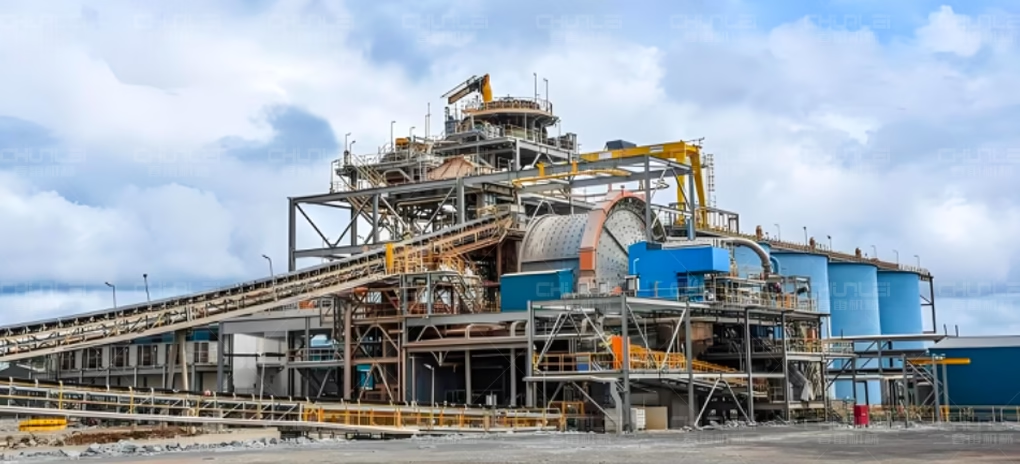
Refractory Gold Ore: How Does Gold Occurrence State Determine Recovery Success?
Gold grade reports alone cannot fully indicate the difficulty of sulfide gold ore processing. The true determinant of gold recovery rates lies in the occurrence state of the gold: Is it free gold, vein gold, or hidden gold encapsulated by pyrite, arsenopyrite, or silicate minerals? What is the actual particle size distribution of the gold?
Selecting processing methods without prior analysis of these factors carries significant technical and investment risks. Advanced automated mineral analysis technologies—such as SEM-MLA, QEMSCAN, and electron probe microanalysis—precisely address these challenges, serving as critical tools for solving gold recovery puzzles. They accurately determine:
- Gold particle size distribution and dispersion characteristics
- Gold-bearing host minerals and their associative relationships
- Degree of gold liberation and exposure
Micron-sized gold grains encapsulated within pyrite require different processing approaches than free gold particles measuring hundreds of microns, necessitating distinct recovery methods.
These analytical data determine optimal grinding fineness, assess pre-oxidation requirements, and optimize the entire mineral processing and metallurgical design. A deep understanding of ore mineralogical characteristics is not an unnecessary step but an essential prerequisite for achieving efficient, profitable recovery.
Flotation Process: The Key to Efficient Extraction of Sulfide Gold Concentrates
During the flotation stage of sulfide gold ores, the goal is not to float all sulfides but to achieve precise separation and selective enrichment.
- For ores containing multiple valuable minerals, priority flotation is a common process. This involves first separating sulfides such as copper, lead, and zinc that accompany the gold in the ore. This prevents impurities from entering the gold concentrate, simplifying and enhancing subsequent processing.
- For pyrite or arsenopyrite—the primary carriers of gold—chemical reagents such as selective collectors, frothers, pH adjusters, and inhibitors like cyanide can be employed to boost gold recovery rates and purity.
The core objective of flotation is to maximize gold recovery while minimizing concentrate yield. Lowering concentrate output not only reduces subsequent processing costs but also decreases equipment investment. Thus, flotation serves not only as a separation process but also as essential preparation for efficient, economical gold recovery downstream.
Pre-treatment of Sulfide Gold Concentrates: The Key Method for Effective Gold Particle Dispersion?
The modern processing flow for typical sulfide gold ores (refractory gold ores) is:
Raw ore → Flotation enrichment (yielding gold-bearing sulfide concentrate) → Pre-treatment (bio-oxidation/pressure oxidation) → Neutralization washing → Conventional cyanide leaching → Carbon adsorption/ zinc replacement → smelting to produce gold ingots.
When gold is encapsulated within sulfides, the sulfide crystals must be broken down to expose the gold. This is achieved through oxidation. Common pre-oxidation methods include roasting, pressurized oxidation (POX), and bio-oxidation (BIOX). Core pre-treatment technologies include the following:
| Technical Name | Core Principle | Key Advantages | Major Drawbacks/Challenges | Applicable Scenarios |
| Calcination Oxidation | Oxygen-enhanced combustion at high temperatures (~600°C) disrupts sulfide structures, exposing gold. | 1. Technologically mature with a long history. | 1. Severe environmental pollution risks: Generates toxic fumes such as SO₂ and As₂O₃. | Retrofitting traditional older plants (equipped with comprehensive flue gas treatment systems); processing high-carbon or complex ores containing antimony and other special elements. |
| 2. Rapid and thorough reaction with excellent gold liberation efficiency. | 2. High energy consumption and operational costs. | |||
| 3. Capable of processing carbonaceous ores (eliminating “gold snatching” effects). | 3. New projects face extreme difficulty in obtaining approvals under environmental regulations. | |||
| Pressurized Oxidation | Within high-temperature, high-pressure reactors, oxygen and acidic solutions thoroughly oxidize sulfides into sulfates and oxides. | 1. Highest gold recovery rate (typically >95%), most adaptable. | 1. Extremely high investment and operational costs (expensive autoclave equipment). | The ultimate solution for large-scale, high-grade, complex, and difficult-to-process ores (high-arsenic, high-sulfur). |
| 2. Environmentally friendly: Sulfur and arsenic are immobilized in slag, with no harmful gas emissions. | 2. Complex operation with stringent requirements for material corrosion resistance and automated control. | |||
| 3. Rapid reaction speed (measured in hours). | 3. Unsuitable for processing high-chloride or high-carbonate ores (prone to scaling). | |||
| Biological Oxidation | Biocatalysis by acidophilic bacteria (e.g., Thiobacillus ferrooxidans) oxidizes and decomposes sulfides under ambient conditions. | 1. Most environmentally friendly: Operates at ambient temperature and pressure with no harmful gas emissions. | 1. Slow reaction rates (days to weeks), requiring large reaction vessel volumes. | The current global mainstream choice, particularly suited for medium-scale operations, medium-to-low grade ores, and environmentally sensitive areas. |
| 2. Lower operating costs (reduced energy consumption and reagent usage). | 2. Sensitive to temperature, pH, and toxic ions, necessitating strict control of the biological environment. | |||
| 3. Relatively simple and safe operation. | 3. Limited effectiveness for certain complex minerals (e.g., high antimony, high organic carbon). | |||
| Solidification Calcination | During roasting, solidifiers like lime are added to form stable compounds with volatile substances (e.g., arsenic), trapping them within the slag. | 1. Resolves arsenic pollution issues inherent in traditional roasting. | 1. Remains a high-temperature process with significant energy consumption. | Specifically designed for processing high-arsenic, difficult-to-treat gold ores, representing an environmentally upgraded version of traditional roasting. |
| 2. Retains the advantages of roasting technology: rapid reaction and broad adaptability. | 2. Increases solidification agent costs and may impact subsequent leaching. | |||
| 3. Demands more precise process control. | ||||
| Chemical Oxidation | Strong oxidizing agents (e.g., peroxides, chlorine gas, nitric acid) oxidize sulfides under atmospheric pressure conditions. | 1. Relatively mild reaction conditions (atmospheric pressure). | 1. Extremely high oxidant costs, often posing an economic bottleneck. | Typically employed for small-scale projects, pilot studies, or processing special ores unsuitable for bioleaching/pressurized oxidation. |
| 2. Modular design with high flexibility. | 2. Potential generation of toxic intermediate products or wastewater treatment challenges. |
How to Select the Optimal Gold Extraction Solution Based on Ore, Economics, and Environment?
Selecting the optimal gold extraction solution must align with ore characteristics. Successful process selection begins with a thorough understanding of the form in which gold occurs. What is the primary carrier? What are the concentrations of associated elements? This information directly determines subsequent gold recovery rates and stability.
Economic factors form the core pillars of decision-making. These include initial investment, operational costs, and more. Different processes carry varying investment costs: traditional roasting consumes significant energy, bio-oxidation requires lower investment but has a longer cycle, while pressurized oxidation offers exceptional efficiency but demands substantial equipment investment. The ideal approach maximizes profitability through precise cost control while pursuing higher recovery rates—the fundamental path to commercial success for mining projects.
In modern mining, environmental protection is non-negotiable. Process selection must strictly comply with local environmental standards. Whether it’s exhaust gases from roasting or wastewater from cyanidation, all must be treated in a compliant and lawful manner. Pursuing sustainable development is the path to rewarding returns.
Common Questions About Sulfide Gold Ore
Question 1: Why are sulfide gold ores considered “difficult-to-process”?
Answer: Primarily because most fine-grained gold is encapsulated within sulfide minerals, preventing direct extraction. Additionally, certain elements in the ore adsorb dissolved gold during cyanidation, resulting in extremely low recovery rates.
Question 2: What is the primary processing flow for sulfide gold ores?
Answer: The basic flow is: Raw ore → Mineral processing (flotation to obtain gold concentrate) → Pre-treatment → Cyanide leaching → Gold recovery. Pre-treatment is critical here, as it disrupts sulfide mineral structures to expose gold, determining subsequent leaching efficiency.
Question 3: How to select an appropriate pre-treatment process?
Answer: Comprehensive consideration of the following factors is required:
Ore properties: Mineral composition (sulfur, arsenic, carbon content), gold grain size distribution.
Scale: Large-scale mines favor pressurized oxidation; small-to-medium-sized operations may opt for bio-oxidation or roasting.
Environmental regulations: Pressurized oxidation or bio-oxidation should be prioritized in regions with stringent regulations.
Geographic location and infrastructure: Remote areas may be unsuitable for processes requiring complex reagents and energy.
Economic viability: Conduct detailed feasibility studies comparing capital expenditures and operating costs.
Question 4: What unique challenges arise when processing arsenic-bearing sulfide gold ores?
Answer: Arsenic is the primary toxic element, presenting dual challenges:
Process interference: Arsenic minerals (e.g., arsenopyrite) severely “gold scavenging” and generate highly toxic gases (e.g., As₂O₃, AsH₃).
Environmental pressure: Arsenic is a highly toxic pollutant that must be safely and stably immobilized throughout the process (e.g., forming stable iron arsenate precipitates). Failure to do so poses significant risks to the environment and human health. Processing costs and environmental requirements for arsenic-bearing ores are substantially higher than for standard sulfide ores.
Conclusion
Processing sulfide gold ore requires a deep understanding of its genesis and the application of advanced pre-treatment technologies, including flotation, roasting, POX, and BIOX processes. Each step is designed to liberate gold elements, followed by efficient cyanide leaching for gold recovery. The optimal gold extraction solution must be developed by comprehensively considering ore characteristics, economic factors, and environmental regulations.
CHUNLEI Machinery is China’s leading manufacturer of mineral processing equipment, specializing in B2B solutions. Our product line covers the entire process chain: crushing, grinding, beneficiation, screening, and drying. We provide full-cycle support including design, manufacturing, installation, training, and after-sales service. We are committed to delivering high-quality, customized, and efficient solutions to help clients achieve their operational goals.
Contact CHUNLEI today to explore your sulfide gold ore processing needs.
Latest News

Bulk Density of Sand: Test Methods & Equipment Selection Guide
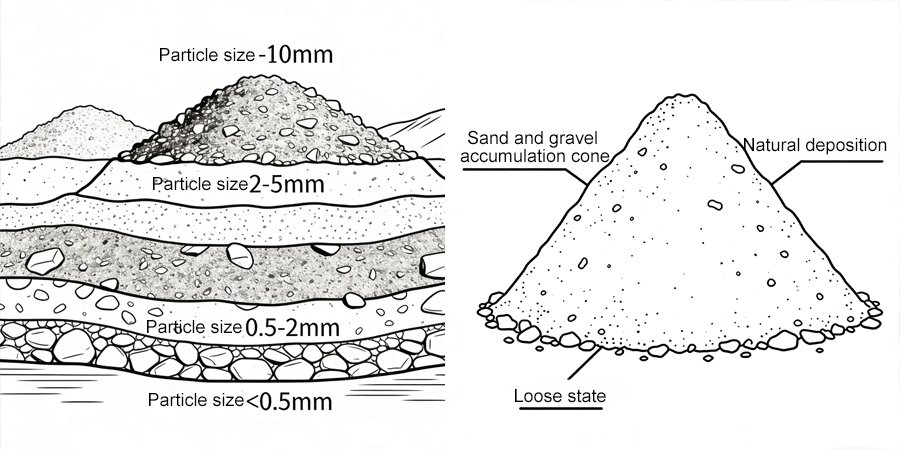
800If you work in the sand and gravel processing industry, you’ve probably heard the term “bulk density”—but do you know how it directly impacts your equipment selection? Choosing the wrong feeder or crusher based on inaccurate density data can le…
-
2026 Zimbabwe Gold Mine Ball Mill Buyer’s Guide: Avoid Costly Mistakes & Choose the Right Model
805Decades of experience in global gold mining reveals a common, costly mistake: Zimbabwe mine owners waste tens of thousands of dollars on mismatched ball mills. A machine that works for a South African hard rock mine will fail in Zimbabwe’s dust…
-
7 Common Ball Mill Faults & Quick Fixes for Mining Sites
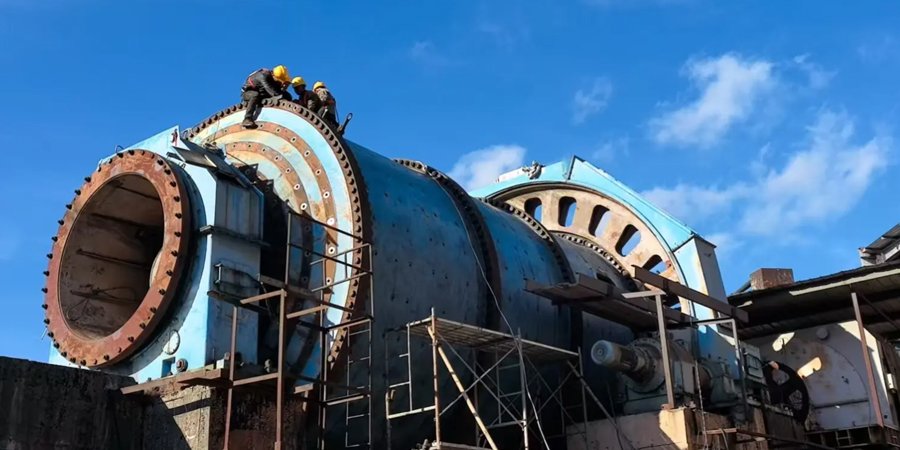
805If you are responsible for operating a gold or ore beneficiation production line, you undoubtedly understand just how frustrating it is when a ball mill suddenly malfunctions—whether the issue involves vibration, overheating, a drop in output, …
-
Case Study: 100TPD Gold Processing Line with Ball Mill in Africa
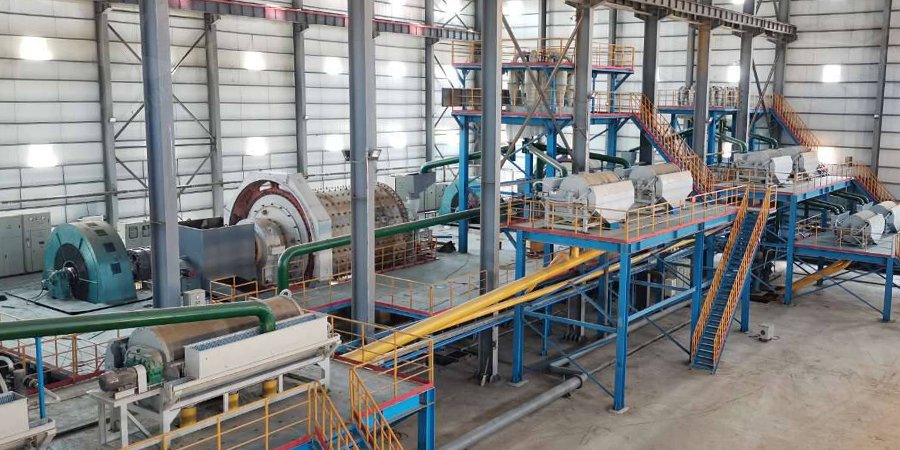
801If you are planning to establish a 100-ton-per-day (100 TPD) gold beneficiation production line in Africa, you are likely facing a common dilemma: Which type of ball mill is best suited for processing African gold ores? Can the equipment effect…
loading…
已经是到最后一篇内容了!