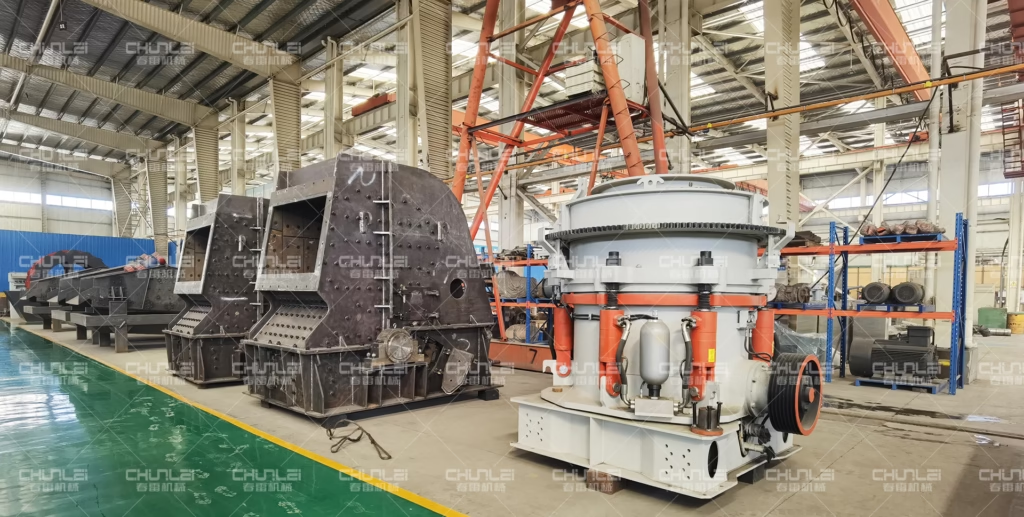
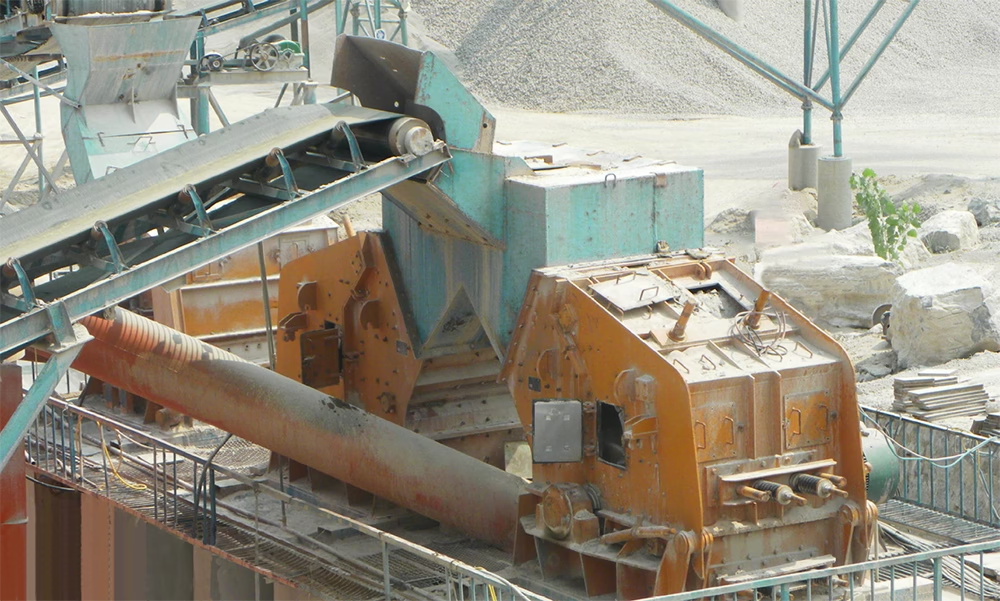
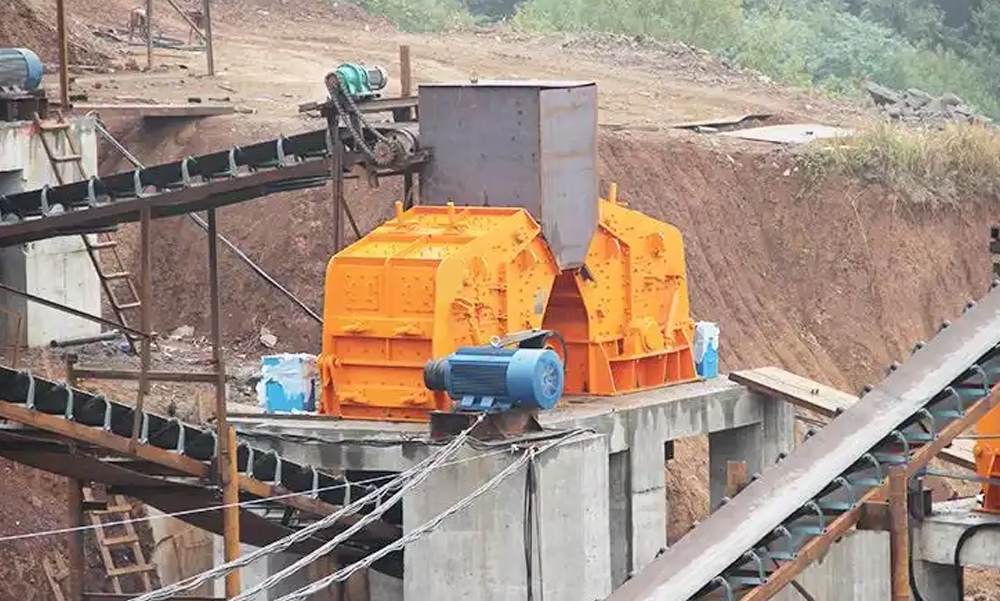
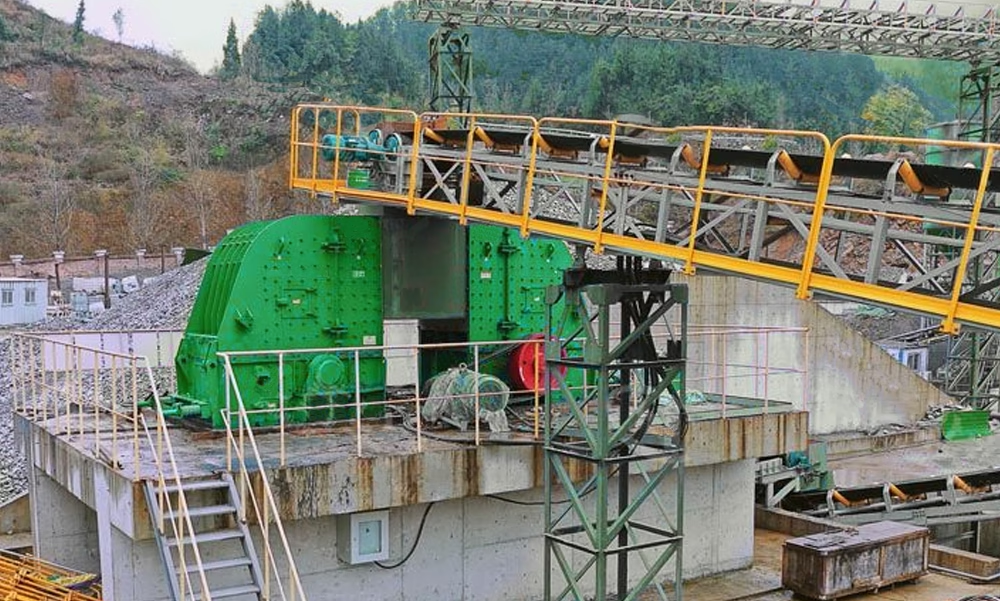
| Comparison Items | Impact Crusher | Cone Crusher |
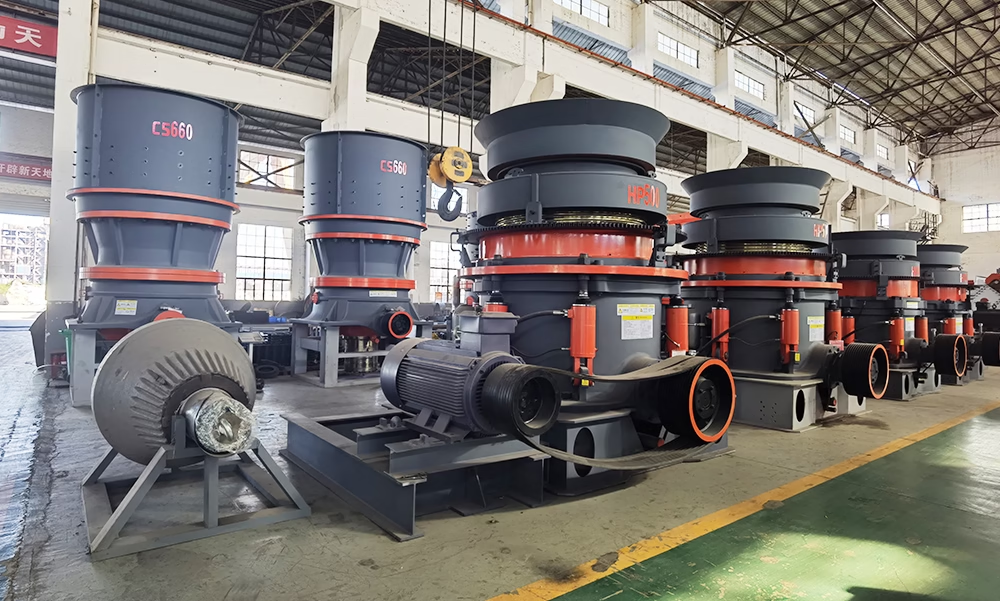
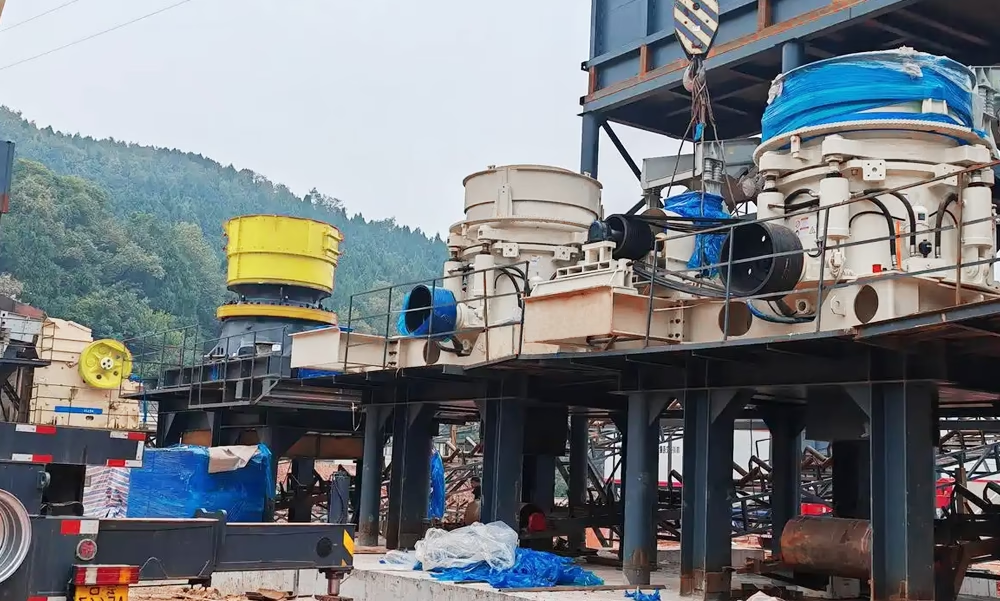
| Core Crushing Principle | Impact Energy Crushing: Material is struck by high-speed rotating blow bars and thrown against the impact plate for secondary or multiple impact crushing. | Laminar Crushing/Compression Crushing: Material is crushed within the crushing chamber formed by the fixed cone and moving cone through repeated compression, bending, and grinding actions. |
| Structure and Operating Method | Relatively simple structure. The rotor drives the blow bars to rotate at high speed, operating on a “striking” principle. | Features a complex and precise structure. The moving cone performs an eccentric swinging motion within the fixed cone, operating on a “kneading and squeezing” principle. |
| Applicable Material Hardness | Suitable for medium-low hardness, soft, and brittle materials. | Suitable for medium-to-high hardness, highly abrasive materials. |
| Examples: Limestone, dolomite, coal gangue, construction waste, etc. Not suitable for high-hardness or highly abrasive materials like granite or basalt (causes severe hammer plate wear). | Examples: Granite, basalt, diabase, quartzite, etc. The preferred choice for hard rock crushing. |
| Discharge Particle Shape | Produces well-shaped, cubic particles with multiple edges. Impact crushing better follows natural cleavage planes, enhancing aggregate-cement bonding and improving concrete strength. | Particle shape is generally average, with a higher proportion of flaky and needle-like particles. Due to the squeezing crushing mechanism, it tends to produce flattened or elongated particles. |
| Product Fineness Content | High. Impact action generates more stone powder. | Relatively low. |
| Energy Consumption | Relatively low. High energy efficiency when crushing medium-hardness and softer materials. | High. Requires substantial crushing force, typically necessitating larger motor power. |
| Maintenance Costs and Wear Parts | Maintenance is straightforward, but wear parts (hammer plates, impact plates) wear quickly and require frequent replacement. Wear part costs constitute the primary operational expense. | Complex maintenance (requires specialized technicians), but long service life for wear parts (bowls and liners). High initial maintenance costs, but potentially more stable long-term operation. |
| Price | Equipment acquisition costs are relatively low. | Higher equipment acquisition cost. |
| Environmental Performance | Significant dust and noise generation. | Relatively favorable, with lower dust and noise levels. |
| Key Operational Characteristics | Output particle size can be flexibly controlled by adjusting rotor speed and impact plate clearance. Possesses a certain degree of “shaping” capability. | Primarily adjusts discharge size by raising or lowering the moving cone, thereby controlling output particle size. |
 Chunlei Mining Machinery