 Chunlei Mining Machinery
Gold Extraction: CIP or CIL Process?
CIP stands for Carbon-in-Pulp, also known as the carbon-in-pulp process. CIL stands for Carbon-in-Leach, also known as the carbon-in-leach process. Both CIP and CIL are commonly used gold extraction processes. Their key difference lies in whether the core steps of “cyanide leaching” and “carbon adsorption” are performed separately or simultaneously.
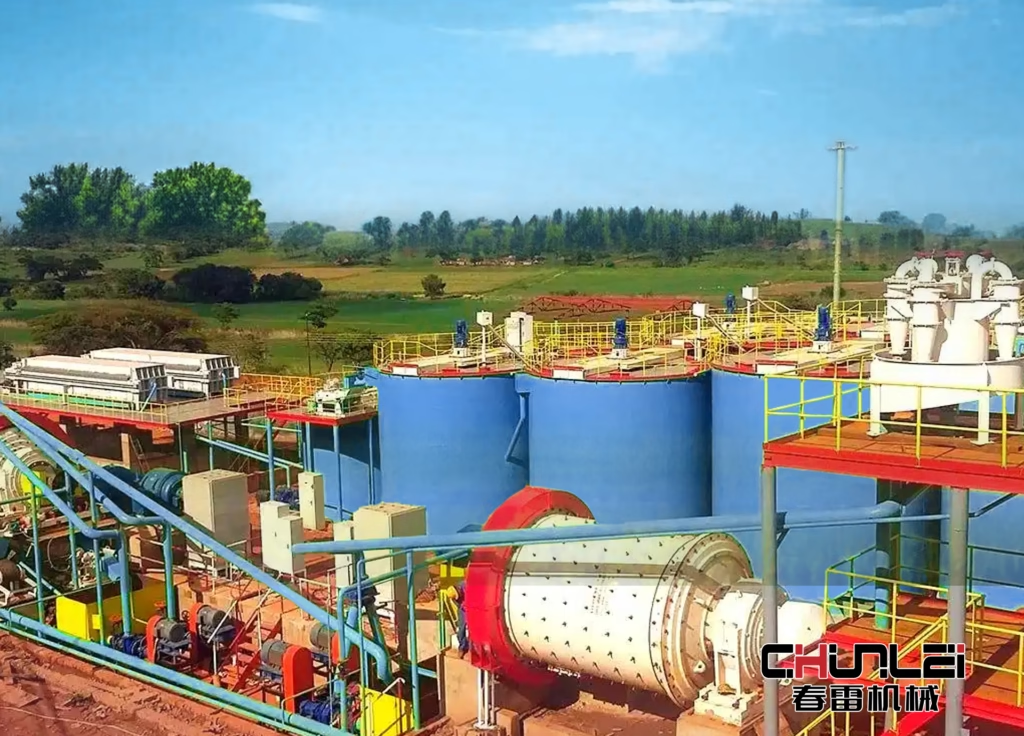
CIP and CIL Core Differences
CIP (Carbon-in-Pulp): First, cyanide leaching adsorbs dissolved gold, followed by carbon adsorption. This is a two-step process.
CIL (Carbon-in-Leach): Cyanide leaching and activated carbon adsorption are combined into a single process, occurring simultaneously within the same tank series. This is a one-step process.
Comparison Table: CIP vs. CIL Comprehensive Differences
| Characteristics | CIP (Carbon-in-Pulp) | CIL (Carbon-in-Leach) |
| Core Differences | Leaching followed by adsorption (two-step process) | Simultaneous leaching and adsorption (one-step process) |
| Process Flow | Longer process flow with distinct leaching and adsorption sections | Shorter flow process, with all tanks serving as unified leaching-adsorption vessels |
| Investment Costs | Higher cost (requires more tanks and longer residence time) | Lower cost (fewer tanks, reduced facility and infrastructure investment) |
| Operational Complexity | More complex, requiring separate control of two process stages | Simpler operation, requiring control of a single integrated system |
| Gold Recovery Rate | Adsorption occurs only after complete leaching, potentially extending overall cycle time | Faster processing, as adsorption reduces gold concentration in solution, accelerating leaching reaction |
| Gold Loss Phenomenon | In the leaching section, dissolved gold may be consumed or precipitated again by impurities in the pulp (e.g., carbonaceous matter, antimony compounds), causing losses | Effectively suppresses “gold scavenging”—activated carbon rapidly captures dissolved gold, preventing consumption by impurities |
| Suitable Ore Types | More suitable for oxidized ores with relatively simple mineral composition and minimal “gold snatching” phenomena | Particularly suitable for refractory ores containing “gold scavengers” such as natural carbonaceous matter or antimony compounds |
Selecting Gold Extraction Methods: CIP or CIL?
- Ore Characteristics
When ore contains gold-sequestering substances, CIL is the preferred process. Activated carbon is added directly to the leaching tank, where it competes with these sequestering agents for adsorbed gold—even “reclaiming” adsorbed gold—thus reducing gold loss.
For fine-grained encapsulated gold or gold associated with sulfides, CIP (leaching followed by adsorption) is preferred. Activated carbon in CIL would adsorb excessive impurities, increasing operational burden. - Recovery Rate
CIL generally achieves higher overall recovery rates by minimizing gold scavenging losses.
CIP involves separate leaching and adsorption stages, which may impact recovery efficiency. - Capital and Operating Costs
CIL reduces the number of leaching tanks required by combining leaching and adsorption in a single vessel, decreasing both footprint and capital/operating expenses.
CIP necessitates two independent tank systems, increasing equipment quantity, footprint, and investment. - Operational Flexibility
The CIL process features a simpler, more manageable single mainline configuration that facilitates easier control.
CIP offers greater flexibility by allowing independent adjustment of leaching and adsorption durations, making it particularly suitable for challenging ores.
| Characteristics | CIL (Carbon-in-Leach) | CIP (Carbon-in-Pulp) |
| Preferred Scenarios | 1. Contains gold-capturing carbonaceous material. | 1. Slow leaching kinetics require independent optimization of leaching conditions. |
| 2. Exhibits rapid leaching kinetics. | 2. Complex and variable ore properties demand operational flexibility. | |
| 3. Pursues lower investment and higher recovery rates. | 3. Retrofit of existing CIP plants. | |
| Modern Trends | The absolute mainstream. The vast majority of newly constructed gold processing plants adopt the CIL process, as it more effectively addresses various common ore challenges while offering superior cost-effectiveness. | Application is declining. Primarily used for specific refractory ores where leaching is an absolute bottleneck, or in some older plants. |
Conclusion
In modern newly constructed gold processing plants, the CIL process has become the preferred choice for most enterprises due to its lower investment costs, shorter workflow, enhanced safety and economic efficiency, and effective countermeasures against gold loss. Meanwhile, the CIP process remains a classic and reliable method selected under specific ore conditions.
If you are establishing a gold processing line or have any questions, contact us immediately. CHUNLEI will leverage our professional expertise and services to develop a solution that maximizes your profitability.
Latest News

Bulk Density of Sand: Test Methods & Equipment Selection Guide
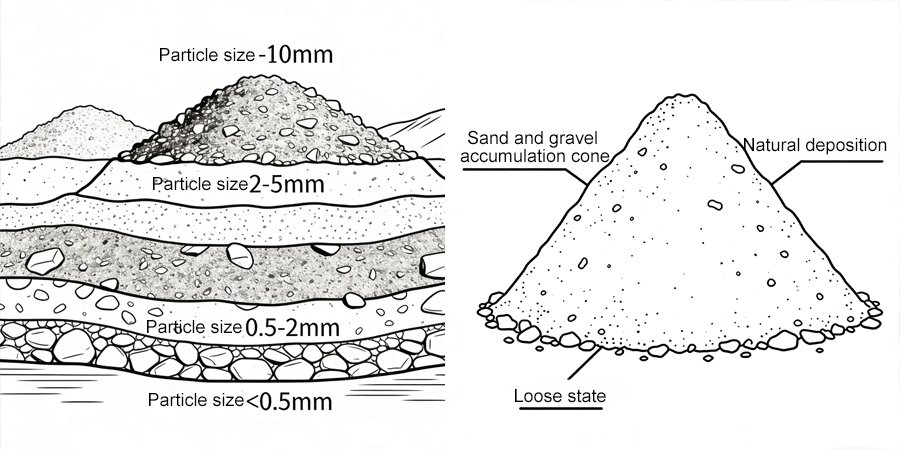
800If you work in the sand and gravel processing industry, you’ve probably heard the term “bulk density”—but do you know how it directly impacts your equipment selection? Choosing the wrong feeder or crusher based on inaccurate density data can le…
-
2026 Zimbabwe Gold Mine Ball Mill Buyer’s Guide: Avoid Costly Mistakes & Choose the Right Model
805Decades of experience in global gold mining reveals a common, costly mistake: Zimbabwe mine owners waste tens of thousands of dollars on mismatched ball mills. A machine that works for a South African hard rock mine will fail in Zimbabwe’s dust…
-
7 Common Ball Mill Faults & Quick Fixes for Mining Sites
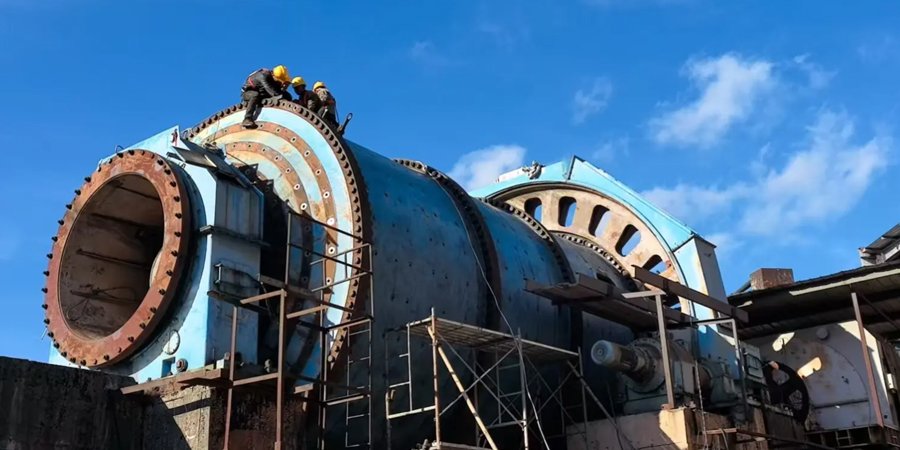
805If you are responsible for operating a gold or ore beneficiation production line, you undoubtedly understand just how frustrating it is when a ball mill suddenly malfunctions—whether the issue involves vibration, overheating, a drop in output, …
-
Case Study: 100TPD Gold Processing Line with Ball Mill in Africa
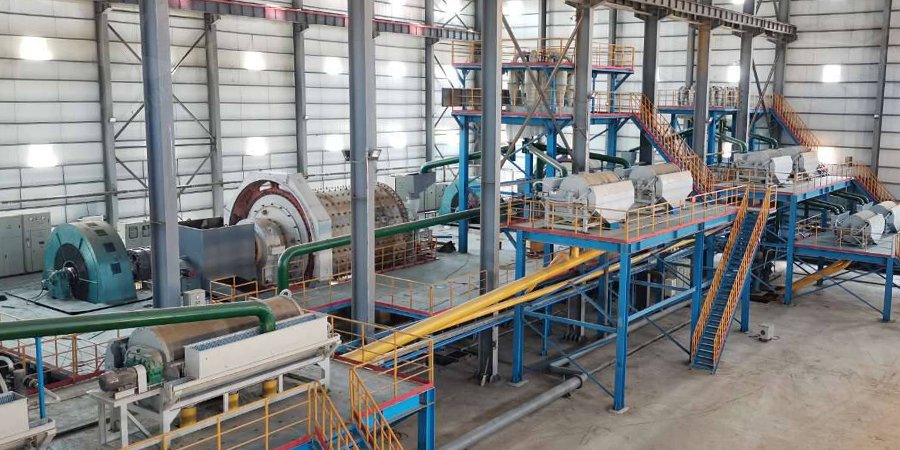
801If you are planning to establish a 100-ton-per-day (100 TPD) gold beneficiation production line in Africa, you are likely facing a common dilemma: Which type of ball mill is best suited for processing African gold ores? Can the equipment effect…
loading…
已经是到最后一篇内容了!