 Chunlei Mining Machinery
Gold Ore CIL Carbon-in-Leach Process
The gold ore CIL carbon-in-leach process primarily involves simultaneous leaching and adsorption, achieving gold recovery rates exceeding 90% while simplifying the workflow. Within the field of gold mineral processing technology, it stands as the preferred modern process flow for gold ore beneficiation and has become the technology of choice for gold mining enterprises worldwide. This article will delve into the working principles, process steps, and technical advantages of the CIL process, helping you gain a comprehensive understanding of this innovative gold extraction method.
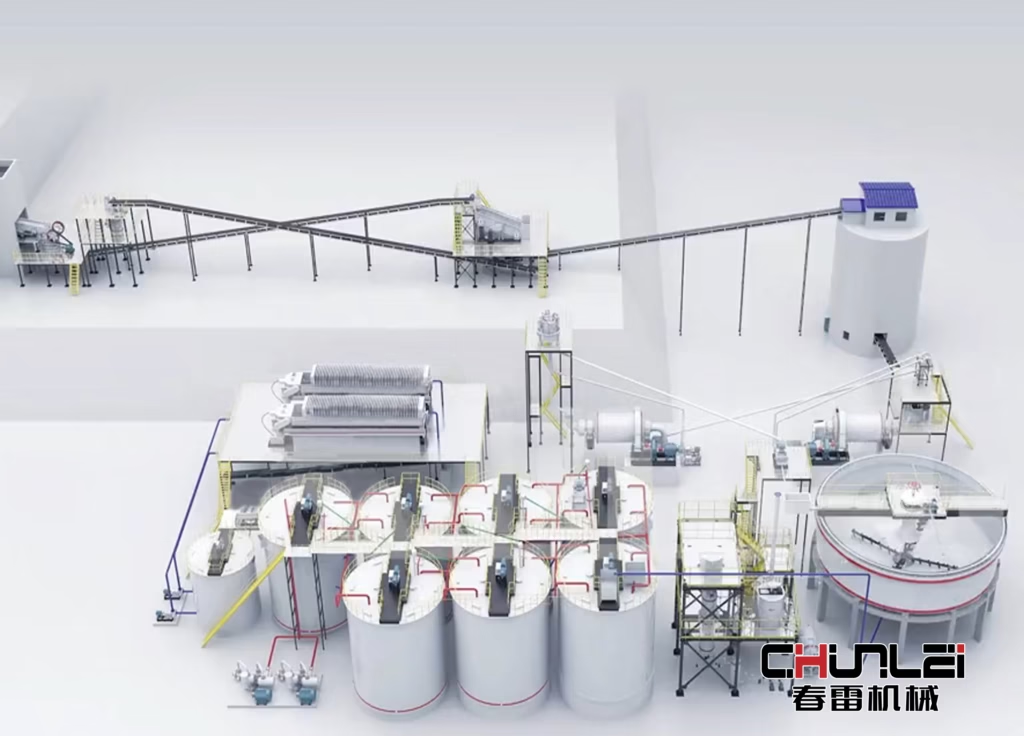
What is the CIL Carbon-in-Leach Process?
The Gold Ore CIL (Carbon-in-Leach) extraction process, also known as carbon-in-leach gold recovery, involves adding activated carbon to the pulp to simultaneously leach and adsorb gold. Its core innovation lies in integrating the two steps of cyanide leaching and activated carbon adsorption—typically separate in the CIP (Carbon-in-Pulp) process—into a single, synchronized operation within the same equipment series. This reduces losses while lowering management costs.
Application Scope of Gold Ore CIL Carbon Leaching
The CIL carbon leaching process is suitable for beneficiation of high-grade large-scale gold deposits, low-sulfur oxidized gold ores, gold ores with high clay content, and gold ores containing significant amounts of associated silver and copper. Compared to CIP carbon-in-pulp leaching and traditional methods, this process delivers significant economic benefits.
Working Principle of CIL Carbon-in-Leach Process
The CIL process simultaneously leaches gold ore with sodium cyanide solution while introducing activated carbon to directly adsorb dissolved gold. Dissolved gold is adsorbed by activated carbon as a gold-cyanide complex. The entire process occurs continuously in series-connected leaching and adsorption tanks, with counter-current flow between the pulp and activated carbon to ensure thorough contact.
CIL Carbon-in-Leach Process Flow
Chunlei Machinery will provide a detailed introduction to the main process steps of the CIL gold ore beneficiation process:
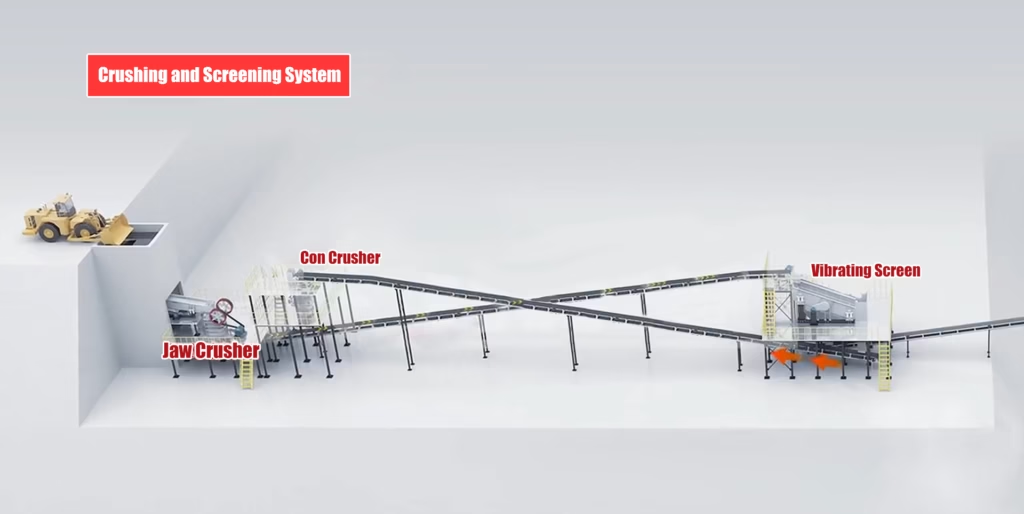
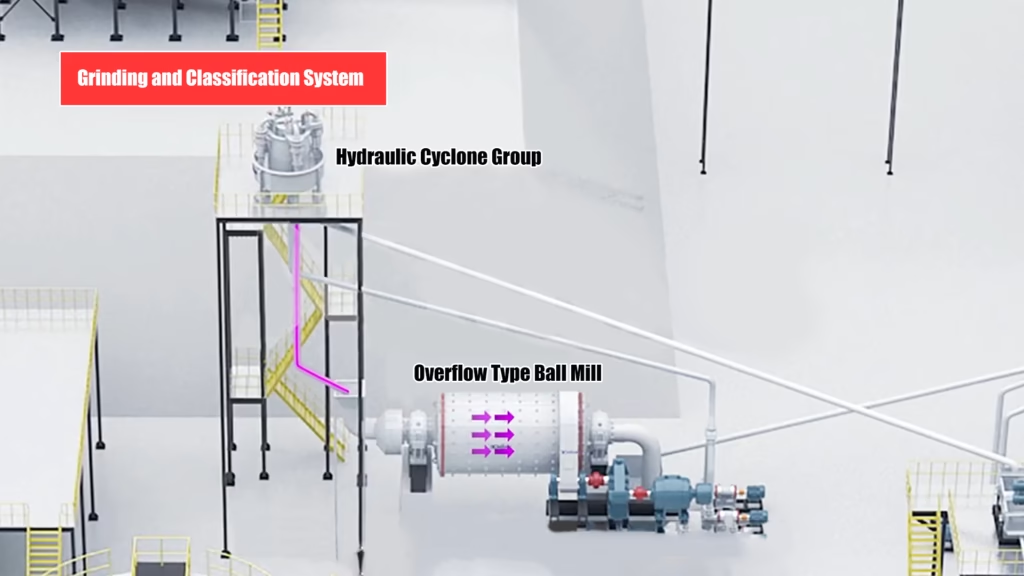
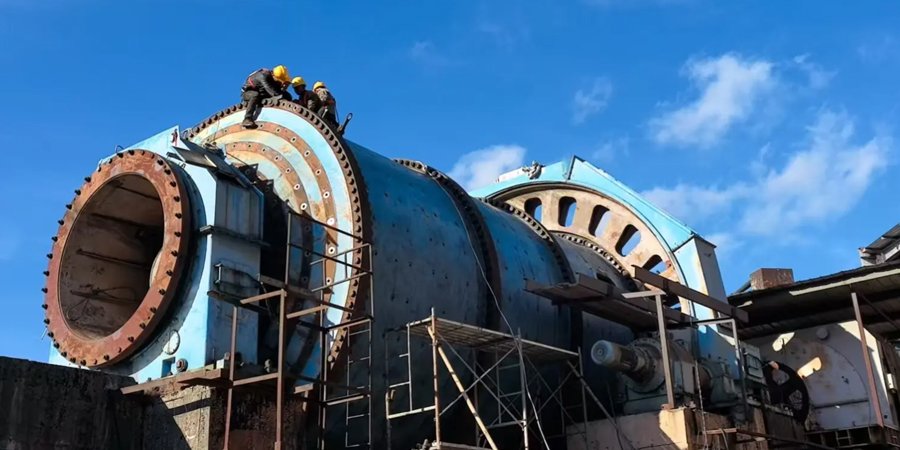
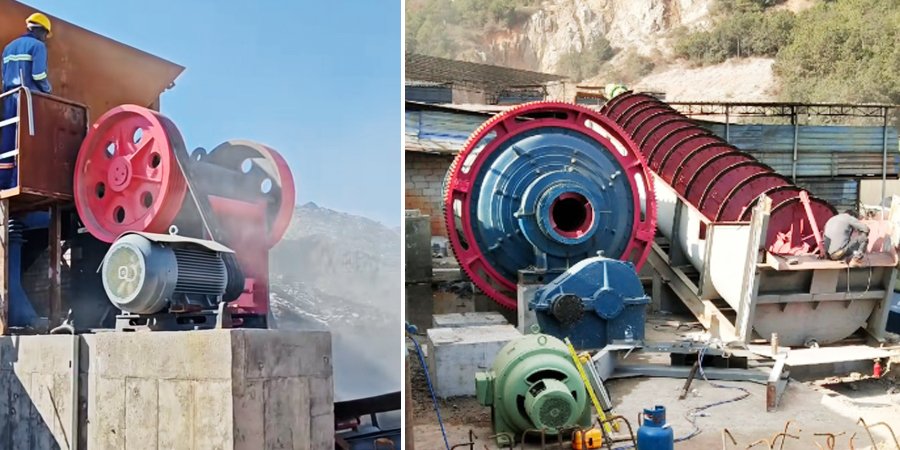
1. Crushing and Grinding: Raw gold ore must first undergo crushing and grinding processes to pulverize and finely grind the ore, exposing gold particles for subsequent leaching treatment. Common equipment includes jaw crushers, cone crushers, and impact crushers for primary and secondary crushing. Ball mills are typically employed to grind the ore to a fine particle size.
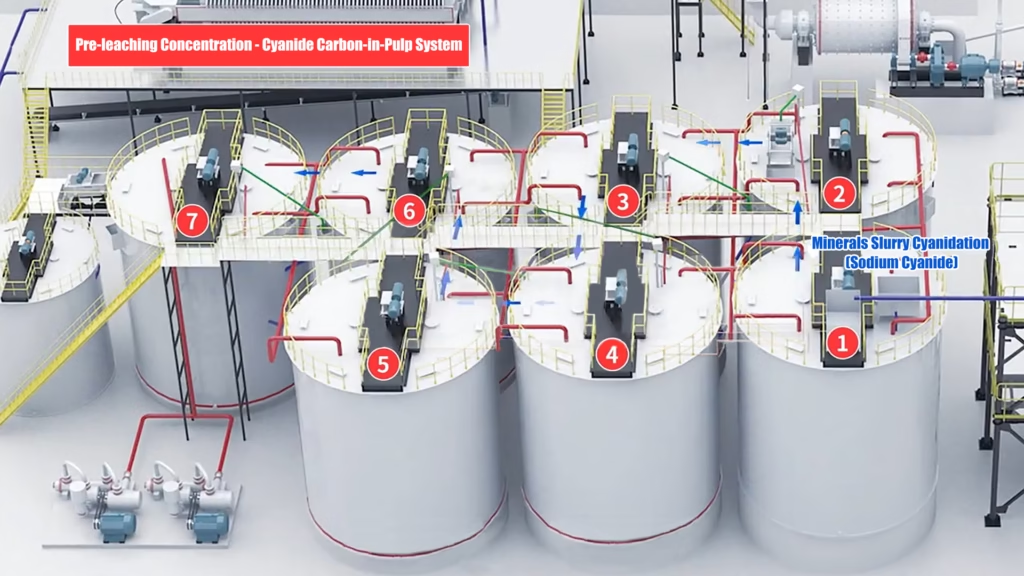
2.Cyanide Leaching: Following crushing and grinding, the CIL process feeds the slurry into nine efficiently arranged cyanide leaching tanks in a cascade configuration. Cyanidation occurs in the first two tanks, while the subsequent six to seven tanks simultaneously perform cyanidation and counter-current adsorption using activated carbon.
Compared to CIP gold extraction and other traditional gold processing methods, Chunlei Machinery’s CIL process significantly reduces cyanidation time and minimizes capital tied up in gold retention stages. The CIL carbon-in-leach method saves investment costs and lowers production expenses relative to CIP carbon-in-pulp processes.
3.Carbon Adsorption: During the activated carbon addition stage, imported coconut shell activated carbon is introduced into the pulp. Leveraging its adsorption properties for gold and silver, it dissolves and adsorbs gold and silver ions to form gold-loaded carbon. Compared to traditional processes, the CIL design synchronizes gold/silver dissolution with adsorption onto activated carbon. This prevents dissolution issues caused by excessive ion concentrations, significantly improving recovery rates for associated precious metals like silver and copper, thereby boosting economic efficiency.
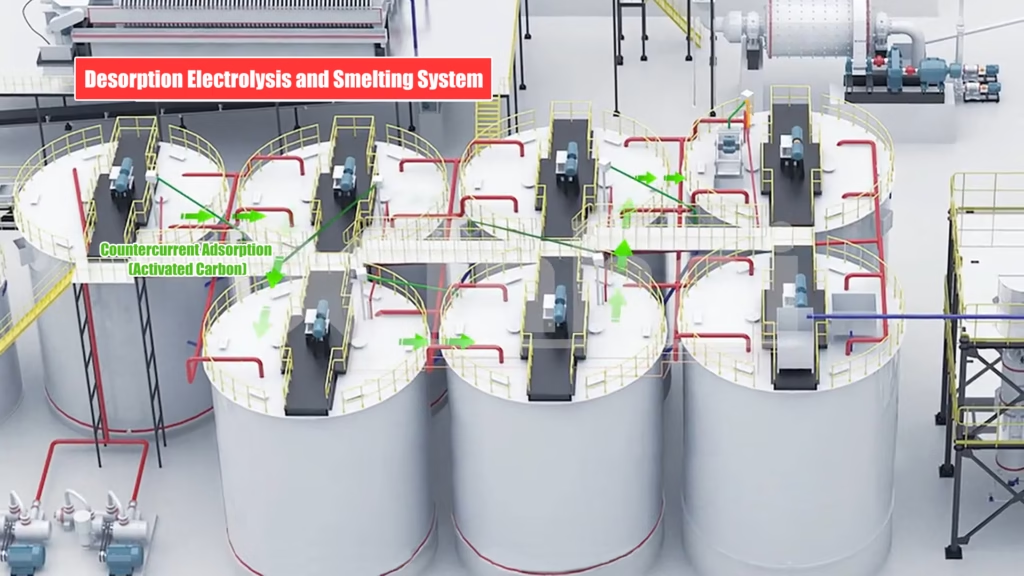
4.Dewatering Agitation: Vibration and dewatering equipment are critical for counter-current movement of pulp and carbon. Hydraulic filter presses and high-efficiency high-frequency dewatering screens effectively reduce pulp wear during continuous pumping and on vibrating screens, lowering costs and simplifying maintenance. The central aeration riser used during agitation enables a small-scale circulation of the pulp. Compared to other mechanical agitators, this design reduces power consumption by 70%, ensures uniform suspension of solids, minimizes activated carbon wear, and achieves high gold recovery rates. It is a critical piece of equipment in modern cyanidation plants.
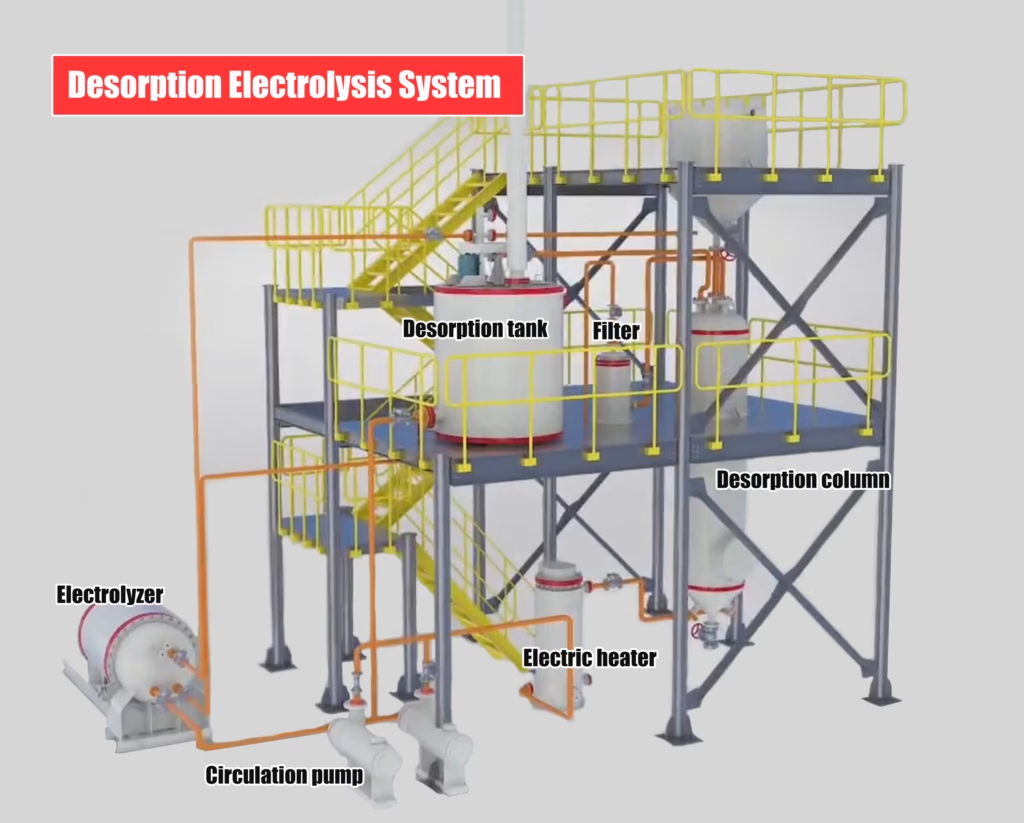
5.Desorption Electrolysis: An integrated process employs a sodium cyanide-sodium hydroxide mixture for high-temperature desorption electrolysis of gold from gold-loaded carbon. First, impurities like wood chips are removed via a scrubber. Subsequently, gold desorption occurs under high-temperature and high-pressure conditions (150°C, 0.5 MPa) using the high-temperature high-pressure desorption method. This design achieves 99% gold desorption within 2-6 hours. The leachate obtained from gold-bearing carbon contains a high concentration of gold and silver cyanide complexes while significantly reducing impurity ions. This provides an ideal solution for electrowinning to recover gold from the leachate. Ultimately, through the integrated desorption electrolysis system, high-purity solid gold is safely and economically obtained.
Technical Advantages of the CIL Process
- High Efficiency and Time Savings: Simultaneous leaching and adsorption shorten the overall production cycle and enhance gold extraction efficiency.
- Lower Costs: Streamlined processes reduce equipment investment and operational expenses, resulting in lower infrastructure and production costs compared to traditional methods.
- Reduced Capital Commitment: Minimizes the amount of gold and silver tied up during production, lowering capital immobilization.
- Simplified Operation: High automation level makes it suitable for large-scale continuous production.
- High Adaptability: Suitable for diverse gold ore types, particularly low-sulfur, high-clay oxidized ores and gold deposits with significant associated silver and copper.
Technical Limitations of CIL Process
- Inadequate for high-silver ores: Less effective on ores with silver-to-gold ratios exceeding 1:5.
- Unstable recovery rates: Ores with high organic carbon content may exhibit “gold scavenging” requiring specialized treatment.
- Environmental risks: Use of gasification products may cause pollution, necessitating strict wastewater discharge controls.
Conclusion
As the preferred technology for modern gold ore processing, CIL carbon-in-leach extraction holds a dominant position in the global gold mining industry due to its significant advantages in efficiency, cost-effectiveness, and environmental sustainability. For enterprises planning to invest in gold ore processing projects, CIL extraction—customized through professional mineral processing tests to optimize process parameters—is undoubtedly the ideal choice for balancing investment returns with recovery efficiency. Chunlei Machinery provides complete gold ore processing equipment, CIL extraction processes, and related equipment.
If you are interested in ball mills or have any inquiries, please contact us—we are available 24 hours a day to address your questions.
Latest News

Bulk Density of Sand: Test Methods & Equipment Selection Guide
800If you work in the sand and gravel processing industry, you’ve probably heard the term “bulk density”—but do you know how it directly impacts your equipment selection? Choosing the wrong feeder or crusher based on inaccurate density data can le…
-
2026 Zimbabwe Gold Mine Ball Mill Buyer’s Guide: Avoid Costly Mistakes & Choose the Right Model
805Decades of experience in global gold mining reveals a common, costly mistake: Zimbabwe mine owners waste tens of thousands of dollars on mismatched ball mills. A machine that works for a South African hard rock mine will fail in Zimbabwe’s dust…
-
7 Common Ball Mill Faults & Quick Fixes for Mining Sites
805If you are responsible for operating a gold or ore beneficiation production line, you undoubtedly understand just how frustrating it is when a ball mill suddenly malfunctions—whether the issue involves vibration, overheating, a drop in output, …
-
Case Study: 100TPD Gold Processing Line with Ball Mill in Africa
801If you are planning to establish a 100-ton-per-day (100 TPD) gold beneficiation production line in Africa, you are likely facing a common dilemma: Which type of ball mill is best suited for processing African gold ores? Can the equipment effect…
loading…
已经是到最后一篇内容了!