 Chunlei Mining Machinery
Gold Ore Gravity Separation Production Line

Gold Gravity Separation
Gravity separation is the most commonly used technique for recovering gold in both small and large-scale mining operations. This method utilizes the density difference between gold (with a density of approximately 19.3 g/cm³) and waste materials such as quartz (with a density of approximately 2.65 g/cm³).
How to Build a Profitable Gravity Separation Gold Processing Plant?
Miners undoubtedly desire to extract valuable gold nuggets and grains from ore in the lowest-cost and lowest-risk manner. An efficient gravity-fed gold processing plant is the optimal choice—this system utilizes the natural density difference between gold and waste rock to recover gold, eliminating the need for expensive chemical reagents.
CHUNLEI designs and builds robust gravity-fed plants that maximize your gold production while reducing operating costs. We will show you in detail how to design a gravity-fed plant to transform raw ore into high-profit gold concentrate.
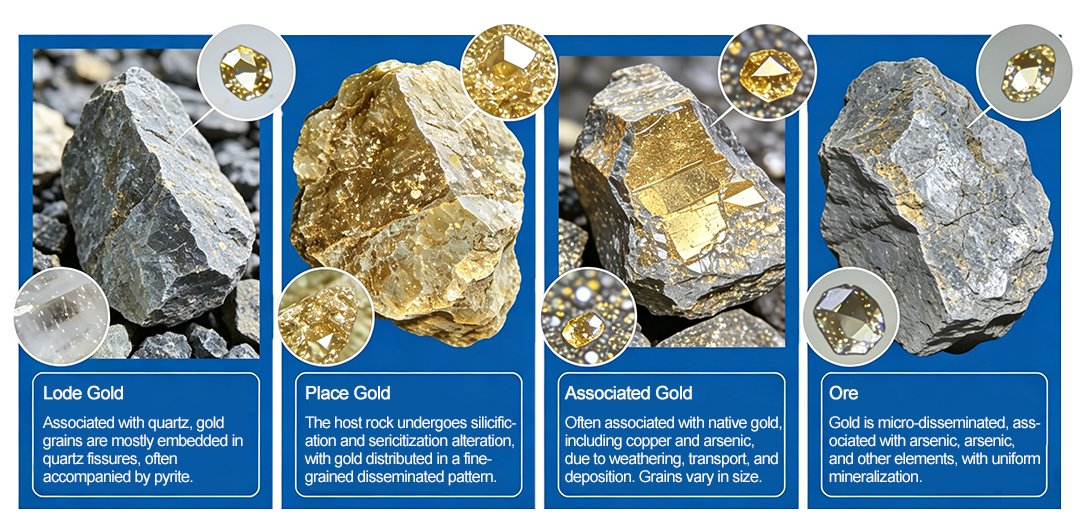
We Will Answer These Questions For You:
- What is a Gravity Separation Gold Processing Plant?
- When to Choose Gravity Separation (And When Not To)
- Key Equipment for Gravity Gold Processing Plants
- How to Boost Gold Recovery in Gravity Plants
- Spiral Concentrator, Shaking Table, or Centrifugal Concentrator: Which Gravity Concentrator is Best for Your Gold Processing Plant?
- Why Use Combined Beneficiation?
- How Much Does a Gravity Gold Processing Setup Cost?
- Who Installs and Commissions the Gravity Plant?
- Where to Get Reliable Spare Parts for Gravity Equipment?
- Global Customer Case: Gravity Plant in Ghana (2024)
- What to Look for in a Gravity Plant Supplier?
- 2026 Latest Trends in Gravity Gold Processing
- FAQ
- Summary and Final Advice
What is a Gravity Separation Gold Processing Plant?
Gravity concentration gold processing plants are specialized facilities that utilize gold’s natural density (19.3 g/cm³) to separate it from low-density waste rock (2.6 g/cm³) through the action of water, vibration, and gravity. Unlike chemical beneficiation, gravity concentration is low-cost, environmentally friendly, and easy to operate—ideal for mines containing visible gold nuggets, coarse-grained gold, or placer gold.
The principle of gravity concentration lies in the fact that gold weighs approximately seven times more than most rocks. Our gravity concentration plants feed crushed and ground ore into a water-based separation system, where the heavier gold particles sink or settle, while lighter soil and rock are washed away. This method is suitable for small to medium-sized mines, artisanal mining operations, or mines containing coarse-grained, easily grindable gold. You don’t need expensive chemicals, complex tank equipment, or highly skilled operators—just durable equipment and a stable water supply.
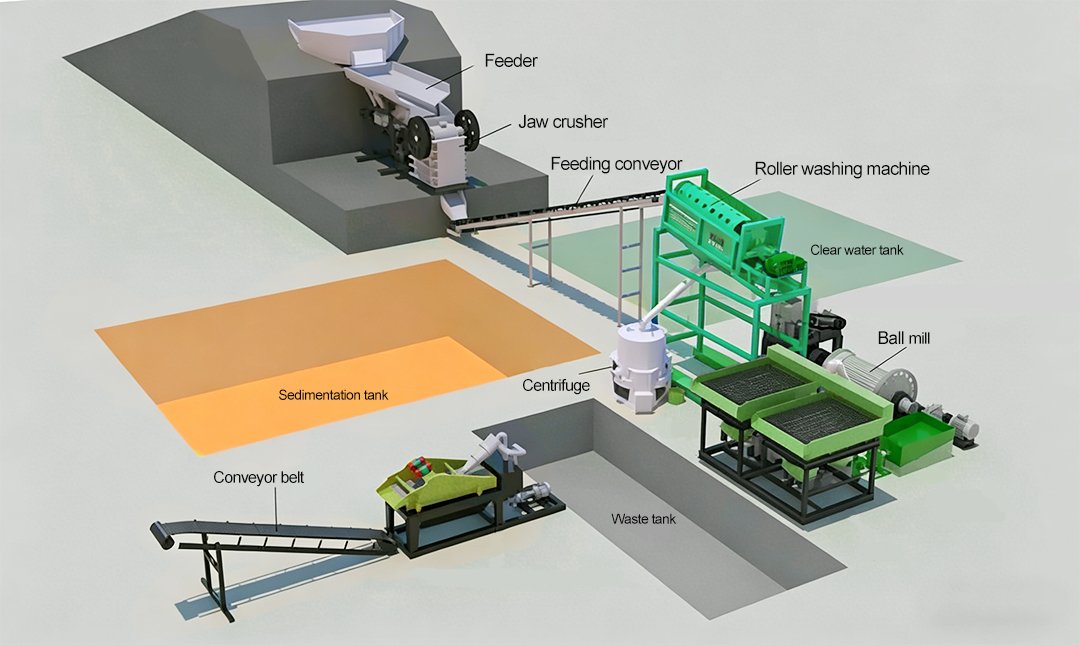
Three Core Sections of a Gravity Gold Plant
Each gravity concentrator comprises three separate operating areas—each optimized to transform ore from raw material into gold concentrate. Our layout design leverages gravity (rather than solely relying on equipment) to transport material downhill, reducing energy consumption and simplifying operations.
| Factory Section | Main Activity | Key Output | Why It Matters to You |
|---|---|---|---|
| 1. Crushing & Screening | Breaking big rocks into small, uniform particles | 5-20mm ore fragments | Ensures gold particles are exposed and sized for gravity separation |
| 2. Classification & Washing | Removing clay/silt and sorting ore by particle size | Clean, sized ore slurry | Prevents fine dirt from clogging gravity machines |
| 3. Gravity Separation | Using shaking tables, sluice boxes, or centrifuges | Gold concentrate (10-30% pure gold) | The profit core—recovers gold without chemicals |
When to Choose Gravity Separation (And When Not To)
Gravity concentration is best suited for ores containing visible gold nuggets, coarse-grained gold (>75 microns), placer gold, or placer deposits. It is not suitable for ores where gold is microscopically encased in quartz or sulfide minerals.
Prioritizing gravity concentration can save you costs and reduce risk—here’s how to determine if it’s right for your ore:
- ✅ Visible gold: If you can see gold grains/nuggets (even very small) in the ore, gravity concentration can recover 80-95% of the gold.
- ✅ Placer gold: Gold-bearing sandstone/gravel (placer deposits) are ideally suited for processing using gravity sluices or centrifugal separators.
- ✅ Low sulfur ore: Gravity concentration works best when gold is not bound to sulfide minerals (flotation is better suited for gold bound to sulfur).
- ❌ Microscopic gold: If the gold is encased in fine-grained quartz (invisible to the naked eye), gravity separation will result in a 90% loss of gold – cyanidation (CIP/CIL) should be used instead.
- ❌ Clay ore: Clay will clog gravity separation equipment – a drum washing machine must be used to remove the clay first.
Actionable Advice for Gravity Plant Design
- Test your ore first: Send 20 kg of ore to our laboratory – we will conduct density and particle size tests to confirm the feasibility of gravity separation.
- Size matters: Crush the ore to 5-10 mm (do not finer!) – over-grinding produces fine gold dust that is easily lost with the water flow.
- Water quality: Use clean, non-acidic water – turbid or acidic water can reduce gold recovery by up to 30%.
- Slope optimization: Design the sluice to a 10-15° incline – too steep an angle will wash away gold; too gentle an angle will clog the system with ore.
Real Example: A client in Mali bought a cheap gravity table from a local supplier, only to recover 10% of their gold. We tested their ore and found it was crushed too fine (200 microns) and mixed with clay. We redesigned their plant with a rotary scrubber (to remove clay) and a centrifugal gold concentrator (to catch fine gold). Their recovery rate jumped to 88%—and they cut water usage by 40%.
Key Equipment for Gravity Gold Processing Plants
You use rugged shaking tables, centrifugal concentrators, sluice boxes, and jigs to recover gold—all built with corrosion-resistant steel to withstand constant water exposure. Gravity equipment is low-maintenance and energy-efficient (most run on 1-5kW motors), making it ideal for remote mines with limited power.
Must-Have Machines for Every Gravity Plant
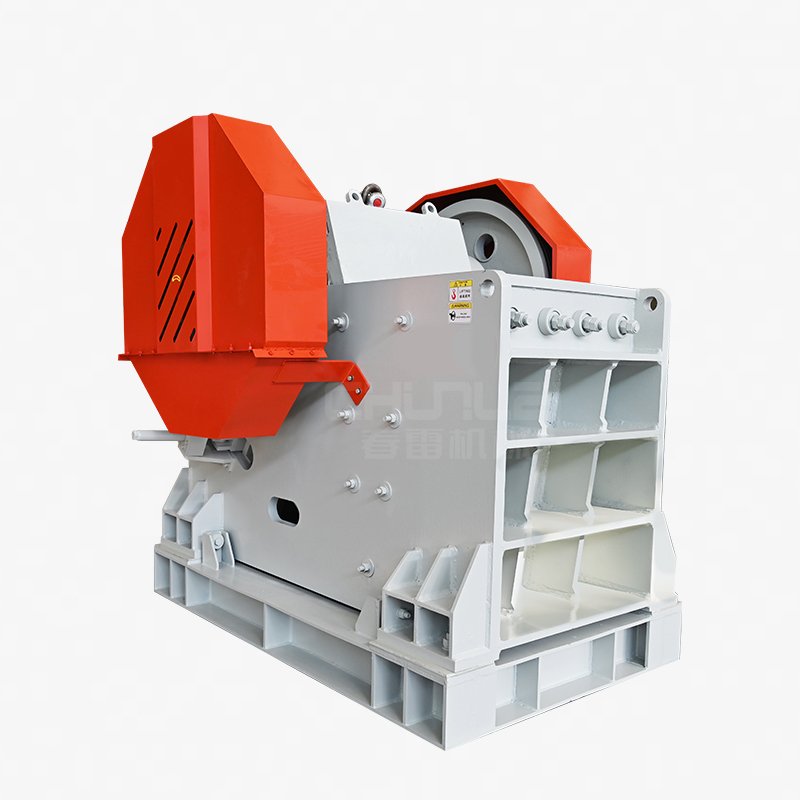
- Jaw Crusher (Primary Crushing): Crushes large rocks (up to 400 mm) into 5-20 mm particles – equipped with manganese steel jaw plates, capable of handling hard quartzite.
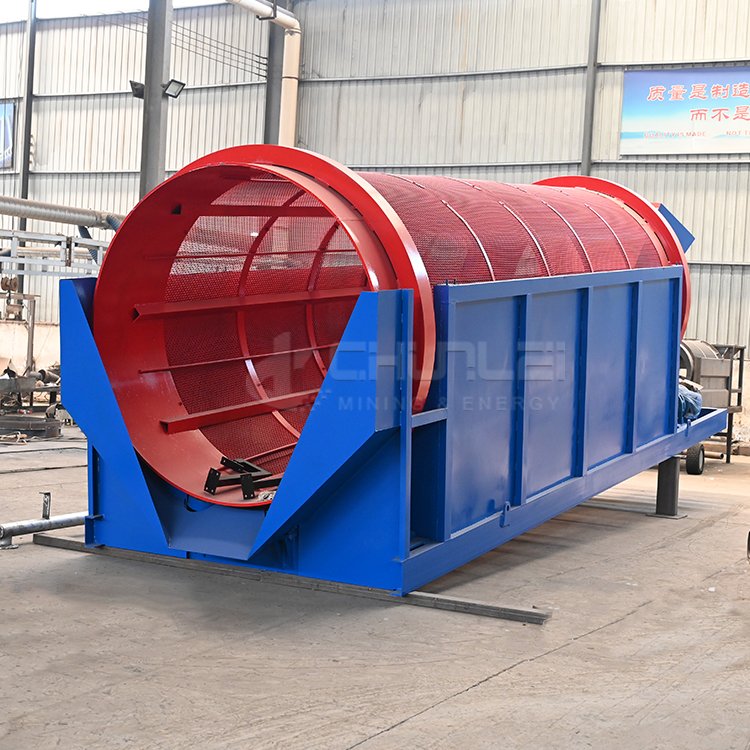
- Drum Washing Machine: Cleans clay and sludge from ore – crucial for placer deposits or ores with high clay content (prevents clogging of gravity separators).
- Vibrating Screen: Classifies ore by particle size – only feeds 5-10 mm ore into the gravity separation stage (overly fine ore is recycled or discarded).
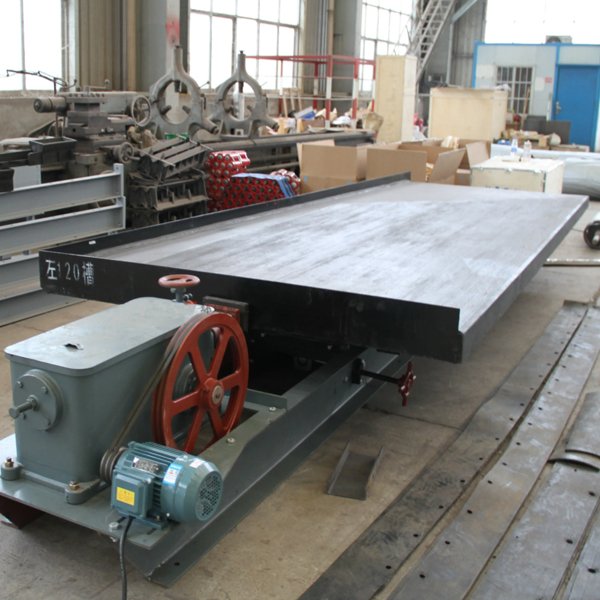
- Shaking Table (Gemini Shaking Table): The core equipment of a gravity separator – vibrates the slurry on a plastic/steel bed with grids. Heavy gold particles settle within the grids; light rocks are flushed into the tailings. Our shaking tables have adjustable vibration speeds (0-300 rpm) to suit different types of ore.
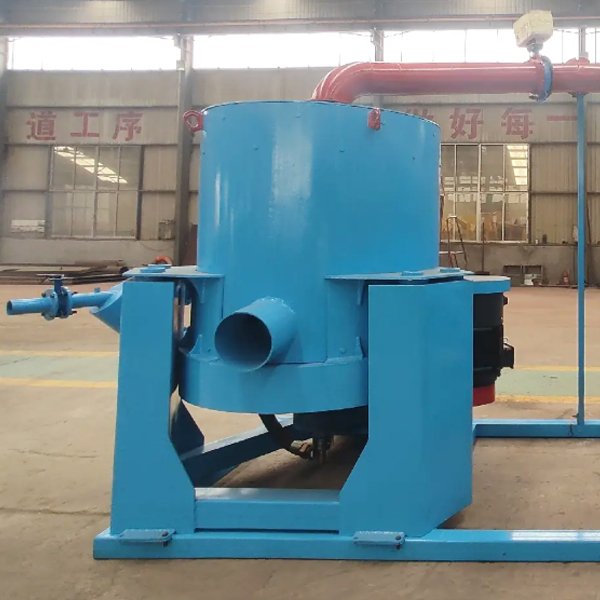
- Centrifugal Concentrator (Nelson/Claude models): Rotates the slurry at 600-1200 rpm—centrifugal force pushes heavy gold particles to the bottom of the concentrator bowl. Ideal for recovering fine gold particles (75-200 microns) missed by shaking tables.
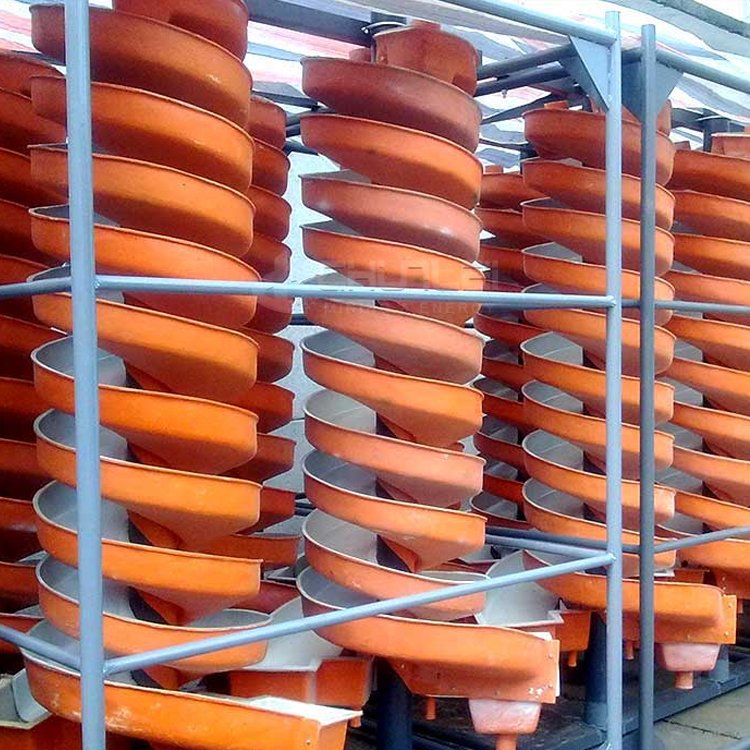
- Spiral Chute: A low-cost, portable device for small mines—uses grids and water flow to capture gold nuggets/coarse gold particles. Suitable for placer gold mining operations.
How to Boost Gold Recovery in Gravity Plants
You improve gravity recovery by optimizing particle size, water flow, and machine settings—even a 5% increase in recovery adds hundreds of thousands of dollars to your annual profit.
- Grind ore to the right size: Crush ore to 5-10mm (not finer). Use a vibrating screen to remove particles smaller than 75 microns (these are too light for gravity to catch).
- Adjust shaking table speed: For coarse gold (1mm+), run tables at 150-200 RPM; for fine gold (75-1000 microns), increase to 250-300 RPM.
- Recycle water: Install a settling tank to reuse 80% of your water—reduces water costs and keeps slurry consistency steady.
- Clean machines daily: Riffles on shaking tables and centrifugal bowls collect dirt—clean them daily to prevent gold from being trapped in waste.
- Add a secondary concentrator: Use a centrifugal concentrator after a shaking table to catch fine gold that would otherwise wash away (adds 10-15% recovery).
Spiral Concentrator, Shaking Table, or Centrifugal Concentrator: Which Gravity Concentrator is Best for Your Gold Processing Plant?
Choosing the optimal gold gravity concentrator depends on your specific processing needs. Whether you’re handling bulk ore, fine-grained ore, or pursuing ultra-high recovery rates, understanding the advantages and limitations of spiral concentrators, shaking tables, and centrifugal concentrators is crucial for optimizing your gold recovery process. Each type of equipment plays a unique role.
- Spiral Chute: Ideal for low-grade, high-volume feeds, efficiently separating heavier materials from lighter ones without any moving parts. It boasts low maintenance and operating costs, making it the preferred choice for initial beneficiation of low-grade gold ores.
- Centrifugal Concentrator: The cutting-edge choice for recovering fine and ultrafine gold. By applying high centrifugal force, this concentrator efficiently extracts the smallest and heaviest particles that traditional methods often miss. Centrifugal concentrators are ideal for high-precision recovery and are essential for fine gold requiring efficient processing.
- Shaking Table: A precision tool for concentrate refining. After initial separation by spiral concentrators or centrifuges, shaking tables further purify the concentrate, ultimately yielding a high-grade product. Besides its beneficiation capabilities, shaking tables also help operators quickly identify problems by visually displaying the mineral separation process.
Why Use Combined Beneficiation?
In many gold mines, combinations of gravity concentrators are widely used to achieve the highest recovery rate at the lowest cost. Spiral chutes handle bulk materials, centrifuges recover fine gold, and shaking tables perform final purification, ensuring optimal concentrate quality. A suitable combination can significantly improve efficiency and profitability.
How Much Does a Gravity Gold Processing Setup Cost?
A basic small-scale gravity plant (5 tons per hour) costs $10,000-$30,000, while a medium-scale plant (20 tons per hour) costs $30,000-$50,000. Prices depend on ore processing capacity, equipment type, and custom design needs.
You save 30% by buying directly from CHUNLEI (China’s leading gravity plant manufacturer)—no middlemen, no hidden fees. Our pricing includes:
- All core equipment (crusher, shaking tables, centrifugal concentrators)
- Electrical control panels (easy to operate—no advanced training needed)
- Water pumps and settling tanks
- Basic spare parts (riffle plates, rubber liners, motor parts)
- Factory testing (we test all equipment before shipping)
Who Installs and Commissions the Gravity Plant?
We offer full EPC (Engineering, Procurement, Construction) turnkey services for gravity plants—our Chinese engineering team flies to your country to install, test, and train your staff.
You don’t need to hire local contractors or guess how to assemble the plant:
- Pre-installation: We send concrete foundation blueprints—your local team pours the foundation while we manufacture the equipment (2-3 months).
- Shipping: All equipment is packed in ocean containers (1-2 containers for small/medium plants) and shipped to your nearest port.
- On-site installation: Our 3-5 person team (mechanical engineers, electricians) flies to your site to assemble the plant (1-2 weeks for small plants, 3-4 weeks for medium plants).
- Commissioning: We test the plant with your ore, adjust machine settings, and train your operators (2-3 days of hands-on training).
- After-sales support: We stay on-site for 1 week after commissioning to fix any issues—and offer 24/7 remote support for 1 year.
Where to Get Reliable Spare Parts for Gravity Equipment?
You must buy spare parts directly from the original manufacturer—fake riffle plates, rubber liners, or motor parts break fast and shut down your plant.
CHUNLEI manufactures all spare parts in our 8,000㎡ factory—we keep the exact blueprints for your plant’s equipment:
- Riffle plates for shaking tables (replace every 6-12 months)
- Rubber liners for centrifugal concentrators (corrosion-resistant)
- Jaw plates for crushers (manganese steel—long-lasting)
- Motor bearings and belts
We include a 1-year supply of spare parts with every plant. When you need more, we ship directly from China (7-10 day delivery to Africa/South America/Asia) via air or sea.
Global Customer Case: Gravity Plant in Ghana (2024)
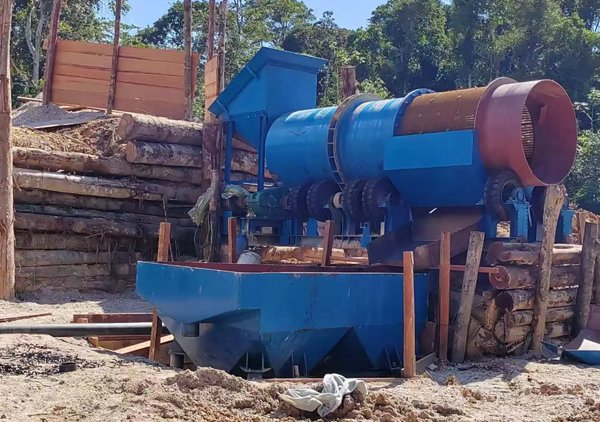
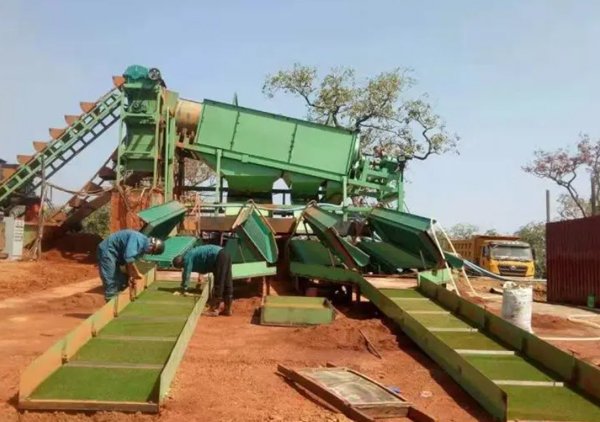
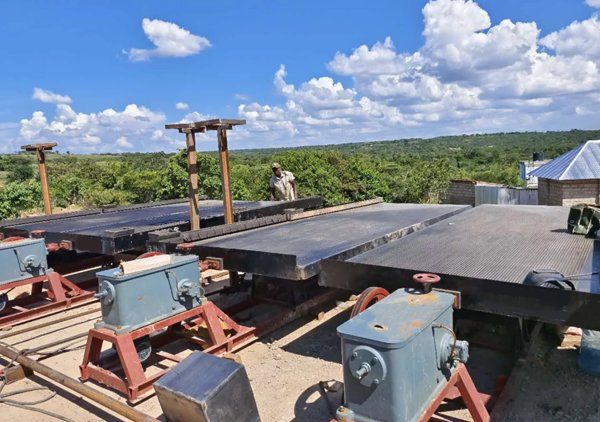
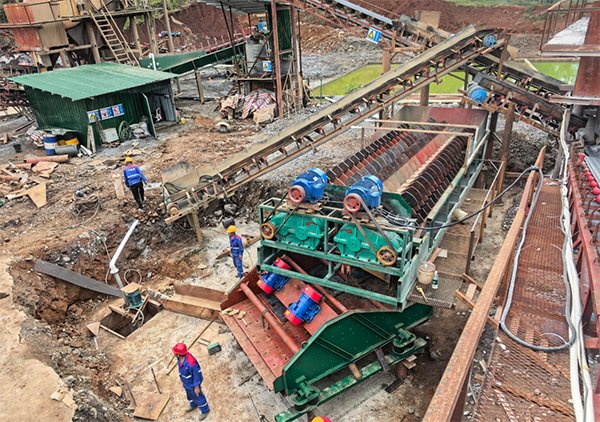
We built a 15-ton/hour gravity gold plant for a client in Ghana with alluvial gold deposits—and solved their biggest problem: losing fine gold in tailings.
Project Details
- Location: Ashanti Region, Ghana
- Ore Type: Alluvial gold (river sand/gravel with 3-5g/t gold grade)
- Processing Capacity: 15 Tons/Hour
- Core Equipment: CHUNLEI Jaw Crusher, Rotary Scrubber, 3x Shaking Tables, 1x Centrifugal Concentrator
- Final Recovery Rate: 91% (up from 65% with their old setup)
The Client’s Challenge
The client used manual sluice boxes to process alluvial gold—but lost 35% of fine gold (75-200 microns) in tailings. Their operation was labor-intensive (10 workers per shift) and inefficient.
Our Solution
We designed a compact gravity plant with:
- A rotary scrubber to wash clay from alluvial sand
- 3 shaking tables for coarse gold (1mm+)
- 1 centrifugal concentrator to catch fine gold (75-1000 microns)
- A water recycling system (reduced water usage by 70%)
The plant cut labor costs (only 2 workers per shift) and boosted recovery to 91%. The client recouped their investment in 6 months.
What to Look for in a Gravity Plant Supplier?
Avoid cheap trading companies with no engineering experience—your gravity plant needs precise design, not just generic machines. Choose a supplier that:
- Tests your ore first: Demands a rock sample for lab testing to confirm gravity separation viability.
- Has in-house engineers: Provides CAD layouts (not hand-drawn sketches) for your plant.
- Manufactures equipment in-house: Can show factory videos/tours of their production line.
- Offers on-site installation: Flies a team to your country to install and commission the plant.
- Has global case studies: Can show photos/videos of operating gravity plants in your region (Africa, South America, Asia).
CHUNLEI has built 200+ gravity gold plants in 30+ countries since 2005—we have real experience with alluvial, placer, and hard-rock gold deposits.
2026 Latest Trends in Gravity Gold Processing
Modern gravity plants in 2026 use smart sensors and automation to boost efficiency—without increasing costs.
Key Innovations for Gravity Plants
- Automated water flow control: Sensors adjust water flow to shaking tables/centrifuges in real time (reduces water waste by 20%).
- Self-cleaning shaking tables: Riffles automatically clean dirt buildup (cuts maintenance time by 50%).
- Portable gravity plants: Compact, skid-mounted plants (5-10 tons/hour) for small mines or mobile operations—easy to move to new mining sites.
- Eco-friendly design: 100% water recycling (no discharge to rivers) and dry tailings stacking (complies with strict environmental laws).
FAQ
Question 1: How much water do I need for a gravity gold plant?
A 10-ton/hour plant needs 100-200 liters per minute (LPM). With our water recycling system, you only need to replace 20% of the water (evaporation/loss)—perfect for remote mines with limited water.
Question 2: Can I run a gravity plant on diesel generators?
Yes! Most gravity equipment uses low power (total 10-30kW for a 20-ton/hour plant). We design plants to run on diesel generators (common in remote mines) or grid electricity.
Question 3: How long does it take to build a gravity plant?
Total time: 3-5 months (2-3 months for manufacturing, 1 month for shipping, 1-2 weeks for installation).
Question 4: What’s the minimum gold grade for a profitable gravity plant?
You can profit from ore with 1g/t gold grade (coarse gold) if you process 10+ tons per hour. Larger plants (50+ tons/hour) are profitable with 0.5g/t gold grade.
Question 5: Is gravity separation environmentally friendly?
Yes! No toxic chemicals (cyanide, flotation reagents) are used. All water is recycled, and tailings are dry-stacked (no risk of chemical leaks into rivers).
Summary and Final Advice
A gravity separation gold processing plant is the cheapest, lowest-risk way to recover coarse, visible, or alluvial gold. To build a profitable plant:
- Test your ore first (mail a sample to our lab) to confirm gravity separation is viable.
- Choose the right equipment (shaking tables for coarse gold, centrifuges for fine gold).
- Buy directly from a manufacturer (CHUNLEI) to save 30% on costs.
- Opt for full EPC services to avoid installation/commissioning mistakes.
Take the first step today: Dig up 20kg of representative ore from your mine and mail it to our laboratory. We’ll provide a free test report and a custom gravity plant design—no obligation, no cost.
Contact CHUNLEI now for a free gravity gold plant consultation!