 Chunlei Mining Machinery
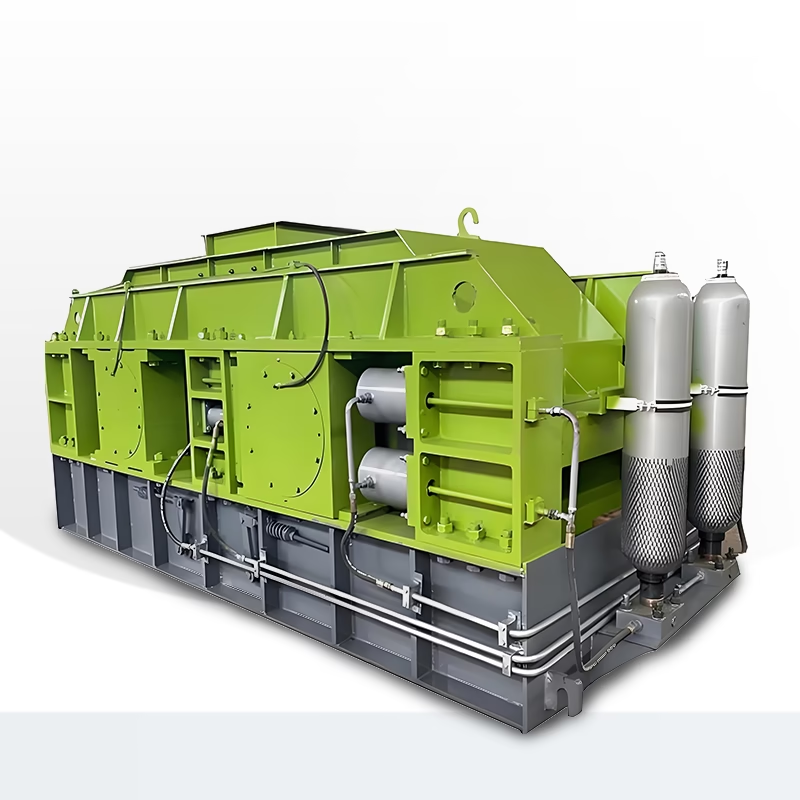
Hydraulic Roll Crusher
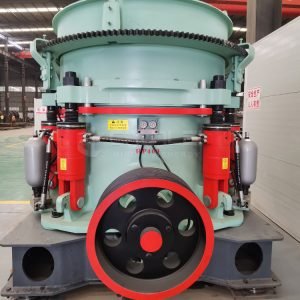
Hydraulic roller crushers (also known as hydraulic double roller crushers) are energy-saving medium and fine crushing core equipment in the fields of mining, sand and gravel plants, building materials and solid waste treatment. They are mainly used for extrusion crushing of medium and low hardness to medium hard materials, high-efficiency sand making, uniform particle shape and low over-crushing rate.
- Feed size: ≤25-100 mm
- Capacity: 5-180 t/h
- Applicable area: medium hard ores and rocks such as river gravel, iron ore, limestone, basalt, quartz, granite in metallurgical industry, cement industry, power sector, construction, phosphate, refractory industry, etc.
What is Hydraulic Roll Crusher?
A hydraulic roller crusher (also known as a hydraulic double-roll crusher) is a double-roll compression-type medium and fine crushing equipment. It is an energy-saving core equipment for medium and fine crushing in mining, sand and gravel plants, building materials, and solid waste treatment industries. It is primarily used for the compression crushing of high-hard to medium-hard materials, efficient sand making, uniform particle shape, and low over-crushing rate. Material falls from the top feed hopper between the two rollers and is subjected to high-pressure compression, shearing, and grinding, processing lumpy materials (≤120mm) into fine aggregate or manufactured sand (0.5–10mm). It is a key piece of equipment in the medium and fine crushing and sand making stages.
Key differences from cone crushers and impact crushers:
- Cone crusher: Medium and fine crushing of hard rock (granite, basalt), layered crushing, suitable for high hardness; cone crusher output particle size 5-50mm, double-roll crusher output <5mm.
- Impact crusher: Shapes soft rock (limestone) with high-speed impact, producing good particle shape but with rapid wear;
- Hydraulic roller crusher: Handles medium to low hardness, brittle, and sticky materials with low-speed, high-pressure extrusion, resulting in low powdering rate, low energy consumption, and wear resistance.
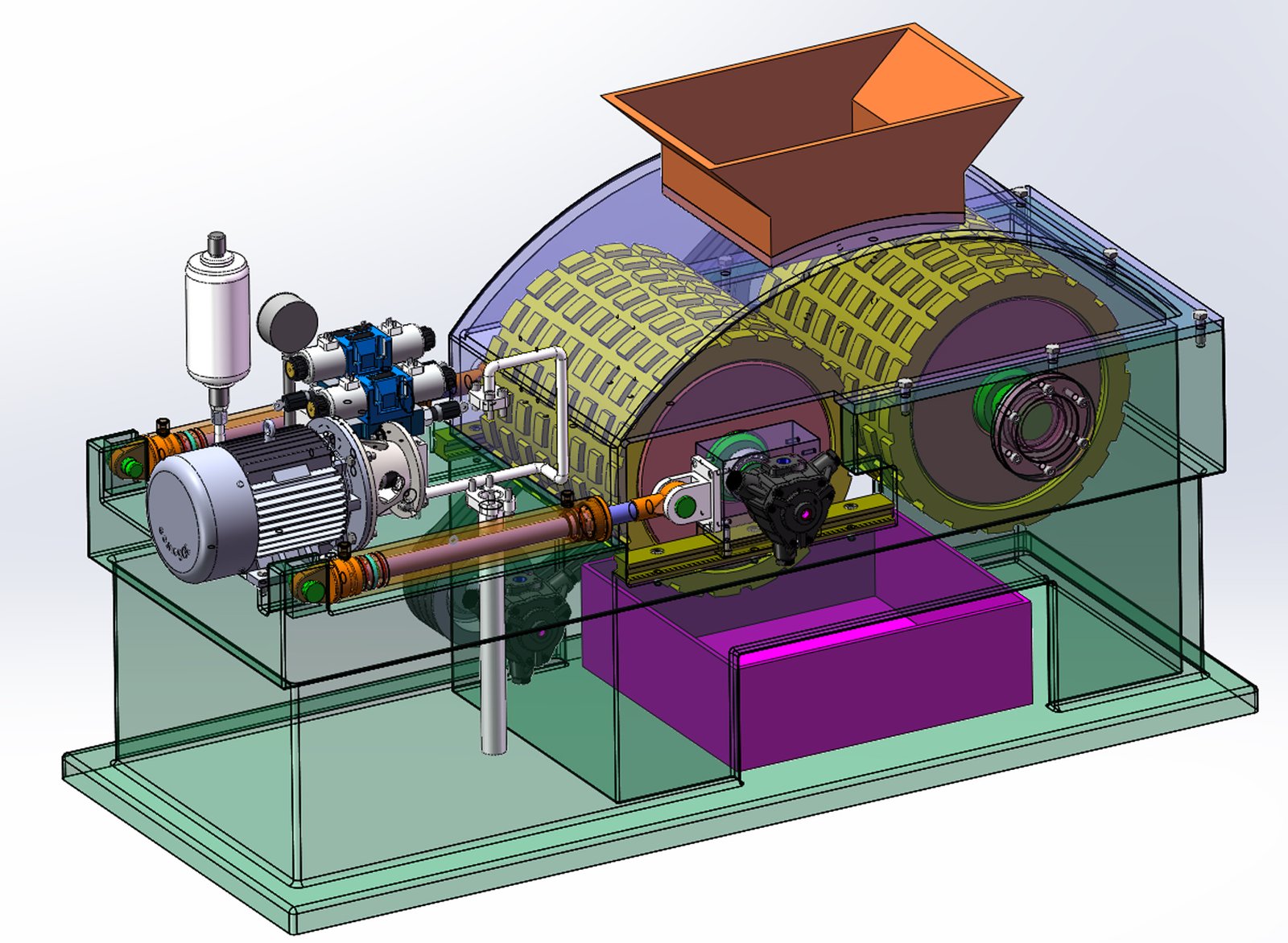
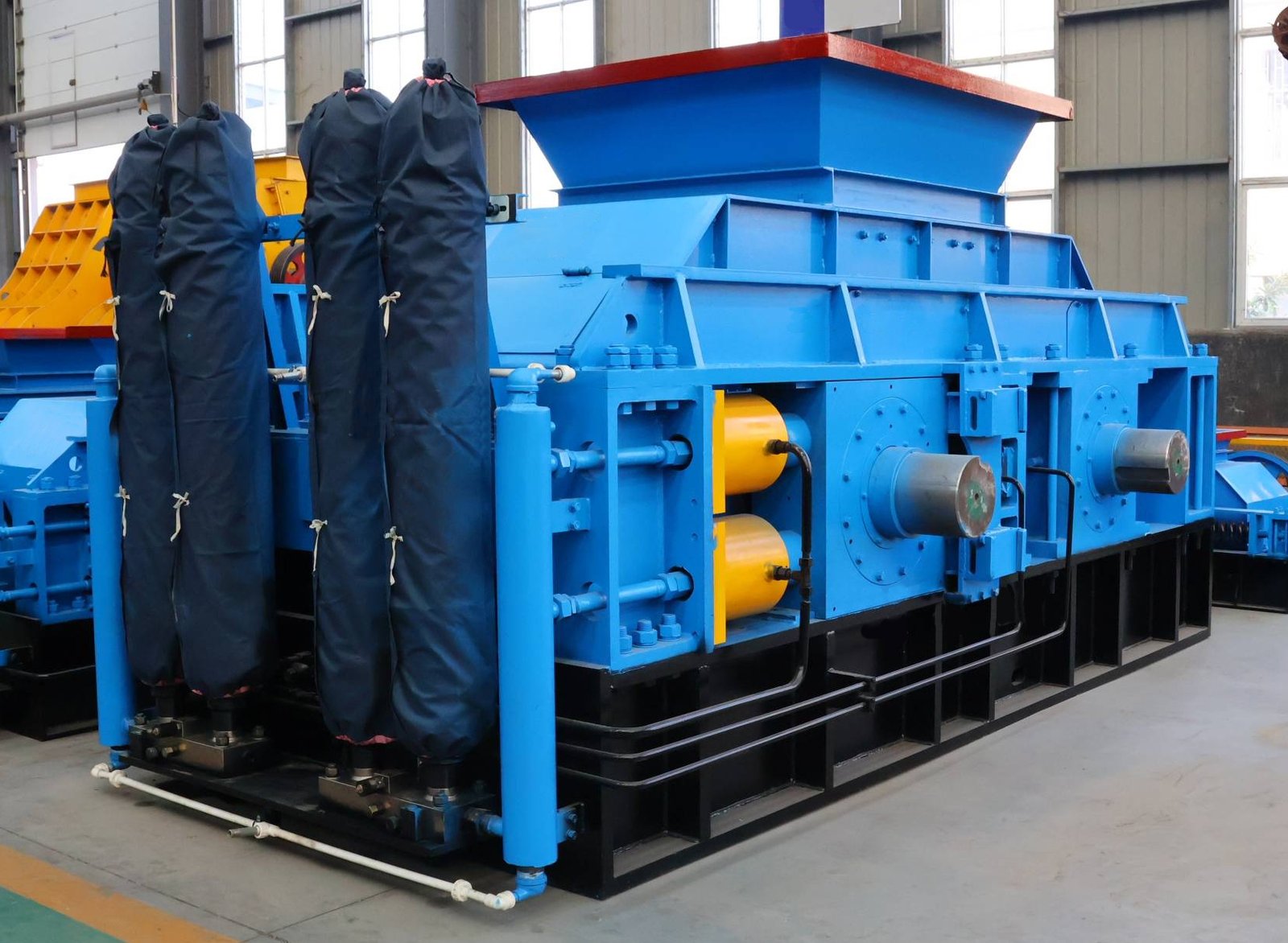
CHUNLEI Hydraulic Roll Crusher Advantages
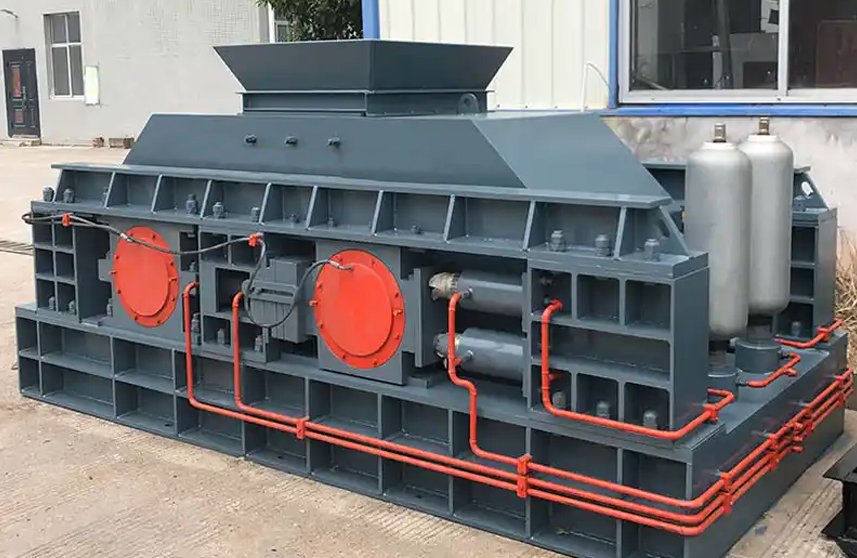
- High-Strength Frame: Our hydraulic roll crushers utilize thick steel plate welded or integrated cast steel structures, ensuring durability, resistance to high-pressure impacts, and minimal deformation. They maintain stable operation even under high-intensity ore crushing conditions.
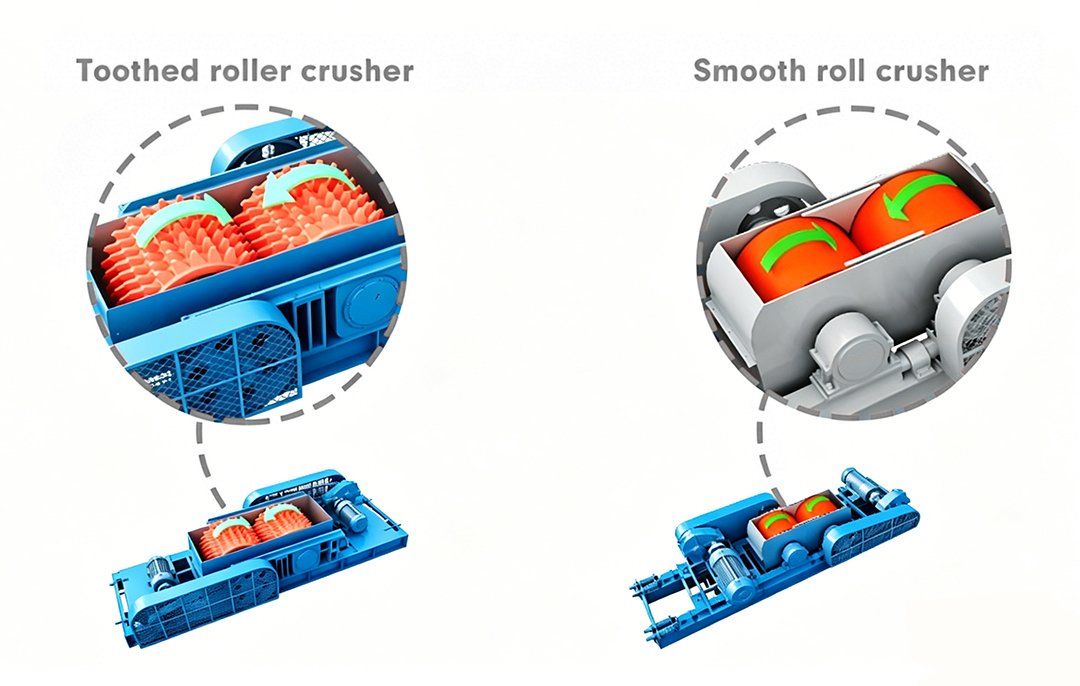
- High-Performance Crushing Rolls: Equipped with high-chromium alloy wear-resistant roller skin (Manganese 18Cr2) and alloy steel roller shafts, the roller surfaces can be selected as toothed or smooth, easily handling various ores and materials. High wear resistance reduces replacement frequency and lowers maintenance costs.
- Intelligent Hydraulic Adjustment: One-button adjustment of the roller gap and automatic overload protection. Actively avoids hard objects and automatically resets, improving production safety and efficiency, making operation easier and safer.
- High-Efficiency Transmission System: Motor + hardened tooth surface reducer + synchronous gears, dual rollers rotate synchronously at low speed, ensuring stable transmission, low noise, and energy efficiency, saving you electricity and operating costs.
- Sealed and Dustproof Design: Labyrinth seals and dustproof plates effectively prevent fine materials from entering the bearings, reducing dust accumulation, extending equipment life, and keeping the workshop clean.
Why Choose Our Hydraulic Roll Crusher?
- Stable and Durable: High-strength frame ensures worry-free long-term operation.
- Intelligent and Safe: Automatic hydraulic adjustment prevents material blockage and overload.
- High Efficiency and Energy Saving: Low-speed synchronous crushing reduces energy consumption.
- Easy Maintenance: Wear-resistant rollers and sealed design reduce maintenance costs.
Contact Us Now! Make your crushing operations more efficient, safer, and more worry-free.
What are the differences between a hydraulic roller crusher and a conventional roller crusher?
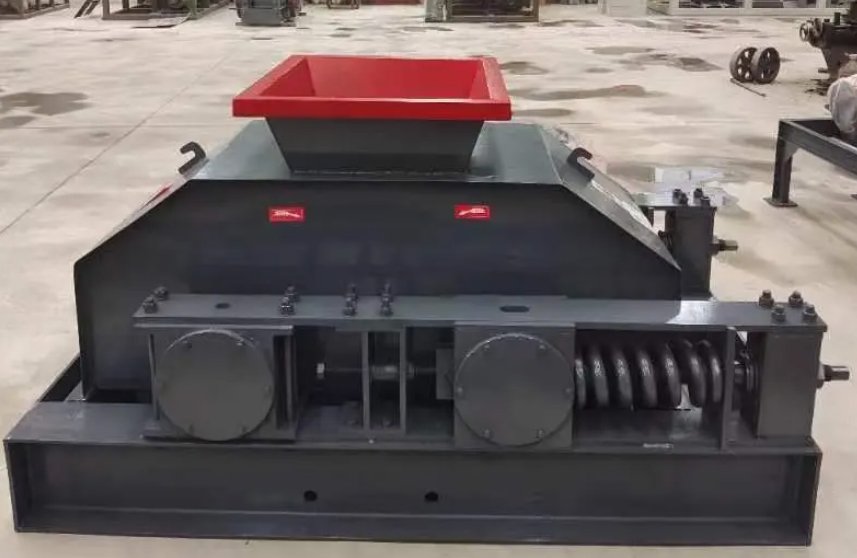
Conventional roller crushers rely on springs and manual adjustment, resulting in weak protection and poor stability. Hydraulic roller crushers rely on intelligent hydraulic adjustment, offering strong protection, stability, durability, and high efficiency.
1. Adjustment Method
- Conventional roller crusher: Relies on springs and manual bolt adjustment, requiring machine shutdown, resulting in low precision and unstable output particle size.
- Hydraulic roller crusher: Fully hydraulic one-button adjustment, no machine shutdown required, high precision, uniform and stable particle size, improving production efficiency.
2. Overload Protection
- Conventional roller crusher: While spring buffering provides protection, it is prone to jamming or shaft breakage when encountering hard objects, affecting production capacity.
- Hydraulic roller crusher: The hydraulic accumulator automatically retracts and resets, preventing equipment damage, resulting in a low failure rate and allowing for 24-hour continuous operation.
3. Stability and Production Capacity
- Conventional roller crusher: Large pressure fluctuations and noticeable vibration, resulting in low and unstable production capacity.
- Hydraulic roller crusher: Constant pressure, smooth operation, high and stable production capacity, and higher production efficiency.
4. Maintenance and Costs
- Ordinary roller crusher: Inexpensive equipment, but wear parts wear out quickly, and labor maintenance costs are high.
- Hydraulic roller crusher: Slightly higher initial investment, but less wear, lower failure rate, and more cost-effective in the long run.
Working Principle: Low-Speed, High-Pressure Extrusion for Stable Fine Crushing
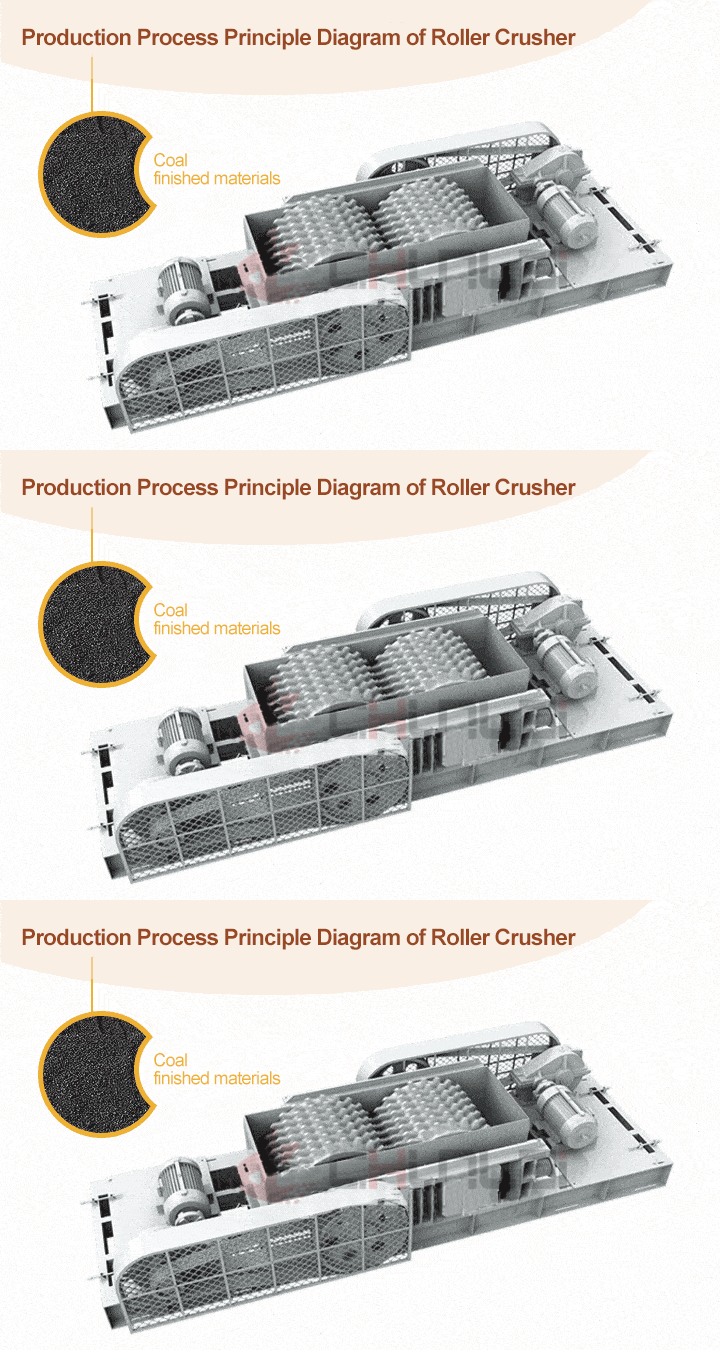
The hydraulic roller crusher employs a continuous cycle of “biting, extrusion, and discharge,” resulting in a stable, efficient, and uniform process.
When material enters the space between the rollers from the feed inlet, the rollers begin to rotate at low speed. The material is squeezed, sheared, and ground between the rollers, creating micro-cracks internally and gradually crushing it to the target particle size. The low speed (15–30 r/min) avoids impact wear, resulting in 12% lower energy consumption compared to an impact crusher. Fine particles (0.5–10 mm) fall through the roller gap and are discharged, while larger particles are carried to the top by the rotating rollers and re-enter the crushing chamber for circulation, ensuring uniform output.
What types of materials are suitable for processing?
Our hydraulic roller crusher is designed for efficient crushing of medium-hard materials, achieving uniform particle size, high stability, and low maintenance costs. It is ideal for mining, construction, and industrial applications.
Applicable materials:
- Minerals: Granite, basalt, limestone, calcite, coal gangue, iron ore, copper ore, and other medium-hard ores.
- Metallurgical and chemical materials: Talc, gypsum, refractory materials, bauxite, and various chemical raw materials.
- Building materials and aggregates: Sandstone, pebbles, crushed stone, bricks, slag, and other building aggregates.
- Special materials: Thanks to the intelligent hydraulic adjustment system, even high-moisture or slightly sticky materials can be easily handled, effectively preventing clogging.

What is the output of a hydraulic roller crusher (tons/hour)?
The output range of a single hydraulic roller crusher is 20–180 tons/hour, varying depending on the model, feed size, output fineness, and material hardness.
Small: 20–60 tons/hour, suitable for small sand and gravel plants and solid waste recycling lines;
Medium: 40–100 tons/hour, suitable for medium-sized aggregate production and construction waste processing;
Large: 80–180 tons/hour, suitable for large sand and gravel plants and cement clinker processing.
Key factors affecting output:
- Material hardness: Higher output for soft materials (limestone), slightly lower output for medium-hard materials (river pebbles);
- Output size: Finer output results in lower output; coarser particle size can increase output;
- Feed size: Oversized feed easily causes blockage and reduced output; the maximum feed size of the crusher must be matched to the model.
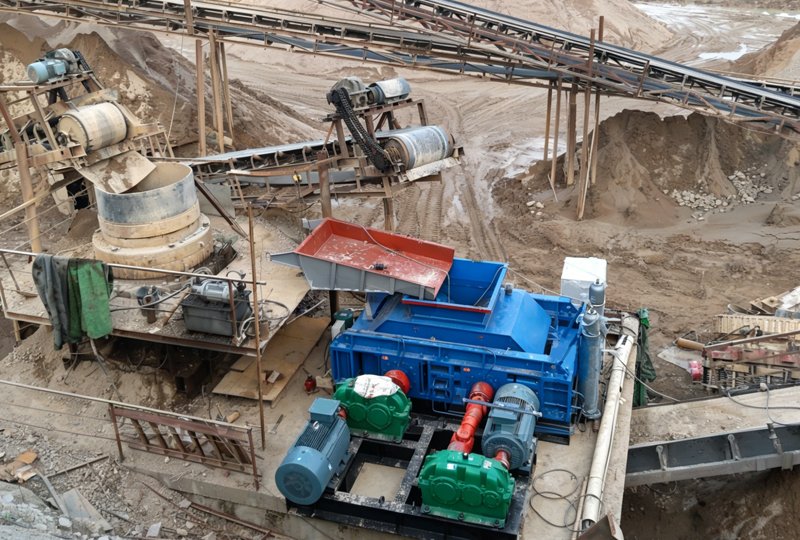
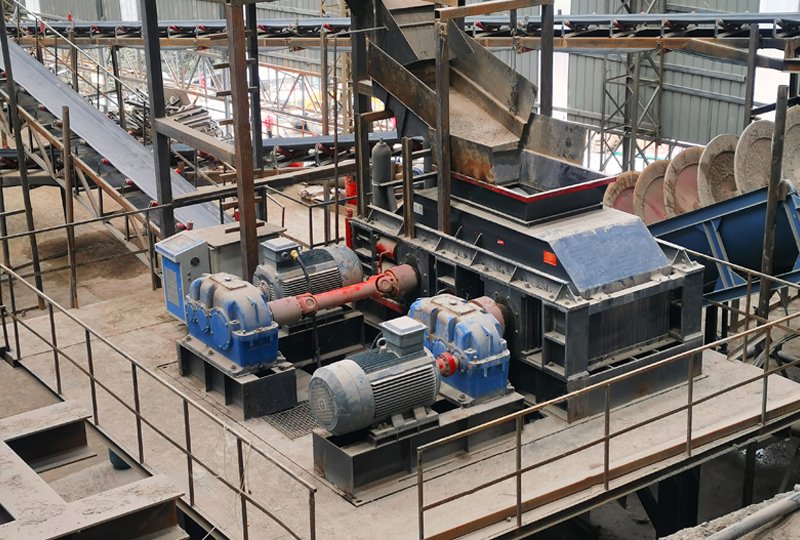
What are the feed and discharge particle sizes for a hydraulic roller crusher?
The maximum feed size for a hydraulic roller crusher is ≤50mm, with a typical stable feed size of ≤30mm; the discharge particle size is adjustable from 0.5 to 10mm, and can produce fine sand, medium sand, or small aggregates as needed.
- Maximum feed: 50mm (recommended ≤30mm to reduce material blockage)
- Standard output: 0.5–5mm fine sand, 5–10mm aggregate
- Adjustment accuracy: Hydraulic gap adjustment can reach ±0.5mm
Methods for controlling output and finished particle size
- Adjusting the roller gap (core): Increasing the roller gap in the hydraulic system → increases output, coarser particle size; decreasing the roller gap → decreases output, finer particle size; accuracy can reach ±0.5mm;
- Selecting roller surface type: Toothed rollers → high output, coarse particle size, strong material gripping; Smooth rollers → low output, fine particle size, good particle shape;
- Controlling the feed speed: Uniform and stable feeding, avoiding sudden changes in speed, preventing material blockage or idling, stabilizing output and particle size;
- Adjusting hydraulic pressure: Increase pressure for hard rock, decrease pressure for soft rock, balance crushing force and wear, extend roller life.
Can a hydraulic roller crusher perform both fine and medium crushing?
Yes, a hydraulic roller crusher can handle both medium and fine crushing in one machine, adapting to different production needs.
- Medium crushing mode: Increase the roller gap, output 5-10mm, high capacity, used for aggregate production;
- Fine crushing mode: Decrease the roller gap, output 0.5-5mm, used for manufactured sand production;
Hydraulic gap adjustment allows for flexible switching without changing parts, one machine covers both medium and fine crushing needs, offering high cost-effectiveness.
What are the advantages of hydraulic roller crushers compared to hammer crushers and jaw crushers?
| Features | Hydraulic Roll Crusher | Hammer Crusher | Jaw Crusher |
|---|---|---|---|
| Output Particle Size | Uniform, stable and adjustable | Highly variable and inconsistent | Coarse output with significant fluctuation |
| Crushing Principle | Low-speed compression crushing | High-speed impact crushing | Compression crushing |
| Energy Consumption | Low | High | Medium to high |
| Continuous Operation | 24-hour non-stop operation | Prone to wear, requiring frequent shutdowns | Prone to jamming, requiring frequent shutdowns |
| Overload Protection | Automatic hydraulic relief system | Weak spring/mechanical protection | Weak spring/mechanical protection |
| Maintenance Cost | Low, with long-lasting wear-resistant rolls | High, due to numerous wear parts | High, due to fast wear rates |
| Applicable Materials | Medium-hard to hard materials, including wet and sticky feed | Medium-soft materials; prone to clogging with wet feed | Large, hard lumps; primarily for coarse crushing |
| Key Advantages | Uniform gradation, energy efficiency, stable and safe operation | Low initial investment, suitable for medium-soft materials | Ideal for large hard rocks, simple structure |
Need detailed parameters, customized solutions, on-site cases, or quotations for hydraulic roller crushers? Feel free to contact us anytime for free technical consultation, production line design, equipment selection advice, and one-on-one answers from our professional engineers!
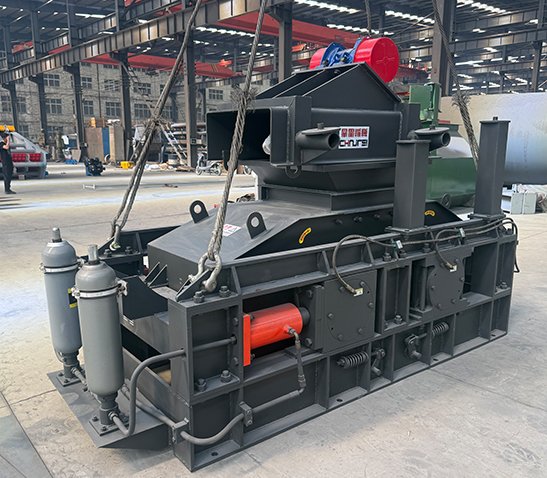
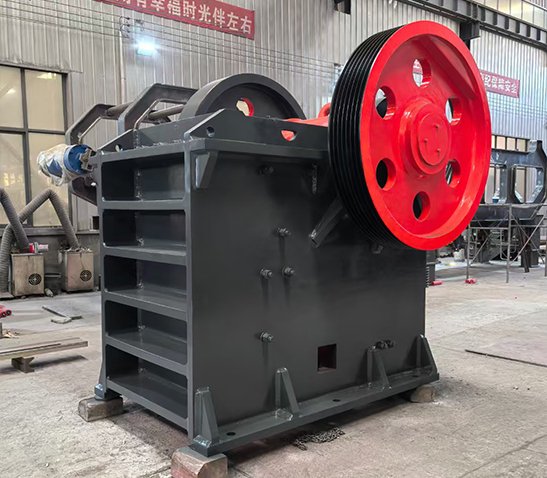
Routine Maintenance Points
Maintenance focuses on inspection, servicing, and parts replacement to reduce malfunctions and extend lifespan:
- Daily Inspection: Check oil temperature, oil level, vibration, abnormal noise, and feed uniformity; clean debris from the feed inlet.
- Weekly Maintenance: Tighten external bolts; check roller wear and seal integrity.
- Monthly Maintenance: Lubricate bearings; calibrate roller gap; clean accumulated material from the crushing chamber; check hydraulic system pressure.
- Regular Parts Replacement: Replace rollers (8–24 months), seals (6–12 months), and bearings (2–3 years). Genuine parts are readily available for replacement.
- Long-Term Protection: Prevent hard objects from entering the chamber; avoid overloading; protect the hydraulic system and extend the overall machine lifespan.
Technical Parameters of Hydraulic Roll Crusher
| Model | Roller Skin Diameter (mm) | Roller Skin Width (mm) | Maximum Feed Particle Size (mm) | Discharge Port Corresponding Theory Processing Capacity (t/h) | Motor Power (kw) | ||
| 5mm | 10mm | 20mm | |||||
| 2PGY0604 | ø 600 | 400 | ≤30 | 8-10 | 10-15 | 10-20 | 2×15 |
| 2PGY0806 | ø 800 | 600 | ≤40 | 15-20 | 18-35 | 25-50 | 2×30 |
| 2PGY1008 | ø 1000 | 800 | ≤40 | 8-33 | 24-98 | 32-130 | 2×55 |
| 2PGY1210 | ø 1200 | 1000 | ≤60 | 12-50 | 37-148 | 49-197 | 2×90 |
| 2PGY1510 | ø 1500 | 1000 | ≤80 | 15-60 | 46-185 | 60-245 | 2×160 |
| 2PGY1810 | ø 1800 | 1000 | ≤100 | 18-75 | 55-220 | 73-295 | 2×250 |
| 2PGY2012 | ø 2000 | 1200 | ≤120 | 25-100 | 73-295 | 97-390 | 2×315 |
FAQ
Q: Can a hydraulic roller crusher be used with a mobile crushing plant?
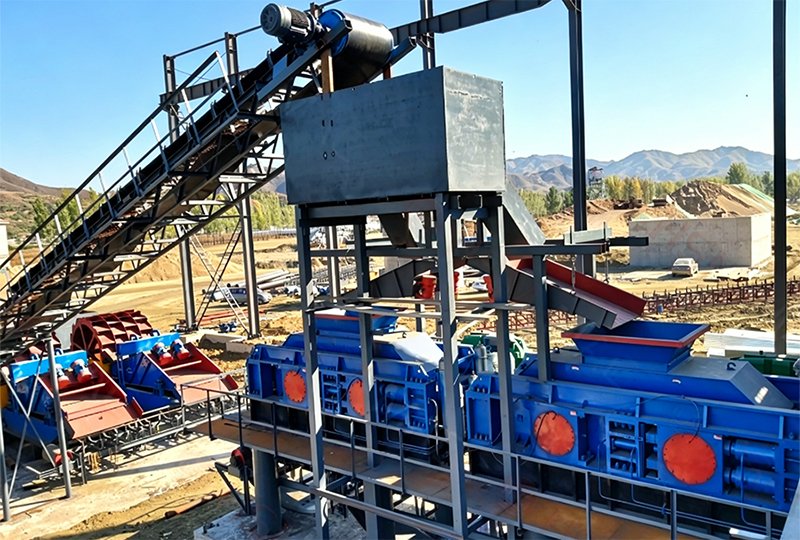
A: Absolutely. Customized tracked/wheeled mobile roller crushers are available, integrating feeding, screening, and conveying. They offer flexible relocation, require no infrastructure, and are suitable for demolition sites and scattered outdoor mines.
Q: Can it be used in a production line with a cone crusher/impact crusher?
A: Yes, classic combinations include:
● Hard rock: Jaw crusher for coarse crushing + Cone crusher for medium and fine crushing + Roller crusher for sand making;
● Soft rock: Jaw crusher for coarse crushing + Roller crusher for medium and fine crushing + Impact crusher for shaping; balancing particle shape, capacity, and cost.
Q: What auxiliary equipment is required?
A: Basic configuration: Feeder, conveyor belt, vibrating screen, magnetic separator, hydraulic oil station; enclosed production lines can be equipped with dust removal equipment to reduce dust pollution.
Q: What is the lifespan of wearing parts? Are they easy to procure?
A: The main wear parts are roller skin and seals: roller skin lasts 15-24 months in soft rock conditions and 8-12 months in medium-hard rock conditions; original parts are universal, easy to replace, and readily available in the market.
Q: Are there any requirements for power supply and site conditions?
A: Industrial power supply is required; a flat and hardened site is sufficient; large models have reserved maintenance space; mobile models have no infrastructure requirements and are highly adaptable.
Related Products —
Small Hammer Crusher
A variety of models are available | Get the free price list! Small hammer crusher is a kind of small hammer crusher, which is mainly used for medium and fine crushing of various materials.Hammer crusher can be used…
Vibrating feeder
Vibrating feeder, also known as vibrating feeder, can provide continuous and uniform feeding for crushing machinery and screening of materials, which is widely used in crushing and screening combined equipment in mineral processing, buil…
CJ European Jaw Crusher
CJ European Jaw crusher is a kind of stone crusher, which is mainly used for primary or secondary crushing of stone materials. The function of jaw crusher is to crush all kinds of stone materials into smaller sizes for transportation. …
Three-shaft horizontal vibrating screen
A variety of models are available | Get the free price list! Three-shaft horizontal vibrating screen also called three-axis horizontal vibrating screen sieve , is a new type of vibrating screen with multi-layer num…
Hydraulic Cone Crusher
Cone Crusher utilize a layered crushing principle, producing well-shaped particles and reducing the generation of needle-like and flaky particles. They are typically used as a secondary or tertiary crushing process. Their characteristics…

loading…
已经是到最后一篇内容了!