Search the whole station Hot Product Catalog
A lime rotary kiln production line is specialized industrial equipment designed to produce quicklime by calcining limestone (calcium carbonate, CaCO₃) at high temperatures (900–1200°C) within a rotary kiln. Characterized by stable operation, high calcination efficiency, and adjustable output, the system is suitable for processing limestone with a calcium carbonate content ranging from 80% to 98%. Through a series of processes—including crushing, preheating, calcination, cooling, and dust removal—it enables the continuous and stable production of quicklime around the clock, effectively transforming low-value limestone into high-profit quicklime.
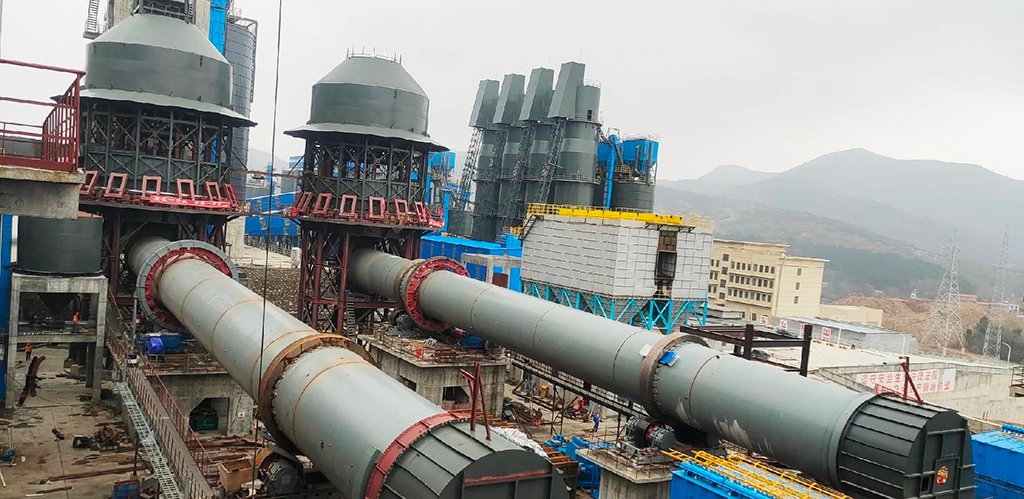
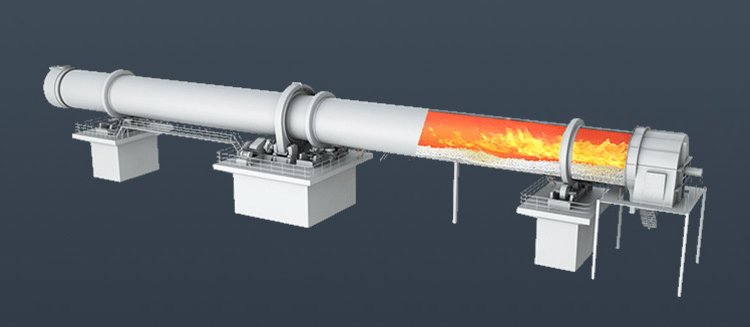
The lime rotary kiln achieves the continuous decomposition of limestone to produce active lime through a combination of cylinder rotation and high-temperature calcination. The equipment is typically installed at an incline; during operation, the kiln cylinder rotates slowly, causing the raw materials to move continuously forward under the influence of gravity and rotation, thereby progressively undergoing the processes of preheating, decomposition, calcination, and cooling.
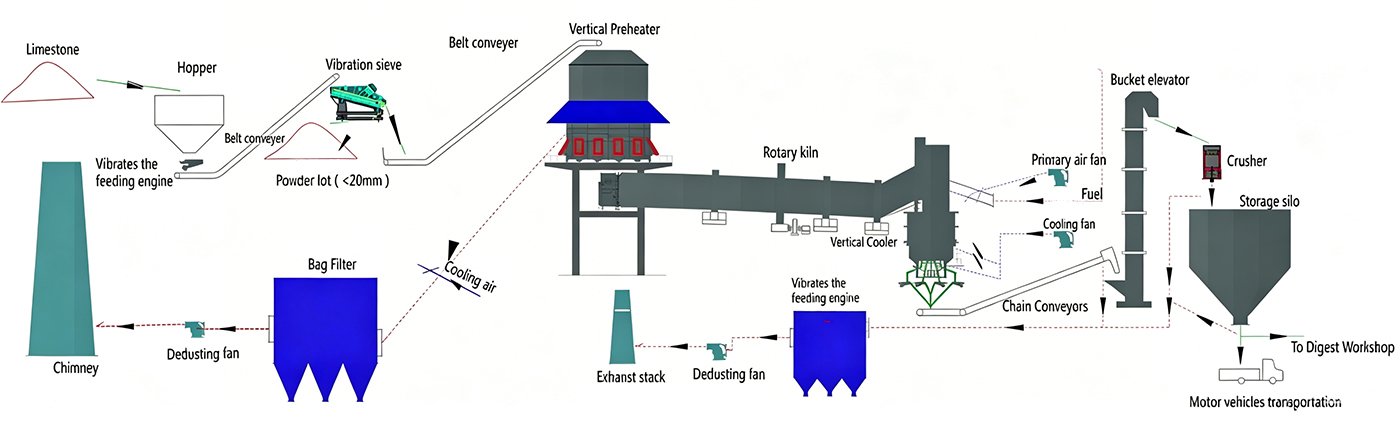
During the production process, limestone enters from the kiln tail and first undergoes heat exchange with high-temperature flue gas before entering the high-temperature calcination zone. In an environment ranging from approximately 1000°C to 1200°C, the calcium carbonate within the limestone begins to decompose, ultimately yielding active lime and carbon dioxide. Upon completion of calcination, the finished product is discharged from the kiln head and enters the cooling system.
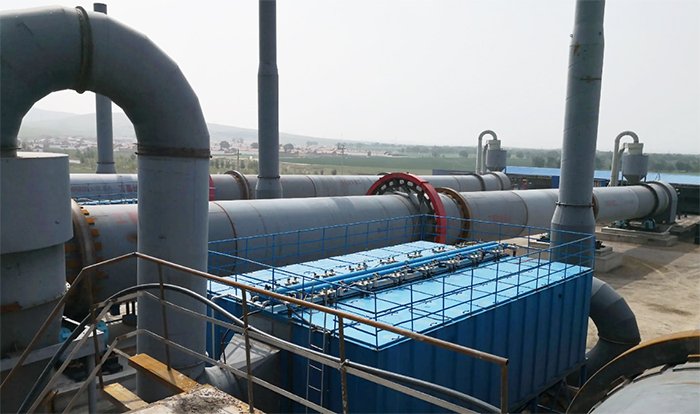
Modern lime rotary kilns are typically equipped with auxiliary components such as preheaters, coolers, and dust removal systems. By recovering waste heat and optimizing combustion, these systems enhance thermal efficiency and reduce energy consumption; consequently, lime rotary kilns are widely utilized across the metallurgy, building materials, chemical, and environmental protection industries.
Lime rotary kilns demonstrate strong adaptability regarding raw materials. While limestone serves as the primary feedstock, these kilns are also compatible with a wide variety of carbonate-based materials and industrial solid wastes:
CHUNLEI lime rotary kiln adopts a proven high-temperature calcination process to continuously and uniformly convert limestone (CaCO₃) into high-activity quicklime (CaO). The entire process consists of four key stages:
Calcination temperature is one of the critical factors influencing the quality of active lime. Proper temperature control enhances lime activity and the quality of the finished product; conversely, temperatures that are either too high or too low can easily compromise the effectiveness of the calcination process.
Modern rotary lime kilns typically employ automated temperature control systems to regulate combustion and airflow in real-time, thereby ensuring the continuous and stable calcination of lime at optimal temperatures.
During the calcination process in a lime rotary kiln, unstable temperature control or non-uniform raw material particle size can easily lead to issues of over-burning or under-burning. Under-burning results in low CaO content and poor reactivity, while over-burning causes the lime to become dense and slow to slake. To ensure consistent calcination quality, control measures typically focus on temperature, combustion, and material feeding.
Improving the thermal efficiency of a rotary kiln can effectively reduce fuel consumption, boost output, and lower production costs. Modern rotary kiln production lines typically achieve more energy-efficient and stable operation by optimizing the combustion system, enhancing thermal insulation, and maximizing waste heat utilization.
Sound thermal design and energy-saving configurations not only enhance rotary kiln production efficiency but also help enterprises achieve greater economic returns.
Improving the quality and reactivity of lime calcination requires optimization across several key areas: temperature control (maintaining a stable temperature of 1000–1050°C in the calcination zone), raw material particle size (utilizing high-purity limestone—CaCO₃ ≥ 90%—while strictly controlling impurities), the combustion system, and operational stability within the kiln.
A stable calcination temperature ensures the complete decomposition of limestone, preventing issues such as over-burning or under-burning, thereby enhancing the quality of the active lime.
Maintaining a uniform feed rate and optimizing the ratio of airflow to fuel also contribute to more uniform heating of the material within the kiln.
Modern rotary lime kilns are typically equipped with automated control systems and waste heat recovery units; these technologies not only boost calcination efficiency but also reduce energy consumption and ensure the consistent quality of the finished product.
When selecting a lime rotary kiln model, a comprehensive assessment is required, taking into account raw material characteristics, production capacity requirements, fuel type, and the specific production process. Rotary kilns of different specifications vary in terms of processing capacity, thermal efficiency, and energy consumption; therefore, selecting the appropriate model is crucial for optimizing future production efficiency and minimizing operating costs.
For large-scale lime production projects, it is highly recommended to engage a professional manufacturer to perform thermal calculations and process design based on actual operating conditions. This ensures the selection of a lime rotary kiln solution that is both stable and highly efficient. Contact CHUNLEI to receive a free model recommendation tailored to your specific production capacity and raw material requirements.
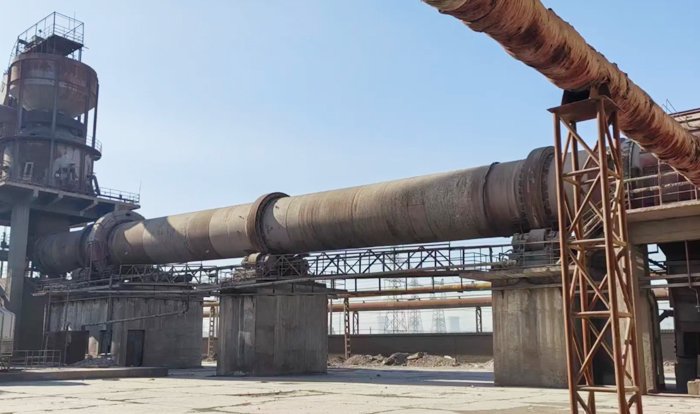
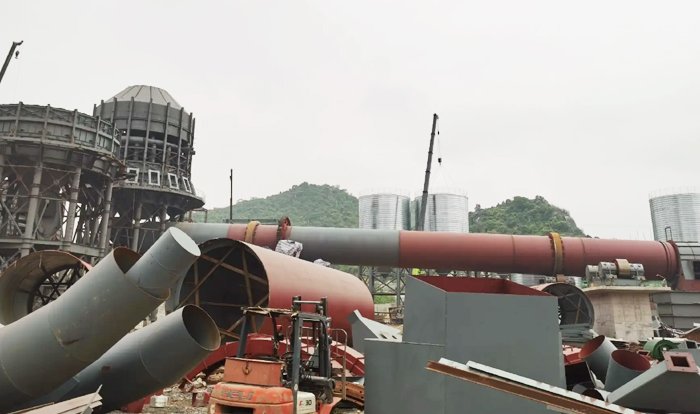
The rotary kiln is the preferred choice for large-scale limestone calcination, offering significant advantages:
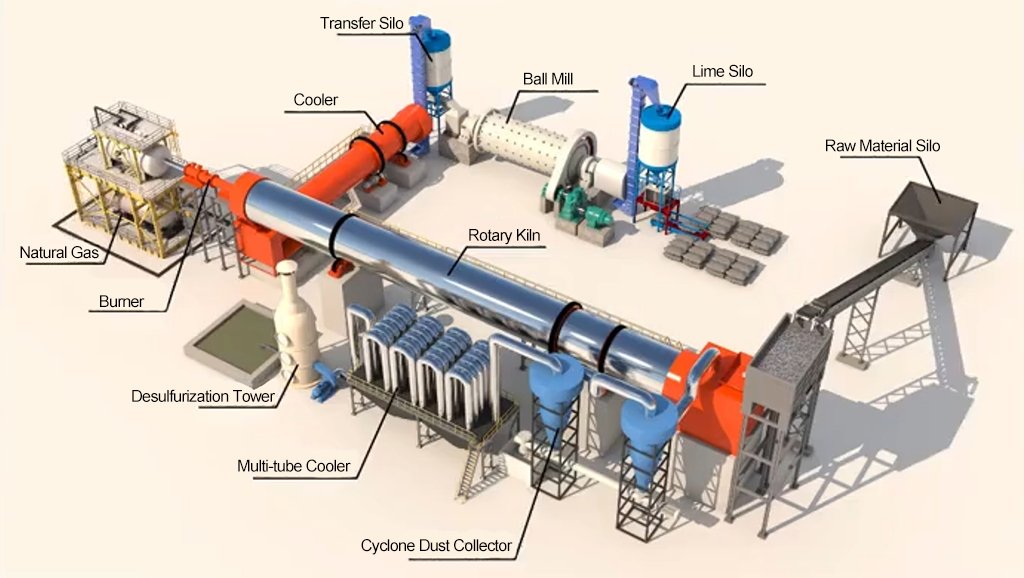
Five core equipment components—streamlined and efficient:
For varying raw materials, production capacities, and operational requirements, lime rotary kilns typically necessitate a customized process design. Given the inherent differences in limestone composition, moisture content, particle size, and fuel types, the direct application of a generic, off-the-shelf solution could compromise thermal efficiency, lime reactivity, and overall production stability.
In actual project implementation, professional manufacturers typically configure appropriate preheaters, coolers, combustion systems, and dust removal equipment—tailoring them to the client’s specific raw material characteristics, daily output targets, energy consumption constraints, and environmental compliance standards—thereby achieving a more stable and highly efficient calcination outcome.
A rationally customized process flow not only enhances lime quality and production efficiency but also reduces long-term operating costs, making it ideally suited for the continuous, long-term operation of modern, large-scale lime production lines.
| Design Capacity (t/d) | Kiln Dimensions | Product | Preheater | Cooler | Fuel | Heat Consumption (KJ/KgC30) | ||
|---|---|---|---|---|---|---|---|---|
| Dimensions(m) | Effective Volume(m²) | Calcination Temperature(℃) | ||||||
| 150 | Φ2.5×40 | 142 | 1350/1250 | Active Lime / Calcined Dolomite | Circular Vertical Preheater | Square Vertical Cooler | Coal Gas / Pulverized Coal | 5300/5000 |
| 200 | Φ2.8×42 | 190 | 1350/1250 | Active Lime / Calcined Dolomite | Circular Vertical Preheater | Square Vertical Cooler | Coal Gas / Pulverized Coal | 5300/5000 |
| 250 | Φ3×46 | 235 | 1350/1250 | Active Lime / Calcined Dolomite | Circular Vertical Preheater | Square Vertical Cooler | Coal Gas / Pulverized Coal | 5300/5000 |
| 300 | Φ3.2×50 | 292 | 1350/1250 | Active Lime / Calcined Dolomite | Circular Vertical Preheater | Square Vertical Cooler | Coal Gas / Pulverized Coal | 5300/5000 |
| 350 | Φ3.5×54 | 390 | 1350 | Active Lime / Calcined Dolomite | Circular Vertical Preheater | Square Vertical Cooler | Coal Gas / Pulverized Coal | 5225 |
| 400 | Φ3.6×56 | 430 | 1350 | Active Lime / Calcined Dolomite | Circular Vertical Preheater | Square Vertical Cooler | Coal Gas / Pulverized Coal | 5225 |
| 500 | Φ3.8×58 | 505 | 1350 | Active Lime / Calcined Dolomite | Circular Vertical Preheater | Square Vertical Cooler | Coal Gas / Pulverized Coal | 5100 |
| 600 | Φ4×60Φ4.2×50 | 575/548 | 1350 | Active Lime / Calcined Dolomite | Circular Vertical Preheater | Square Vertical Cooler | Coal Gas / Pulverized Coal | 5100 |
| 750 | Φ4.3×58 | 670 | 1350 | Active Lime / Calcined Dolomite | Circular Vertical Preheater | Square Vertical Cooler | Coal Gas / Pulverized Coal | 4810 |
| 800 | Φ4.3×64 | 738 | 1350 | Active Lime / Calcined Dolomite | Circular Vertical Preheater | Square Vertical Cooler | Coal Gas / Pulverized Coal | 4810 |
| 1000 | Φ4.8×68 | 1005 | 1350 | Active Lime / Calcined Dolomite | Circular Vertical Preheater | Square Vertical Cooler | Coal Gas / Pulverized Coal | 4810 |
When selecting a supplier for lime rotary kilns, an experienced provider with proven technical stability often offers a far greater guarantee of long-term production profitability than a supplier offering merely low-priced equipment. CHUNLEI is capable of providing optimized thermal designs and comprehensive production line configurations—rather than simply selling standalone equipment—tailored specifically to your raw material type, production output requirements, and on-site conditions.
CHUNLEI offers the following key advantages:
Q: Does a lime rotary kiln require regular maintenance?
A: Yes, it does. Regularly inspecting the support rollers, riding rings, refractory bricks, and lubrication system can effectively extend the service life of the equipment.
Q: Is a lime rotary kiln suitable for raw materials with high moisture content?
A: It can process certain raw materials with high moisture content; however, it is generally recommended to integrate a drying or preheating system to enhance thermal efficiency.
Q: What are the differences between a lime rotary kiln and a vertical kiln?
A: A rotary kiln offers higher thermal efficiency, greater production output, and more stable lime reactivity, making it better suited for modern, large-scale production lines.
Q: Are the environmental protection requirements for a lime rotary kiln strict?
A: Modern lime rotary kilns are typically equipped with dust removal and waste gas treatment systems, enabling them to meet most environmental emission standards.
Q: My limestone has a particle size of 10–40 mm; can it be calcined in a rotary kiln?
A: Absolutely. Our rotary kiln systems utilize a low-pressure-drop vertical preheater, allowing for the direct use of fine-grained limestone with particle sizes ranging from 10 to 50 mm (whereas traditional vertical kilns typically require a particle size of 30–80 mm). This helps you reduce raw material procurement costs.
Q: Is a lime rotary kiln suitable for large-scale production lines?
A: Yes, it is. Modern, advanced rotary kilns are capable of meeting the demands for continuous, high-volume lime calcination.
Q: How can I reduce the operating costs of a lime rotary kiln?
A: By optimizing the combustion system, maximizing waste heat recovery, and enhancing equipment maintenance, you can effectively reduce energy consumption and maintenance costs.
Q: What is the service life of a lime rotary kiln?
A: With proper maintenance, the kiln shell itself can operate continuously for an extended period; however, the refractory materials and wear parts require periodic replacement.
Q: Do you have any overseas installation case studies? Can you dispatch personnel to supervise the installation?
A: Yes, we do. We have successfully supplied complete production lines to clients in countries such as Russia, Kazakhstan, Indonesia, and Nigeria. We will dispatch a team of 2–3 engineers to your site to supervise the installation, conduct commissioning, and train your workforce until the production line is operating stably and producing qualified lime.
 Chunlei Mining Machinery