Search the whole station Hot Product Catalog
Magnetic separators are highly efficient separation devices widely used in mineral processing. They utilize magnetic fields to precisely separate magnetic particles from non-magnetic materials, meeting the needs of various mineral processing techniques.
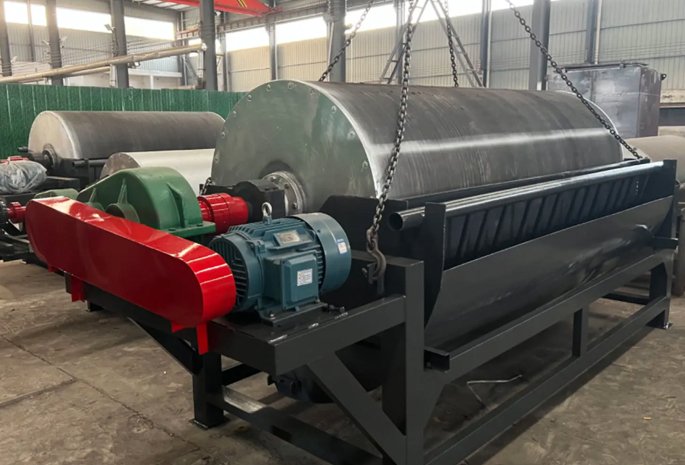
A magnetic separator is a specialized mineral processing device that uses magnetic force to separate magnetic minerals from non-magnetic waste rock (gangue). It generates a magnetic field through a magnetic system, attracting magnetic particles such as iron ore and iron powder, while non-magnetic materials continue to flow, thus achieving separation. It is a key piece of equipment for improving ore grade, reducing waste, and increasing the efficiency of subsequent processes such as ball milling and flotation. Magnetic separators are widely used in mining, waste metal recycling, coal, chemical, building materials, and environmental protection industries, characterized by high separation efficiency, stable operation, and a high degree of automation.
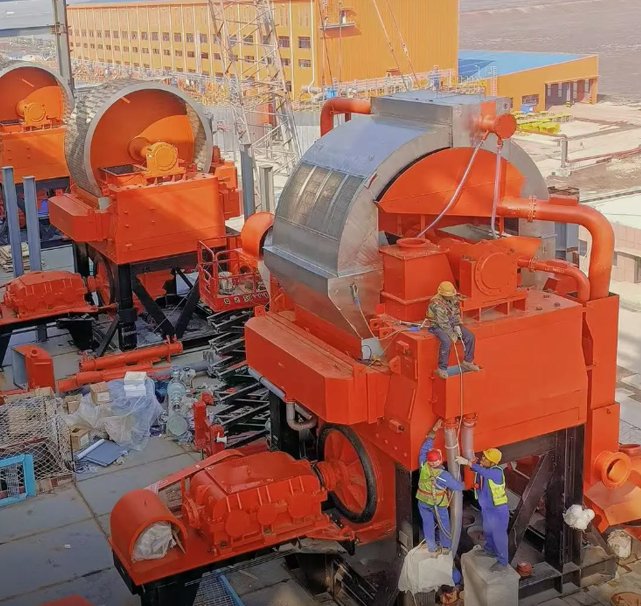
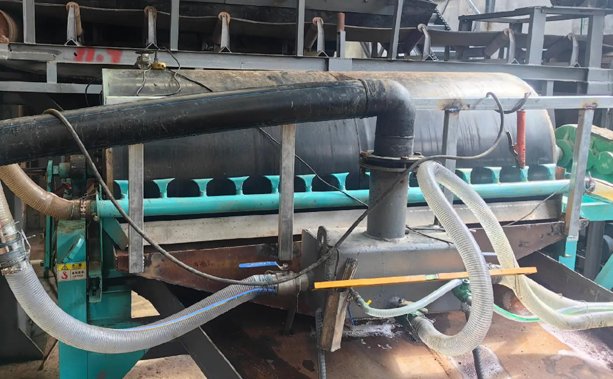
Structurally, a magnetic separator consists of a high-strength frame, a rotating drum (or belt), and a high-intensity magnetic system. Raw ore crushed to a suitable particle size is fed onto the moving surface. Magnetic particles are attracted by the drum/belt and carried away from non-magnetic materials, ultimately being discharged separately through the distribution trough.
Our products are manufactured using thickened steel plates and wear-resistant, corrosion-resistant components, capable of withstanding highly abrasive ores and extreme environments, which is especially important for remote mines where downtime costs are extremely high.
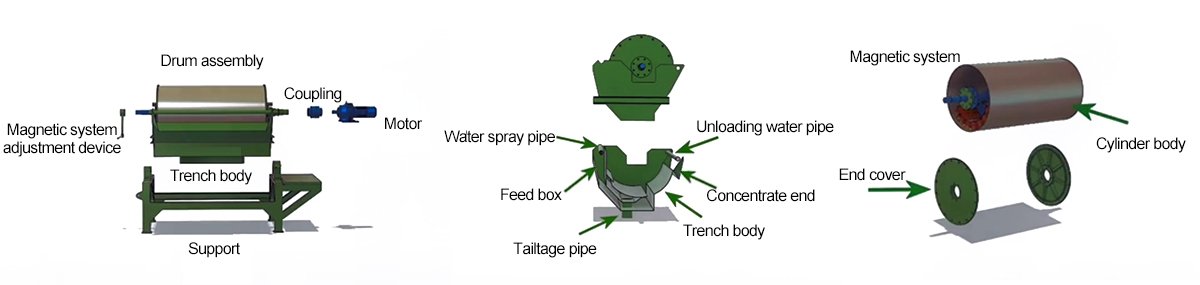
Understanding the core components of a magnetic separator ensures you maintain peak performance and avoid costly breakdowns. Each part is designed to work in harmony to maximize mineral recovery.
| Machine Part | What It Is | What It Does | Why It Matters to You |
|---|---|---|---|
| Magnetic Drum/Belt | Rotating steel drum (or rubber belt) with embedded magnets | Attracts and transports magnetic mineral particles | High-quality drums resist wear and maintain magnetic strength for years. |
| Magnet Assembly | Permanent rare-earth magnets (neodymium) or electromagnets | Generates the magnetic field to separate minerals | Strong magnets mean higher recovery rates of valuable metals. |
| Feed Hopper & Chute | Steel hopper with adjustable flow gates | Controls the speed and distribution of ore feed | Even feeding prevents clogs and ensures consistent separation. |
| Steel Frame & Bearings | Welded steel structure with heavy-duty bearings | Supports the rotating components and absorbs vibration | Sturdy frames prevent misalignment and extend machine life. |
To ensure that the magnetic separator maintains stable and efficient sorting performance over the long term, routine maintenance and calibration of operating parameters are essential.
Real Example: In actual mining production, inadequate maintenance often directly impacts recovery rates. A certain iron ore company experienced a decrease in iron ore recovery rate by approximately 15% due to long-term neglect of cleaning the magnetic separator drum, resulting in clay and waste rock accumulation and reduced magnetic adsorption capacity. After approximately two hours of cleaning and equipment calibration, production indicators returned to normal. This demonstrates that regular maintenance not only improves magnetic separation efficiency but also effectively reduces ore loss, lowers operating costs, and enhances overall beneficiation production efficiency.
Magnetic separators separate materials based on their magnetic differences. When materials enter the separator, magnetic particles are adsorbed onto the magnetic drum or magnetic system surface and carried to a designated area where they detach and are collected. Non-magnetic materials are discharged directly under gravity, centrifugal force, or water flow. The type of magnetic field (permanent magnet/electromagnetic) and its strength determine the types of minerals that can be separated.
In actual operation, a magnetic separator typically consists of a feeding device, magnetic system, drum, trough, and transmission system. The equipment can employ dry or wet separation methods depending on the material properties, and mineral separation efficiency and concentrate purity can be improved by adjusting the magnetic field strength, drum speed, and feed rate. Due to its high separation efficiency, low energy consumption, and stable operation, magnetic separators are widely used in iron ore beneficiation, metal recycling, coal, building materials, and environmental protection industries.
Our engineers will calculate the optimal drum speed and magnetic field strength based on your ore type—too fast will result in insufficient adsorption, while too slow will reduce output.
Wet magnetic separators are used for separating fine-grained ore slurries (after grinding); dry magnetic separators are used for separating coarse-grained dry ores. The choice of separator directly affects recovery rate and operating costs.
Wet magnetic separators handle water-containing slurries, resulting in good suspension of fine minerals, cleaner separation, and less dust. They are suitable for removing impurities from iron ore, manganese ore, and gold ore.
Dry magnetic separators handle dry, crushed ores (1–10mm) and are mostly used for purifying coarse-grained iron ore and removing iron from building materials, but require a dust removal system.
As a professional magnetic separator manufacturer, we provide precise selection based on your ore particle size, moisture content, and final product requirements.
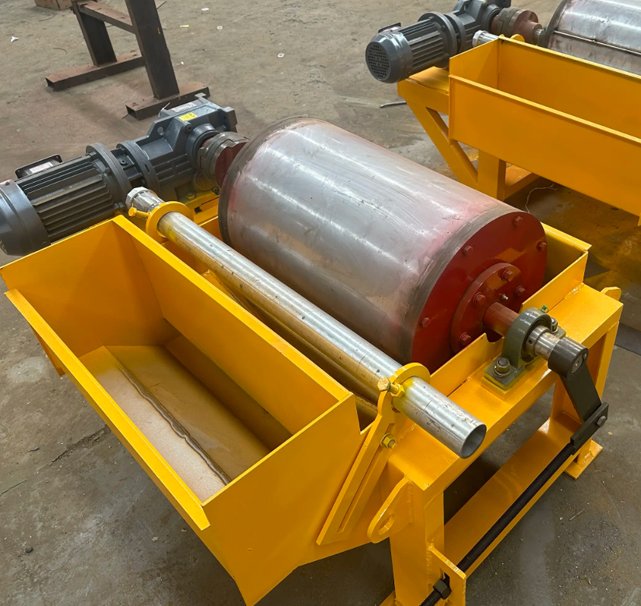
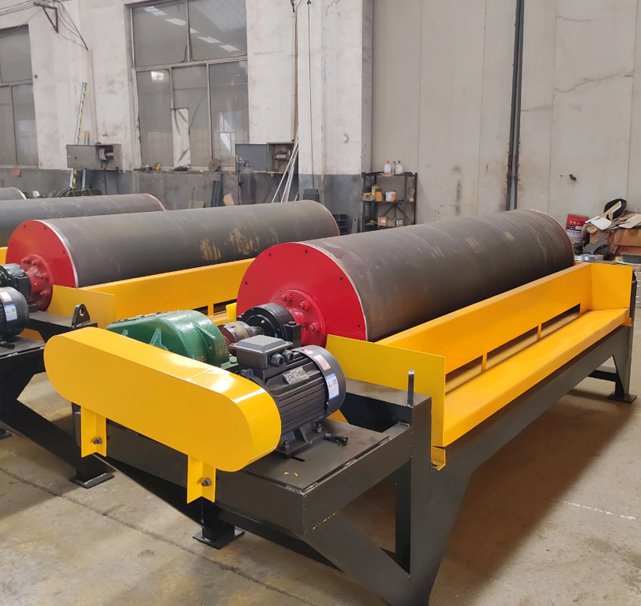
Magnetic separators are suitable for separating and removing iron from various metallic and non-metallic ores, covering different magnetic strengths and operating conditions:
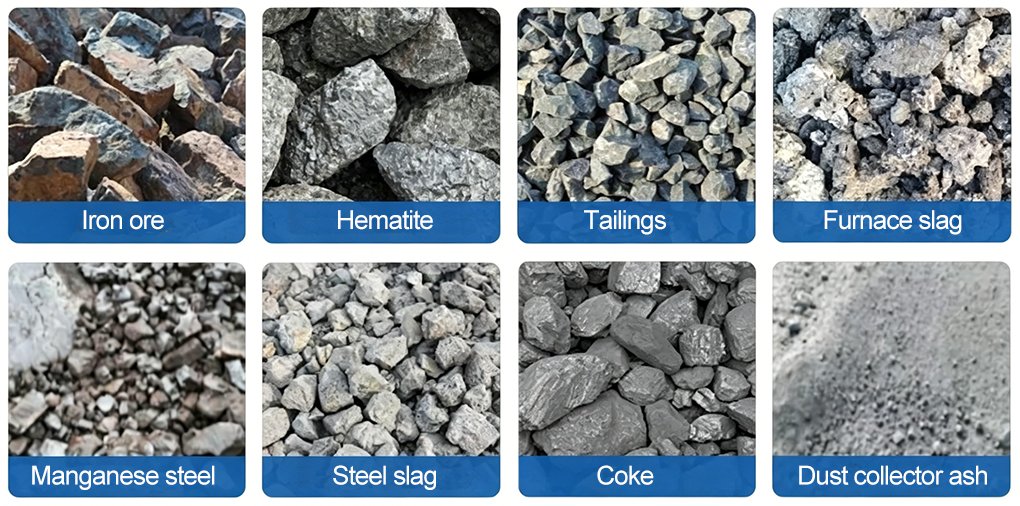
Provide your ore analysis report and particle size parameters, and we can match the following for you:
To achieve better sorting efficiency and operational stability.
Low recovery rates are usually caused by improper parameter settings, rather than problems with the equipment itself. Optimizing the following three variables is the most direct way to improve recovery rates without adding new equipment.
1. Control Particle Size (Grinding Factor)
2. Select the Appropriate Magnetic Field Strength Based on Ore Type
3. Ensure a stable and uniform feed rate.
Fluctuations in the feed rate (from heavy to light) can lead to unstable separation layers and frequent losses. Vibrating feeders or variable speed belt feeders help maintain a stable feed rate.
Obtain accurate ore testing results. General data is for reference only. To determine the precise particle size and magnetization of your specific ore, we offer free mineral sample testing for eligible customers. This laboratory-scale testing will provide recovery curves and recommended parameters.
Choose a magnetic separator size based on your hourly ore processing target and particle size. Incorrect sizing leads to low throughput or wasted energy.
We offer a full range of models with roller diameters ranging from 300mm to 2000mm. Selection criteria:
Do not buy an oversized separator for a small plant—you’ll waste electricity and floor space. Do not buy an undersized unit for high throughput—you’ll create bottlenecks. Our team calculates the exact drum size, motor power, and magnet configuration for your plant, ensuring you only pay for what you need.
Extend machine life by using wear-resistant components, regular magnet testing, and scheduled bearing maintenance. The magnet assembly and drum are the most critical (and expensive) parts to protect.
Choosing the right supplier is as important as choosing the right machine—poor supplier support leads to unplanned downtime and lost revenue. You need a partner with manufacturing expertise and global service capabilities.
We meet all these criteria. We have exported magnetic separators to over 50+ countries, with local spare parts warehouses in South Africa, Australia, and Brazil. We provide 24/7 remote support for urgent issues.
We are a direct manufacturer of mineral processing equipment with 20+ years of experience (founded 2004) and an 8,000㎡ production facility. We design, weld, and test every magnetic separator in-house, with 15 senior engineers overseeing quality control.
Our core advantage is our one-stop service: we don’t just sell separators—we design your entire mineral processing flow (from crushing to separation to dewatering). We manufacture jaw crushers, ball mills, and flotation cells, so you get all equipment from a single source. We offer free ore testing, custom plant layout design, and lifelong spare parts support. Our separators are built to ISO 9001 standards and come with a 2-year warranty (1-year for wear parts).
Contact our technical sales team today for a free ore testing report, customized separator quote, and plant layout design.
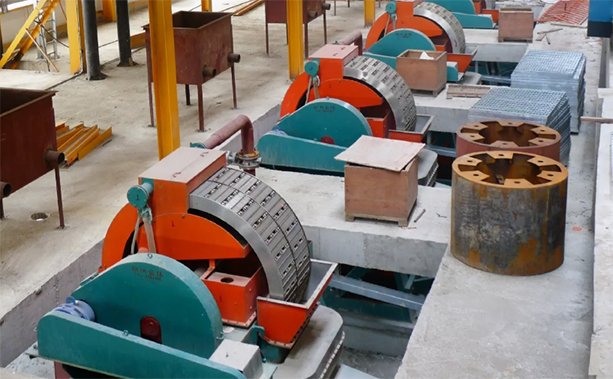
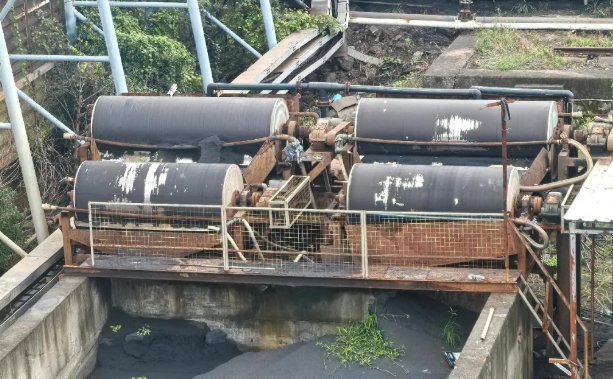
2026 magnetic separator technology focuses on smart automation, high-efficiency rare-earth magnets, and energy-saving designs. Mining companies demand machines that reduce labor costs and improve sustainability.
Large mining operators now require real-time data tracking—our smart separators integrate with cloud platforms, allowing you to monitor recovery rates, magnet strength, and motor temperature from your phone or computer. We can retrofit existing separators with smart controls to upgrade your plant without full replacement.
Question 1: What type of magnet is better for my plant—permanent or electromagnet?
Permanent magnets (neodymium/ferrite) are ideal for stable ore types and low operating costs (no electricity for magnets). Electromagnets are better for variable ore grades (adjustable field strength) and weak magnetic minerals like hematite. We test your ore to recommend the best option.
Question 2: How often do I need to replace the magnet assembly?
Permanent magnets last 5-10 years (depending on ore abrasiveness). Electromagnet coils need replacement every 3-5 years if maintained properly. We offer magnet recharging services for permanent magnets to extend life.
Question 3: Can I use a magnetic separator for gold ore processing?
Yes—while gold is non-magnetic, magnetic separators remove magnetic gangue (e.g., iron pyrite) from gold ore, improving the efficiency of downstream cyanidation or flotation processes.
Question 4: Do you provide on-site training for my workers?
Yes. Our technicians train your team on operation, calibration, and basic maintenance (e.g., lubrication, drum cleaning) during installation. We also provide printed and video training materials in your local language.
Selecting the right magnetic separator requires understanding your ore type, particle size, and recovery goals. A high-quality separator boosts ore grade, reduces waste, and lowers operational costs—critical for profitable mineral processing. Prioritize regular maintenance (magnet testing, drum cleaning) and choose a supplier with in-house manufacturing and global support.
Take action today to improve your plant’s efficiency:
A well-chosen magnetic separator is an investment that pays for itself in higher mineral recovery and lower waste costs. Contact us for free trials + customized solutions + quotes.
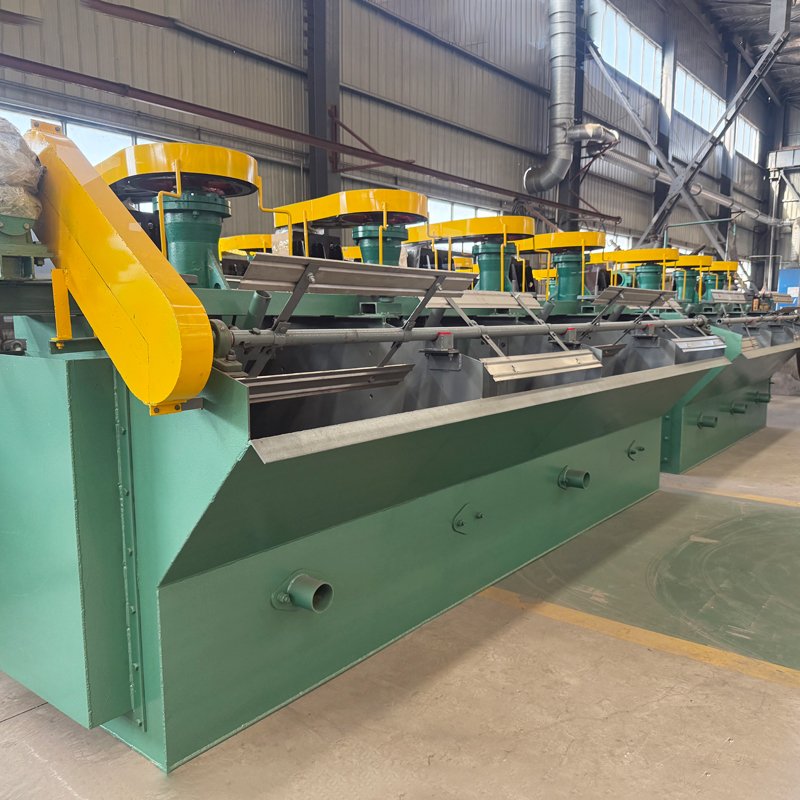
Flotation machine is a self-absorbing, self-absorbing pulp type mechanical agitation flotation equipment.It is widely used in the flotation operation of nonferrous metals, black metals and nonmetals. Flotation m…
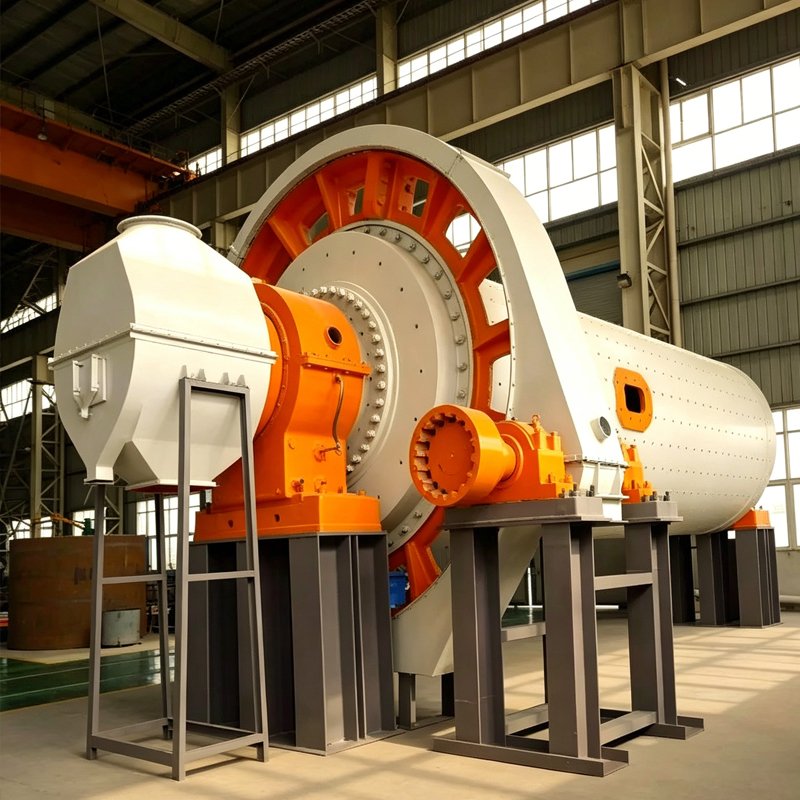
Ball Mill in Cement Industry offer capacities ranging from 10 to 500 tons per hour, capable of grinding raw materials—such as cement clinker, slag, gypsum, and limestone—into finished cement products that meet specific fineness requirements. T…
The shaftless tumbler screen is a classification device that operates by rotating a cylindrical drum without a central shaft; the drum is supported by rubber wheels, eliminating the need for a central drive shaft or …
BLL spiral chute, also known as spiral chute separator, is a heavy separation equipment that utilizes the inertial centrifugal force generated by the slurry in the spiral rotary motion to realize the separation of light and heavy minerals. …
Jigging separator is a heavy separation equipment that utilizes the different settling speeds of minerals in the vertical alternating water flow to achieve the separation of light and heavy minerals. Jigging Separator…
loading…
已经是到最后一篇内容了!
 Chunlei Mining Machinery