Search the whole station Hot Product Catalog
The cement rotary kiln is the core thermal processing equipment within a cement production line, primarily used to calcine raw cement meal into clinker. Because the equipment is installed at an incline and operates through continuous rotation, it is also referred to simply as a “rotary kiln.”
As the kiln shell rotates at a low speed, it facilitates the entire process—including preheating, decomposition, calcination, and cooling—of the raw meal at high temperatures ranging from 1300°C to 1450°C; consequently, it serves as the standard core equipment for medium-to-large-scale cement plants. It is also widely utilized across various industries, such as metallurgy, chemicals, and environmental protection.
Characterized by its high processing capacity, superior thermal efficiency, and stable operation, the cement rotary kiln has established itself as a critical piece of equipment in large-scale industrial calcination production.
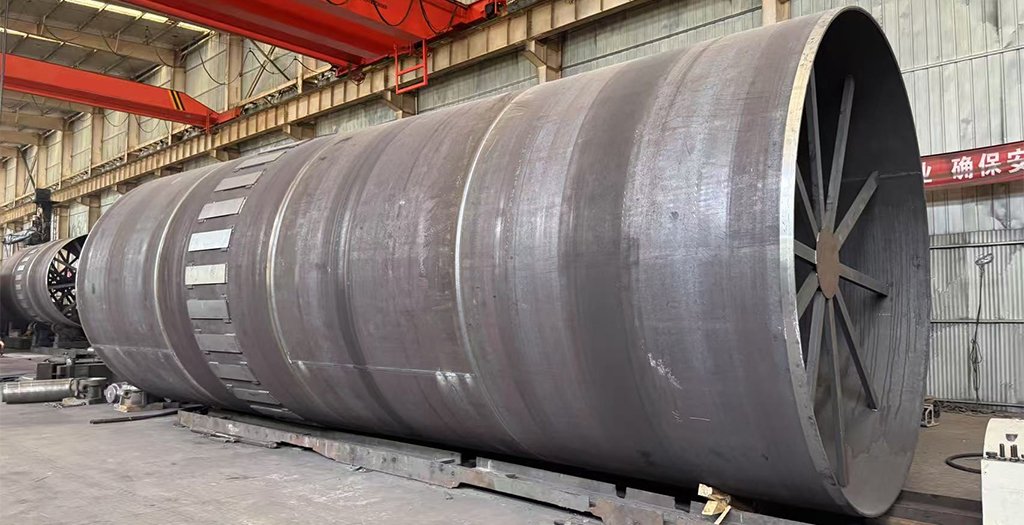
Based on the raw material preparation process, cement rotary kilns are broadly categorized into two main types: wet-process rotary kilns and dry-process rotary kilns. Wet-process kilns process raw materials in the form of a water-containing slurry; consequently, they feature long kiln bodies and high thermal consumption. Dry-process kilns (specifically the “New Dry Process”) are equipped with preheaters and decomposition furnaces, offering low thermal consumption, high production capacity, and superior environmental performance; as such, they represent the dominant standard in modern cement manufacturing.
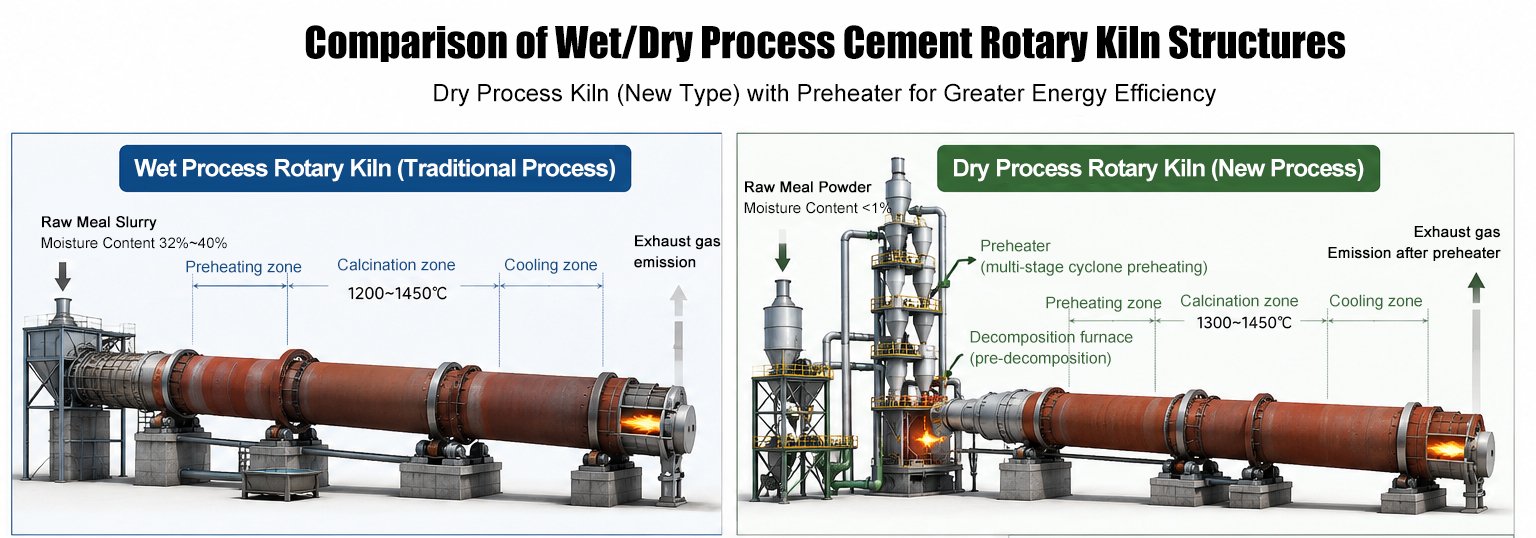
| Comparison Criteria | Wet-Process Rotary Kiln | Dry-Process Rotary Kiln (New Dry Process) |
| Raw Meal Form | Slurry; Moisture Content: 32%–40% | Dry Powder; Moisture Content: <1% |
| Heat Consumption | 1200–1500kcal/kg-cl | 700–900kcal/kg-cl,Energy Savings 30%+ |
| Production Capacity | 50–1500 tons/day | 1000–10,000 tons/day; Large-scale mainstream technology |
| Applicable Scenarios | Existing production lines; High-moisture raw materials | New large-scale facilities; High-grade cement production; Green manufacturing |
CHUNLEI cement rotary kilns feature a robust design comprising a thickened steel shell, a high-alumina refractory lining, heavy-duty support rollers, a hard-toothed gear transmission system, and high-efficiency seals. The result is a structure that is exceptionally sturdy, highly heat-resistant, and ensures stable operation. The kiln’s inclined, rotating design facilitates uniform material heating and thorough reaction, leading to high thermal efficiency, low energy consumption, and consistent clinker quality. These kilns are ideally suited for high-temperature calcination applications across industries such as cement production, metallurgy, and chemicals.
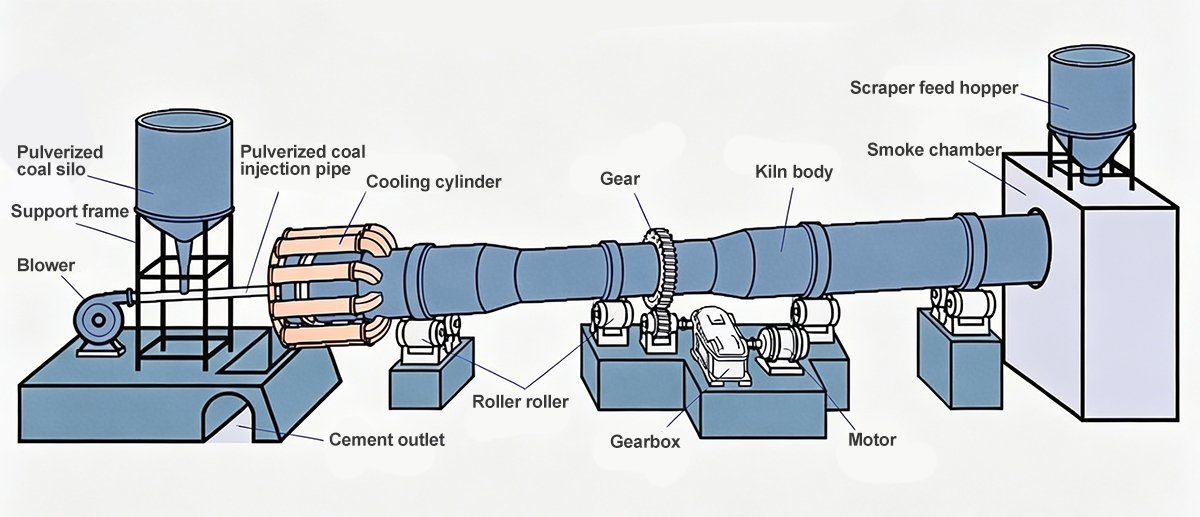
The core function of a cement rotary kiln is to calcine raw materials—such as limestone, clay, and iron powder—into clinker; this process directly determines the quality, production capacity, and energy consumption of the resulting cement. By maintaining a stable calcination temperature and producing high-strength clinker—while simultaneously utilizing a preheater to recover waste heat—the kiln achieves energy savings, reduces consumption, and ensures continuous production.
In addition to cement clinker production, certain rotary kilns can also be employed in other high-temperature thermal processing applications, such as lime calcination, metallurgical roasting, and the treatment of industrial solid waste.
The working principle of a cement rotary kiln involves keeping the cement raw materials in continuous motion within a rotating kiln shell. Throughout this entire process—facilitated by controlled heating and cooling—the raw materials are maintained at the precise temperatures required for the necessary chemical reactions to occur. Inside the cement rotary kiln, the raw materials undergo five distinct stages—preheating, decomposition, calcination, cooling, and conveying—ultimately resulting in the production of cement clinker.
Cement rotary kilns are primarily utilized for the calcination of cement clinker and are capable of processing a wide variety of raw materials used in cement production, as well as other high-temperature calcination materials. Common raw materials include standard cement constituents such as limestone, clay, iron powder, sandstone, and gypsum; they can also process low-grade iron ore, bauxite, alumina, lithium carbonate, dolomite, and various mixtures of cement raw meal.
Beyond the cement industry, certain types of rotary kilns are also employed in fields such as municipal sludge treatment, construction waste disposal, industrial residue processing, and general solid waste management. They are suitable for processing ores or powdered materials that require continuous, high-temperature thermal treatment. Due to their characteristics—including high processing capacity, superior thermal efficiency, and stable operation—these kilns are widely utilized in large-scale industrial production lines.
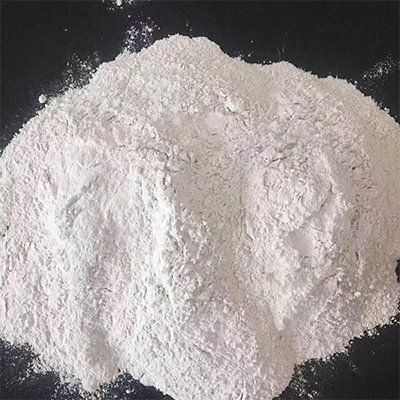

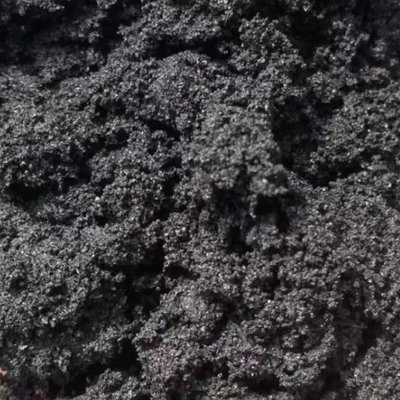


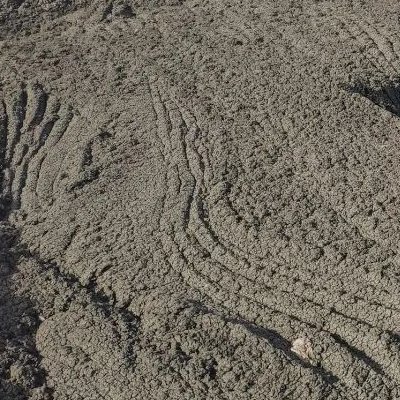

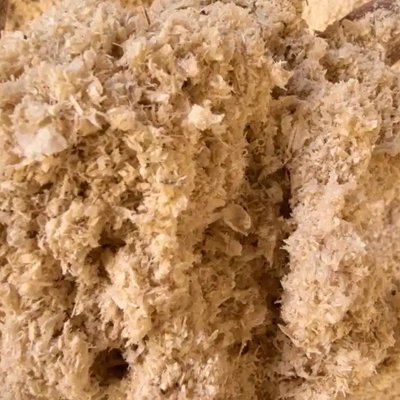
The cement rotary kiln serves as the central component—the “heart”—of a cement production line; it is responsible for calcining raw meal into cement clinker and determines the line’s production capacity, product quality, and energy consumption. Its primary function is to subject the cement raw meal to high-temperature calcination, thereby transforming it into cement clinker. Throughout the production process, the raw meal enters the rotary kiln after undergoing preheating; within the kiln, under conditions of high temperature and continuous rotation, it undergoes a series of physical and chemical reactions, ultimately yielding clinker products characterized by their requisite strength and reactivity.
The operational status of the rotary kiln directly impacts the quality of the clinker, production efficiency, and the overall energy consumption level of the entire cement production line. In modern “new dry process” cement production lines, the rotary kiln is typically integrated with auxiliary equipment—such as preheaters, precalciners, and coolers—to enhance thermal efficiency and minimize energy consumption.
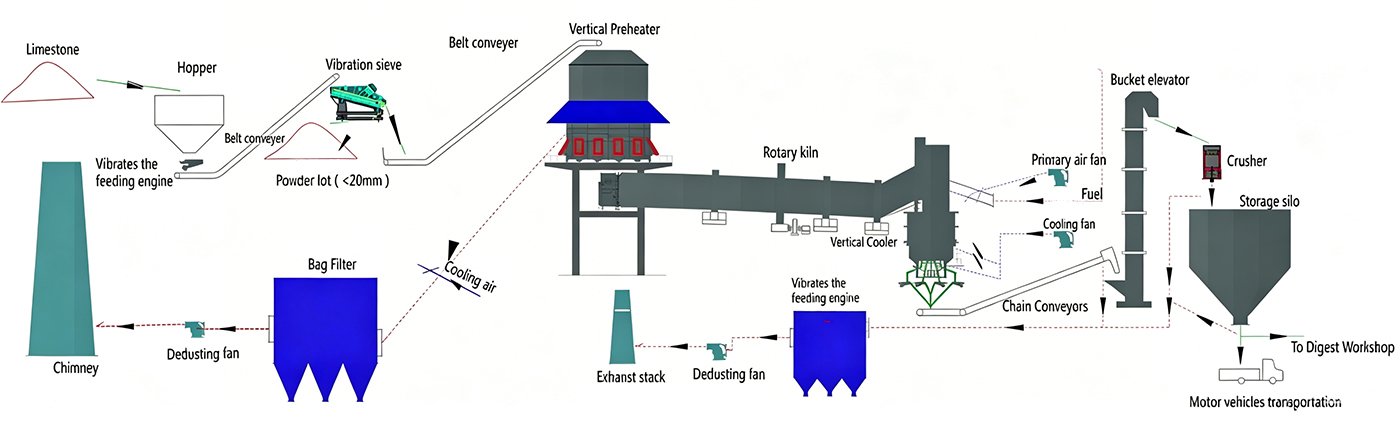
During the cement clinker production process, the interior of the kiln is divided into three distinct zones: the high-temperature calcination zone (1300–1450°C), the preheating zone (1000–1200°C), and the cooling zone (800–1000°C). Maintaining temperature stability is crucial to the quality of the clinker. The high-temperature calcination environment is one of the key factors determining cement quality, as it represents the critical temperature range for the formation of clinker minerals.
As the raw materials continuously tumble and move through the kiln, passing into these different zones, the temperature undergoes constant fluctuation. Upon entering the kiln’s rear end, the raw feed first undergoes preheating and decomposition processes, during which its temperature gradually rises; once it enters the burning zone, the intense heat triggers a series of complex chemical reactions within the material, ultimately resulting in the formation of cement clinker.
For large-scale, modern dry-process cement production lines, maintaining precise and stable control over the rotary kiln’s temperature is of paramount importance. If the temperature is too low, the clinker will not be sufficiently sintered; conversely, if the temperature is too high, it may lead to increased energy consumption and compromise the service life of the refractory materials. Consequently, modern cement plants typically employ automated control systems to monitor the kiln’s internal temperature in real-time, thereby ensuring the stable operation of the production line and the consistent quality of the clinker produced.
Improving the thermal efficiency of a cement rotary kiln not only reduces fuel consumption and production costs but also enhances the quality and stability of the clinker. Modern cement production lines typically achieve a more energy-efficient and highly effective calcination process by optimizing the combustion system, minimizing heat loss, and boosting heat exchange efficiency.
During operation, a cement rotary kiln requires a continuous source of high-temperature heat; consequently, the type of fuel used directly impacts clinker quality, thermal efficiency, and production costs. Currently, pulverized coal remains one of the most widely utilized fuels in the cement industry; characterized by its stable calorific value and suitability for large-scale continuous calcination, it is the standard fuel for large-scale cement production lines.
Increasingly, natural gas is also being adopted by modern cement plants. It combusts more completely, thereby reducing dust and exhaust emissions and making it easier to meet environmental regulatory standards.
In certain production scenarios, diesel or heavy oil is typically employed for igniting the rotary kiln and for auxiliary combustion purposes. Some large-scale cement enterprises also utilize alternative fuels—such as industrial waste, biomass, and refuse-derived fuels—to lower energy consumption and enhance resource recycling rates.
As the global cement industry continues its transition toward energy efficiency and low-carbon operations, an increasing number of production lines are adopting multi-fuel combinations and intelligent combustion control systems to boost combustion efficiency, reduce energy consumption, and minimize overall carbon emissions.
By rationally optimizing process parameters and equipment configurations, fuel costs can be effectively reduced while production efficiency is enhanced. In actual production, maintaining stable feeding, optimizing the combustion system, and improving thermal utilization are common strategies for energy conservation. Modern rotary kiln production lines typically integrate automated control systems with waste heat recovery technologies to achieve more energy-efficient and stable operational performance.
The requirements are extremely strict, mandating “ultra-low emissions” standards: dust emissions must not exceed 10 mg/m³, SO₂ must be ≤ 35 mg/m³, and NOₓ must be ≤ 50 mg/m³. Consequently, the kilns must be equipped with high-efficiency systems for dust removal, denitrification, desulfurization, and the control of fugitive emissions. During the production process, rotary kilns generate high-temperature flue gases and dust; therefore, they typically require integrated dust removal and waste gas treatment systems to mitigate environmental pollution.
Currently, CHUNLEI’s new-process dry-method cement rotary kilns utilize high-efficiency dust removal, low-NOₓ combustion, and automated control technologies. These innovations not only reduce emissions but also enhance energy utilization efficiency. Compared to traditional processes, CHUNLEI rotary kilns demonstrate significant improvements in energy conservation, environmental protection, and operational stability, making it easier to meet the current environmental standards of the cement industry.
| Design Capacity (t/d) | Kiln Dimensions | Product | Preheater | Cooler | Fuel | Heat Consumption (KJ/KgC30) | ||
|---|---|---|---|---|---|---|---|---|
| Dimensions(m) | Effective Volume(m²) | Calcination Temperature(℃) | ||||||
| 150 | Φ2.5×40 | 142 | 1350/1250 | Active Lime / Calcined Dolomite | Circular Vertical Preheater | Square Vertical Cooler | Coal Gas / Pulverized Coal | 5300/5000 |
| 200 | Φ2.8×42 | 190 | 1350/1250 | Active Lime / Calcined Dolomite | Circular Vertical Preheater | Square Vertical Cooler | Coal Gas / Pulverized Coal | 5300/5000 |
| 250 | Φ3×46 | 235 | 1350/1250 | Active Lime / Calcined Dolomite | Circular Vertical Preheater | Square Vertical Cooler | Coal Gas / Pulverized Coal | 5300/5000 |
| 300 | Φ3.2×50 | 292 | 1350/1250 | Active Lime / Calcined Dolomite | Circular Vertical Preheater | Square Vertical Cooler | Coal Gas / Pulverized Coal | 5300/5000 |
| 350 | Φ3.5×54 | 390 | 1350 | Active Lime / Calcined Dolomite | Circular Vertical Preheater | Square Vertical Cooler | Coal Gas / Pulverized Coal | 5225 |
| 400 | Φ3.6×56 | 430 | 1350 | Active Lime / Calcined Dolomite | Circular Vertical Preheater | Square Vertical Cooler | Coal Gas / Pulverized Coal | 5225 |
| 500 | Φ3.8×58 | 505 | 1350 | Active Lime / Calcined Dolomite | Circular Vertical Preheater | Square Vertical Cooler | Coal Gas / Pulverized Coal | 5100 |
| 600 | Φ4×60Φ4.2×50 | 575/548 | 1350 | Active Lime / Calcined Dolomite | Circular Vertical Preheater | Square Vertical Cooler | Coal Gas / Pulverized Coal | 5100 |
| 750 | Φ4.3×58 | 670 | 1350 | Active Lime / Calcined Dolomite | Circular Vertical Preheater | Square Vertical Cooler | Coal Gas / Pulverized Coal | 4810 |
| 800 | Φ4.3×64 | 738 | 1350 | Active Lime / Calcined Dolomite | Circular Vertical Preheater | Square Vertical Cooler | Coal Gas / Pulverized Coal | 4810 |
| 1000 | Φ4.8×68 | 1005 | 1350 | Active Lime / Calcined Dolomite | Circular Vertical Preheater | Square Vertical Cooler | Coal Gas / Pulverized Coal | 4810 |
When selecting a cement rotary kiln, it is essential to comprehensively consider production capacity requirements, raw material characteristics, fuel type, and the process configuration of the production line. Rotary kilns of different models and structural designs vary significantly in terms of energy consumption, calcination efficiency, and suitability for specific applications. For a cement plant, making an appropriate choice of rotary kiln equipment not only enhances clinker quality but also reduces long-term operating and maintenance costs.
In actual project implementation, many clients focus not merely on the equipment’s purchase price, but place greater emphasis on long-term operational stability, thermal efficiency, and environmental performance. Therefore, during the equipment selection phase, it is recommended to consider the following aspects:
The stability of the calcination temperature within a rotary kiln directly impacts the strength, reactivity, and overall quality of the cement clinker. In actual production operations, if the temperature inside the kiln is too low, the clinker will be under-burned; conversely, if the temperature is excessively high, it leads to increased energy consumption and accelerated material wear.
To ensure consistent clinker quality, it is essential to control parameters such as pulverized coal feed rate, flame shape, kiln rotation speed, raw meal composition, and kiln ventilation. By stabilizing the calcination zone within the 1300–1450°C range, the strength and soundness of the clinker can be effectively guaranteed.
Modern cement production lines are typically equipped with automated control systems that provide real-time monitoring of the kiln’s internal temperature and operational status, thereby enhancing the consistency of clinker quality while simultaneously reducing overall energy consumption.
Technical Supervision: It is recommended that a certified safety officer and the manufacturer’s installation engineer supervise the entire project progression. Each specific procedure (e.g., alignment of support rollers, centering of gears, installation of seals) must be inspected and formally signed off before proceeding to the next stage.
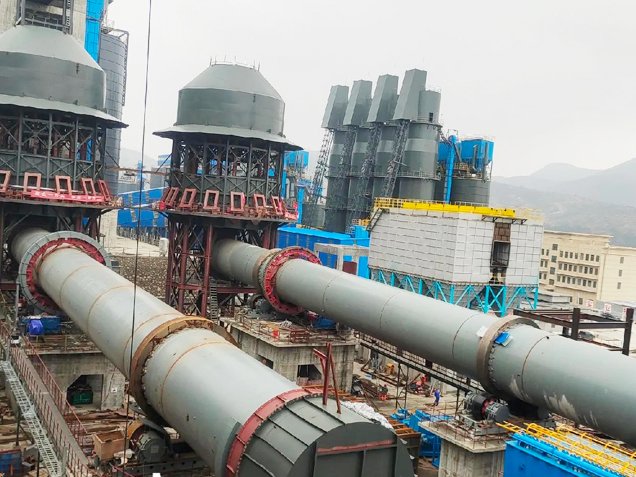
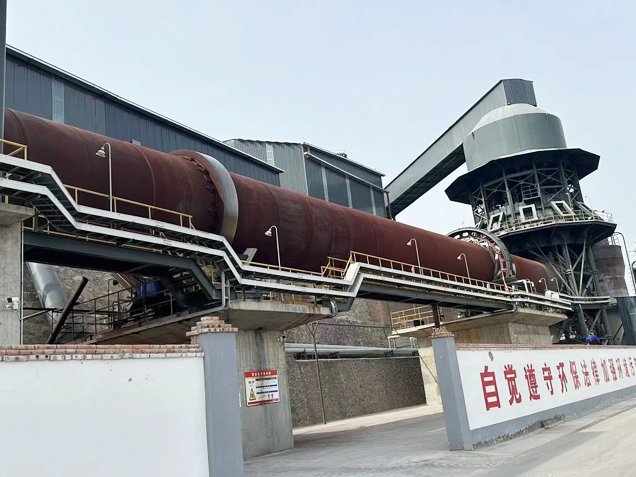
During the continuous operation of a cement rotary kiln, improper control of raw materials, temperature, or equipment conditions can easily compromise production efficiency and clinker quality. Proactively identifying common issues and performing timely maintenance helps minimize the risk of downtime and ensures the stable operation of the production line.
| Equipment | Applicable Conditions | Capacity / Quality | Advantages |
| Cement Rotary Kiln | Cement / High-Temperature Metallurgical Calcination | High Capacity; Stable Clinker Quality | High Efficiency; Highly Scalable |
| Cement Vertical Kiln | Small-Scale Cement Plants | Low Capacity; Moderate Quality | Low Investment; Easy to Operate |
| Metallurgical Rotary Kiln | Iron Ore / Alumina Roasting | Medium Capacity; Stable Roasting Process | Highly Adaptable to Metallurgical Materials |
| Lime Rotary Kiln | Limestone Calcination (Lime Production) | Medium Capacity; High Reactivity | High Thermal Efficiency; High-Quality Lime |
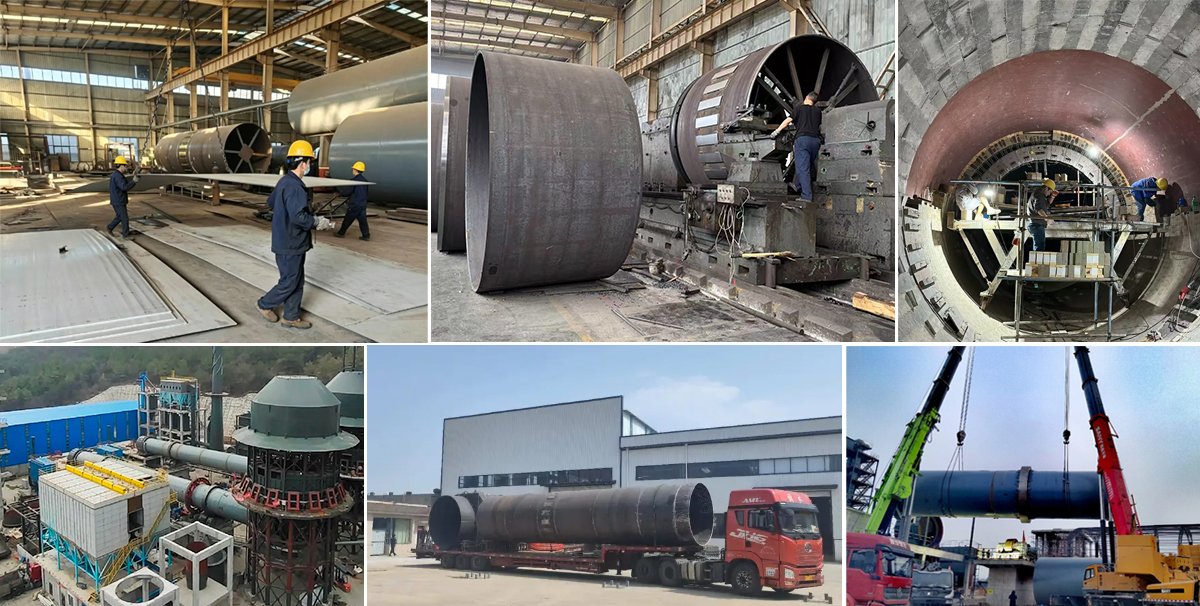
CHUNLEI cement rotary kilns utilize a mature, state-of-the-art dry-process calcination technology. Characterized by high thermal efficiency, stable operation, and low energy consumption, they have earned the recognition of numerous domestic and international clients.
Q: Which production lines are suitable for cement rotary kilns?
A: They are widely used in new dry-process cement production lines, and can also be applied to projects involving the calcination of lime, metallurgical materials, and certain ores.
Q: How much clinker can a rotary kiln produce in a single day?
A: Production output varies significantly depending on the specific model; smaller units can produce a few hundred tons per day, while large-scale production lines can reach outputs of over ten thousand tons.
Q: Is the energy consumption of a cement rotary kiln high?
A: Modern new dry-process rotary kilns utilize preheaters and waste heat recovery systems to effectively reduce specific energy consumption.
Q: Why does the phenomenon of “ring formation” occur in rotary kilns?
A: This is typically related to the raw material composition, temperature control, or unstable combustion conditions; consequently, process parameters must be adjusted in a timely manner.
Q: Do cement rotary kilns require regular maintenance?
A: Yes. Regular inspections of support rollers, gears, refractory bricks, and lubrication systems are essential for extending the service life of the equipment.
Q: What fuels are commonly used in rotary kilns?
A: Common fuels include pulverized coal, natural gas, and various alternative fuels; the specific choice can be determined based on local energy availability and conditions.
Q: How can the quality of cement clinker be improved?
A: Stabilizing the temperature inside the kiln, ensuring uniform feeding of raw materials, and optimizing the combustion system all contribute to enhancing clinker quality.
Q: Are cement rotary kilns suitable for continuous, high-temperature production?
A: Yes. Rotary kilns possess continuous calcination capabilities and are designed to meet the requirements for long-term, stable operation in large-scale cement plants.
 Chunlei Mining Machinery