 Chunlei Mining Machinery
Copper Ore Beneficiation Process
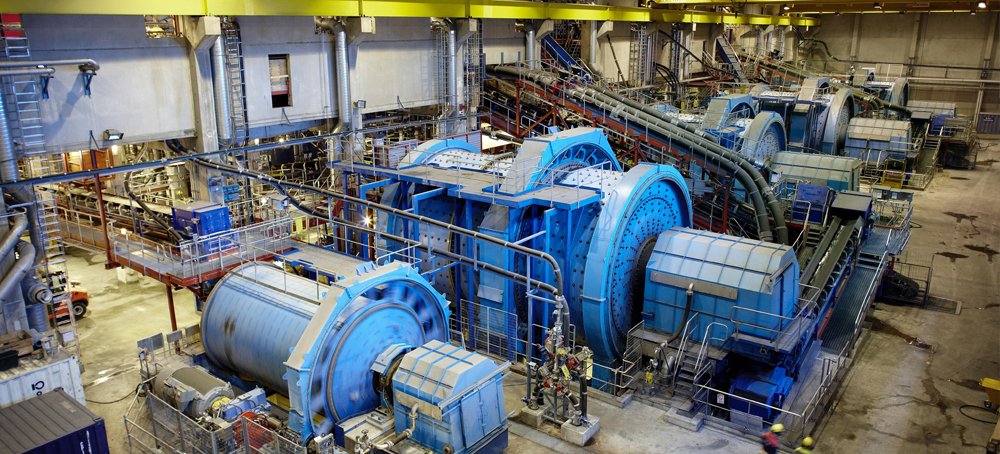
Copper Ore Beneficiation Process
CHUNLEI specializes in custom-engineered, heavy-duty copper beneficiation systems. By integrating precise process flows, compatible flotation reagents, and wear-resistant equipment, we comprehensively enhance copper recovery rates and ensure mine profitability.
Flotation is the mainstream process for copper ore beneficiation, particularly suitable for copper sulfides (such as chalcopyrite, bornite, and chalcocite); copper oxides can also be purified via flotation following a pre-sulfidization treatment.
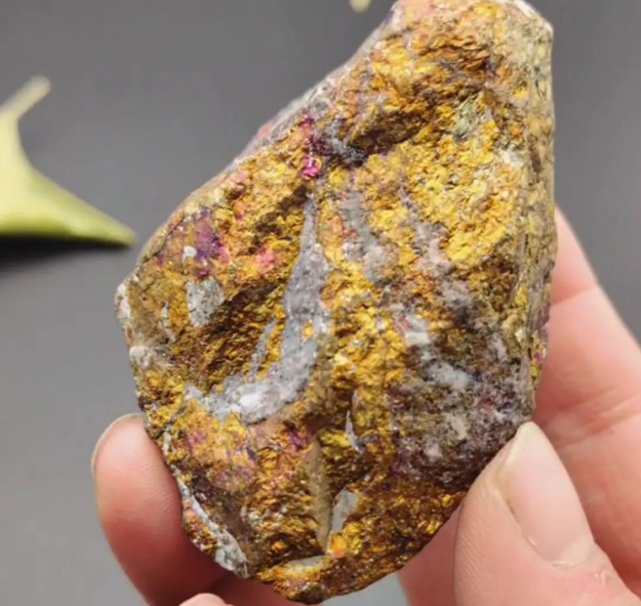
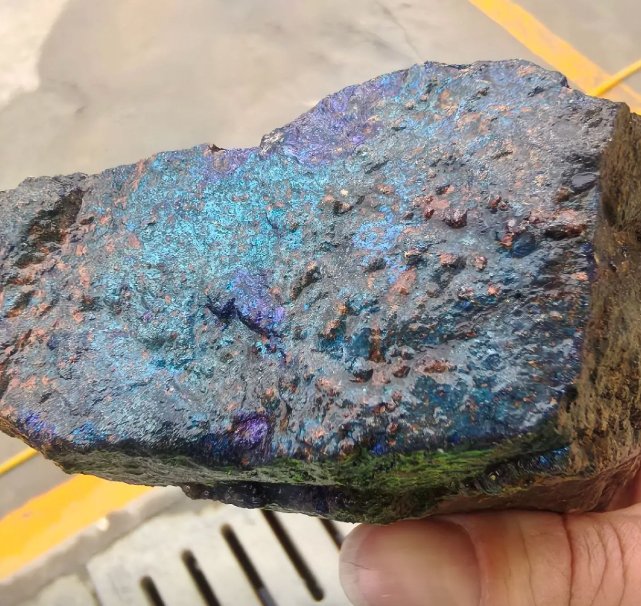
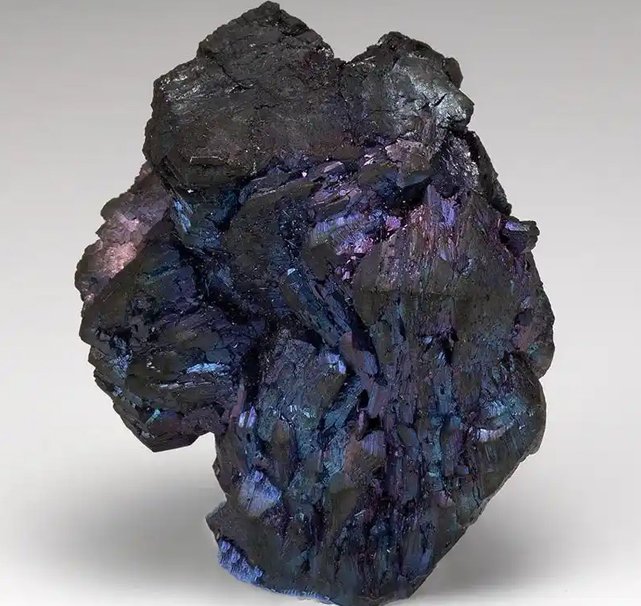
What is copper ore beneficiation?
Copper ore beneficiation is a production process that transforms low-grade copper ore into high-grade copper concentrate through stages such as crushing, grinding, flotation, thickening, and dewatering.
Traditional gravity separation is suitable only for coarse-grained, liberated copper ore, while heap leaching is applicable only to certain oxidized copper ores. Flotation is the dominant process used for over 90% of copper ores worldwide, suitable for both low-grade fine-grained ores and high-grade massive sulfide ores. Its primary objective is to separate copper minerals from gangue (waste rock), thereby enhancing copper resource utilization and producing high-quality copper concentrate for subsequent smelting.
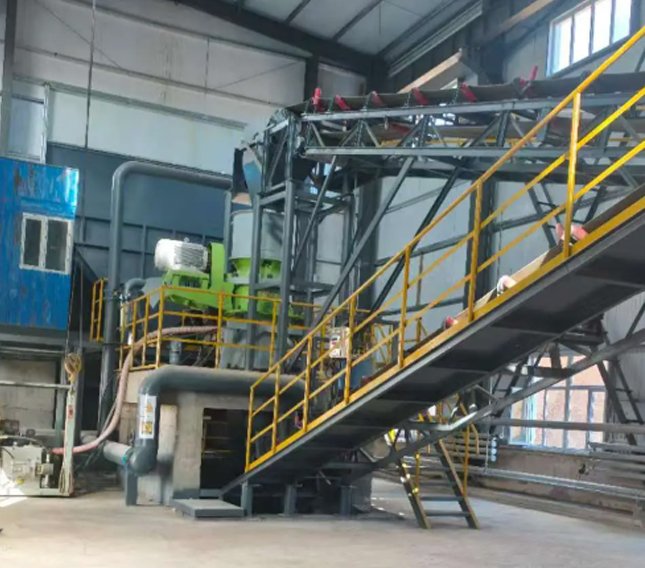
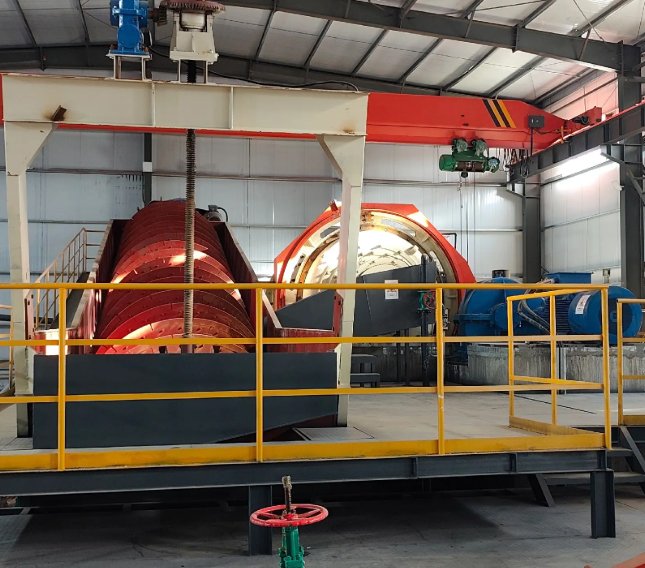
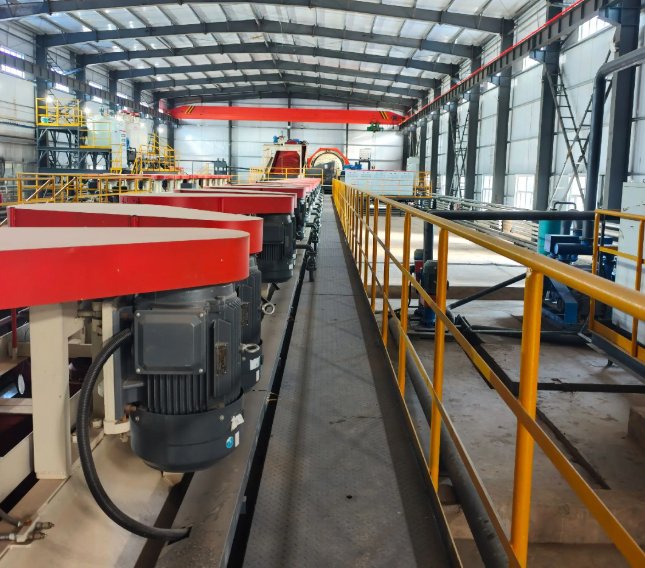
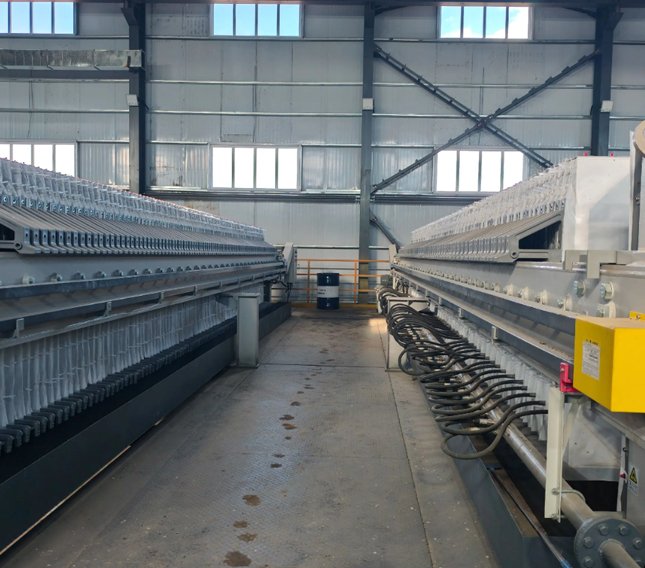
Key Process Flow for Copper Ore Beneficiation
Standard copper ore beneficiation comprises four core, indispensable stages, with material transport between them facilitated by conveyor belts and slurry pumps. Our plant layout maximizes the use of gravity-driven flow, significantly reducing electricity consumption as well as operation and maintenance costs.
| Production Stage | Key Operations | Output Material | Actual Value to the Mine |
| 1. Crushing Stage | Crushing and sizing of large run-of-mine ore | Ore particles ≤25 mm | Reduces energy consumption in subsequent grinding; prevents excessive wear on mill liners and steel balls |
| 2. Grinding Stage | Wet grinding with steel balls to produce slurry | Fine slurry with 65%–85% passing -200 mesh | Achieves complete liberation of copper minerals; a critical preparatory step determining flotation recovery rates |
| 3. Flotation Stage | Reagent conditioning, aeration, and froth separation | Copper concentrate froth (grade: 20%–35%) | Core profit-generating stage; achieves a comprehensive recovery rate of 85%–95% for copper sulfide ores (depending on ore type) |
| 4. Dewatering Stage | Concentrate thickening, pressure filtration, and drying | Copper concentrate filter cake (moisture content: 10%–15%) | Reduces transport weight, meets smelter feed specifications, and saves on logistics costs |
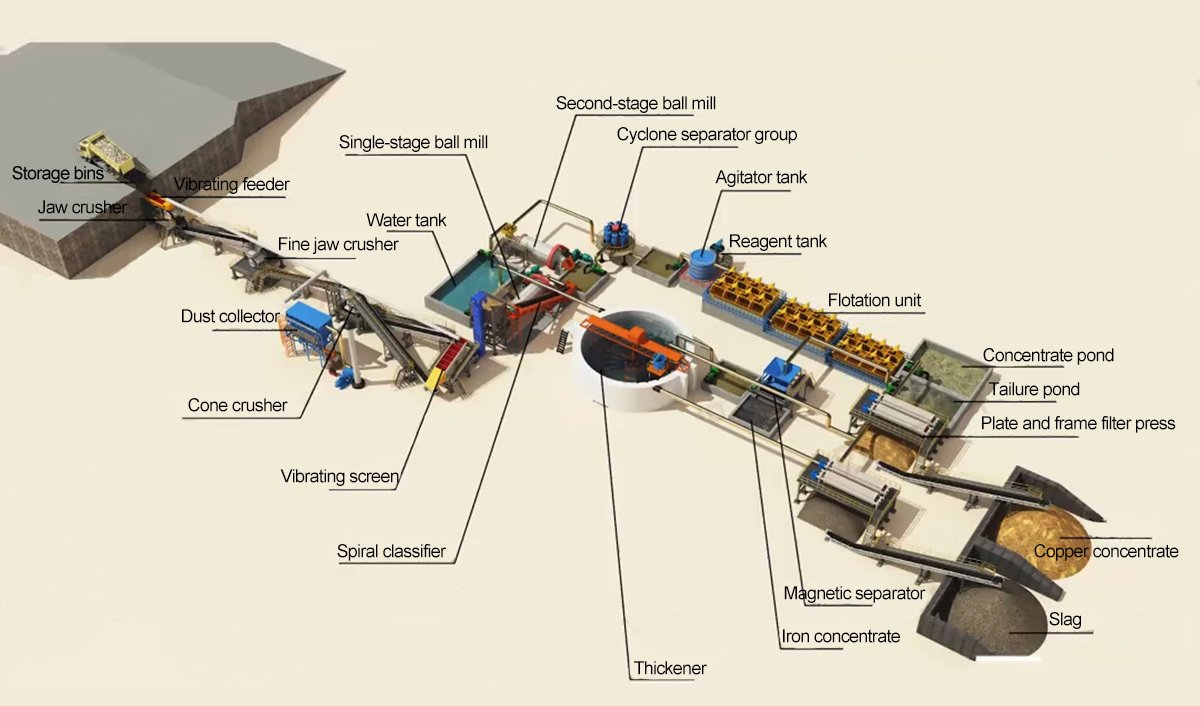
Complete Core Equipment for Copper Ore Beneficiation
For a high-capacity, stable processing plant, primary equipment for crushing, grinding, and flotation must be paired with specialized, wear-resistant components; equipment quality directly determines operational uptime and metal recovery rates.
1. Crushing System
Jaw crusher (with wear-resistant high-manganese jaw plates), cone crusher, circular vibrating screen, and belt conveyor; functions: coarse crushing, closed-circuit medium/fine crushing and screening, producing uniform fine material to reduce the grinding load.
2. Grinding and Classification System
Wet ball mill (with manganese steel liners), hydrocyclone, and agitation tank; closed-circuit operation where coarse sands are returned for regrinding, while compliant overflow proceeds to flotation.
3. Flotation System
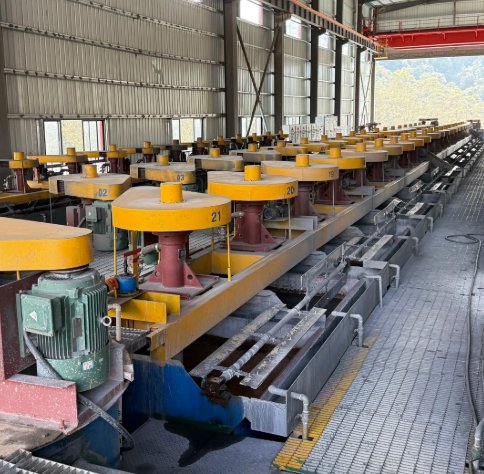
Mechanically agitated flotation machine, flotation column, automated reagent dosing unit, and reagent mixing tank; configured with roughing, scavenging, and cleaning stages, allowing for precise control of aeration and reagent dosage.
4. Concentrate Dewatering System
High-efficiency thickener and plate-and-frame filter press; thickening followed by pressure filtration ensures concentrate moisture meets standards, facilitating long-distance transport for smelting.
All equipment in the line utilizes wear-resistant rubber and high-chrome alloy materials and features precisely matched motor power, enabling approximately 20% savings in electricity costs during long-term operation.
Complete Core Equipment for Copper Ore Beneficiation
CHUNLEI offers a highly efficient, stable, and cost-effective solution for copper ore processing, suitable for various ore types including copper sulfides, copper oxides, and polymetallic ores.
- Higher Recovery Rates: Optimized grinding and flotation system designs effectively boost copper concentrate recovery and grade.
- Proven, Stable Process: Utilizes mature crushing, grinding, and flotation technologies to ensure reliable, steady operation.
- Lower Energy Consumption: Reduces overall operating costs through the use of high-efficiency ball mills and energy-saving equipment.
- High Level of Automation: Compatible with PLC control systems to enable continuous, intelligent production.
- Customized Solutions: Production lines tailored to specific ore characteristics, grades, and capacity requirements.
- Durable, Wear-Resistant Equipment: Key components utilize highly wear-resistant materials to extend service life and minimize downtime for maintenance.
- Comprehensive Service Support: Provides a one-stop service covering everything from beneficiation testing and process design to installation and commissioning.
CHUNLEI’s copper ore processing lines prioritize not only processing efficiency and copper recovery but also long-term operating costs and return on investment, helping mining enterprises achieve stable, efficient, and sustainable operations.
How to Improve Copper Flotation Recovery Rates?
The recovery rate of copper flotation directly determines the economic performance of a mineral processing plant. Improving this rate requires comprehensive optimization across several areas, including ore characteristics, grinding fineness, reagent regimes, and process flow.
- Properly control grinding fineness to enhance mineral liberation (avoiding both under-grinding and over-grinding)
- Optimize flotation reagents by carefully selecting the right types and controlling dosages
- Stabilize pulp density to maintain consistent production conditions
- Optimize the flotation circuit by employing multi-stage cleaning and scavenging
- Ensure stable equipment operation to minimize the impact of fluctuations
- Conduct thorough mineral processing tests to determine optimal process parameters
Do copper ores require a customized flotation process?
Generally, yes. Because the properties of copper ores vary significantly, applying a standardized flotation process often makes it difficult to achieve optimal recovery rates and concentrate grades.
- Different ore types: Processing methods differ markedly between sulfide, oxide, and mixed copper ores.
- Complex mineral composition: Ores are often associated with other metals such as gold, silver, and molybdenum.
- Significant grade variations: High-grade and low-grade ores have different processing requirements.
- Varying dissemination sizes: These determine the required grinding fineness and flotation conditions.
- Differing impurity content: This affects reagent selection and process configuration.
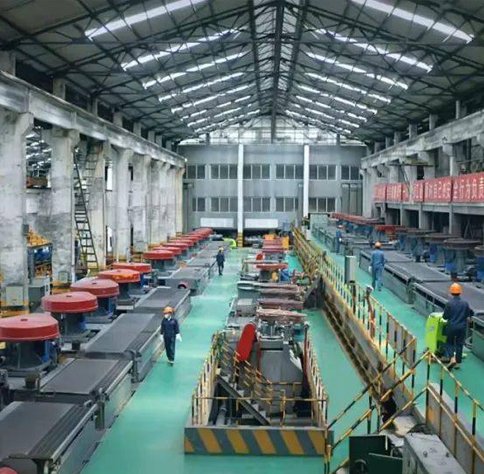
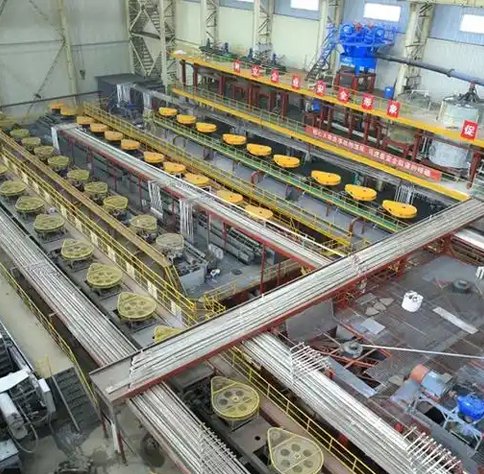
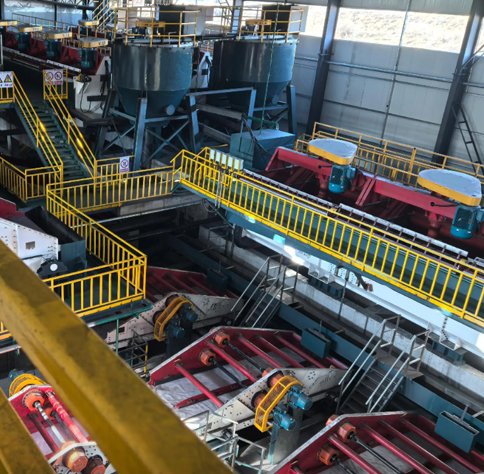
Overall Investment Costs for Copper Ore Processing Plants
There is no fixed standard for the investment cost of a copper ore processing plant; it typically depends on factors such as production capacity, ore characteristics, process complexity, and the level of automation. General investment ranges are as follows:
- Small-scale plant (50–500 tonnes/day): Approximately US$300,000–$800,000
- Medium-scale plant (500–3,000 tonnes/day): Approximately US$1 million–$2 million
- Large-scale plant (over 3,000 tonnes/day): Can exceed US$3 million
Copper ore processing plants are considered medium-to-high investment industrial projects; generally, the larger the scale, the lower the unit cost and the higher the return efficiency. It is recommended to conduct beneficiation tests and feasibility analyses prior to investment to mitigate risks and optimize the project plan.
Why is grinding necessary in copper ore beneficiation?
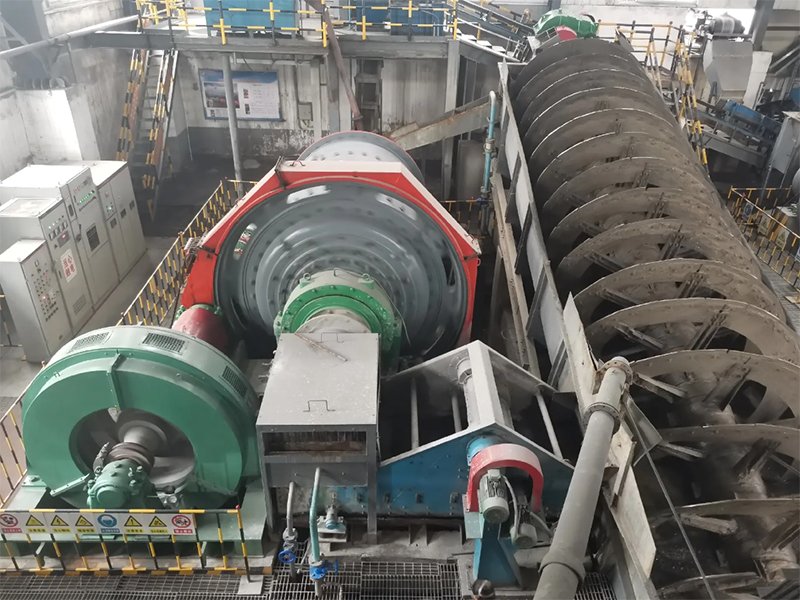
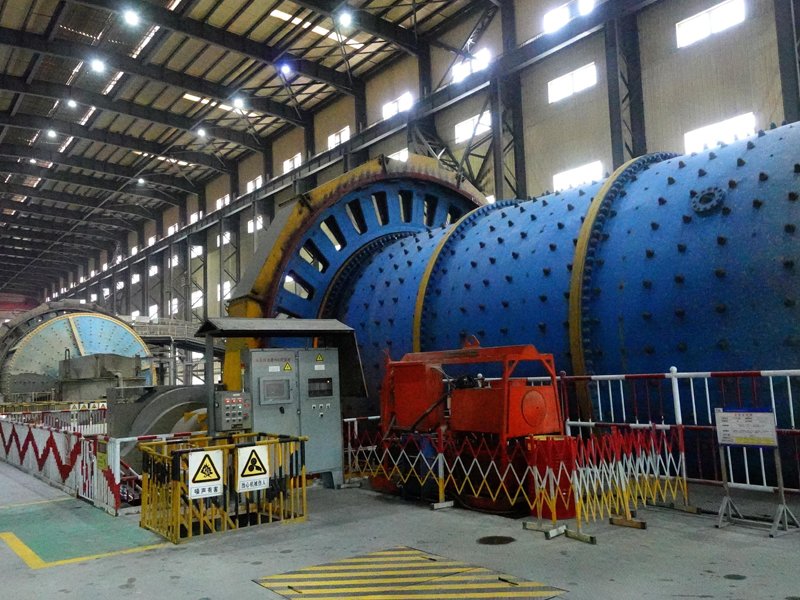
Grinding is a crucial step in copper ore beneficiation, determining the overall effectiveness. Ball mills grind the ore to a suitable particle size, ensuring thorough liberation of copper minerals from waste rock, thus creating optimal conditions for subsequent flotation. Proper grinding not only improves copper ore recovery and concentrate grade but also reduces the loss of valuable metals, enhancing the economic efficiency of the entire beneficiation production line. Therefore, an efficient and stable grinding system is essential for obtaining high-quality copper concentrate.
Depending on production needs, commonly used grinding equipment includes:
- Grate-type ball mill: High discharge speed and large processing capacity, suitable for the coarse grinding stage of copper ore;
- Overflow-type ball mill: Produces finer particles, suitable for fine grinding and secondary grinding of copper ore;
- Wet ball mill: The most common grinding equipment in copper ore beneficiation, suitable for use in conjunction with flotation processes;
- Rod mill: Used for coarse grinding in some special conditions to reduce over-grinding.
Among them, wet ball mills have become the preferred grinding equipment for copper ore beneficiation plants due to their high grinding efficiency, strong adaptability, and stable operation. By combining them with equipment such as spiral classifiers and hydrocyclones to form a closed-circuit grinding system, grinding efficiency and ore beneficiation recovery rate can be further improved.
What types of copper mines are suitable for copper ore beneficiation production lines?
Copper ore beneficiation production lines are suitable for a variety of copper ore resources. Different beneficiation processes can be adopted according to the ore properties to achieve optimal recovery rates and economic benefits.
Common applicable copper ore types:
- Sulfide copper ore: The most common type of copper ore, usually recovered using flotation processes;
- Oxide copper ore: Can be processed using flotation, leaching, and other processes;
- Mixed copper ore: Contains both sulfide and oxide ores, requiring customized beneficiation solutions;
- Porphyry copper ore: Large reserves, suitable for large-scale beneficiation production;
- Copper-gold ore: Can simultaneously recover valuable metals such as copper and gold;
- Copper-molybdenum ore: Achieves separation and comprehensive recovery of copper and molybdenum through beneficiation processes.
Whether it’s low-grade copper ore or complex symbiotic ore, CHUNLEI can provide customized copper ore beneficiation production line solutions based on ore characteristics, helping customers improve recovery rates and return on investment.
How to treat copper mine tailings?
Copper mine tailings are a large amount of waste separated during the mineral processing process. However, they may still contain small amounts of valuable metals and usable components. Therefore, they usually require comprehensive treatment and resource utilization, rather than direct discharge.
Common copper mine tailings treatment methods:
- Tailings thickening and dewatering: Reducing the moisture content of tailings using thickeners and filter presses facilitates storage or transportation;
- Safe tailings storage in regulated tailings ponds: Centralized storage in regulated tailings ponds with seepage prevention and environmental protection measures;
- Tailings reprocessing and recycling: Secondary recovery of residual copper, gold, and other metals from tailings to improve resource utilization;
- Production of building materials: Used to produce permeable bricks, roadbed materials, backfill materials, and other building materials;
- Backfilling mining: Used for underground backfilling in mines to improve mining safety and reduce surface emissions;
- Environmental treatment and recycling: Combined with water recycling systems to achieve tailings reuse and zero-discharge processes.
FAQ
Q: Why is flotation the preferred process for copper sulfide ore beneficiation?
A: Flotation is suitable for the vast majority of copper sulfide ores, achieving a comprehensive recovery rate of 85%-95%. It is suitable for various production capacities, from small to large, producing high-grade copper concentrate, with economic benefits far exceeding those of gravity separation and heap leaching.
Q: Can copper ore beneficiation plants be built in water-scarce areas?
A: A closed-loop water circulation system can be installed, with 80%-90% of production water recycled and reused, only supplementing water lost through evaporation.
Q: Is a beneficiation production line suitable for remote mines without power grids?
A: Yes, engineers can match a complete power supply solution using diesel generator sets based on the total power output.
Q: How long does it take to build a copper ore beneficiation plant?
The construction period for a copper ore beneficiation plant is typically 3 to 6 months, depending on the project scale, equipment delivery time, and civil engineering progress.
Q: Can a copper ore beneficiation production line process low-grade copper ore?
A: Yes. Through appropriate crushing, grinding, and flotation processes, low-grade copper ore can also be economically recovered.
Q: What is the core equipment in copper ore beneficiation?
A: The ball mill and flotation machine are the core equipment in a copper ore beneficiation production line, directly affecting the recovery rate and concentrate grade.
Q: Are the operating costs of a copper ore beneficiation production line high?
A: Operating costs mainly come from electricity consumption and reagent consumption. Costs can be effectively reduced by optimizing the process and using energy-saving equipment.
Q: Why is classification necessary in copper ore beneficiation?
A: Classification controls the grinding particle size, avoiding over-grinding or under-grinding, thereby improving flotation efficiency and recovery rate.
Q: Can a copper ore beneficiation production line be automated?
A: Yes. Modern production lines can be equipped with PLC control systems to achieve automatic feeding, grinding, flotation, and concentration control.
Q: What is the difference between copper ore beneficiation and smelting?
A: Beneficiation is the process of purifying ore into copper concentrate, while smelting is the further refining of the concentrate into metallic copper.
Q: How to select copper ore beneficiation equipment?
A: It needs to be determined through comprehensive design and testing based on ore properties, processing capacity, target grade, and investment budget.
Q: Is a beneficiation test necessary for copper ore beneficiation?
A: Absolutely. A beneficiation test is a crucial step in determining the process flow, reagent system, and grinding fineness.
Summary
Purchasing equipment shouldn’t be based solely on unit price comparisons. For a high-yield copper mine production line, the most crucial factor is the precise matching of the chosen process with the ore minerals. For any mining and beneficiation needs, please contact CHUNLEI engineers immediately for a free consultation.