 Chunlei Mining Machinery


Drum Dryer
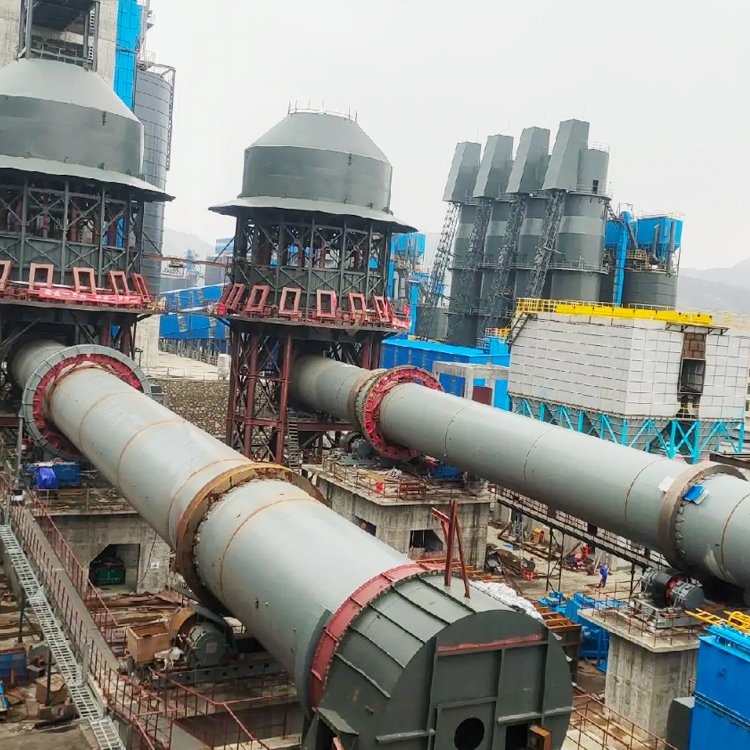
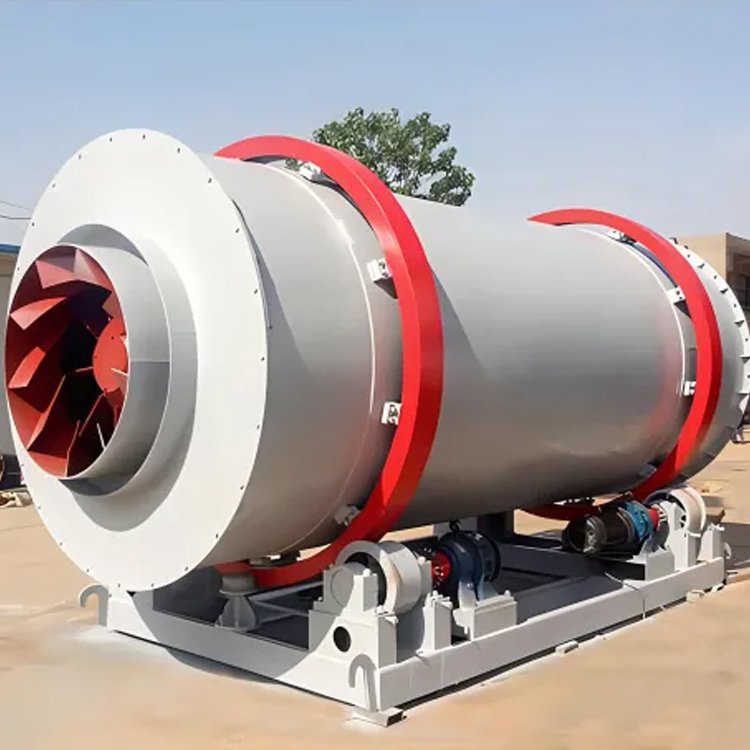
- Drum dryer, also known as cylinder dryer, rotary drum dryer, rotary dryer, etc., is a kind of drying machinery of contact type with internal heat conduction type.Drum dryer is a kind of continuous drying equipment which uses heat conduction to make the material heated and moisture vaporized so as to achieve the drying purpose.
- Total weight:9-135t
- Capacity:1.9-76t/h
- Applicable area: It is widely used in many fields such as chemical industry, brewing, manufacturing, pharmacy, fertilizer, urban sludge treatment and so on.
What is a rotary drum dryer?
A rotary drum dryer, also known as a tumble dryer, is a core drying equipment in ore processing. It is suitable for high-moisture mineral concentrates, mineral powders, slags, and industrial by-products. Used in mining, building materials, metallurgy, and chemical industries, it primarily reduces the moisture content of high-moisture materials, improving the efficiency of subsequent processing, transportation, and storage. The equipment uses an inclined rotating drum to exchange heat with high-temperature hot air, allowing the material to rapidly evaporate moisture during continuous tumbling, achieving continuous drying production.
Compared to traditional sun-drying and box-type dryers, rotary drum dryers feature high thermal efficiency, large processing capacity, stable operation, and strong adaptability. They can be widely used for processing sand, slag, coal slime, mineral powder, biomass, and various other high-moisture mineral materials.
The three core sections of a rotary drum dryer:
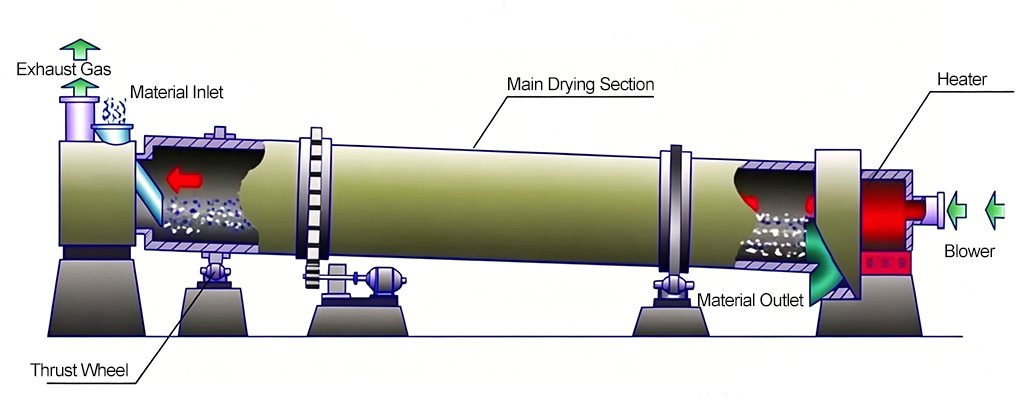
A rotary drum dryer consists of three parts: feeding and drying, heat exchange, and dust removal. The material and hot air can flow in either the same direction or in the opposite direction.
- Feeding Preheating Section: Wet material is fed evenly and preheated, reducing energy consumption in the main drying stage.
- Main Drying Section: High-temperature hot air (120–800℃) inside the drum exchanges heat thoroughly with the material, drying the moisture content to the target value.
- Dust Removal and Discharge Section: Dust removal from exhaust gas and collection of finished product ensure environmental compliance and minimize material loss.
Why Choose CHUNLEI Rotary Rotary Dryers?
CHUNLEI rotary rotary dryers utilize mature thermal design and heavy-duty construction, ensuring stable operation and high thermal efficiency. They can meet the continuous production needs of varying output levels and complex operating conditions.
- High Efficiency and Energy Saving: Optimized material lifting system and hot air circulation improve heat utilization and reduce fuel consumption.
- Wide Range of Applicable Materials: Capable of handling high-moisture, high-viscosity, and granular materials.
- High Processing Capacity: Supports large-scale continuous production, meeting diverse output requirements.
- Customized Solutions Available: Process configurations can be tailored to material moisture content, output, and fuel type.
- Comprehensive Environmental Configuration: Can be equipped with dust removal and exhaust gas treatment systems to meet environmental requirements.
- Automated Control: Real-time monitoring of temperature and operating status improves production efficiency.
- Extensive Overseas Project Experience: Equipment has been exported to numerous countries and regions, accumulating rich experience.
Working Principle of Rotary Rotary Dryers
Wet material is added from the upper part of one end of the dryer, with the slow rotation of the cylinder, the material is constantly copied up and sprinkled down in the process of cylinder rotating, at the same time, the heat carrier (such as hot air, high temperature flue gas or water vapor, etc.) enters into the cylinder from the other end of the dryer, and the material is contacted with the countercurrent or concurrent flow. In this process, the material and the heat carrier for full heat exchange, the moisture in the wet material is gradually evaporated, the dried product from the other end of the lower part of the collection.


What is the processing capacity of a rotary drum dryer?
The processing capacity of a rotary drum dryer depends on factors such as drum specifications, material characteristics, feed moisture content, and drying temperature. Based on my experience, the following configurations are for reference:
- Small Rotary Drum Dryer: Diameter ≤ 2.2m, Length ≤ 18m, Processing capacity 10–30 tons/hour, suitable for small mines and building material plants.
- Medium Rotary Drum Dryer: Diameter 2.2–3.0m, Length 18–24m, Processing capacity 30–80 tons/hour, suitable for medium-sized ore dressing plants and coal slime drying projects.
- Large Rotary Drum Dryer: Diameter ≥ 3.0m, Length ≥ 24m, Processing capacity 80–150 tons/hour, suitable for large mines and large-scale production lines.
We can accurately calculate the required drum specifications based on your material’s moisture content, viscosity, and target production capacity to avoid insufficient capacity or equipment waste.
Are rotary drum dryers energy-intensive?
Modern rotary drum dryers have effectively reduced overall energy consumption through optimized hot air systems and waste heat recovery technologies. Compared to traditional drying methods, continuous rotary drum drying systems offer higher thermal efficiency and lower unit production costs when handling large volumes of high-moisture materials.
Equipment energy consumption is typically related to the material’s moisture content, throughput, fuel type, and thermal design. High-moisture materials require more heat to evaporate moisture, thus increasing energy consumption. High energy consumption is often due to excessive moisture, poor insulation, and improper operation. Therefore, proper selection and scientific configuration can not only improve the production efficiency of rotary drum dryers but also help companies reduce long-term fuel costs and operational pressure.
Are rotary drum dryers suitable for high-moisture materials?
Roller drum dryers are ideal for high-moisture, high-viscosity minerals, especially in the mining, building materials, metallurgical, and chemical industries. They are widely used for drying high-moisture materials such as slag, coal slime, sand, mineral powder, chemical sludge, and biomass.
The equipment utilizes a rotating drum, a lifting device, and a high-temperature hot air system to ensure that wet materials have full contact with the hot airflow during the tumbling process, thereby improving heat exchange efficiency. Modern rotary drum dryers also optimize the lifting structure, hot air temperature, and rotation speed according to the characteristics of different materials to reduce problems such as material blockage, wall adhesion, and uneven drying. Therefore, for high-moisture, high-viscosity industrial materials, the rotary drum dryer remains one of the most widely used and reliable drying equipment.
How to Choose the Right Rotary Rotary Dryer Model?
When selecting a rotary rotary dryer model, a comprehensive evaluation is needed based on material characteristics, moisture content, throughput, and production requirements. Different materials have different requirements for drying temperature, hot air system, and drum structure. Appropriate selection can not only improve drying efficiency but also effectively reduce subsequent operating costs.
Generally, the following aspects should be considered during the selection process:
- Material Type: Different materials such as sand, slag, coal slime, and sludge have different requirements for equipment structure.
- Initial Moisture Content and Target Moisture Content: Higher moisture content places higher demands on the hot air system and drum length.
- Processing Capacity Requirements: Select an appropriate drum diameter and drum length based on the hourly output.
- Fuel Type: Different heat sources such as coal, natural gas, biomass, and electromagnetic heating will affect the thermal design.
- Thermal Efficiency and Energy Consumption: Large-scale continuous production lines are more suitable for energy-saving configurations.
- Environmental Requirements: Whether dust removal, exhaust gas treatment, and waste heat recovery systems are required.
- Site and Investment Budget: Select a reasonable solution based on site space and project scale.
For large-scale industrial drying projects, it is recommended that a professional manufacturer perform thermal calculations and process design to match a more stable and efficient drum drying system. Get a free dryer solution now!
How to Avoid Over-drying or Under-drying Materials?
During the operation of a rotary drum dryer, unstable temperature control or uneven material feeding can easily lead to over-drying or incomplete drying, affecting product quality and production efficiency. To ensure stable drying results, optimization can be achieved in areas such as hot air, rotation speed, and material control.
- Stable Hot Air Temperature: Avoid excessively high or low temperatures, which can negatively impact drying efficiency.
- Uniform and Continuous Feeding: Uneven feeding can cause material accumulation and uneven heating.
- Control Rotary Drum Rotation Speed: Controlling the rotation speed allows sufficient drying time for the material within the drum.
- Optimize the Material Lifting Structure: Increase the contact area between the material and hot air, enhancing heat exchange efficiency.
- Adjust Airflow Based on Material Moisture Content: High-moisture materials require a more stable hot air system.
- Employ an Intelligent Temperature Control System: Monitor the drying status in real time and adjust operating parameters promptly.
For high-moisture, high-viscosity materials, reasonable thermal design and stable operation control are crucial for ensuring continuous and efficient production in a rotary drum dryer.
How to Improve Thermal Efficiency and Reduce Energy Costs?
Optimizing thermal efficiency directly reduces energy consumption and increases output:
- Precise temperature control: Maintains a stable temperature in the drying zone, reducing energy fluctuations.
- Enhanced waste heat recovery: Preheats fresh air with exhaust gas, saving 20%–30% in energy.
- Stable feeding and particle size: Uniform feeding and stable particle size result in more even drying.
- Improved drum insulation: Reduces heat loss and improves heat utilization.
- Automated control: Real-time adjustment of temperature, speed, and airflow ensures stable operating conditions.
- Regular maintenance: Reduces downtime due to malfunctions, ensuring long-term efficient operation.
Global Project Cases
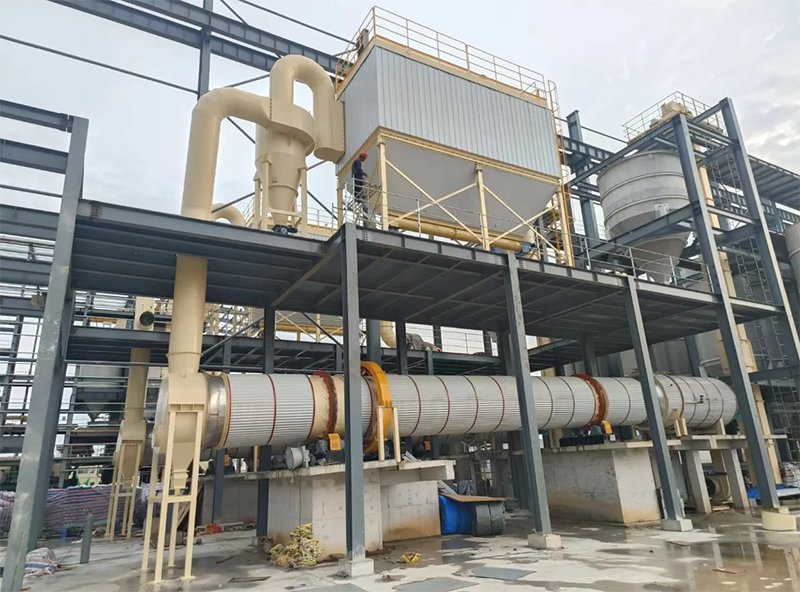
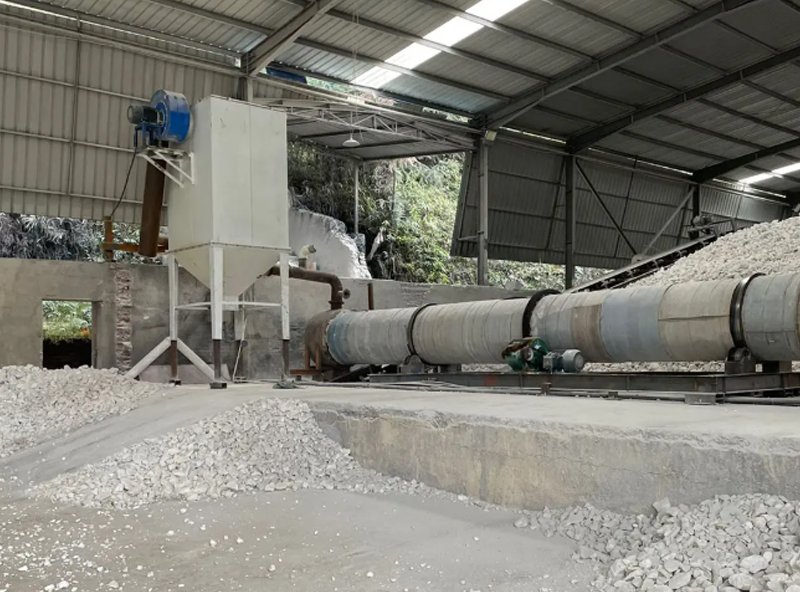
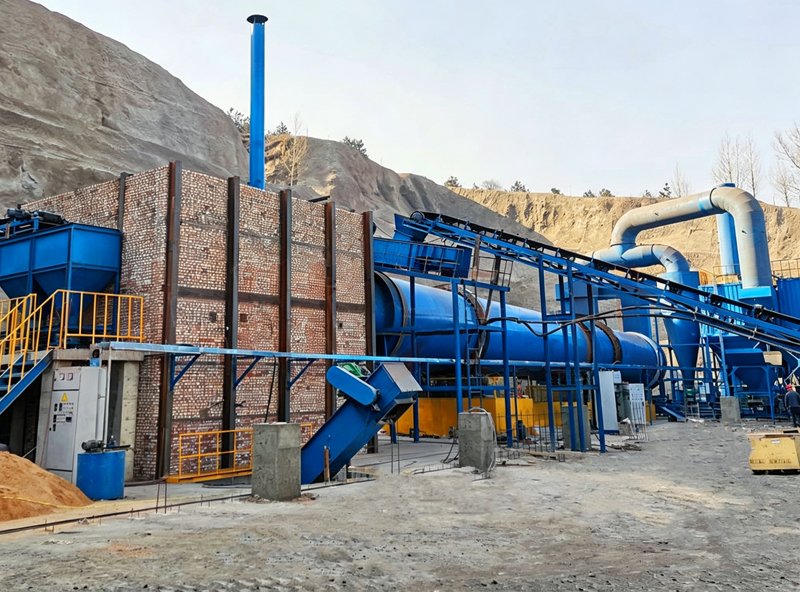
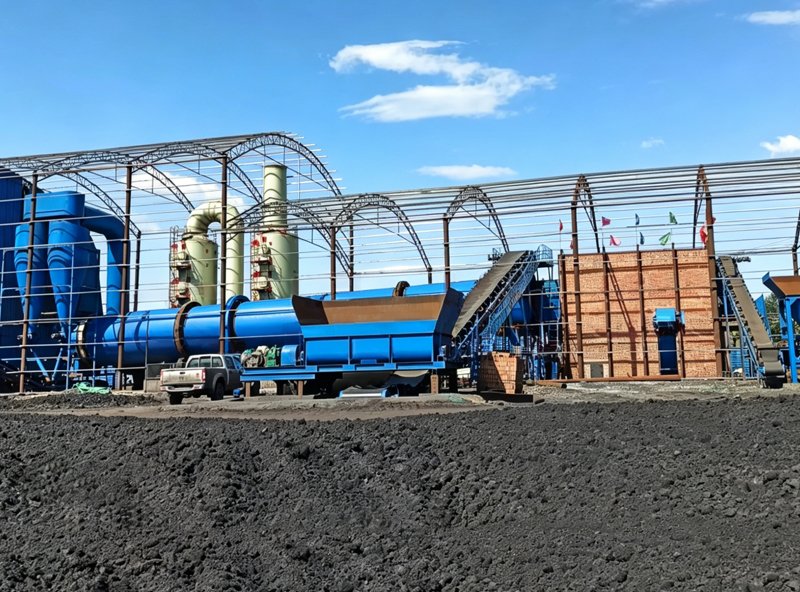
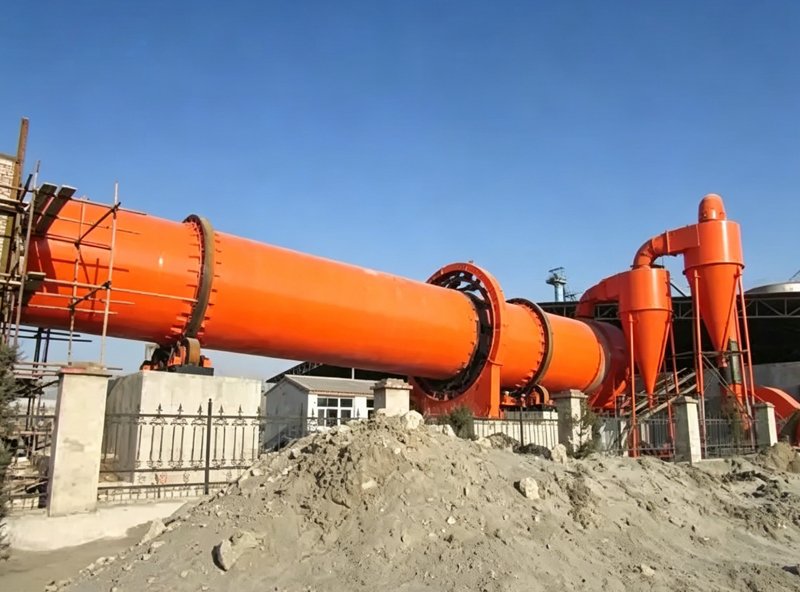
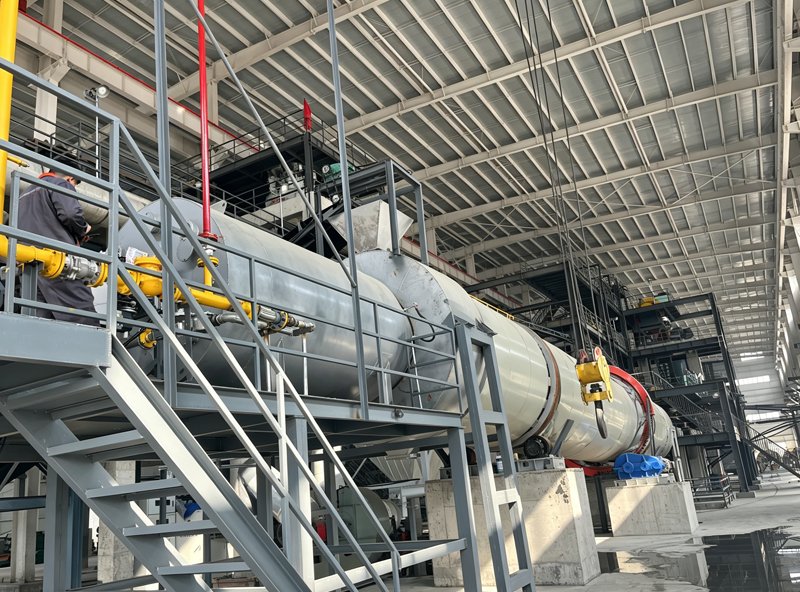
CHUNLEI rotary drum dryers have been widely used in many countries and regions in Asia, Africa, the Middle East, and South America. With their stable operation, energy efficiency, and reliable quality, the equipment has gained recognition from numerous overseas customers. Customized rotary drum drying solutions can be provided based on the climate, raw material characteristics, and production capacity requirements of different countries.
Technical Parameters of Drum Dryer
| Specification (diameter * length) | Simplified volume | Production capacity (t/h) | Installation Angle (%) | Maximum intake air temperature | Main motor | Total weight (t) |
| Ø 1.2×8 | 9 | 1.9-2.4 | 3-5 | 700-800 | 7.5 | 9 |
| Ø1.2 ×10 | 11.3 | 2.4-3 | 3-5 | 700-800 | 7.5 | 11 |
| Ø 1.5×12 | 21.2 | 4.5-5.7 | 3-5 | 700-800 | 15 | 18.5 |
| Ø 1.5×14 | 24.7 | 5.3-6.6 | 3-5 | 700-800 | 15 | 19.7 |
| Ø1.5×15 | 26.5 | 5.7-7.1 | 3-5 | 700-800 | 15 | 20.5 |
| Ø 1.8×12 | 30.5 | 6.5-8.1 | 3-5 | 700-800 | 18.5 | 21.5 |
| Ø 1.8×14 | 35.6 | 7.6-9.5 | 3-5 | 700-800 | 18.5 | 23 |
| Ø 2.2×12 | 45.6 | 9.7-12.2 | 3-5 | 700-800 | 22 | 33.5 |
| Ø 2.2×14 | 53.2 | 11.4-14.2 | 3-5 | 700-800 | 22 | 36 |
| Ø 2.2×16 | 60.8 | 13-16.2 | 3-5 | 700-800 | 22 | 38 |
| Ø 2.4×14 | 63.3 | 13.5-16.9 | 3-5 | 700-800 | 37 | 45 |
| Ø 2.4×18 | 81.4 | 17.4-21.7 | 3-5 | 700-800 | 37 | 49 |
| Ø 2.4×20 | 90.4 | 19.3-24.1 | 3-5 | 700-800 | 45 | 54 |
| Ø 2.4×22 | 99.5 | 21.2-26.5 | 3-5 | 700-800 | 45 | 58 |
| Ø 2.6×24 | 127.4 | 27.2-34 | 3-5 | 700-800 | 55 | 73 |
| Ø 3×20 | 141.3 | 30.1-37.7 | 3-5 | 700-800 | 75 | 85 |
| Ø 3×25 | 176.6 | 37.7-47.1 | 3-5 | 700-800 | 75 | 95 |
| Ø 3.2×25 | 201 | 42.9-53.6 | 3-5 | 700-800 | 90 | 110 |
| Ø 3.6×28 | 285 | 60.8-76 | 3-5 | 700-800 | 160 | 135 |
How to Choose a Reliable Rotary Rotary Dryer Supplier?
When choosing a rotary rotary dryer supplier, besides equipment price, it’s crucial to focus on the manufacturer’s technical strength, project experience, and after-sales service capabilities. Professional suppliers can typically provide reasonable thermal design and overall production line configuration solutions based on material type, moisture content, and output requirements, ensuring long-term stable equipment operation.
During the procurement process, it is recommended to focus on the following aspects:
- Real Project Case Studies: Understand whether the manufacturer has stable domestic and international project experience.
- Equipment Manufacturing Quality: Pay close attention to the cylinder material, welding process, and wear-resistant design.
- Thermal Design Capabilities: A reasonable hot air system can reduce energy consumption and improve drying efficiency.
- Customization Support: Optimize processes based on different materials and moisture contents.
- Energy Saving and Environmental Protection Configuration: Does the dryer include dust removal, waste heat utilization, and automatic control systems?
- After-Sales Service Capabilities: Includes installation guidance, technical training, and spare parts support.
- Export and Overseas Experience: Manufacturers with international project experience are better able to adapt to different operating conditions and standard requirements.
For large-scale drying projects, a supplier with mature technology and comprehensive services can often better guarantee long-term production returns and operational stability than simply offering low-priced equipment.
Contact us to build an efficient ore drying production line.
FAQ
Q: What materials are suitable for a rotary drum dryer?
A: It can be used to dry various high-moisture materials such as sand, slag, coal slime, sawdust, biomass pellets, and sludge.
Q: Can a rotary drum dryer operate continuously?
A: Yes. The equipment is suitable for large-scale continuous production, operates stably, and has a strong processing capacity.
Q: What fuels are commonly used in rotary drum dryers?
A: Common fuels include coal, natural gas, biomass fuel, and diesel.
Q: How to reduce the energy consumption of a rotary drum dryer?
A: By optimizing the hot air system, strengthening insulation, and utilizing waste heat, fuel consumption can be effectively reduced.
Q: Can high-moisture materials be dried directly?
A: Yes. For high-moisture materials, drying efficiency can be improved by customizing the material lifting structure and thermal system.
Q: What supporting equipment is needed for a rotary drum dryer?
A: It is usually equipped with a hot air furnace, dust collector, conveyor, induced draft fan, and automatic control system.
Q: Is it easy for a rotary drum dryer to clog?
A: With proper control of feed and temperature, material blockage is generally prevented. High-viscosity materials can be handled with a special structural design.
Q: How to choose the right rotary drum dryer model?
A: Selection should be based on a comprehensive consideration of material type, moisture content, output, and fuel availability.
Q: Is rotary drum dryer maintenance complicated?
A: Routine maintenance is relatively simple; regular checks of the rollers, gears, and lubrication system are sufficient.
Q: Does the rotary drum dryer support customization?
A: Yes. Complete drying solutions can be customized according to different operating conditions, output, and environmental requirements.
Related Products —
Cement Rotary Kiln
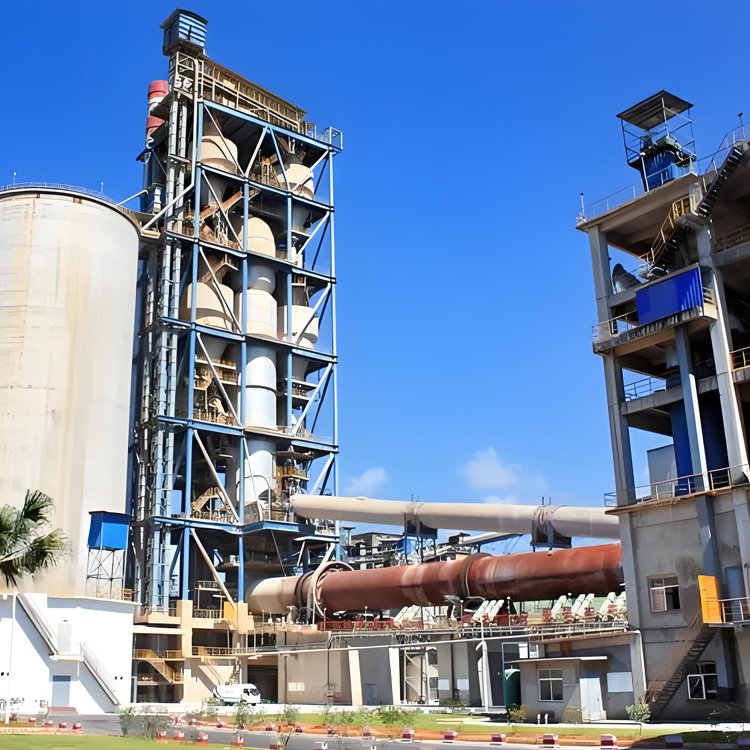
The cement rotary kiln is the core thermal processing equipment within a cement production line, primarily used to calcine raw cement meal into clinker. Because the equipment is installed at an incline and operates throu…
Lime Rotary Kiln
A lime rotary kiln production line is specialized industrial equipment designed to produce quicklime by calcining limestone (calcium carbonate, CaCO₃) at high temperatures (900–1200°C) within a rotary kiln. Characterized…
Three Drum Dryer
A three-roller dryer consists of three concentric rotating drums. It continuously dries bulk wet materials through staged heating and hot air circulation. The equipment relies on the synchronous rotation of the inner, mi…
Rotary kiln
Rotary kiln is a kind of rotary calcining kiln, which belongs to the category of building materials equipment. It is a steel thin-walled cylinder with a certain slope (usually 1%-6%) installed on the supporting devic…
loading…
已经是到最后一篇内容了!