Search the whole station Hot Product Catalog
This mobile cone crusher integrates a cone crusher with a crawler chassis, enabling rapid relocation between different work sites. The main crushing unit employs a laminated crushing principle; within the crushing chamber, materials are subjected primarily to compression and attrition. This process reduces the proportion of flaky and needle-like particles in the discharge by 15–20% compared to traditional jaw crusher and impact crusher combinations. The equipment supports discharge opening adjustments ranging from coarse crushing (40–60 mm gap) to fine crushing (10–16 mm gap), allowing it to adapt to operating conditions requiring various particle size specifications.
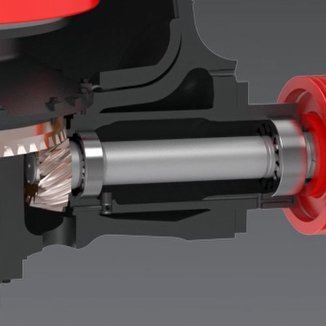
In terms of reliability, the bearing assembly is equipped with a positive-pressure labyrinth seal, effectively preventing external dust from entering the lubrication zone. Furthermore, a hydraulic tramp iron protection system allows uncrushable objects—such as excavator bucket teeth or small metal fragments—to pass through the crushing chamber; the crusher then automatically resets without requiring manual shutdown for cleaning.
Mobile jaw crushers are designed specifically for the primary crushing of large, hard rocks; mobile impact crushers are ideally suited for the secondary crushing and shaping of medium-to-soft materials, such as limestone or concrete waste; mobile cone crushers, meanwhile, occupy a middle ground: they excel at the intermediate and fine crushing of high-hardness materials—such as granite, basalt, and river pebbles—while simultaneously producing high-quality, cubical finished products, a characteristic highly prized in high-grade aggregates.
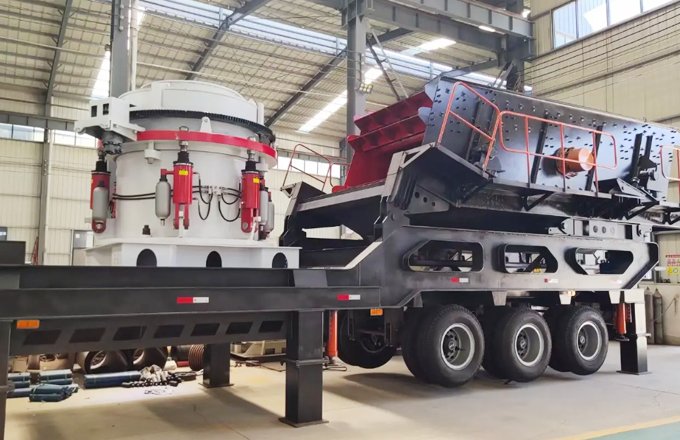
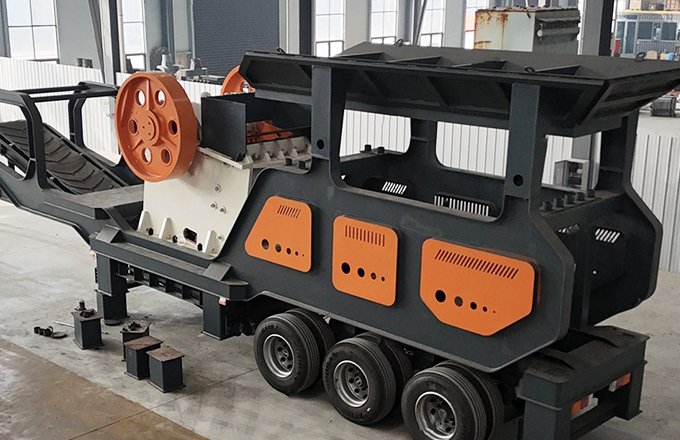
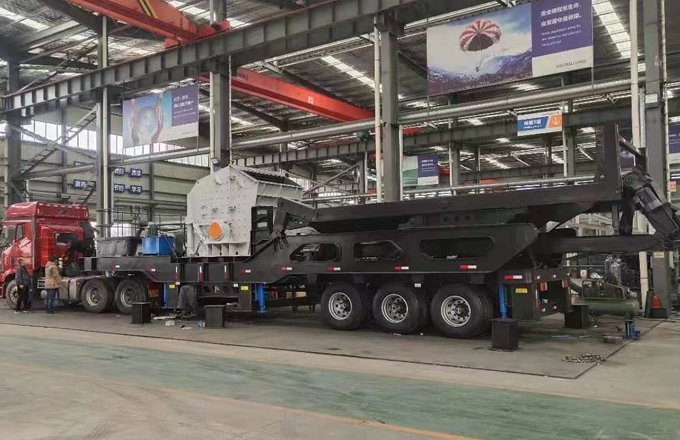
However, mobile cone crushers do have their limitations: their feed openings are relatively narrow (rendering them unable to accept boulders exceeding 200–300 mm in diameter), and—compared to mobile impact crushers with equivalent processing capacities—their initial investment costs are 20% to 30% higher.
For engineering projects that demand both exceptional wear resistance and strict control over the shape of the finished particles, the cone crusher is an indispensable choice; conversely, for applications involving the crushing of soft rocks or the recycling of waste materials, the impact crusher offers superior cost-effectiveness.
| Feature | Mobile Jaw Crusher | Mobile Impact Crusher | Mobile Cone Crusher |
|---|---|---|---|
| Primary Role | Primary coarse crushing | Secondary / tertiary crushing + shaping | Secondary / tertiary medium-fine crushing |
| Best for Material | Hard, abrasive rocks (granite, basalt, river pebble, iron ore) | Soft to medium-soft, non-abrasive rocks (limestone, dolomite, concrete rubble, asphalt) | Hard, high-silica rocks (granite, basalt, quartzite, andesite) |
| Crushing Mechanism | Compression between fixed and moving jaw plates | High-speed rotor impact against blow bars | Compression + shear between mantle and concave |
| Output Particle Shape | Fair to good (some flat/elongated particles) | Excellent (cubic shape) – best for high-grade aggregate | Very good to excellent (cubic, well-graded) |
| Max Feed Size | Very large (up to 800–1000mm, depending on model) | Large (up to 600–800mm) | Small to medium (typically 50–300mm; requires pre-screening) |
| Handling of Wet / Sticky Material | Good (less clogging) | Acceptable (can handle moderate moisture) | Poor (prone to packing and clogging) |
| Wear Part Life (on hard rock) | Long (jaw plates: 1,000hours) | Short (blow bars: 100–400 hours on granite) | Long (mantle & concave: 1,000–1,500 hours) |
| Operating Cost (per ton) | Low | Medium to high (due to frequent blow bar changes on hard rock) | Low to medium (higher energy but longer wear life) |
| Initial Investment | Low to medium | Medium | High (typically 20–40% more than impact crusher) |
| Complexity & Maintenance | Simple – easy to operate and maintain | Medium – rotor balancing and blow bar replacement require skill | High – hydraulic system, lubrication, and closed side setting (CSS) need trained operators |
| Typical Application Example | Primary crushing of 600mm granite to 150mm for feeding a cone crusher | Recycling concrete rubble from 500mm to 0-40mm base course in one pass | Fine crushing of 150mm river pebble to 10-30mm cubic aggregate for concrete |
| Best Fit for Which Project? | Any project needing a first-stage crusher for hard rock | Soft rock quarry, construction & demolition recycling, asphalt production | High-spec aggregate production from hard rock (ASTM / EN standards) |
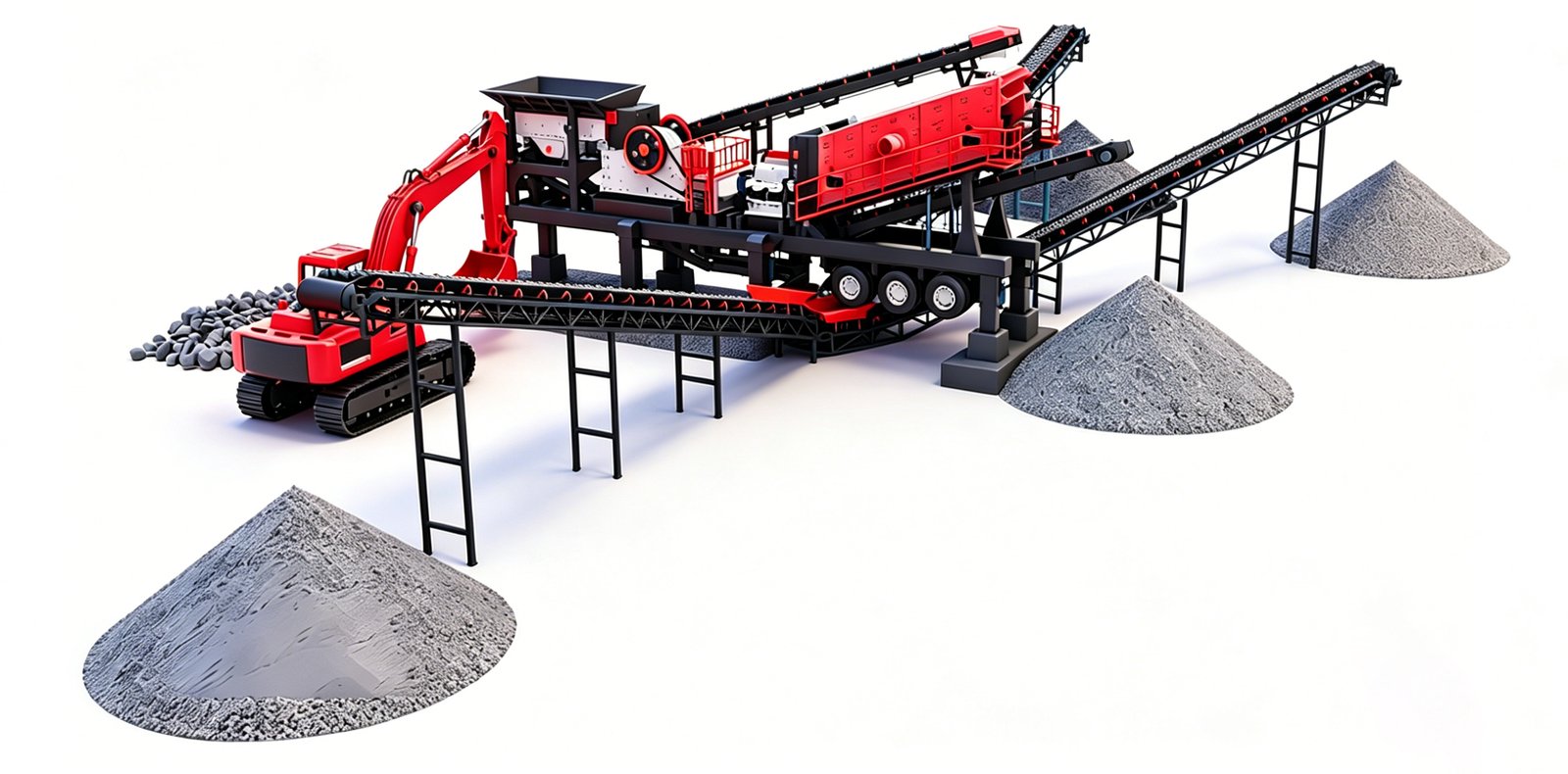
Material is fed uniformly by a vibrating feeder into the tire-type mobile cone crusher, where it undergoes the initial stage of laminated crushing. The crushed mixture is then conveyed via the main belt conveyor to a circular vibrating screen for classification. Following screening, material exceeding the specified particle size is returned to the cone crusher for re-crushing, while qualified finished products—meeting the required size specifications—are discharged via side or end conveyors. This configuration establishes a fully closed-circuit crushing system, ensuring that all finished products possess uniform particle size and low needle-and-flaky content.
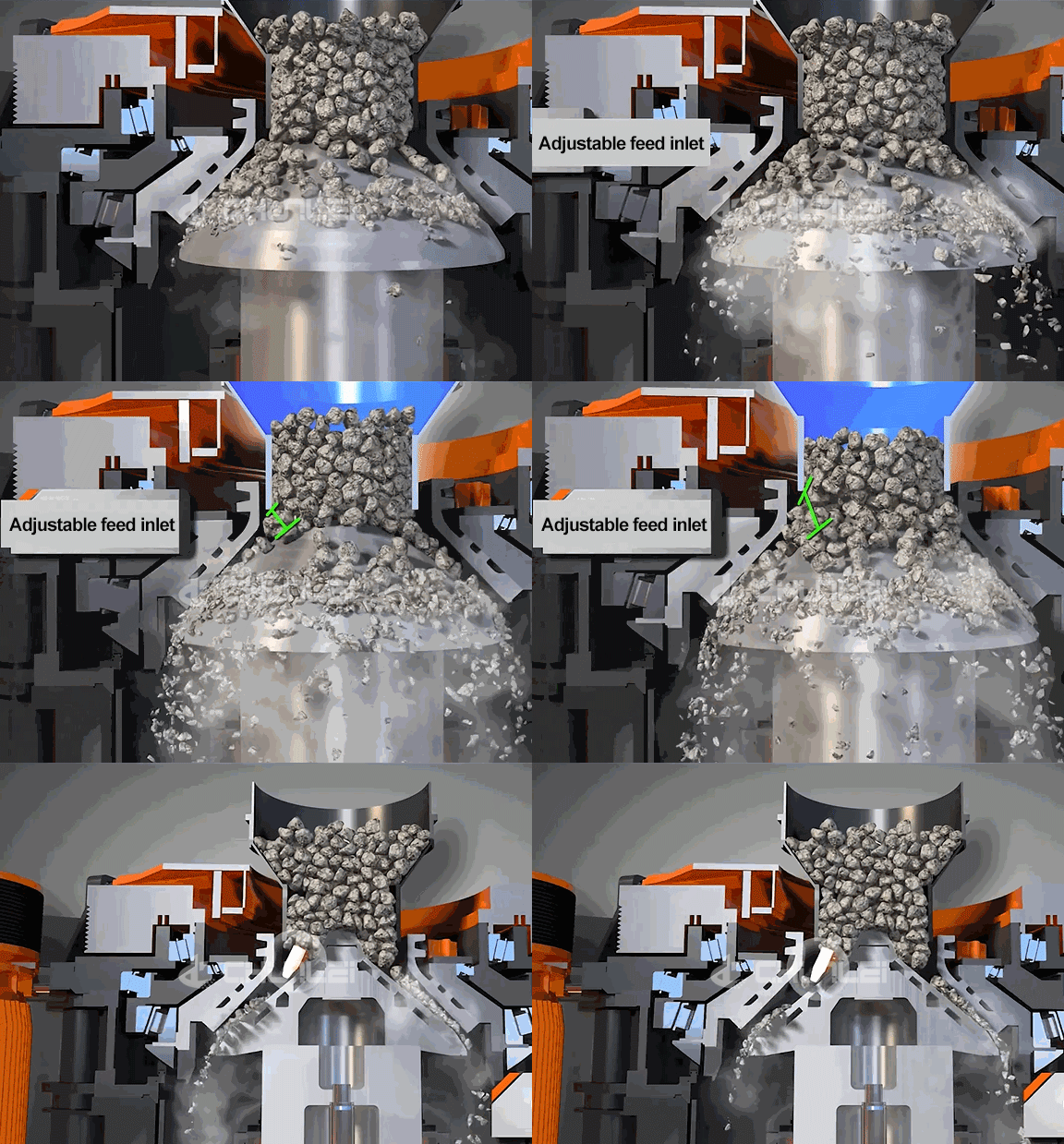
If the user has less stringent requirements regarding the particle size of the intermediate material resulting from primary crushing (e.g., for applications such as heap leaching or pre-grinding), the circular vibrating screen can be directly removed to configure the equipment for “open-circuit crushing mode.” In this mode, material is discharged immediately after a single pass through the cone crusher, thereby significantly increasing throughput and facilitating seamless integration with downstream equipment, such as impact crushers, sand-making machines, or ball mills.
Furthermore, for applications where particle size requirements are not high but maximum capacity is needed (such as roadbed filling), the vibrating screen of the tire-mounted mobile crushing station can be removed, and the material is discharged immediately after passing through the jaw crusher. This modular, quick-release design allows customers to simply loosen the bolts of the vibrating screen module and lift it off entirely. The tire chassis allows for relocation using a regular truck, eliminating the need for a low-bed trailer and saving on transportation permit fees.
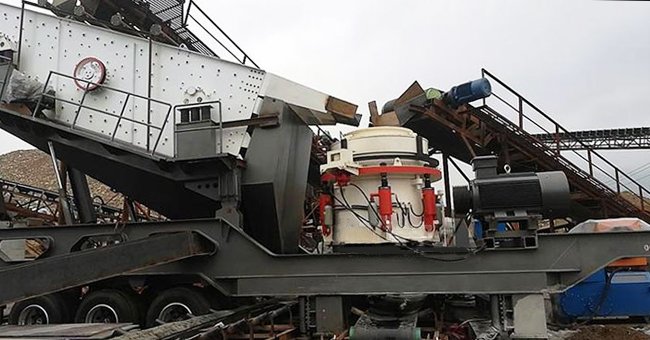
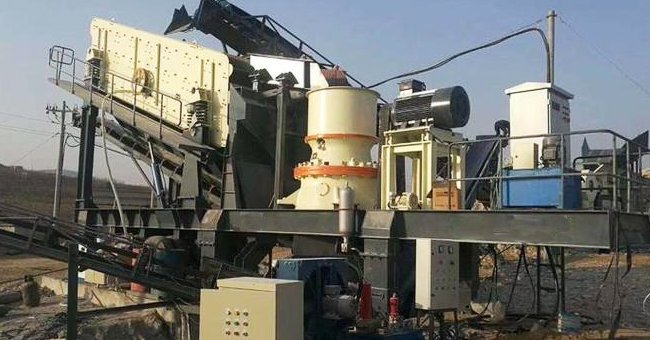
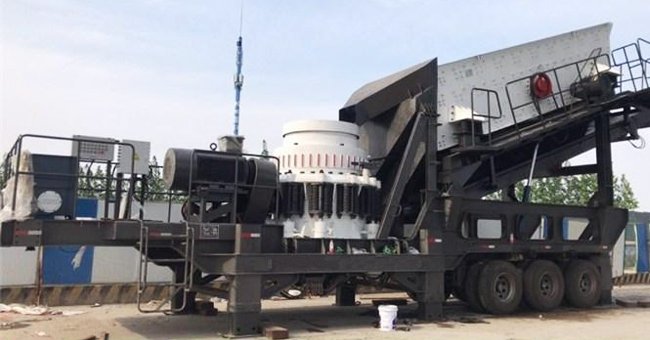
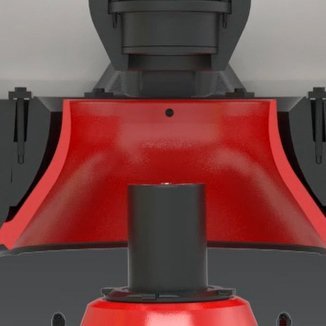
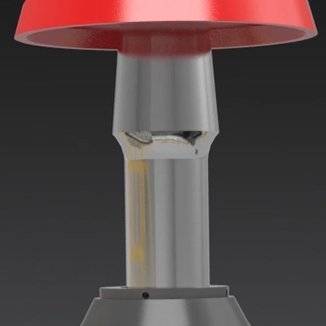
The mantle and concave (often called the crushing liners) are the true “heart” of a mobile cone crusher – they directly contact the material and determine both output shape and total operating cost. Their wear rate is not fixed; it’s controlled by three key factors:
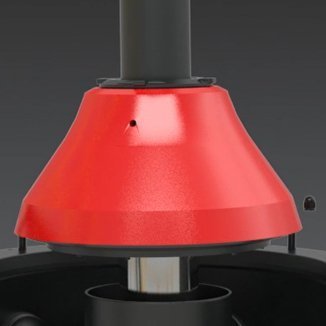
A mobile cone crusher does not function as a standalone crushing unit; rather, it serves as the core component of the fine-crushing module. To achieve optimal crushing ratios, particle shape, and closed-circuit efficiency, it must be integrated with complementary equipment in a specific sequence:
The biggest difference between tracked and wheeled mobile cone crushers lies in their mobility and applicable working conditions. Tracked crushers use a tracked chassis for propulsion, allowing them to move freely in complex terrain. They are suitable for mountainous areas, muddy roads, and sites requiring frequent relocation, such as mines and quarries, and can be moved directly without additional towing.
Wheeled mobile cone crushers use a vehicle-mounted chassis structure and require vehicle towing for movement. They are more suitable for projects with good roads and relatively fixed locations. They are particularly suitable for construction waste processing, urban engineering, and short- to medium-term construction projects.
In practical applications, tracked mobile cone crushers are more suited for mining and large-scale aggregate production, suitable for frequent relocation and continuous operation; while wheeled crushers are suitable for engineering projects with lower requirements for mobility.
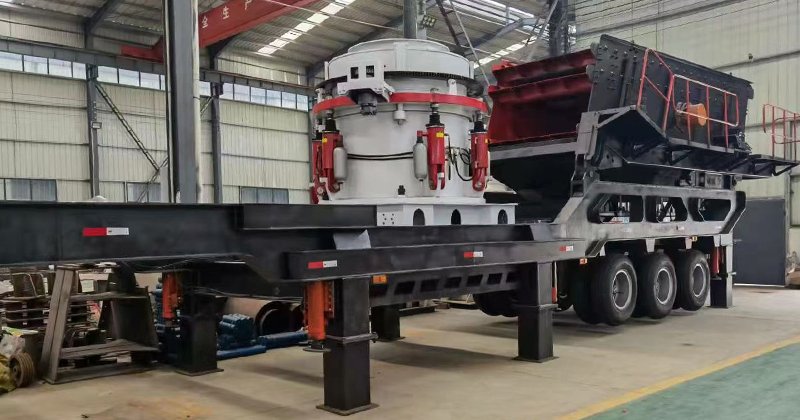
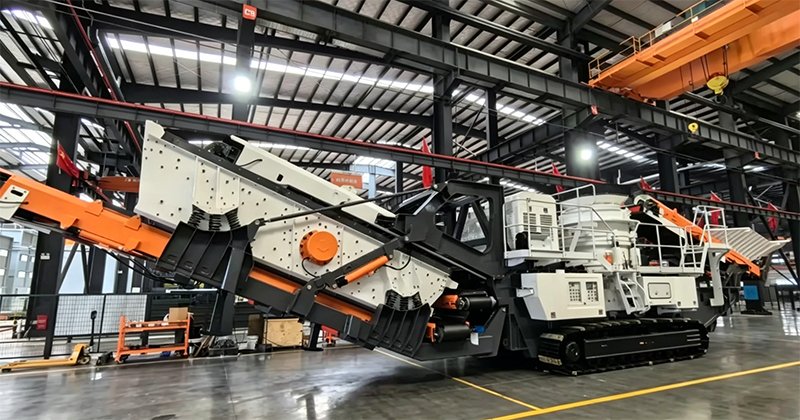
Mobile cone crushers can be used for both two-stage and three-stage fine crushing, but in actual production, they are more commonly used in the medium and fine crushing stages, especially suitable for processing high-hardness stone.
In mines and aggregate production lines, mobile jaw crushers typically handle coarse crushing, while mobile cone crushers handle subsequent two- or three-stage crushing, further processing materials such as granite, basalt, and river pebbles into finished aggregates with uniform particle size. For projects with high requirements for finished product particle size, the advantages of mobile cone crushers are more pronounced in three-stage fine crushing, enabling the production of high-quality manufactured sand and aggregates.
Mobile cone crushers can often be integrated with screening systems to form a closed-loop production line, achieving integrated “crushing + screening” operations. Therefore, the specific choice between two-stage and three-stage crushing needs to be determined comprehensively based on the hardness of the raw material, the feed size, and the final product specifications.
The mobile crushing station is widely used for crushing and screening minerals, rocks, and other aggregates as well as recycling solid waste:
The maintenance cost of a mobile cone crusher is affected by the hardness of the material, equipment configuration, operating time, and routine maintenance.
For high-hardness materials such as granite, basalt, and river pebbles, as long as the feed size is properly controlled and the lubrication system, hydraulic system, and wearing parts are regularly inspected, the equipment can usually maintain long-term stable operation. At the same time, mobile cone crushers reduce transportation and infrastructure costs, thus maintaining high overall economic efficiency.
Choosing a reliable and structurally sound mobile cone crusher can not only extend the service life of wearing parts but also reduce later maintenance and downtime losses, improving the continuous production efficiency of the entire production line.
Yes, modern mobile cone crushers typically support both oil and electric power configurations, allowing for flexible switching of power modes according to different construction environments. In mines without a stable power supply, a diesel engine can be used to ensure independent continuous operation; while at fixed construction sites with industrial power, electric drive can be switched to reduce fuel consumption and operating costs.
The dual-fuel (oil and electric) design not only improves equipment adaptability but also effectively reduces energy consumption and environmental impact. Compared to pure diesel equipment, electric drive mode offers more stable operation and lower noise, and long-term use can significantly reduce operating costs, thus attracting increasing attention from customers in the mining, aggregate, and construction waste recycling industries.
The production efficiency of a mobile cone crusher is related to the equipment’s performance, feeding, screening, and on-site operating conditions. A reasonable equipment configuration and stable operation can effectively reduce material blockage, downtime, and energy consumption problems, thereby improving overall output and finished product quality.
To improve production efficiency, the following aspects should generally be emphasized:
| Standard Model Model Number | Supporting Equipment | Supporting Equipment | Processing Capacity (t/h) | Dimensions | ||
| Model Number | Model Number | Feed Size (mm) | Output (t/h) | |||
| KC75-2 | 3YZS1848 | CS75B | ≤102-175 | A | ≤A+(20~50) | 14730×3620×6680(mm) |
| KT100-2 | 3YZS1848 | HST100H1 | ≤52-192 | A | ≤A+(20~50) | 14730×3620×6680(mm) |
| KC160-2 | 3YZS1860 | CS160B | ≤168-192 | A | ≤A+(30~70) | 14860×3850×7100(mm) |
| KT160-2 | 3YZS1860 | HST160H1 | ≤72-288 | A | ≤A+(30~70) | 14860×3850×7100(mm) |
| KH300-2 | 3YZS1860 | HPT300C2 | ≤84-168 | A | ≤A+(30~70) | 14860×3850×7100(mm) |
| KT250-2 | 3YZS1860 | HST250H1 | ≤88-360 | A | ≤A+(30~70) | 14860×3850×7100(mm) |
| KH300-2 | 3YZS2160 | HPT300C2 | ≤84-168 | A | ≤A+(40~90) | 14880×3910×7120(mm) |
| KT250-2 | 3YZS2160 | HST250H1 | ≤88-360 | A | ≤A+(40~90) | 14880×3910×7120(mm) |
| KH300-2 | 4YZS2160 | HPT300C2 | ≤84-168 | A | ≤A+(20~80) | 14880×4260×7610(mm) |
| KS1848-1 | 3YZS1848 | 50-250 | ≤70-300 | 14870×4305×6680(mm) | ||
| KS1860-1 | 3YZS1860 | 60-320 | ≤70-350 | 14850×4305×7100(mm) | ||
| KS2160-1 | 3YZS2160 | 80-400 | ≤90-450 | 14870×4305×7120(mm) | ||
Q: What’s the difference between a mobile impact crusher and a mobile jaw crusher?
A: A jaw crusher uses compression force to crush hard, highly abrasive materials such as granite and basalt. It’s best suited for primary crushing, producing coarser materials. An impact crusher, on the other hand, uses high-speed hammers to crush softer materials such as limestone, concrete, and asphalt. It produces more regular, square-shaped products, making it more suitable for roadbeds and concrete aggregates.
Q: How much does a mobile impact crusher cost?
A: The purchase price of a mid-range model is typically between $150,000 and $300,000. However, over time, operating costs such as fuel, wear parts, and maintenance often exceed the initial purchase price. Electric models can significantly reduce fuel costs but require grid connection.
Q: Tracked or wheeled – which chassis should I choose?
A: If you need to operate on rough or soft terrain and require frequent movement without auxiliary vehicles, you should choose a tracked chassis. If you move between different construction sites more than once a week, and the site roads are paved with level concrete platforms, choose a wheeled crusher. Tracked crushers offer greater operational flexibility, while wheeled crushers facilitate logistics management.
Q: How often do I need to replace wearing parts?
A: Crusher walls and jaw crushers typically last 100 to 500 hours, depending on the abrasiveness of the material. Side liners have a lifespan of 200 to 800 hours. Hard, high-silica materials such as granite wear out much faster than limestone or concrete. Daily checks for wear and unusual noises can prevent unexpected downtime.
Q: Can a mobile impact crusher crush hard rock like granite?
A: Yes, but a trade-off is necessary. Impact crushers can handle hard rock, but the lifespan of wearing parts will be significantly reduced—typically 50% to 75% shorter than when handling limestone. For large-volume hard rock operations, a combination of a jaw crusher and a cone crusher is generally more economical.
Q: What should I ask before purchasing equipment from a Chinese manufacturer?
A: Spare parts availability and delivery time, voltage compatibility with the local power grid, whether an English manual is provided, and whether the machine can withstand the local climate—from 50°C to -30°C. Also, request a letter of recommendation from a local customer you can contact.
Q: Can I use a mobile impact crusher for concrete recycling?
A: Absolutely. Concrete recycling is one of the most common applications. Mobile impact crushers excel at crushing concrete fragments and can be equipped with magnetic separators to remove reinforcing steel. The crushed material is ideal for use as recycled base material or filler.
Q: How long does it take to set up at a new site?
A: Tracked crushers can be put into operation in about 30 minutes—simply lower the tracks, start the engine, and feed material. Wheeled crushers typically take 1 to 5 hours because the outriggers need to be leveled and the power connected. If you frequently need to move the site, the setup time is particularly important.
Q: What are the routine maintenance steps?
A: Routine maintenance takes approximately 30 to 60 minutes: lubricating bearings, checking engine oil and hydraulic fluid levels, inspecting the wear of the hammer rod and bushings, and looking for any unusual noises or vibrations. Regular routine checks can prevent costly breakdowns.
Q: Do you provide overseas spare parts support?
A: Yes. We stock commonly used wear parts in regional warehouses, such as crusher walls, grinding chamber walls, bushings, and belts. For urgent needs, we can also airfreight parts. Please contact us and provide your equipment model and location, and we will inform you of the current delivery time and shipping costs.
 Chunlei Mining Machinery