 Chunlei Mining Machinery
High-Purity Kaolin Processing Technology: The Transformation Journey from Mineral to High-Value Material
Refined kaolin appears as an ordinary white powder, yet it holds indispensable significance in industrial applications. Its extraction process involves a complex industrial workflow, where purity levels directly determine its value and application domains. For investors, gaining insight into the complete process and value chain—from kaolin mining to deep processing—is crucial. This article provides a professional overview of kaolin processing techniques and their application value.
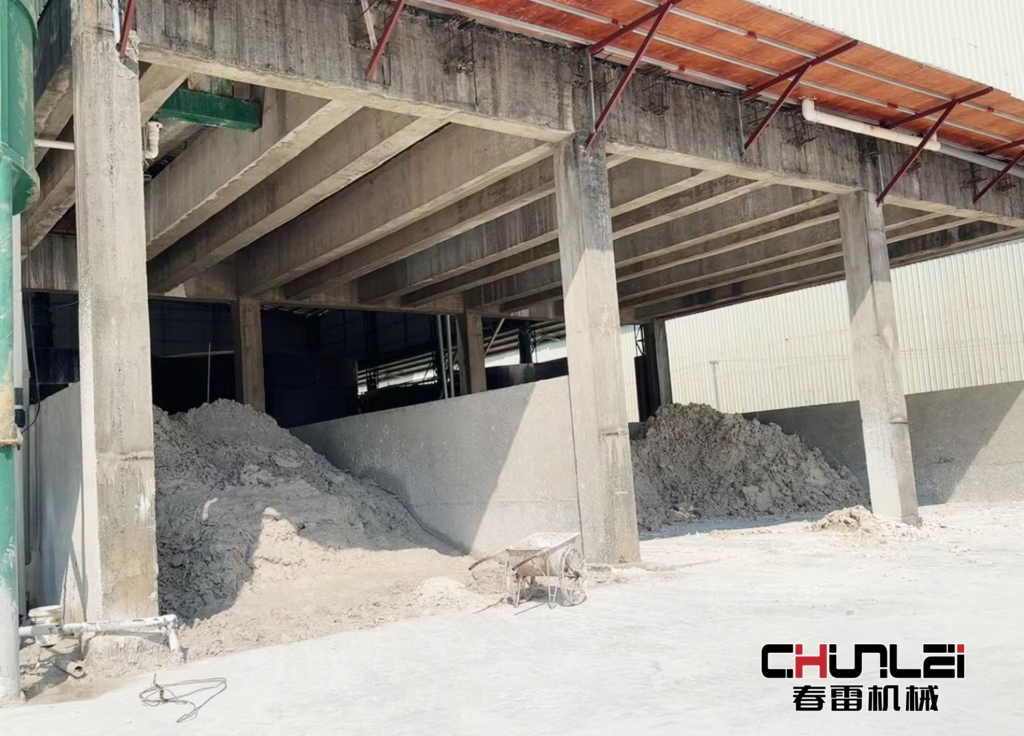
Core Characteristics and Application Value of High-Purity Kaolin
| Property Category | Core Characteristics | Specific Description and Industrial Value |
| Optical Properties | High whiteness and brightness | Features exceptionally high natural whiteness and calcination whiteness (typically >90%), delivering outstanding coverage, brightness, and pure base color for paper, coatings, ceramics, and plastics while reducing the need for expensive pigments like titanium dioxide. |
| Physical Form | Fine particle size and narrow distribution | Advanced processing enables micron- or even nano-level particle sizes with uniform distribution. This ensures outstanding gloss, smooth tactile feel, strong hiding power, and excellent suspension stability. |
| Surface Chemistry | Excellent dispersibility and rheological properties | Particles disperse uniformly and stably in both aqueous and organic systems, delivering ideal rheological properties (e.g., thickening, suspension). This is critical for coating performance in paints and inks, as well as for forming ceramic slurries. |
| Chemical Composition | Chemical inertness and electrical insulation | Primarily composed of silicoaluminate, it exhibits stable properties, excellent acid and alkali resistance, low electrical conductivity, and outstanding thermal stability. This makes it an ideal filler for manufacturing high-performance cables, rubber, plastics, and chemically resistant coatings. |
| Crystal Structure | Plate-like crystal structure and reinforcing properties | Its unique microcrystalline flake structure creates effective barrier pathways within composite materials. This enhances the impermeability of coatings, improves the barrier properties of plastic films, and increases the mechanical strength, stiffness, and dimensional stability of rubber and plastics. |
High-purity kaolin is hailed as the “white gold” of modern industry. With its high whiteness and fine particle size, it has become a core raw material for high-end sectors such as papermaking, premium coatings, and pharmaceuticals.
Kaolin Processing Technology: From Primary Processing to Deep Purification
Kaolin beneficiation primarily employs two processing routes: dry and wet methods.
The dry process is a relatively simple and cost-effective kaolin processing method. Its core lies in transforming raw ore into compliant powder products through physical methods—crushing, drying, grinding, and classification—without using water.
Dry Processing Flowchart:
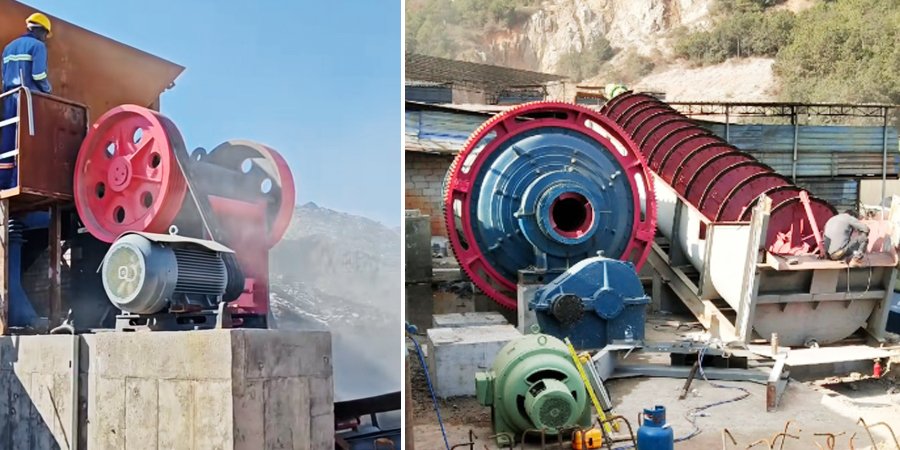
- Primary Crushing: Kaolin is crushed by a jaw crusher into 20-30mm chunks suitable for drying and grinding.
- Drying: The crushed material passes through a dryer to remove free water and partially bound water, reducing moisture content to a level suitable for subsequent grinding.
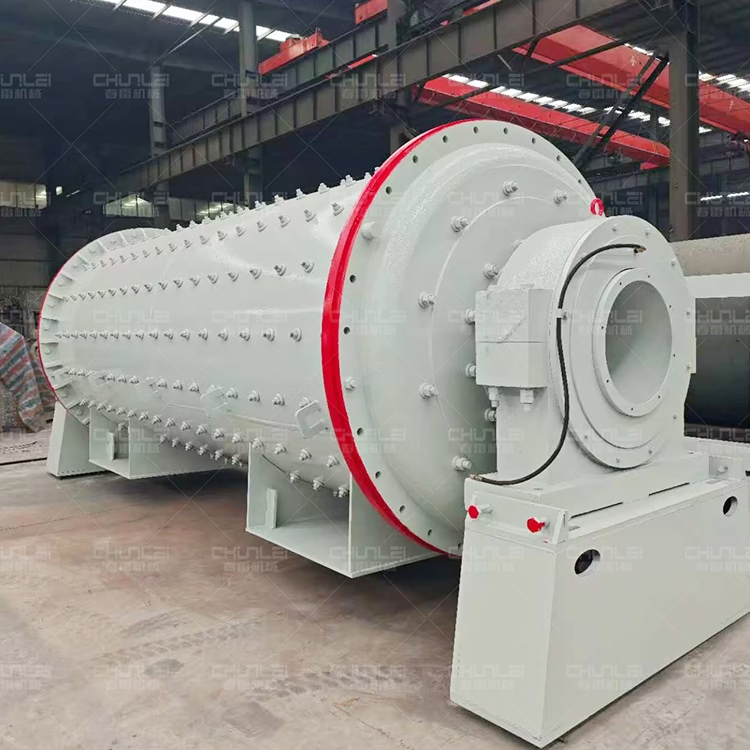
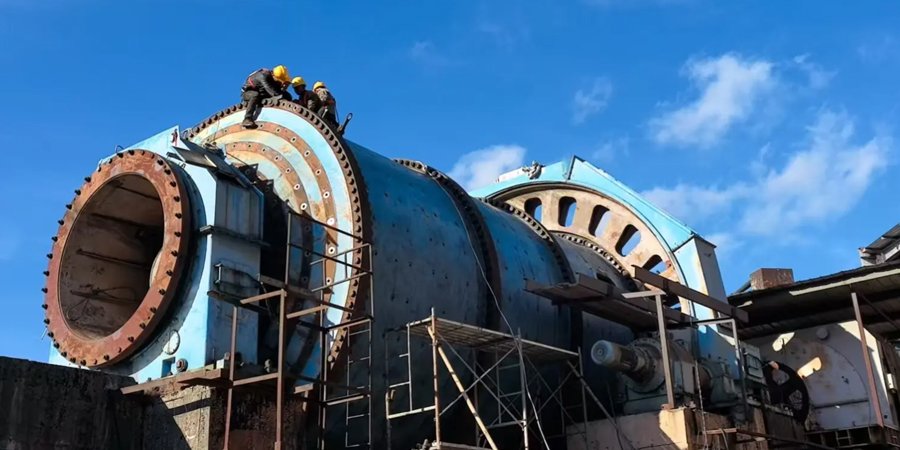
- Grinding and Classification: The dried lumpy kaolin is fed into ball mills or Raymond mills to grind it into fine powder. Qualified fine powder is separated, while coarse particles are returned for further grinding.
- Product Collection: Qualified fine powder enters a dust collector for collection. Simultaneously, ensure exhaust gas meets emission standards to protect the environment while improving recovery rates.
Although the dry process is the most fundamental and economical method for kaolin processing, it is better suited for high-quality raw ore due to its limited purification capacity.
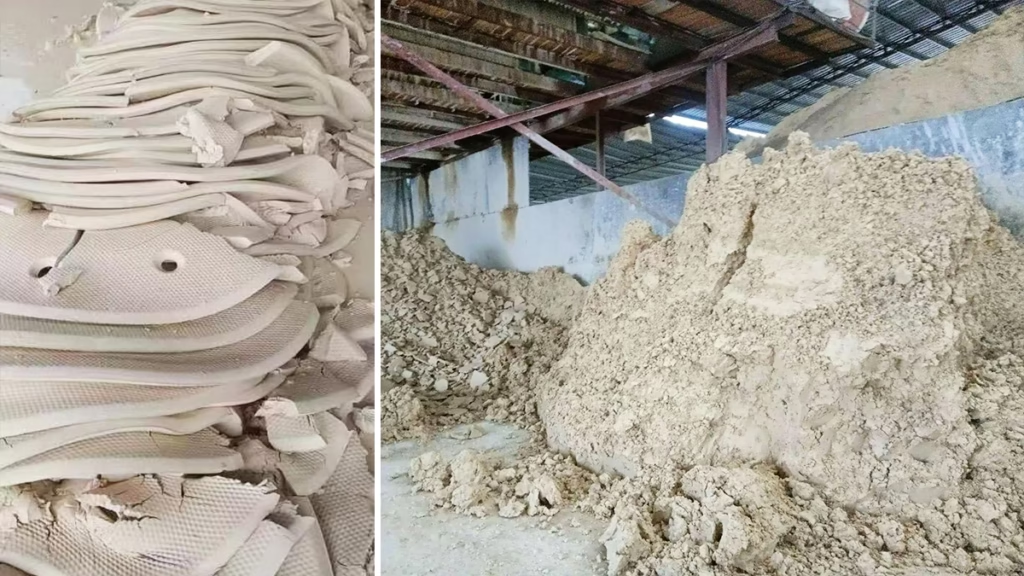
The wet process is a refined processing technique that utilizes water and physicochemical methods to separate impurities and refine particles. It transforms ordinary earthy ore into the “white gold” of high-tech industries, realizing its high value. However, this process is also a precise, efficient, and high-operating-cost technology.
Kaolin Wet Processing Flowchart:
- Crushing: Raw kaolin ore is crushed using a jaw crusher. The crushed ore is mixed with water to form a slurry, preparing it for subsequent stages.
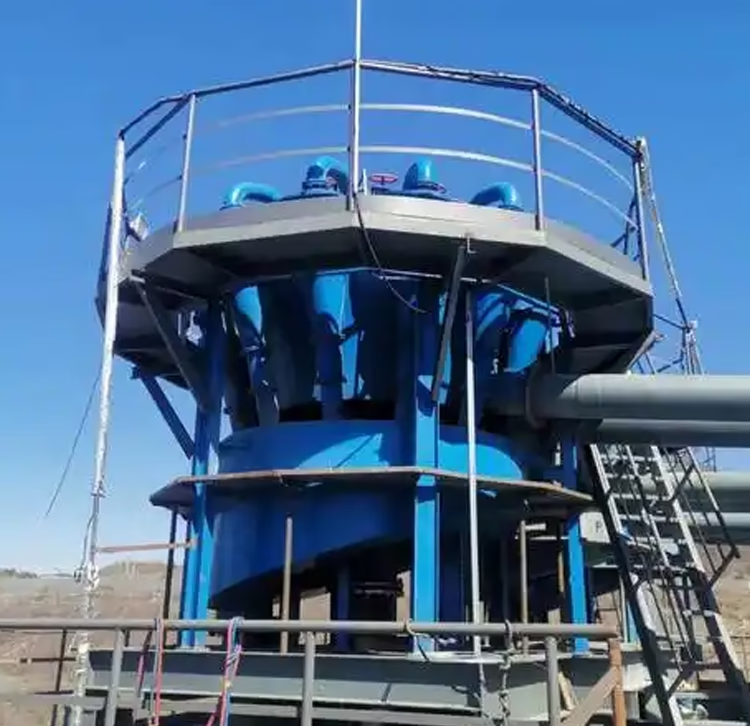
- Grading and Sand Removal: Separate coarse, medium, and ultrafine particles based on settling velocity using vibrating screens, drum screens, or hydrocyclones.
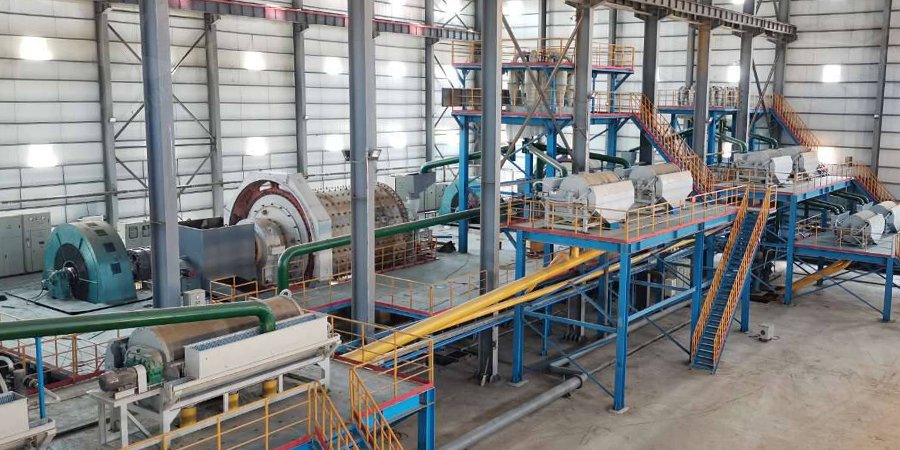
- Grinding: Further exfoliate thicker kaolinite crystals into thinner, smaller flakes using grinding mills.
- Magnetic Separation: Remove iron and titanium compounds via magnetic separators to enhance whiteness.
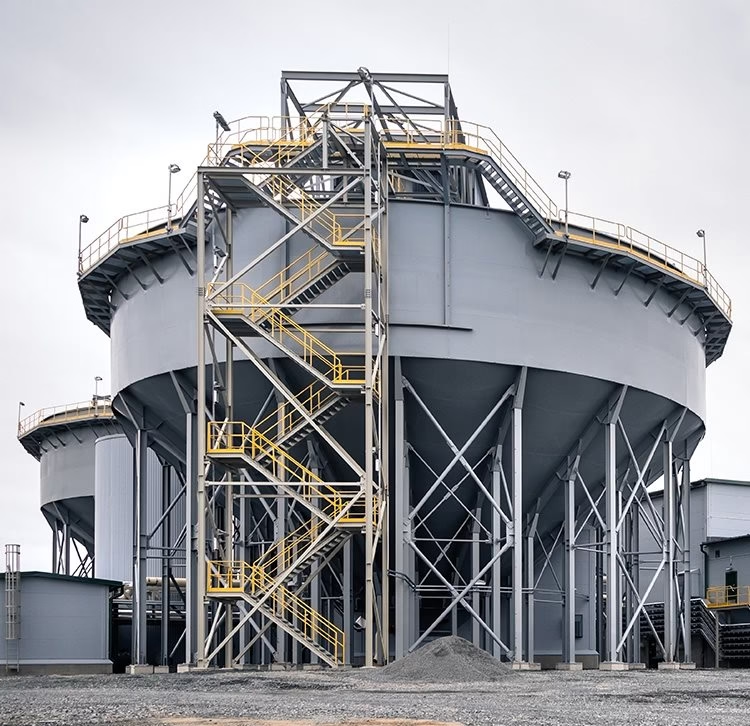
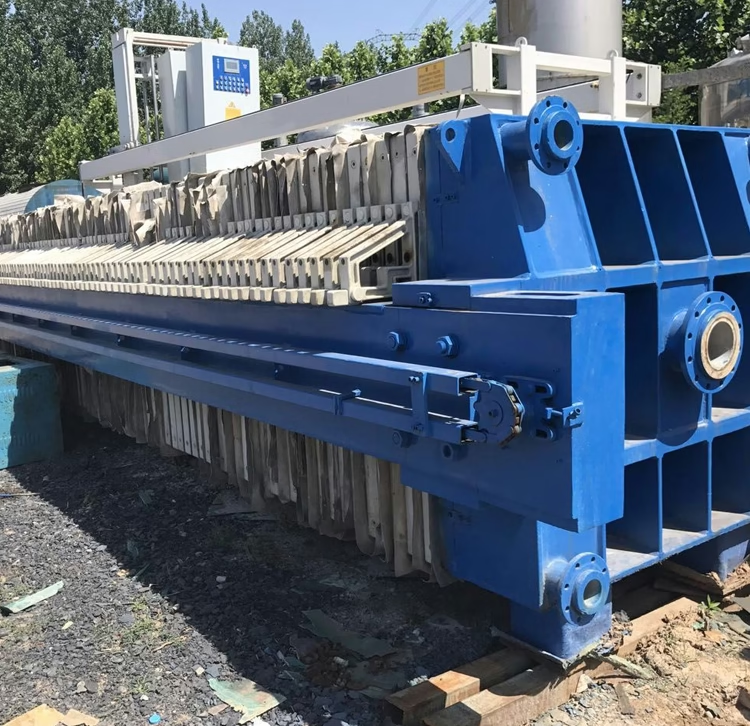
- Drying: Concentrators convert the purified, whitened slurry into solid powder. Filter presses dewater the slurry into filter cakes with approximately 30% moisture content.
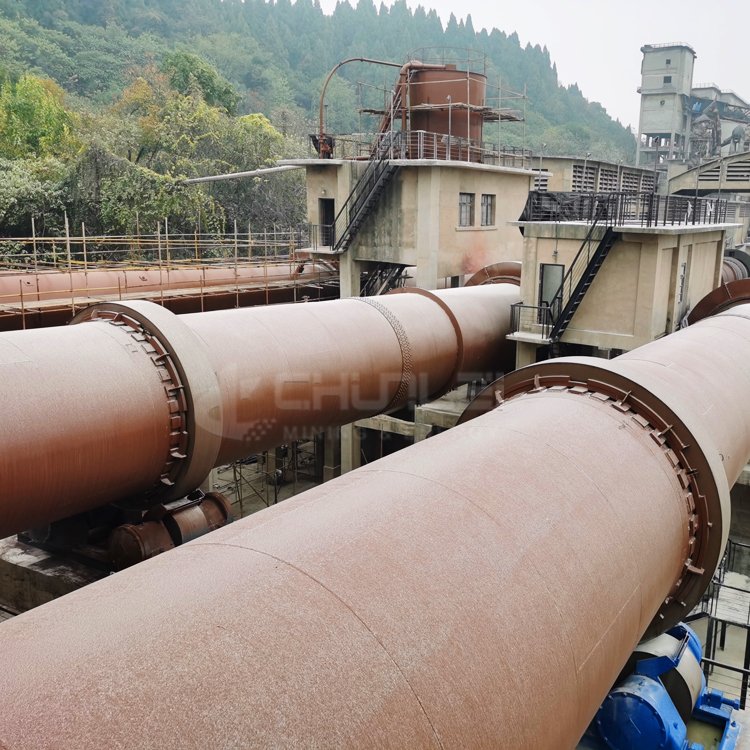
- Processing: Calcination in rotary kilns enhances the kaolin’s whiteness, porosity, and insulation properties, making it suitable for high-end applications.

Comparison of Dry and Wet Processing Methods for Kaolin
| Comparison Dimensions | Dry Process | Wet Process |
| Core Principles | Separates impurities through physical methods such as drying, crushing, and classification. | Utilizes water as a medium to purify through physicochemical methods including dispersion, classification, magnetic separation, and bleaching. |
| Process Flow | Raw ore → Crushing → Drying → Grinding → Classification → Product | Raw ore → Pulping → Sand removal → Classification → Magnetic separation/Bleaching → Dewatering → Drying → Product |
| Product Features | Whiteness: Lower | Whiteness: High (significantly enhanced through bleaching and magnetic separation) |
| Fineness: Coarser, typically -325 mesh (approx. 45μm) | Fineness: Ultra-fine, reaching -2μm content >90% | |
| Purity: Low, incomplete impurity removal | Purity: High, effectively removes coloring impurities like iron and titanium | |
| Crystal Form: Flake structure prone to destruction | Crystal Form: Retains flake structure well, benefiting application performance | |
| Investment and Costs | Investment Cost: Low | Investment Cost: High (equipment, facilities, supporting infrastructure) |
| Production Cost: Low (low energy consumption, no water treatment) | Production Cost: High (High energy consumption; involves water, chemicals, and wastewater treatment) | |
| Energy Consumption and Environmental Impact | Energy Consumption: Low (primarily electricity and fuel) | Energy Consumption: High (Slurry conveyance, agitation, dewatering, drying) |
| Environmental Impact: Mainly dust and noise pollution | Environmental Impact: Generates substantial wastewater requiring wastewater treatment systems | |
| Level of Automation | Relatively low, simple process | Suitable for continuous, automated large-scale production |
| Primary Application Areas | Ceramics, refractories, low-to-mid-range fillers in rubber and plastics, cement | High-end paper coatings, premium ceramics, paints & coatings, specialty functional materials |
What are the stringent standards that high-purity kaolin products must meet for high-end industries?
To establish a foothold in the high-end market, high-purity kaolin must satisfy a series of rigorous physical, chemical, and process performance metrics. The following table summarizes key standards across different industries:
| Application Areas | Core Performance Metrics | Chemical Composition Requirements | Process and Safety Requirements |
| Paper Manufacturing (Coatings) | High whiteness (≥85-90%), fine particle size (-2μm content must be controlled), low viscosity, high hiding power, excellent dispersibility | Low content of coloring oxides such as iron (Fe₂O₃) and titanium (TiO₂) | Maintain intact flake crystal structure to enhance gloss and printability |
| Ceramics | Plasticity, bonding strength, adequate fineness, sintered whiteness | Stable alumina-silica ratio (Al₂O₃/SiO₂), with strict control of impurities including iron (Fe₂O₃) and titanium (TiO₂) | Ensure high strength and ideal glaze effect after firing |
| Paints/Coatings | High whiteness and brightness, high hiding power, superior dispersibility, suitable oil absorption value, controlled particle size distribution (e.g., D50, D90) | Low impurities such as iron (Fe₂O₃) and titanium (TiO₂) | Chemically inert, weather-resistant, and highly compatible with the system |
How to Obtain a Complete Series of Kaolin Processing Solutions?
To acquire a customized, integrated solution for high-purity kaolin mining and deep processing, it is essential to comprehensively consider resources, technology, equipment, and the target end product.
- Raw material assessment to determine ore characteristics
- Development of customized process solutions
- Selection of collaborative suppliers
CHUNLEI is a professional mining machinery supplier and manufacturer. Our engineers will conduct a comprehensive analysis based on your kaolin characteristics and tailor a process flow diagram to ensure maximum purity and recovery rates. CHUNLEI also offers a complete range of equipment, including jaw crushers, ball mills, magnetic separators, and rotary kilns. For any questions or technical challenges, feel free to consult us anytime. We will provide expert guidance and technical support to ensure your success.
Latest News

Bulk Density of Sand: Test Methods & Equipment Selection Guide
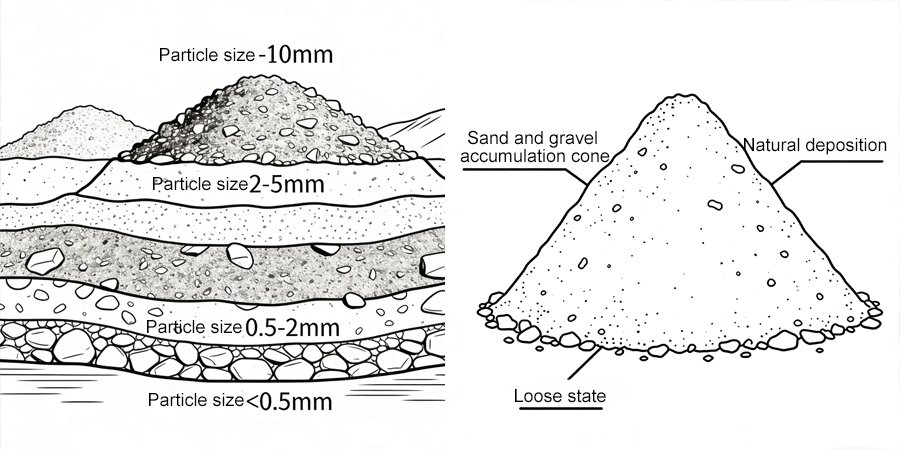
800If you work in the sand and gravel processing industry, you’ve probably heard the term “bulk density”—but do you know how it directly impacts your equipment selection? Choosing the wrong feeder or crusher based on inaccurate density data can le…
-
2026 Zimbabwe Gold Mine Ball Mill Buyer’s Guide: Avoid Costly Mistakes & Choose the Right Model
805Decades of experience in global gold mining reveals a common, costly mistake: Zimbabwe mine owners waste tens of thousands of dollars on mismatched ball mills. A machine that works for a South African hard rock mine will fail in Zimbabwe’s dust…
-
7 Common Ball Mill Faults & Quick Fixes for Mining Sites
805If you are responsible for operating a gold or ore beneficiation production line, you undoubtedly understand just how frustrating it is when a ball mill suddenly malfunctions—whether the issue involves vibration, overheating, a drop in output, …
-
Case Study: 100TPD Gold Processing Line with Ball Mill in Africa
801If you are planning to establish a 100-ton-per-day (100 TPD) gold beneficiation production line in Africa, you are likely facing a common dilemma: Which type of ball mill is best suited for processing African gold ores? Can the equipment effect…
loading…
已经是到最后一篇内容了!