 Chunlei Mining Machinery
Hot-selling grinding equipment: Ball mill + classification production line
The “ball mill + classification production line” represents the mainstream solution for dry ultra-fine powder processing today. It integrates grinding and particle size control within a closed-loop system, enabling efficient and economical production of uniformly fine finished products. This article provides a comprehensive analysis of the ball mill plus classification system.
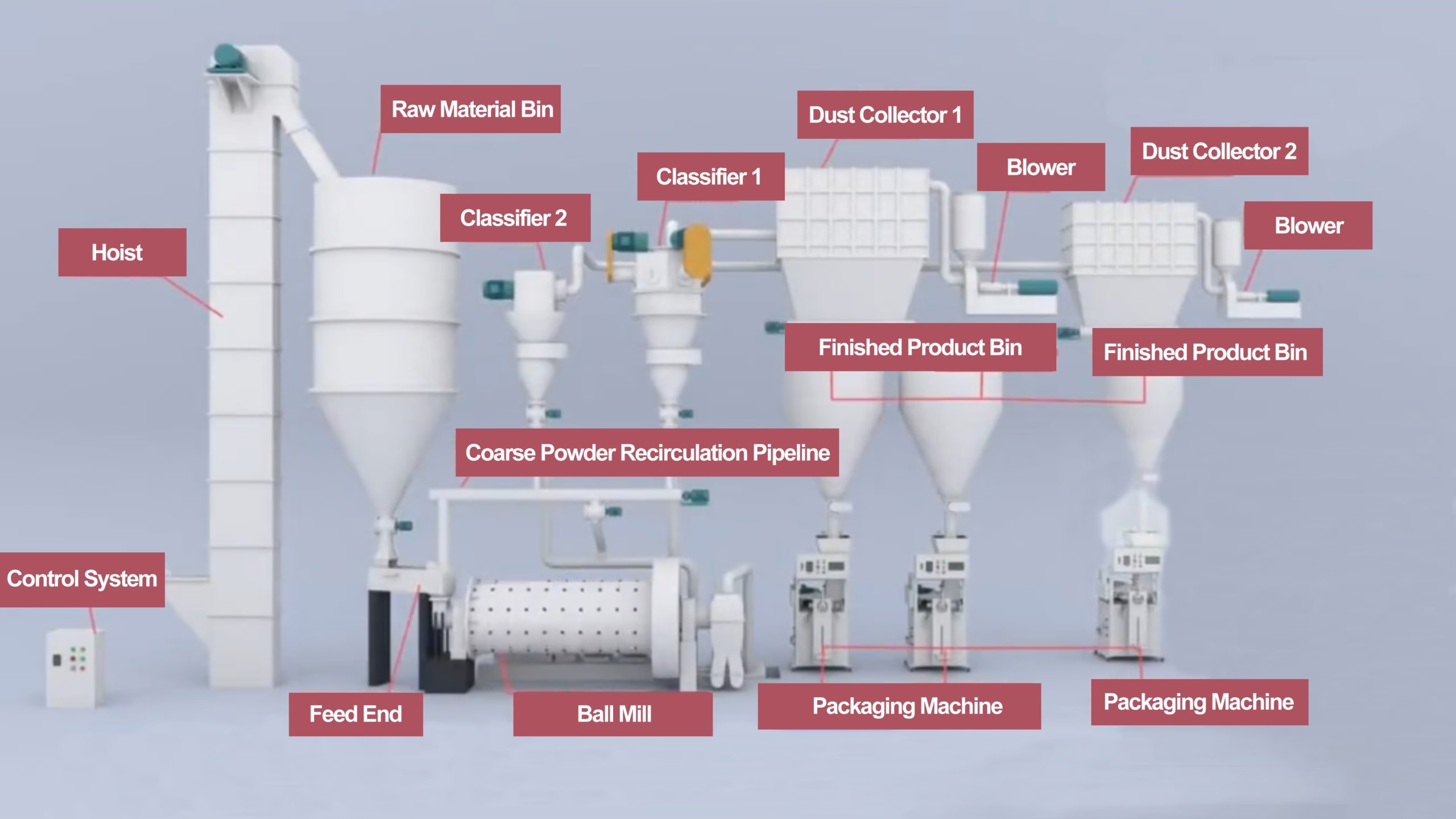
Working principle of the ball mill + classification system
The ball mill plus classification system enables robust, efficient, and precise powder preparation. Let’s examine its operational process.
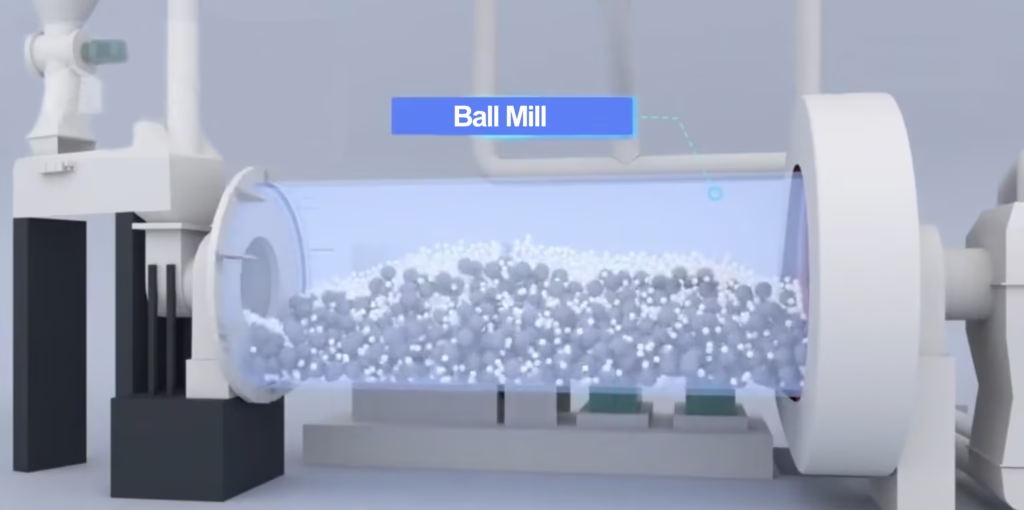
First, materials are elevated by an elevator into the raw material silo. Then, they are fed into the ball mill via a quantitative weighing belt feeder. Inside the mill, the materials are continuously crushed by the impact of grinding balls. The resulting fine powder is carried by airflow into two classifiers for particle size separation.
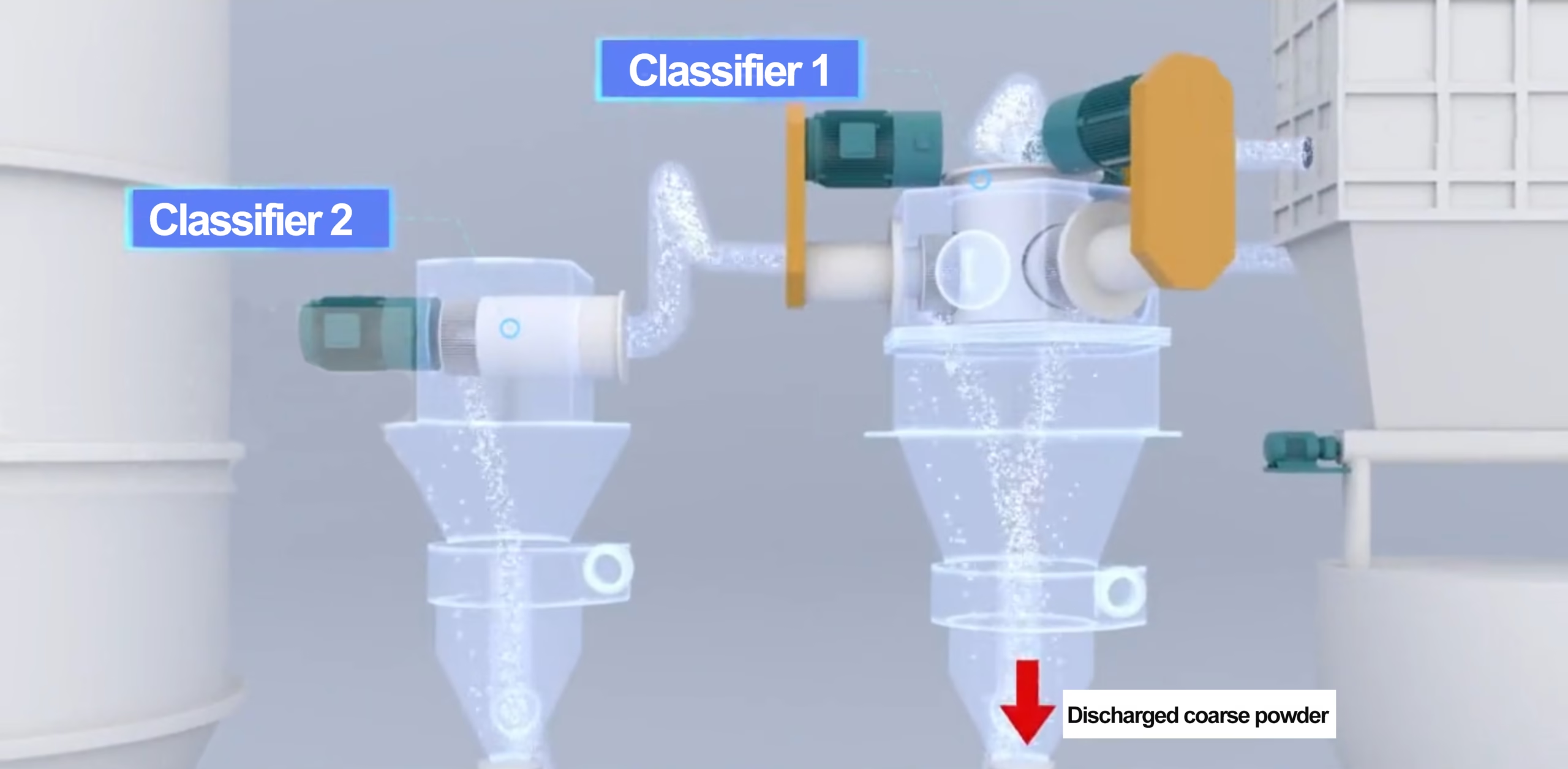
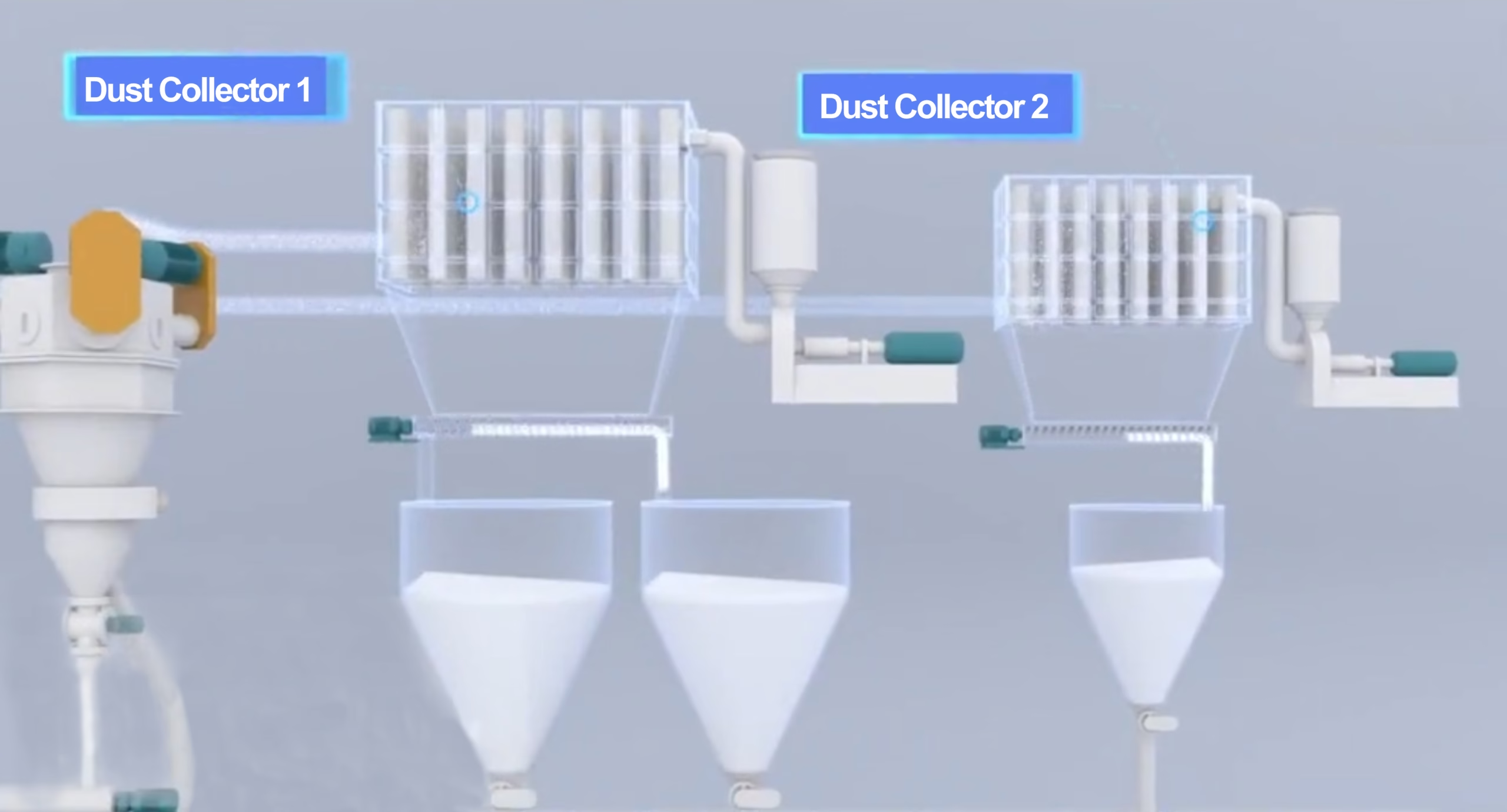
Classifier 1 primarily grades finer powders, while Classifier 2 handles coarser particles. Coarse powder discharged from Classifier 1 is directed to Classifier 2 for re-grading. The coarse powder from classification can be returned to the feed end of the ball mill. After mixing with raw materials, it re-enters the ball mill for regrinding, forming a closed-loop processing system. The fine powder from classification is carried by airflow into a high-pressure pulse dust collector for simultaneous collection of both particle sizes. Finally, the finished product is discharged to the finished goods warehouse for storage and packaged by the packaging machine.
The Difference Between a Single Ball Mill and a Ball Mill Classification System
| Characteristic Dimensions | Ball Mill + Classifier Production Line (Mainstream) | Traditional Single Ball Mill |
| Process Core | Closed-Circuit Circulation: Ball mill grinding, real-time classification by classifier, coarse powder returned for regrinding. | Open Circuit Single Pass: Grinds and discharges material in one pass without classification. |
| Final Product Particle Size | Precise control with narrow particle size distribution. | Wide particle size distribution, prone to overgrinding or substandard particle size. |
| System Efficiency | High efficiency, avoiding over-grinding of qualified fine powder, achieving up to 40% energy savings. | Low efficiency, high energy consumption. |
| Production Capacity Flexibility | High flexibility, enabling simultaneous production of multiple product specifications through series/parallel classifier configurations. | Single-purpose, typically producing only one product per unit. |
| Automation Level | High reliability, typically employing PLC centralized control. | Lower production capacity. |
What types of production lines are suitable for the “ball milling + classification” system?
The “ball milling + classification” system is not suitable for all scenarios. It is a specialized solution optimized for dry processing, ultrafine grinding, and large-scale continuous production requirements. Its applicability primarily depends on three core factors: material properties, product specifications, and production mode.
| Evaluation Criteria | Ideal Applications | Situations Where It May Not Be Suitable |
| Material Properties | Dry materials (low moisture content, non-sticky) | Wet, sticky materials (e.g., kaolin slurry) |
| Medium to high hardness (Mohs hardness below 9, e.g., quartz, feldspar) | Materials with extremely low melting points or heat sensitivity (system may generate heat) | |
| Sensitive to contamination (can be protected with ceramic lining) | Fibrous, tough materials (difficult to crush by impact) | |
| Product Requirements | High fineness requirements (D97 between 2-150 microns) | Coarse fineness requirements (e.g., >200 mesh/74 microns) |
| Narrow and uniform particle size distribution required | Special particle shape requirements (e.g., need to preserve crystal edges) | |
| Requires switching between multiple product types and specifications | ||
| Production Scale | Large-scale continuous production (annual output ranging from thousands to tens of thousands of tons) | Small-batch experimental or production runs |
| Ultra-low-scale operations (daily output < 1 ton) | ||
| Investment and Energy Consumption | Pursuit of long-term comprehensive energy efficiency (willing to invest higher upfront costs for energy savings) | Extremely limited initial investment budget |
| Temporary production where energy consumption is not a primary concern |
Applicable Industries
This system boasts an exceptionally broad range of applications, covering virtually all industries requiring dry-processed ultrafine powders:
- Non-metallic Minerals and Building Materials: Calcium carbonate (calcite, marble), silica fume (quartz), kaolin, talc, barite, and similar materials represent its most classic application areas.
- Refractories and Abrasives: Used for ultrafine grinding and classification of hard materials like silicon carbide, brown fused alumina, and white fused alumina, producing fine abrasives and high-grade refractory raw materials.
- Advanced Ceramics and Electronic Materials: Produces ceramic powders such as high-purity alumina, zirconia, and silicon nitride, which demand extremely high purity and fineness. The system can be configured with fully ceramic linings and contact components to achieve zero iron contamination.
- Metallurgical Chemicals & New Materials: Processes fly ash, slag powder, metal powders (e.g., iron, molybdenum), and various compounds for ultrafine grinding.
How to Determine Suitability for This Production Line?
- Material: This system excels at grinding brittle, dry materials sensitive to moisture.
- Product: This system excels when achieving fineness above 325 mesh (45 microns) with a narrow particle size distribution.
- Production: Suited for continuous, large-scale production lines.
- Budget: Initial investment is higher, but long-term energy savings provide significant returns.
Conclusion
If your production line requires continuous, large-scale processing of dry, medium-hard brittle minerals into high-value-added ultrafine powders, with specific requirements for particle size control, product purity, or system energy consumption, then a “ball milling + classification” system is likely your optimal technical choice.
If you could provide the specific material name, target fineness, and anticipated production capacity, I can offer a more tailored feasibility analysis.
Latest News

Gravity Concentration vs. Flotation for Gold: Which Process Should You Choose?
800In gold beneficiation projects, many mining engineers face a critical question: Why does the final gold recovery rate consistently fall short of expectations, even when grinding fineness and reagent regimes are strictly maintained according t…
-
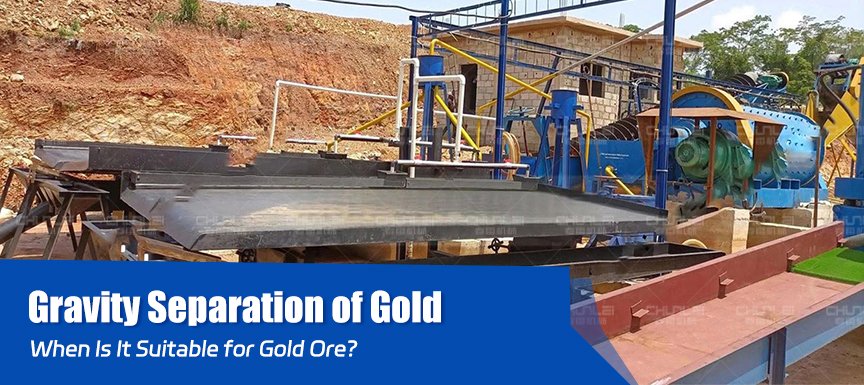
Gravity Separation for Gold: When Is It Suitable for Gold Ore?
800Many people immediately associate “gold ore” with gravity separation, yet not all gold deposits are suitable for recovery using gravity methods alone. Gravity separation is appropriate for liberated native gold or other heavy minerals that ex…
-
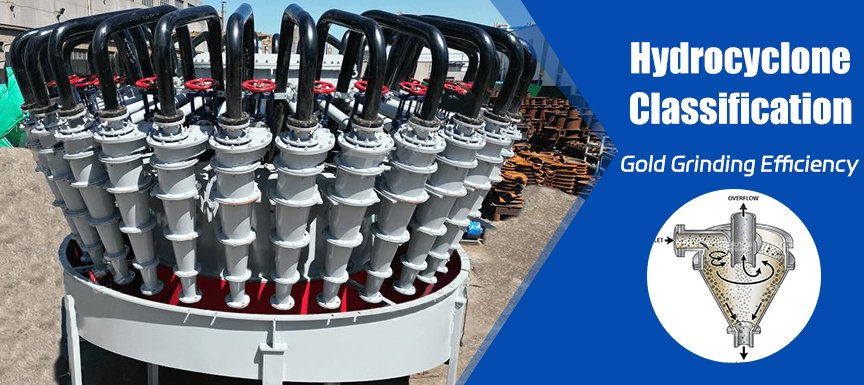
How Classification Affects Gold Grinding Efficiency
800In gold ore grinding circuits, attention is often focused primarily on ball mill capacity, power consumption, and grinding media; however, in actual operation, classification plays an equally critical role in determining grinding efficiency. …
-
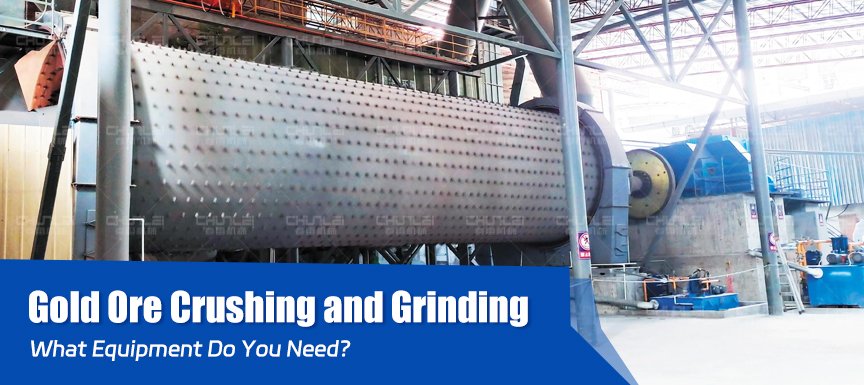
Gold Ore Crushing and Grinding: What Equipment Do You Need?
800When designing a gold ore processing line, my clients often ask which crushers and mills to purchase. However, the equipment selection should actually be based on a thorough understanding of the ore characteristics. Issues in many projects do…
loading…
已经是到最后一篇内容了!