 Chunlei Mining Machinery
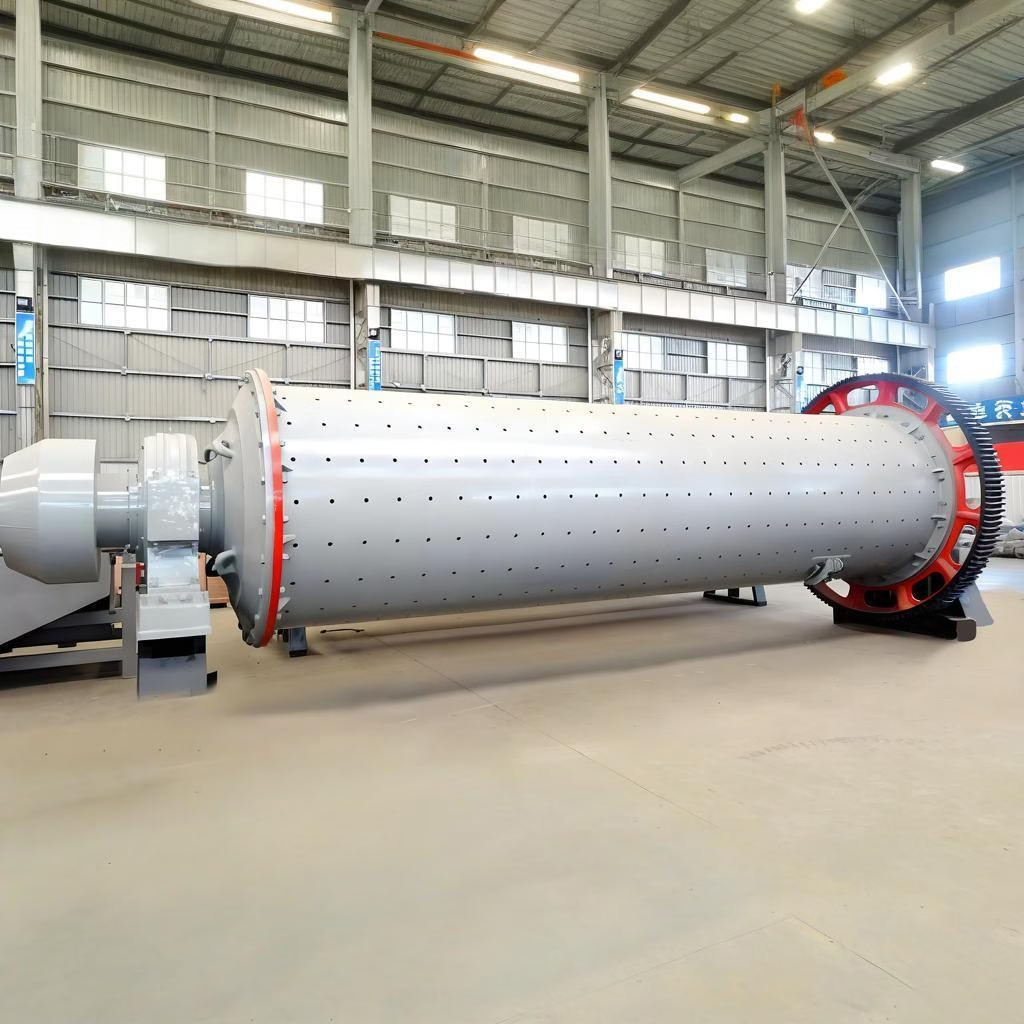
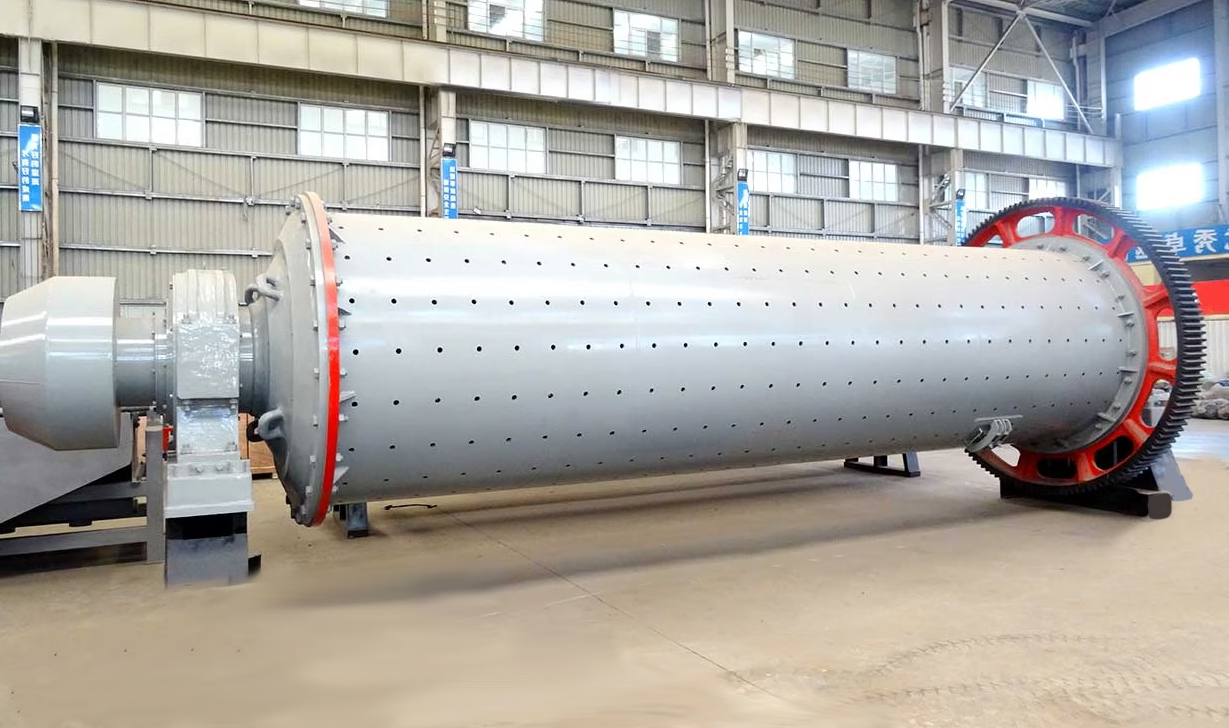
Ceramic Ball Mill
- Want to grind hard minerals into fine powder but worried about metal contamination affecting product purity? CHUNLEI ceramic ball mills, featuring fully ceramic linings and grinding media, perfectly solve the contamination issues caused by traditional metal mills, ushering in a new era of ultrafine grinding.
- Capacity:0.65-615t/h,Customizable
- Feeding Size: <25mm; According to Model
- Discharging Size: 0.075-0.4mm; According to Model
What is Ceramic Ball Mill?
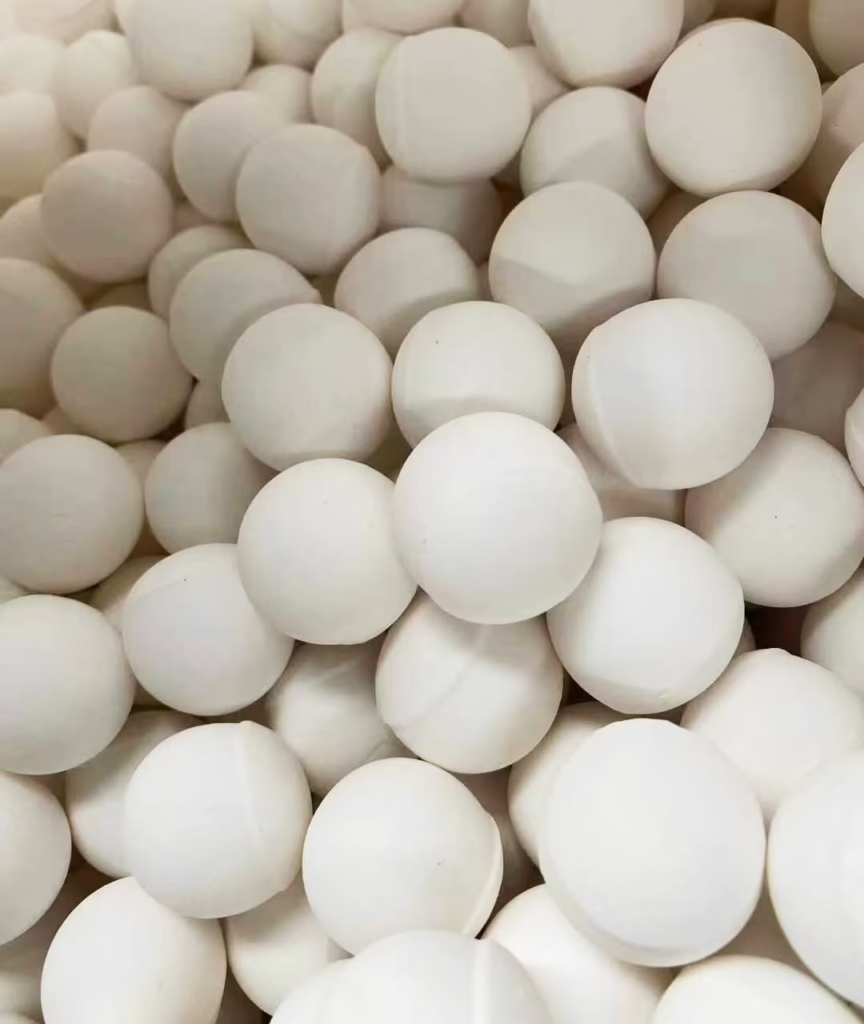
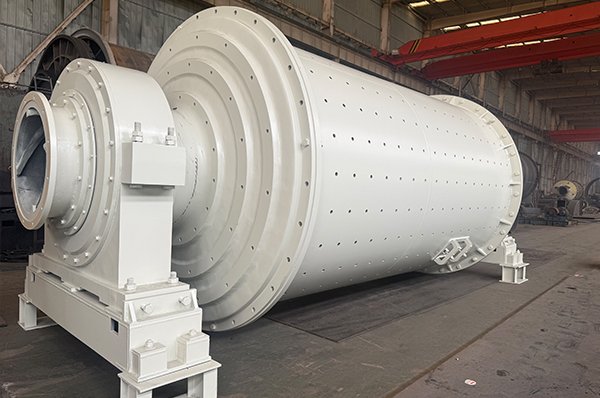
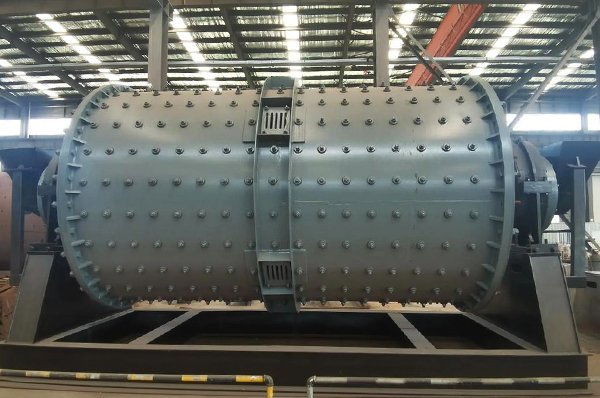
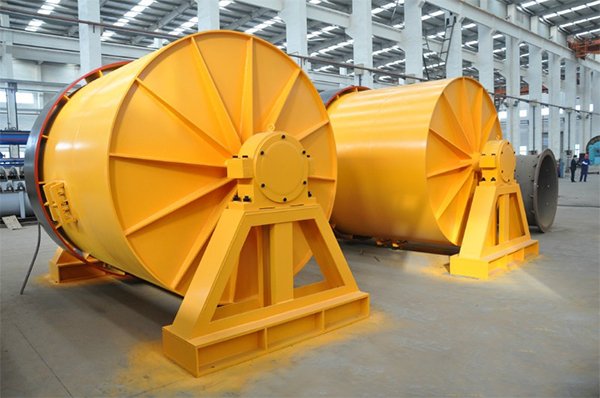
The ceramic ball mill is a core piece of equipment designed for grinding high-purity non-metallic minerals and chemical raw materials. Featuring linings and grinding media made of alumina or zirconia ceramics, it is a high-efficiency machine used for the ultrafine grinding of ceramic materials, minerals, chemical powders, and industrial powders.
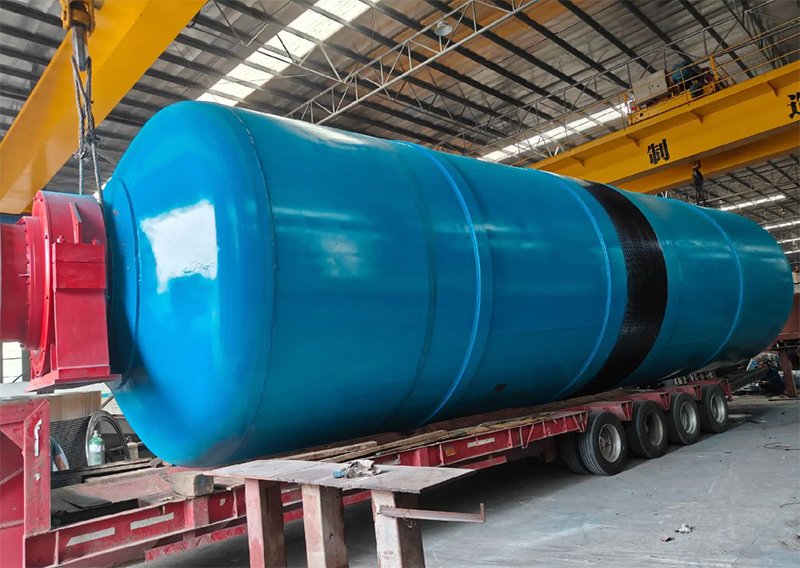
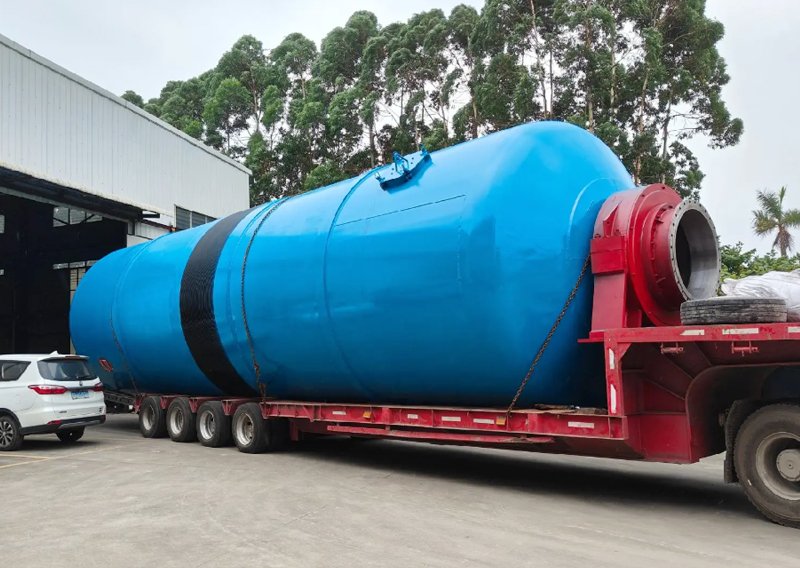
Ceramic Ball Mill Structural Features:
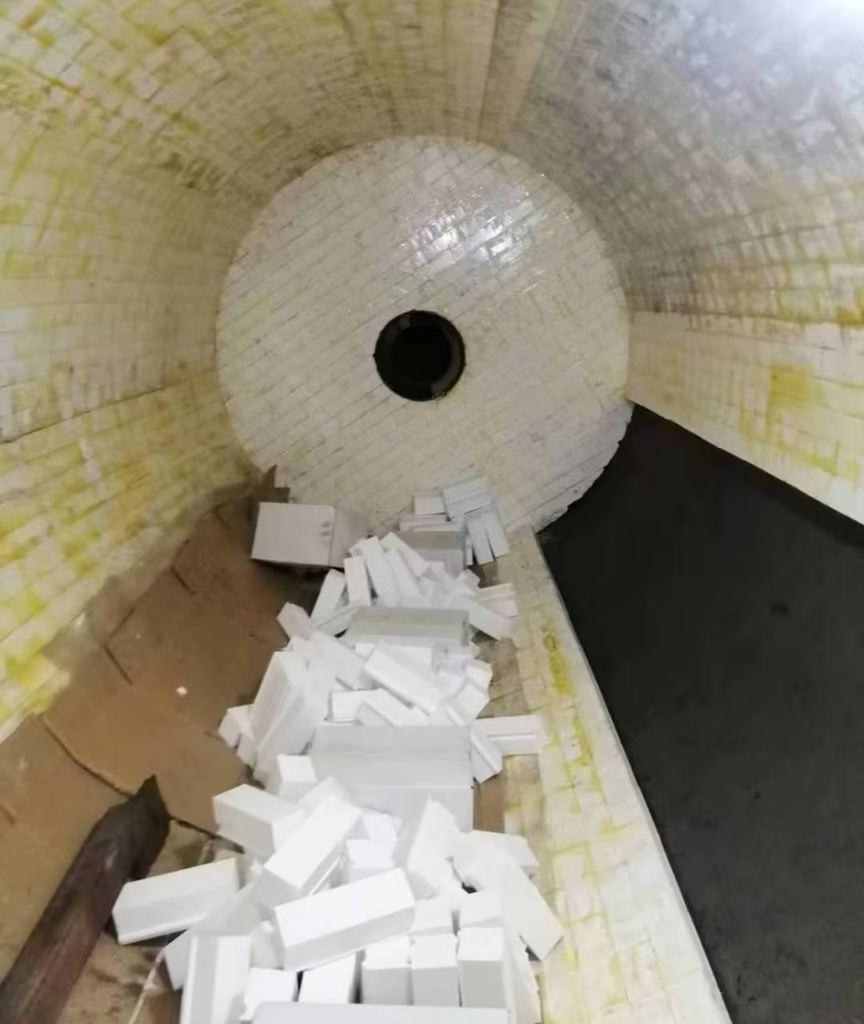
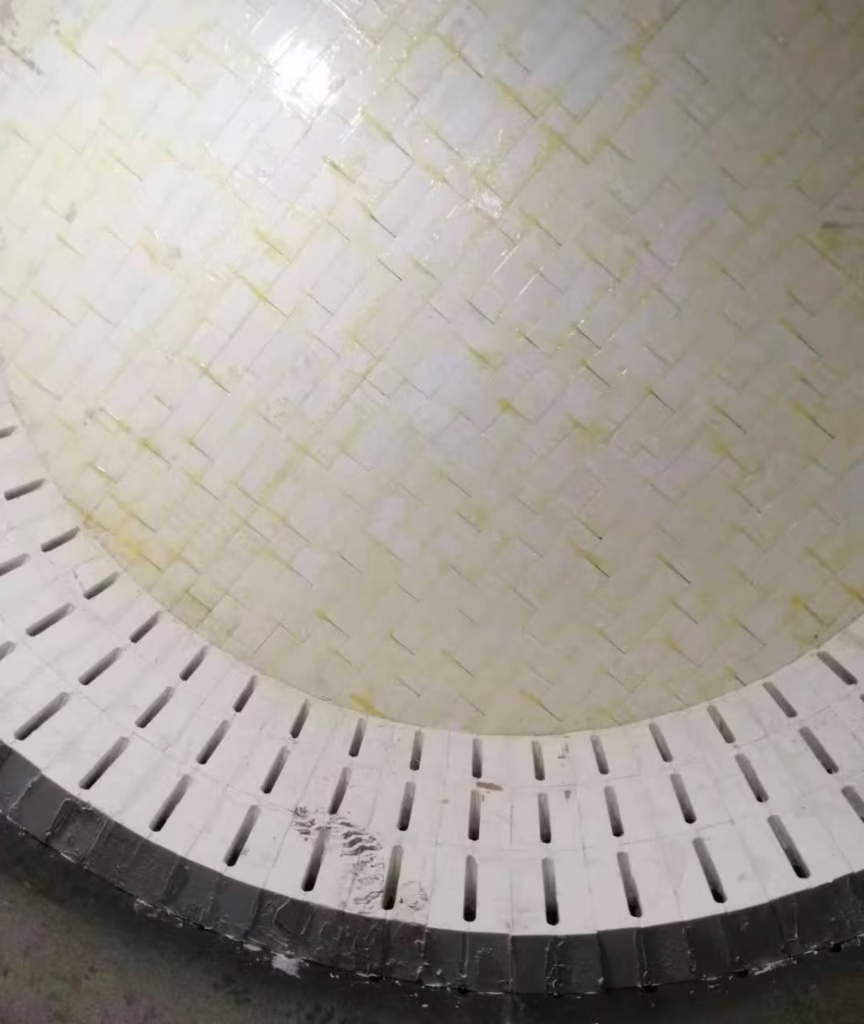
- Compartmentalized Design: The cylinder is divided into coarse grinding and fine grinding compartments, with stepped or corrugated liners optimizing the grinding path.
- Wear-Resistant Ceramic Liners: Constructed from materials like alumina and silicon carbide, these liners offer corrosion resistance, wear resistance, and prevent metal contamination.
- Flexible Drive System: Utilizes either peripheral gear transmission or variable-frequency motor drive, supporting seamless switching between dry and wet grinding modes.
Core Functions and Applicable Materials of Ceramic Ball Mills
Core Functions:
- Pure Processing: Utilizing ceramic liners and grinding media, ceramic ball mills eliminate metal ions, meeting stringent purity requirements for materials in industries such as electronic ceramics, pharmaceuticals, and food processing.
- Ultrafine Grinding: By adjusting grinding time, media size, and filling rate, materials can be pulverized to micron-level or even nanoscale fineness.
- Uniform Mixing: Supports blending diverse materials, achieving highly uniform dispersion and compounding.
Applicable Materials:
With its exceptional performance, the ceramic ball mill serves as a “universal grinder” for over 200 materials. It is widely adopted in industries requiring high-purity and precision grinding. Its advantage lies in broad material adaptability, particularly suited for:
- Ceramic Raw Materials: Kaolin, quartz sand, feldspar, clay, etc., ground for tile, sanitaryware, and refractory production.
- Chemical Raw Materials: Iron-free coatings, fuels, and high-end fillers.
- Mineral Resources: Purification and ultrafine grinding of non-metallic minerals like barite, calcite, talc, and bentonite.
- New Energy Materials: Lithium battery cathode/anode materials (e.g., lithium iron phosphate, lithium cobalt oxide, graphite) and solid electrolytes (preventing iron impurities from affecting electrochemical performance).
Why Choose CHUNLEI Ceramic Ball Mills?
Leveraging years of manufacturing expertise and experience, CHUNLEI provides high-efficiency, stable, and energy-saving grinding solutions that help enterprises reduce costs while boosting profitability.
Advantages of CHUNLEI Ceramic Ball Mills:
- High-Purity Grinding: Utilizes ceramic liners and ceramic grinding media to prevent iron contamination and ensure the purity of the finished product.
- Uniform Particle Size: Adjustable product fineness to meet diverse powder processing requirements.
- Energy Efficiency: Features high-efficiency motors and optimized grinding designs to lower specific energy consumption and operating costs.
- Long Wear Life: Enhanced wear resistance of ceramic liners reduces replacement frequency and maintenance expenses.
- Wide Material Compatibility: Suitable for processing quartz, feldspar, kaolin, alumina, glass powder, pigments, and more.
- Customizable Solutions: Tailored configurations provided based on production capacity, fineness requirements, and material characteristics.
- Global Service Support: Comprehensive support including installation guidance, technical training, spare parts supply, and after-sales service to ensure stable equipment operation.
Choosing CHUNLEI ceramic ball mills means gaining not only reliable equipment but also professional grinding process support and comprehensive after-sales service—helping your project achieve higher output, lower costs, and a superior return on investment.
Working Principle of the Ceramic Ball Mill
The ceramic ball mill operates by rotating its cylinder to drive the movement of the ceramic grinding balls inside. As the cylinder rotates, the grinding media are lifted to a certain height before falling, generating impact, compression, and frictional forces that powerfully crush and grind the material into fine powder.
Throughout the grinding process, material enters the cylinder through the inlet and is subjected to continuous impact and friction from the ceramic balls and the cylinder liners; once the desired particle size is achieved, the material is discharged through the outlet. The use of ceramic liners and ceramic grinding media effectively prevents iron contamination, making the mill particularly suitable for processing materials with high purity requirements, such as quartz, feldspar, kaolin, alumina, glass powder, and pigments.
What are the differences between ball mills, rod mills, and ceramic ball mills?
Ball mills, rod mills and ceramic ball mills each have distinct focuses in terms of principle, structure, and application. Below is a core comparison table of ball mills, rod mills, and ceramic ball mills, compiled based on equipment structure, working principle, applicable scenarios, and performance characteristics:
| Comparison Dimensions | Ball Mill | Rod Mill | Ceramic Ball Mill |
| Equipment Type | Traditional grinding equipment utilizing steel balls as grinding media | Utilizes steel rods as grinding media, emphasizing line contact grinding | Features ceramic liners + ceramic media (e.g., zirconia balls) to eliminate metal contamination |
| Working Principle | Steel balls are lifted to high altitudes by centrifugal force before being released to fall/tumble, achieving dual impact and grinding effects | Steel rods engage in line contact, selectively grinding coarse particles while allowing fine particles to pass through rod gaps, reducing over-grinding | Ceramic media impacts, compresses, and grinds materials through rotary grinding, supporting both dry and wet grinding modes |
| Grinding Media | Steel balls (diameter 20-125mm), filling rate 40%-50% | Steel rods (diameter 75-150mm, length ≤6.1m), filling rate 35%-45% | Ceramic balls (e.g., high-alumina ceramic balls, zirconia balls) with density 2.6-6.0 g/cm³, low self-abrasion, suitable for high-purity requirements |
| Structural Features | Cylinder length-to-diameter ratio ≈ 1 (primarily short-cylinder type), curved inner surface of end cover liners | Cylinder length-to-diameter ratio 1.5-2.0; end cover liner inner surface forms vertical plane; discharge end hollow shaft features larger diameter | Compartmentalized mill design (coarse grinding chamber + fine grinding chamber) using wear-resistant ceramic liners (e.g., alumina/silicon carbide), supports variable frequency speed control |
| Suitable Materials | Widely applicable to metal ores, cement, chemical raw materials, etc., with exceptional material adaptability | Tungsten-tin ore, rare metal ore gravity/magnetic separation; replaces cone crushers for coarse crushing; produces construction aggregates | High-purity ceramic raw materials (e.g., kaolin, quartz sand), electronic ceramics, pharmaceutical/food-grade materials—eliminates metal contamination |
| Discharge Method | Overflow type/grate type: Grate plates are prone to clogging but discharge material quickly; overflow type is easier to manage but has longer residence time | Overflow/open type; no grate plate; large discharge end diameter supports peripheral discharge (end/mid-section) | Flared discharge port + screw conveyor (wet grinding), straight discharge port + air extraction dust removal (dry grinding), fineness controlled by processing time |
| Particle Size Control | Can achieve 80% passing 200 mesh, but severe over-grinding occurs | Product particle size uniform (80% ≤ 2.0-0.5mm), minimal over-grinding, suitable for coarse grinding or pre-grinding | Flexible fineness adjustment (80 mesh to nanoscale), particularly suited for ultrafine powder processing (e.g., 0.05mm zirconia beads) |
| Energy Consumption and Efficiency | High capacity but significant energy consumption (only 5%-7% of input power used for effective grinding) | Capacity approximately 15%-20% lower than ball mills, but 20%-30% more energy-efficient in specific scenarios (e.g., wet grinding) | 10%-15% energy savings (wet grinding mode); autotransformer reduced-voltage start reduces current draw; ideal for small-batch/high-value material production |
| Advantages and Disadvantages | Advantages: Strong adaptability, high capacity, suitable for both dry and wet grinding; Disadvantages: Severe over-grinding, risk of metal contamination | Advantages: Uniform particle size, minimal over-grinding, suitable for coarse grinding; Disadvantages: Low production efficiency, tendency for grinding media entanglement (due to long rod limitations) | Advantages: No metal contamination, energy-efficient and eco-friendly, controllable fineness |
How do you choose?
Based on the comparison above, you may wish to consider the following recommendations:
- For large-scale production: A continuous ceramic ball mill is the clear choice. Although the initial investment is higher, the cost can be recouped within a short period.
- For small-batch, multi-variety production or the manufacture of high-end specialty ceramics: A batch-type ceramic ball mill—specifically a small-capacity ceramic jar mill—is a suitable option. It offers greater flexibility, allowing for easy material changes and thorough cleaning to prevent cross-contamination.
- For primary coarse grinding in industries such as mining or cement production: A traditional ball mill with steel liners remains the best choice, as it is more rugged and durable, and is less sensitive to contamination from grinding media (i.e., iron contamination).
If you can provide further details regarding your production scale, material type, and required product fineness, CHUNLEI’s experts can prepare a free, customized equipment proposal for you.
How fine can a ceramic ball mill grind materials?
Ceramic ball mills are popular for their fine grinding capabilities, typically reducing materials to a particle size range of 5–200 micrometers (μm).
For materials such as standard ceramic raw materials, quartz sand, feldspar, and kaolin, ceramic ball mills generally achieve a finished product fineness of 200–325 mesh (75–45 μm); when paired with a classifier, some materials can even meet ultrafine powder requirements of 800–2500 mesh (18–5 μm).
Technical Parameters of Ceramic Ball Mill
| Model | Feeding capacity (t/time) | Shell rotation speed (r/min) | Reference motor (kw) | Liner material |
| 600×700 | 0.05 | 50 | 2.2 | Chinaware,silicon,rubber or metal(the related motor power varied as per the different liner materials and grinding materials) |
| 800×600 | 0.075 | 42 | 3 | |
| 900×1200 | 0.2 | 38.5 | 5.5 | |
| 1300×1500 | 0.5 | 33 | 7.5 | |
| 1500×1800 | 1.2 | 28.5 | 11 | |
| 1800×2000 | 1.5 | 24 | 15 | |
| 2600×2800 | 5 | 16.5 | 37 | |
| 3000×3800 | 10 | 14.5 | 57.2 | |
| 3200×4600 | 15 | 13.5 | 75 |
Note: The output will vary depending on different materials, feed particle size and other factors.
How can the grinding efficiency of ceramic ball mills be improved?
Improving the grinding efficiency of ceramic ball mills is crucial for enterprises processing powders such as ceramics, quartz sand, feldspar, and kaolin. The following measures can effectively enhance grinding efficiency:
- Control feed particle size: Thoroughly crushing materials before they enter the ball mill to ensure uniform feed size leads to higher grinding efficiency.
- Optimize grinding media gradation: Rationally combine ceramic balls of different sizes based on material characteristics to enhance impact and grinding effects.
- Maintain an appropriate ball charge: Insufficient ball loading reduces output, while excessive loading increases energy consumption and wear; generally, a charge occupying 30%–40% of the cylinder’s effective volume is ideal.
- Control the material-to-moisture ratio: For wet grinding, maintain an appropriate slurry concentration to avoid issues caused by the mixture being too thick or too thin.
- Select the optimal rotational speed: Excessively low speed reduces grinding capacity, while excessively high speed may cause the grinding media to centrifuge, thereby impairing grinding efficiency.
- Regularly replenish and replace grinding media: Severely worn ceramic balls reduce grinding capacity; therefore, balls should be replenished in a timely manner based on wear rates.
- Employ a high-efficiency classification system: Promptly separate qualified products to minimize over-grinding and improve overall production efficiency.
- Strengthen equipment maintenance: Regularly inspect critical components such as bearings, liners, and drive systems to ensure the equipment remains in optimal operating condition.
Price of a Complete Ceramic Ball Mill System
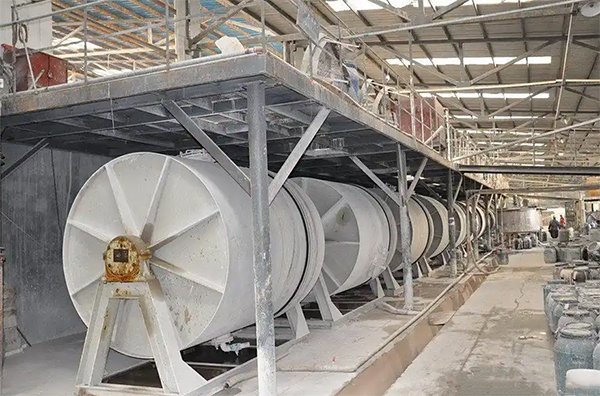
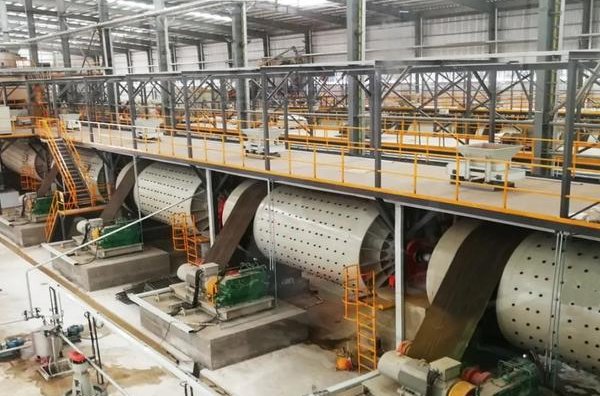
The price of a complete ceramic ball mill system depends primarily on processing capacity, discharge fineness, equipment configuration, and the level of automation. Typically, a complete ceramic ball milling production line comprises not only the main ball mill unit but also auxiliary equipment—such as systems for feeding, conveying, classifying, and dust removal—to meet diverse powder processing requirements.
| Production Scale | Processing Capacity | Reference Price (USD) | Reference Price (RMB) |
| Small-scale production line | 0.5–2 t/h | 8,000–30,000 USD | 60,000–220,000 RMB |
| Medium-scale production line | 2–10 t/h | 30,000–80,000 USD | 220,000–580,000 RMB |
| Large-scale production line | 10–30 t/h | 80,000–200,000+ USD | 580,000–1,450,000+ RMB |
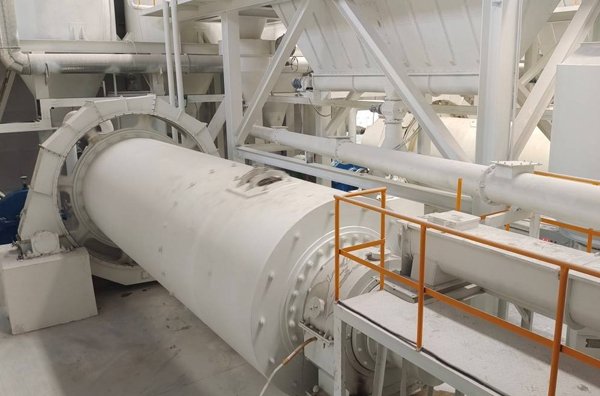
What equipment is typically included in a ceramic ball mill production line?
- Ceramic ball mill (main unit)
- Feeding equipment (vibrating feeders, belt conveyors, etc.)
- Ceramic grinding media (ceramic balls)
- Classification equipment (powder separators, air classifiers)
- Conveying equipment
- Dust removal system
- Electrical control system
- Steel structure platform and auxiliary accessories (optional)
Why is it not recommended to purchase excessively low-priced equipment?
Although some low-priced ceramic ball mills on the market require a smaller initial investment, they often suffer from the following issues:
- Low-purity ceramic liners with poor wear resistance and a short service life;
- Substandard drive system configurations resulting in insufficient operational stability;
- Low grinding efficiency and high energy consumption;
- Lack of comprehensive after-sales service and spare parts support;
- Higher long-term maintenance and operating costs.
For enterprises aiming for stable, long-term production, selecting equipment with reliable quality and proper configuration typically results in lower overall operating costs and a higher return on investment.
How can you obtain an accurate quote?
To help us recommend the most suitable ceramic ball mill solution for you, please provide the following information:
- Name of the material to be ground;
- Target processing capacity (tons/hour);
- Required finished product particle size (mesh or microns);
- Grinding method (dry or wet);
- Project location (to calculate transportation costs).
CHUNLEI engineers will provide you with a free equipment selection plan, process design, and a detailed quote within 24 hours.
FAQ
Q: Does the ceramic ball mill require a customized design?
A: Yes. Since materials vary in hardness, moisture content, production capacity requirements, and desired product fineness, customization based on specific operating conditions is usually necessary to achieve optimal grinding results.
Q: What are the feed particle size requirements for the ceramic ball mill?
A: Generally, it is recommended to keep the feed particle size below 25mm. Oversized material reduces grinding efficiency and increases wear on the grinding media and liners.
Q: Why doesn’t the ceramic ball mill contaminate the material?
A: By using ceramic liners and ceramic grinding media instead of traditional steel liners and steel balls, the mill effectively prevents metal impurities from mixing into the material, thereby ensuring product purity.
Q: Is the ceramic ball mill suitable for continuous production?
A: Yes. Featuring a stable drive system and a wear-resistant structural design, the ceramic ball mill meets the demands of long-term, continuous operation.
Q: How should grinding media be selected for the ceramic ball mill?
A: Common grinding media include alumina ceramic balls and zirconia balls; the appropriate media should be selected based on material hardness, purity requirements, and budget.
Q: What causes uneven discharge particle size in the ceramic ball mill?
A: This may be due to insufficient grinding time, improper ceramic ball grading, uneven feeding, or mismatched rotational speed; adjustments should be made based on actual conditions.
Q: Does the ceramic ball mill require a large footprint?
A: Compared to large-scale grinding equipment, the ceramic ball mill has a compact structure and a smaller footprint, making it suitable for new production lines and plant renovation projects.
Q: Can the ceramic ball mill be used in conjunction with classification equipment?
A: Yes. Pairing it with an air classifier or spiral classifier can improve particle size control precision, reduce over-grinding, and enhance overall production efficiency.
Q: What specifications should be considered when purchasing a ceramic ball mill?
A: Key factors to consider include production capacity, liner material, type of grinding media, motor power, automation control systems, and after-sales support.
Q: Why choose a ceramic ball mill supplied directly by the manufacturer?
A: Direct supply from the manufacturer not only offers a price advantage but also provides professional advice on model selection, customized solutions, installation guidance, and comprehensive after-sales service, thereby reducing operational risks down the line.