 Chunlei Mining Machinery
Is a Fine Jaw Crusher The Same As a Jaw Crusher?
To be precise, a “fine jaw crusher” is a specific type of “Jaw Crusher.” Jaw crushers constitute a broad category, primarily divided into two main types based on their output particle size and application:
Primary Jaw Crusher: This is the most common, traditional “jaw crusher.” It primarily serves the primary crushing (coarse crushing) stage in production lines. Featuring a large feed opening, it can handle exceptionally large rocks (up to 1 meter or more). Its discharge particle size is relatively coarse, typically around 150-350mm.
Fine Jaw Crusher (abbreviated as “Fine Jaw Crusher”): This jaw crusher is specifically designed for medium or fine crushing. It is typically paired with cone crushers or impact crushers for medium and fine crushing stages. While sharing the same structural principle as the coarse jaw crusher, its design is optimized to produce finer output material.
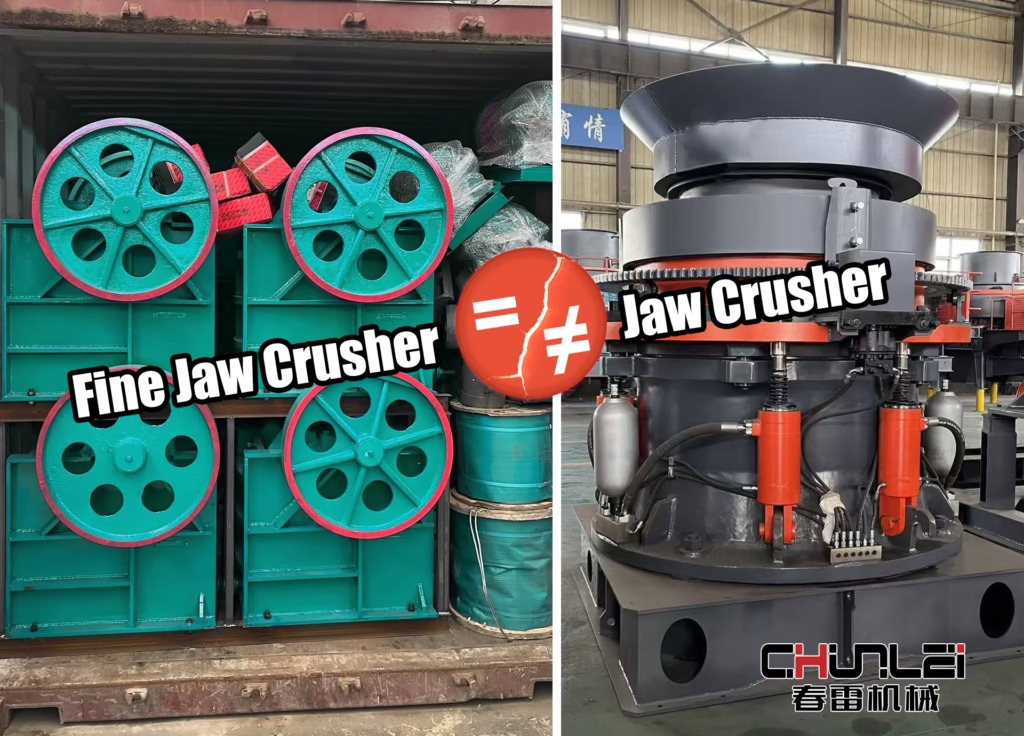
Primary Jaw Crusher vs. Secondary Jaw Crusher: Key Differences
For a clearer understanding, the table below compares their critical distinctions:
| Characteristic | Primary Jaw Crusher (Standard Jaw Crusher) | Secondary Jaw Crusher (Fine Jaw Crusher) |
| Primary Application | Primary crushing (first stage) | Medium and fine crushing (Secondary and tertiary crushing) |
| Feed Size | Large (typically up to 500mm+, max over 1m) | Smaller feed size (typically under 250mm) |
| Discharge Size | Coarse (adjustable range usually 150-350mm) | Finer output (usually adjustable to 10-100mm, or even finer) |
| Crushing Ratio | Smaller (generally 3-5) | Larger (up to 10-15 mm maximum) |
| Structural Features | Wide feed opening, large movable jaw stroke | Deeper crushing chamber with increased compression cycles, ideal for fine crushing |
| Role in Production Line | Serves as the “primary crusher,” preparing material for subsequent crushing stages | Positioned after primary crushers to produce final products or feed sand makers |
Conclusion
We often liken primary jaw crushers to “big eaters,” tasked with breaking massive rocks into medium-sized chunks.
The fine jaw crusher acts like a “master craftsman,” further reducing the coarse-crushed blocks into smaller gravel or aggregate.
Therefore, the term “jaw crusher” commonly refers to the machine used for coarse crushing. The “fine jaw crusher” specifically denotes cone crushers employed for medium and fine crushing operations, producing finer output. Please feel free to contact us if you have any needs.
Latest News

What are the gravity separation process flows for tin ore?
800Having worked in the tin mining industry for many years, I’ve observed a recurring issue among clients: even when the raw ore has a high tin content and a substantial amount of processing equipment is employed, the final tin recovery rates rema…
-
Gravity Concentration vs. Flotation for Gold: Which Process Should You Choose?
800In gold beneficiation projects, many mining engineers face a critical question: Why does the final gold recovery rate consistently fall short of expectations, even when grinding fineness and reagent regimes are strictly maintained according t…
-
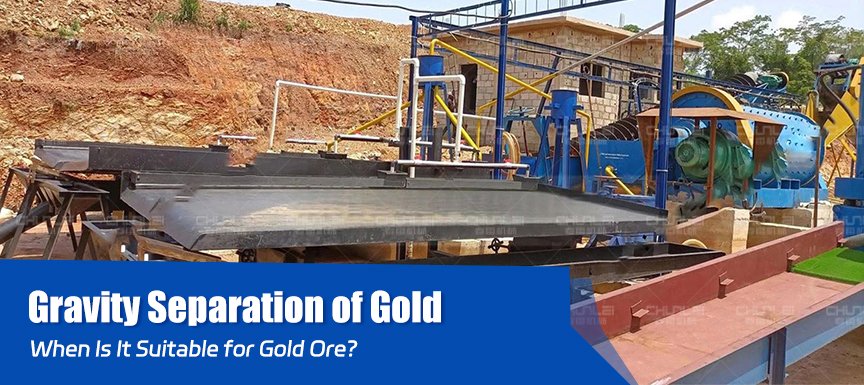
Gravity Separation for Gold: When Is It Suitable for Gold Ore?
800Many people immediately associate “gold ore” with gravity separation, yet not all gold deposits are suitable for recovery using gravity methods alone. Gravity separation is appropriate for liberated native gold or other heavy minerals that ex…
-
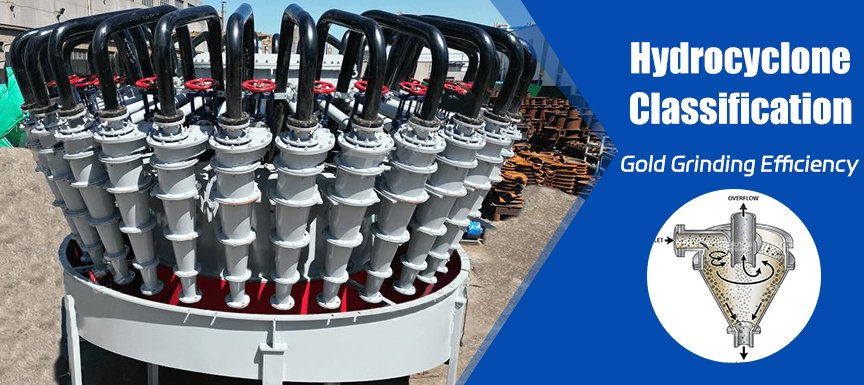
How Classification Affects Gold Grinding Efficiency
800In gold ore grinding circuits, attention is often focused primarily on ball mill capacity, power consumption, and grinding media; however, in actual operation, classification plays an equally critical role in determining grinding efficiency. …


loading…
已经是到最后一篇内容了!