 Chunlei Mining Machinery
Mobile vs. Stationary Crushing Plants: A Complete Guide and Costs
In mining project construction, choosing the right crushing equipment is a crucial decision that determines the project’s profitability. Many clients focus solely on price during the selection process, neglecting upfront civil infrastructure costs, raw material transportation costs, dismantling and relocation expenses, and long-term operating and maintenance costs (OPEX). This short-sighted strategy often leads to reduced profits in actual project operation.
Mobile crushing plants are ideal for projects with short construction periods, frequent relocation, or limited infrastructure; while stationary production lines offer extremely low operating costs per ton of ore in long-term, large-scale concentrated mining operations.
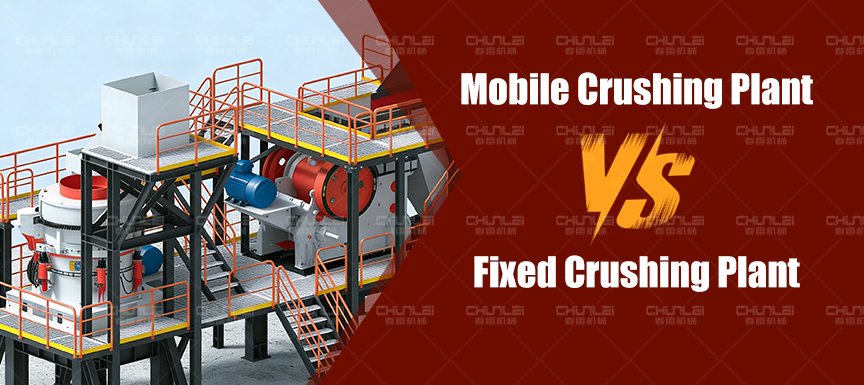
What is a Mobile Crushing Plant?
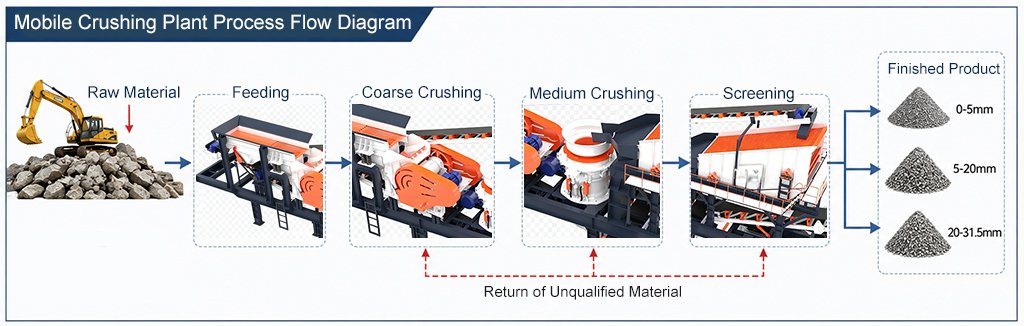
A mobile crushing plant is an independent, integrated unit that combines core modules such as feeding, crushing, screening, and belt conveying onto a tracked or wheeled chassis. Its main unit (such as a jaw crusher, impact crusher, or cone crusher) has undergone seismic resistance and structural reconstruction, allowing it to be driven directly to the construction site for immediate operation.
- Optimal Application Scenarios: Projects with dispersed raw material mines requiring frequent relocation, construction waste recycling (C&D Waste), highway/tunnel engineering, and remote construction sites lacking power grid access.
- Core Advantages:
- In-Pit Crushing: The equipment can be driven directly to the mining face, significantly reducing short-haul transportation distances and fuel costs.
- Rapid Deployment: No foundation concrete pouring is required; on-site assembly and commissioning can be completed in as little as a few days.
- Excellent Terrain Adaptability: The tracked chassis easily handles steep slopes, mud, and narrow spaces; the diesel-electric hybrid system eliminates dependence on a single fixed power grid.
- Key limitations:
- Single-unit capacity limit: Due to road transport regulations and chassis load-bearing limits, the maximum processing capacity of a single unit cannot compete with ultra-large stationary production lines.
- Chassis maintenance costs: Tracks, tires, and hydraulic travel mechanisms are high-wear components, increasing the frequency of long-term maintenance.
What is a stationary crushing plant?
A stationary crushing plant is a production line where the feeding, crushing, screening, and conveying equipment is permanently installed on a concrete foundation, and the entire production line operates from a single location.
- Optimal application scenarios: Large mines with a service life exceeding 5 years, permanent high-quality aggregate processing bases, and projects with flat sites and complete power supply facilities.
- Core advantages:
- High hourly output and extremely high stability: Enables high-intensity, uninterrupted continuous operation with extremely high equipment stability and a low downtime rate.
- Excellent economic efficiency: Ample operating and maintenance space, highly interchangeable spare parts; powered primarily by the industrial power grid, resulting in lower processing costs per ton of ore.
- Flexible process expansion: Facilitates the construction of complex multi-stage closed-loop processes involving “coarse crushing + medium crushing + fine crushing + shaping,” with lower costs for subsequent capacity upgrades.
- Main limitations:
- High upfront capital expenditure (CAPEX): Requires significant investment in site leveling, concrete foundation pouring, and the construction of a steel-structured enclosed plant, resulting in a relatively long construction period.
- Lack of mobility and rising transportation costs: Once the equipment is built, it cannot be moved. As the mining face extends, the transportation costs of raw materials to the crushing plant will increase year by year.
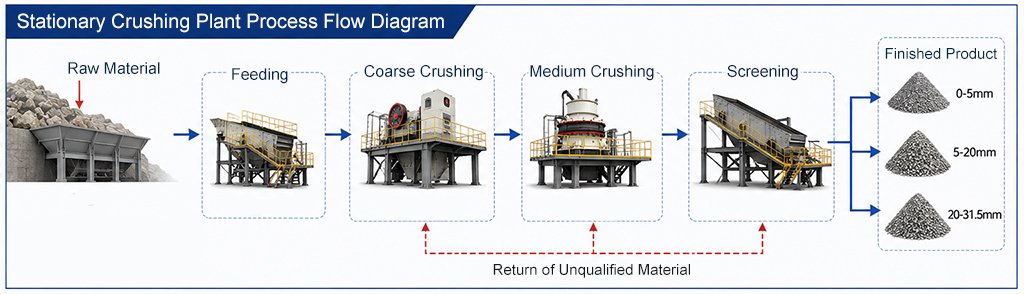
Mobile vs. Stationary Crushing Plant
| Comparison Items | Mobile Crushing Plant | Stationary Crushing Plant |
| Maximum Feed Size | 180-800mm | Maximum Up to 1000mm |
| Typical Hourly Capacity | 10-650t/h | 400-2000t/h |
| Relocation Capacity | Wheeled/Tracked Chassis, Rapid Relocation | Immovable, High Dismantling and Reconstruction Costs |
| Foundation Construction | Only site leveling required | Requires extensive concrete foundations and steel structures |
| Commissioning and Adjustment Period | 1-2 weeks | Including construction: 15-30 days |
| Terrain Adaptability | Tracked version suitable for mountainous areas, swamps, and narrow construction sites | Requires open and flat sites |
| Main Wear Parts | Tracks/Tires, Hydraulic Components | Crusher Liners, Screen Plates, No Chassis Wear |
Mobile crushing plant vs. stationary crushing plant: a comparison of investment costs
For short-term, multi-site projects, mobile crushing stations offer better overall economic benefits; for large-scale mines that have been operating continuously for many years, stationary crushing stations have a greater advantage in terms of total life-cycle cost.
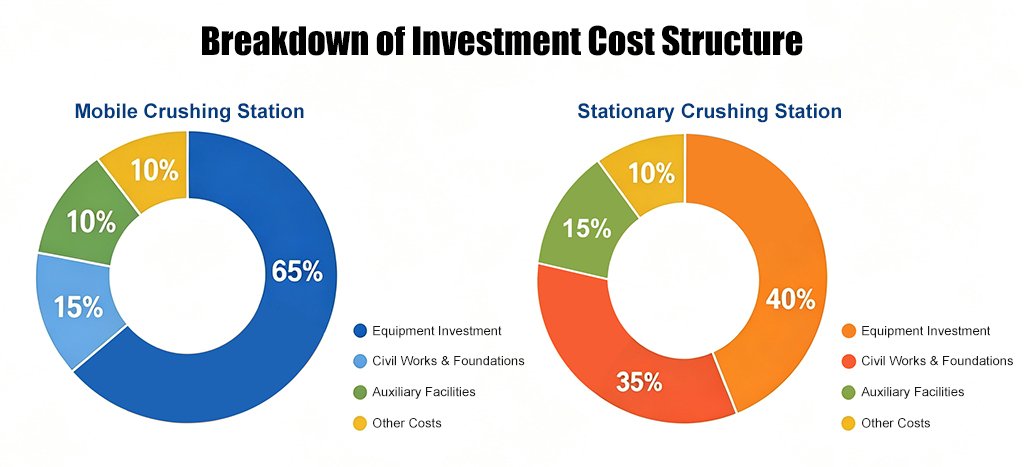
| Cost Dimensions | Mobile Crushing Plant | Stationary Crushing Plant |
| Equipment Procurement Cost | Higher (including chassis and hydraulic system) | Lower (single unit module) |
| Civil Engineering and Infrastructure Investment | Almost zero | High: Foundation, platform, plant |
| Raw Material Transportation Cost | Low, on-site crushing | High, ore needs to be transported to the plant |
| Unit Product Energy Consumption | Relatively high (diesel engine model) | Relatively low, mainly powered by industrial power grid |
| Maintenance Costs | High maintenance costs due to chassis track wear | Low, wear concentrated on vulnerable parts of the crusher |
| Residual Value at Project End | The entire machine can be resold, with a good residual value | The civil engineering portion has almost no residual value |
How to Choose: Mobile or Fixed Crushing Plant?
Mobile crushing plants are recommended if three or more of the following conditions are met:
- Short project operation cycle (e.g., 1-3 year projects) requiring frequent site relocation;
- Highly dispersed mining sites, resulting in high raw material transportation costs;
- Limited project site, preventing large-scale concrete pouring or blasting operations;
- Lack of stable industrial power grid access on-site;
- Involving mountainous areas, tunnel projects, or on-site disposal of urban construction waste.
Fixed crushing plants are recommended if three or more of the following conditions are met:
- Mine planning service life of 5-10 years or more;
- Concentrated ore reserves, relatively fixed mining area;
- Available with a complete power supply network and open, flat construction site;
- Seeking high hourly processing capacity (e.g., 500+ t/h) and future expansion plans.
Overseas Real-World Project Case Study
Project Case: Southeast Asian Basalt Aggregate Production Line
- Project Background: The client secured a two-year road paving aggregate supply contract. The required basalt raw materials were scattered across three adjacent mining sites, each with limited extraction capacity. Building a fixed production line would result in high infrastructure construction time and mining truck transportation costs, directly leading to project losses.
- Solution: A combined operation of a tracked mobile jaw crusher and a tracked mobile cone crusher was adopted.
- Practical Results:
- Eliminating the need for concrete curing, on-site installation commenced production within just 8 days.
- Flexible relocation based on mining progress saved over 30% in inland raw material transportation costs.
- The produced 0-5mm, 5-10mm, and 10-20mm graded aggregates fully met standards.
- Case Insights: In short-term, multi-mining contractual projects, the infrastructure and logistics cost savings from mobile stations can fully cover the initial premium of the equipment.
Four Costly Misconceptions in Equipment Selection
1. Focusing solely on CAPEX while ignoring Total Cost of Ownership (TCO)
- Common Misconception: Purchasing low-priced fixed equipment to save money without factoring in high civil engineering and long-distance mining transportation costs; or using mobile stations in large, long-term mines, incurring unnecessary high chassis maintenance costs.
- Recommendation: Use a full life-cycle cost accounting method to comprehensively calculate “purchase + civil engineering + fuel/electricity + maintenance + relocation”.
2. Incorrectly predicting the actual mining lifespan
- Common Misconception: Deploying mobile stations to a single mine with a service period of up to 10 years, or building large fixed facilities for small projects with an 18-month lifespan.
- Recommendation: Before placing an order, be sure to confirm geological reserves and contract performance period through a geological survey report.
3. Ignoring on-site power configuration constraints
- Common Misconception: Purchasing fully electric mobile stations in uninhabited areas without grid access, resulting in inability to start operations after equipment arrival due to excessively high power generation costs.
- Tips to Avoid Pitfalls: In remote areas without power grids or with unstable power, prioritize “dual-power” mobile crushing plants.
4. Blindly Pursuing the Maximum Output of a Single Mobile Unit
- Common Misconception: Expecting a single tracked mobile crushing plant to achieve the daily processing capacity of several thousand tons of a large fixed production line.
- Tips to Avoid Pitfalls: Due to limitations in transport size and load capacity, the capacity of a single mobile plant has a physical limit. High-capacity requirements should be met by using multiple mobile units operating in combination or by directly selecting a fixed production line.
Frequently Asked Questions
Q1: Will the maintenance cost of a mobile crushing station be higher than that of a fixed one?
A: From the perspective of the overall equipment, yes. The mobile station additionally adds crawler/tire chassis, travel reducer and hydraulic control system. These components are consumable parts in harsh mining environments. However, the mining truck freight saved by the mobile station can often offset this additional maintenance expenditure.
Q2: Can the quality of the finished aggregate produced by the mobile crushing station meet the standards of the fixed production line?
A: Absolutely. The particle shape and gradation of the finished product depend on the core crushing host (such as the cavity shape of the cone crusher, the speed of the impact crusher) and the screening efficiency, and have nothing to do with whether the equipment has a mobile chassis.
Q3: When comparing quotation plans, what are the hidden costs that are easily missed?
- Mobile Station: Cross-border/inter-regional heavy-duty transportation fees, crawler shoe wearing parts storage, diesel generator fuel expenses.
- Fixed type: geological exploration fees, heavy concrete foundation construction fees, dustproof sealed factory building construction fees, and later abandoned civil construction demolition and clearance fees.
Q4: If the subsequent production capacity needs to be increased, is the mobile crushing station easy to expand?
A: The capacity can be expanded in series/parallel by adding a mobile screening station or mobile fine crushing station. However, due to the limited chassis space, you cannot directly replace the larger model of the host on the original mobile rack; and if there is space in the early design of the fixed production line, it will be relatively convenient to add equipment later.
Conclusion
Choosing between a mobile and stationary crushing plant can be summarized simply:
- Mobile: If your project has a tight timeframe (<3 years), your mining sites are scattered and require frequent relocation, or you want to significantly reduce the cost of short-haul ore transportation.
- Stationary: If you own a large mine with stable operations for over 5 years and are pursuing extremely high hourly output and very low operating costs per ton of ore.
If you’re still unsure which option is best for your mine or project, contact CHUNLEI engineers. Our team of experienced mining machinery engineers can provide you with free, customized selection and solution design services! Get a personalized quote and solution analysis for your project now!
Latest News

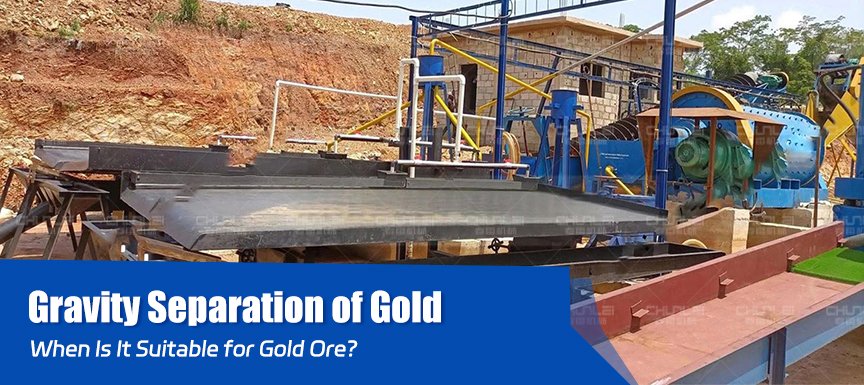
Gravity Separation for Gold: When Is It Suitable for Gold Ore?
800Many people immediately associate “gold ore” with gravity separation, yet not all gold deposits are suitable for recovery using gravity methods alone. Gravity separation is appropriate for liberated native gold or other heavy minerals that ex…
-
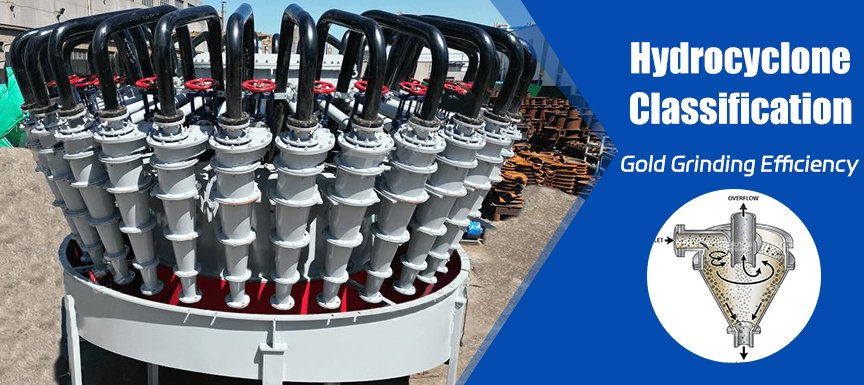
How Classification Affects Gold Grinding Efficiency
800In gold ore grinding circuits, attention is often focused primarily on ball mill capacity, power consumption, and grinding media; however, in actual operation, classification plays an equally critical role in determining grinding efficiency. …
-
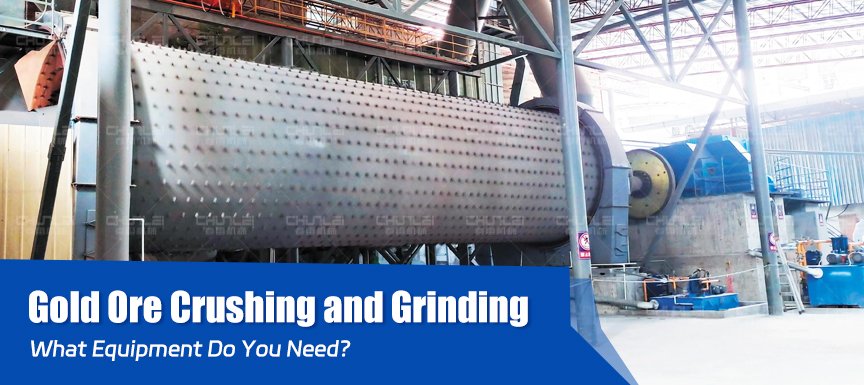
Gold Ore Crushing and Grinding: What Equipment Do You Need?
800When designing a gold ore processing line, my clients often ask which crushers and mills to purchase. However, the equipment selection should actually be based on a thorough understanding of the ore characteristics. Issues in many projects do…
-
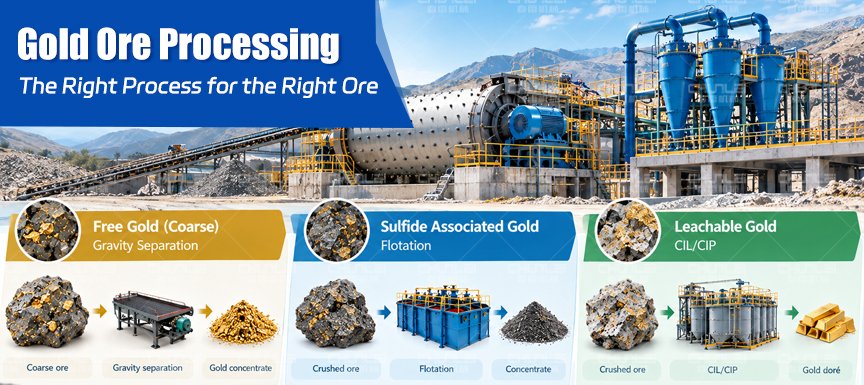
How to Select the Right Gold Processing Plant for Your Ore
800When selecting a gold processing plant, simply assuming that a full suite of equipment is all that is needed can lead to issues such as low recovery rates, high energy consumption, and failure to meet production targets.Different ores require d…
loading…
已经是到最后一篇内容了!