 Chunlei Mining Machinery
Jaw Crusher VS Impact Crusher
When crushing ore, customers often find it difficult to choose between jaw crushers and impact crushers. Selecting the wrong crushing equipment directly impacts aggregate quality and increases costs. Understanding the differences between these two types of crushers is crucial for your ore mining operations and investment decisions.
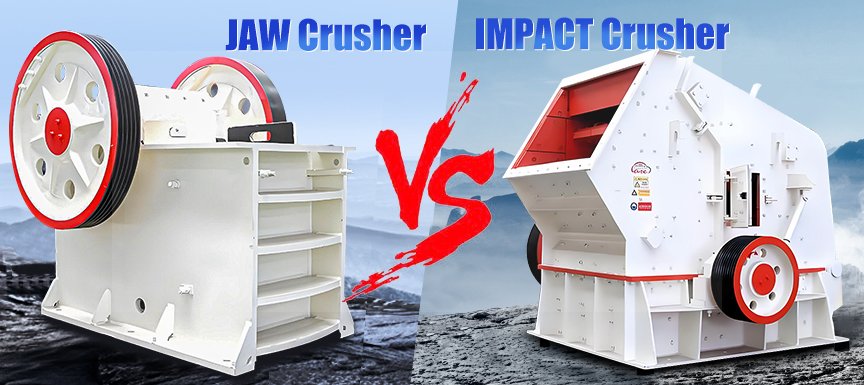
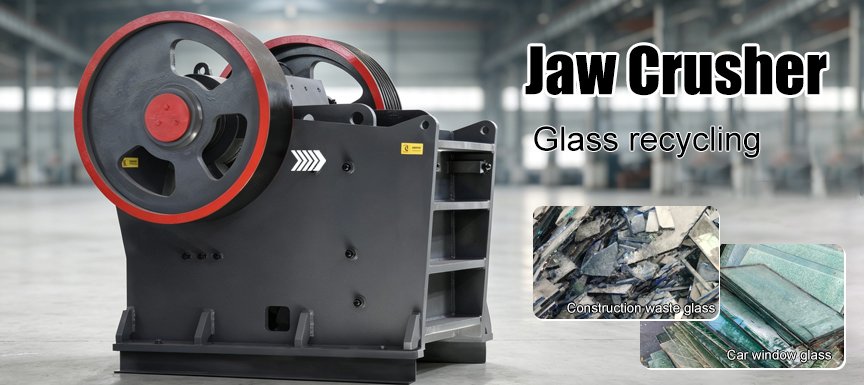
Jaw Crusher: The Top Choice for Primary Crushing of Large Materials
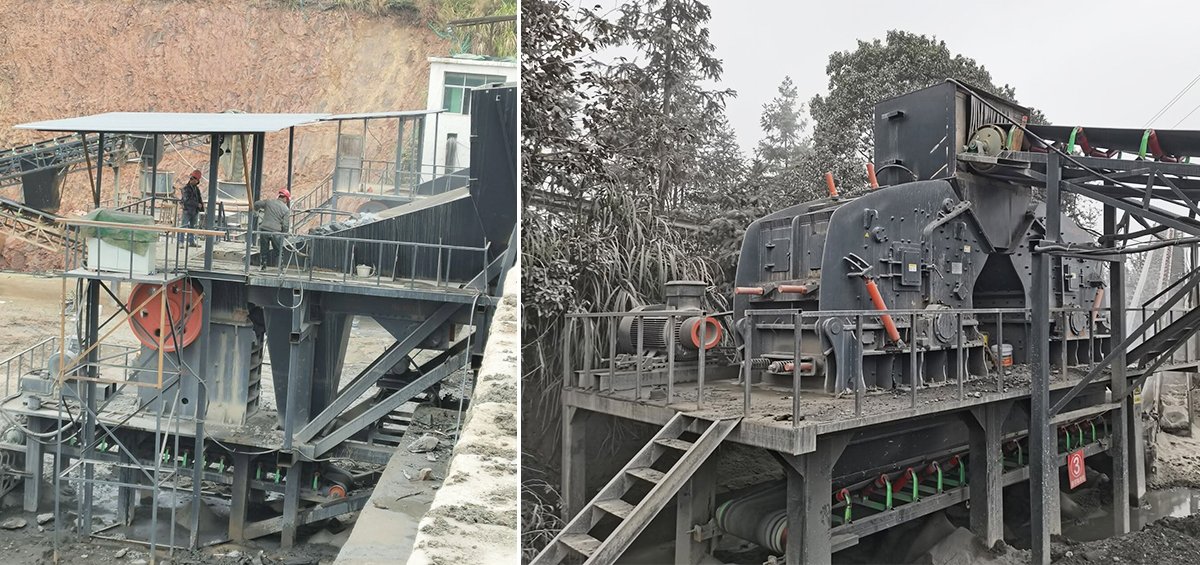
The jaw crusher serves as the primary crushing unit in aggregate plants and mining production lines. It is primarily responsible for breaking large, raw ore into smaller pieces through compression, reducing the material to a size suitable for downstream processing. Jaw crushers are the preferred choice for hard, highly abrasive materials such as granite, basalt, and iron ore. For projects requiring operational flexibility, jaw crushers can also be mounted on mobile crushing stations to facilitate convenient on-site crushing.
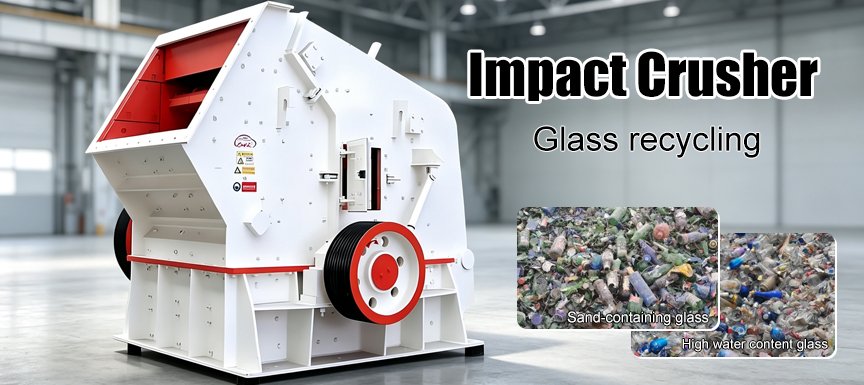
Impact Crusher: Secondary/Tertiary Crushing and Shaping for High-Quality Aggregates
Impact crushers are capable of directly crushing soft ores like limestone. They are also used for secondary crushing—further reducing the size of medium-sized stones (previously processed by a jaw crusher) while simultaneously improving particle shape. These machines utilize the impact force generated by a high-speed rotor to break down materials; they are commonly used for applications involving limestone, construction waste, and road aggregates.
Jaw Crusher vs. Impact Crusher
1. Difference in Working Principle
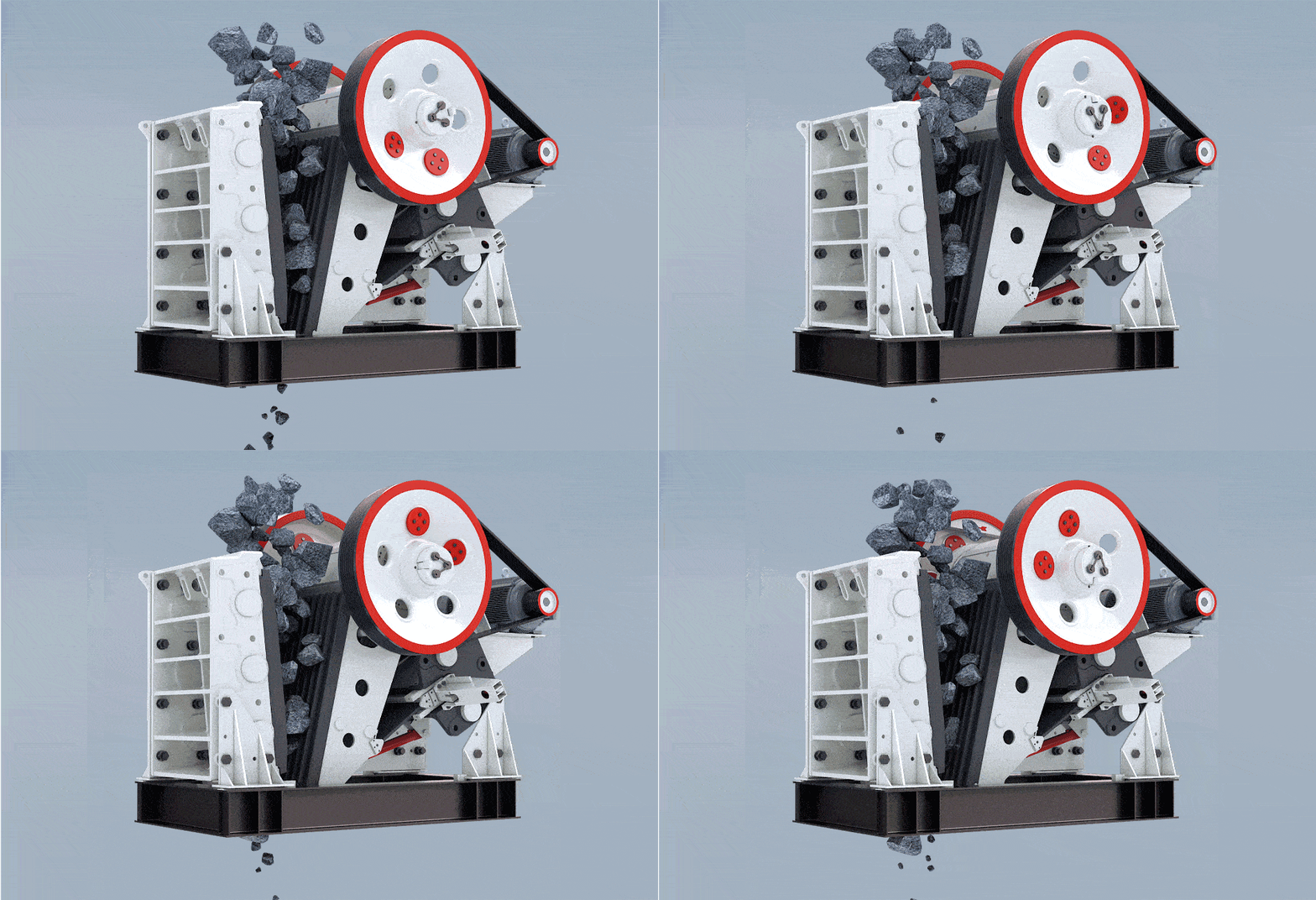
Jaw Crusher: Operates primarily through static compression between a movable jaw plate (driven by an eccentric shaft) and a fixed jaw plate. Material fractures under compressive stress and discharges via gravity as the movable jaw retracts.
Impact Crusher: Classified as an impact-type crusher; a high-speed rotating rotor drives blow bars to strike the material directly. Ore shatters instantly upon hitting the blow bars and impact plates, while also undergoing inter-particle collisions (rock-on-rock impact) within the crushing chamber.

2. Differences in Feed, Discharge, and Particle Shape
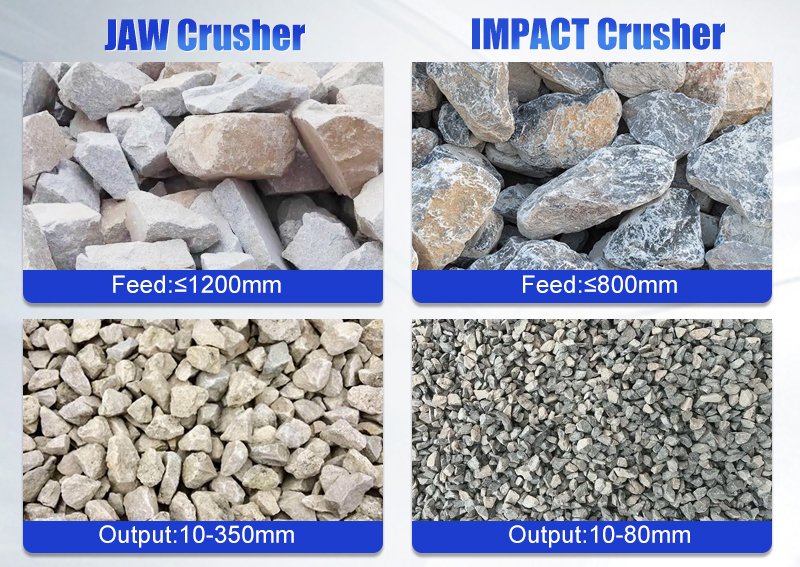
Feed & Discharge (Jaw Crusher): Features an extra-large feed opening, capable of accepting raw boulders up to 1,200 mm in size. Discharge size ranges from 10–350 mm; the finished product is often flaky or irregular in shape, making it suitable for primary size reduction.
Feed & Discharge (Impact Crusher): Has a relatively smaller feed opening, with a maximum feed size typically around 800 mm. Discharge ranges from 10–80 mm, producing high-quality, cubical, and angular aggregates that meet strict standards for concrete and road base applications.
3. Differences in Material Hardness and Abrasiveness
Jaw Crusher: Highly suitable for hard and abrasive rocks—such as granite, basalt, iron ore, and quartzite—without causing excessive wear on wear parts.
Impact Crusher: Suitable for materials of low to medium hardness, such as limestone, dolomite, coal, and construction waste. Attempting to crush highly abrasive materials will result in rapid wear of the blow bars.
4. Cost Differences
Jaw Crusher Costs: Lower equipment purchase cost for the same production capacity. The compression crushing method results in minimal wear-part consumption when processing hard rock, effectively extending maintenance intervals and reducing downtime losses.
Impact Crusher Costs: Slightly higher initial investment for the same processing throughput. However, it can produce cubic finished products in a single pass, eliminating the need for additional investment in separate shaping equipment for downstream processing. That said, if the feed material is highly abrasive, the frequency of blow bar replacement will increase significantly.
Jaw crusher VS impact crusher: quick guide to make the right choice
| Technical indicators | Jaw Crusher | Impact Crusher |
| Breaking principle | Mechanical crushing | High speed impact/blow crushing |
| Maximum feed size | ≤ 1,200 mm | ≤ 800 mm |
| Discharge particle size range | 10–350 mm(needle flake/irregular) | 10–80 mm(cubic/uniform) |
| Processing power | 1–1,435 t/h | 1–2,000 t/h |
| Applicable material hardness | High hardness and highly abrasive rocks | Medium and low hardness rocks and recycled materials |
| Production line location | First stage coarse crushing stage | Secondary/tertiary medium and fine crushing stage |
| Resistance to overload/foreign objects | Strong (perfect overload protection mechanism) | Weak (the feed needs to be strictly iron-removed) |
How do you choose the most suitable crusher?
Opt for a Jaw Crusher when:
Processing hard, highly abrasive rock: Jaw crushers are a reliable choice for materials like granite and basalt.
Handling oversized feed: They are ideal for processing large raw material blocks—such as stones exceeding 800 mm fresh from quarry blasting—as the primary stage.
Performing primary (coarse) crushing: If there are no stringent requirements for the final particle shape, the jaw crusher is a common and practical choice.
Opt for an Impact Crusher when:
- Processing soft to medium-hard materials: Materials such as limestone and recycled concrete blocks are well-suited for impact crushing.
- Prioritizing particle shape: Impact crushers are the preferred choice when producing aggregates for asphalt or high-grade concrete that require a specific cubical shape.
- Seeking to streamline the process: An impact crusher offers convenience by handling secondary crushing, fine crushing, and shaping in a single unit.
- Avoiding process complexity: For suitable materials and production capacities, using an impact crusher can reduce the need for intermediate equipment, simplifying the entire production line.
Optimal Configuration for Standardized Production Lines: The vast majority of standard aggregate production lines utilize a two-stage configuration: a heavy-duty jaw crusher serves as the primary (coarse) crusher, followed by a secondary impact crusher (or cone crusher). This setup achieves the best balance between stable production capacity and high-quality finished product.
Which has a higher processing capacity: the jaw crusher or the impact crusher?
Generally speaking, given comparable equipment classes and suitable operating conditions, the jaw crusher typically offers a higher processing capacity, particularly for primary coarse crushing and handling large-sized material. However, capacities vary by manufacturer and model, so specific comparisons should be made based on the actual equipment.
- Jaw crusher: Features a large feed opening capable of handling large, hard rock; better suited for primary crushing and large-scale continuous production.
- Impact crusher: While some large models offer high throughput, they are generally better suited for the secondary and tertiary crushing of medium-hard to soft materials, while also producing superior aggregate particle shapes.
- Don’t look at output alone: Actual throughput is influenced by factors such as feed size, discharge opening settings, material hardness, moisture content, and the target product particle size.
If you prioritize the ability to coarsely crush large raw materials, the jaw crusher is the preferred choice; if you require crushing capabilities but also value the shape of the finished product and fine-crushing performance, the impact crusher is more suitable.
Which has lower wear-part costs: the jaw crusher or the impact crusher?
Generally speaking, the long-term wear-part costs of a jaw crusher are easier to control, especially when processing hard and highly abrasive materials such as granite or basalt. Jaw crushers primarily consume movable and fixed jaw plates; their structure is relatively simple, and wear patterns are easier to predict.
Impact crushers primarily consume wear parts such as blow bars and impact plates. While the unit price of these parts is not necessarily higher than that of jaw plates, the high-speed impact crushing process causes components like blow bars to wear out faster—and require more frequent replacement—when processing highly abrasive materials.
| Comparison | Jaw Crusher | Impact Crusher |
| Key Wear Parts | Moving jaw plate, fixed jaw plate | Blow bar, impact plate |
| Wear Rate | Relatively slow | Usually fast |
| Suitability for Hard Rock | Good | Costs can easily rise with highly abrasive materials |
| Maintenance Characteristics | Simple structure; replacement is relatively convenient | Wear parts usually require more frequent replacement |
| Long-term Costs | Usually easier to control | Heavily dependent on material properties |
Don’t just focus on the price of a set of wear parts; what really matters is the total cost per ton of stone, factoring in wear parts, labor for replacement, and losses due to downtime. For soft limestone, the wear costs of an impact crusher might not be as high as you imagine; however, for hard rock with high silica content and high abrasiveness, a jaw crusher usually offers a better cost advantage.
If you provide details on the material type, processing capacity, and feed size, we can help you further compare which crusher offers the most suitable long-term operating costs.
Which is better for recycling construction waste and concrete: a jaw crusher or an impact crusher?
There is no single “right” choice; it depends primarily on the composition of the construction waste and the requirements for the final product.
For large concrete blocks and material with significant rebar content: A jaw crusher is recommended. It utilizes compressive crushing, making it well-suited for handling large feed sizes and serving as primary (coarse) crushing equipment.
For concrete blocks that are already relatively small, with rebar largely removed, and where the shape of the final product is a priority: An impact crusher is a suitable option. Impact crushing typically yields aggregates with superior shape, though it may generate more fines and result in higher wear on consumable parts.
If the feed includes large concrete blocks but high product quality is also required: A combination setup—using a jaw crusher for primary crushing followed by an impact crusher for secondary crushing and shaping—allows each machine to perform its specific role effectively in actual operations.
Can an impact crusher replace a jaw crusher?
Yes, but not for every project. The two types of equipment handle different crushing tasks; suitability for replacement depends primarily on material properties, maximum feed size, production capacity, and product specifications.
- Soft to medium-hard materials: For materials like limestone or concrete blocks, an impact crusher can handle some primary (coarse) crushing tasks.
- Large raw material size: For large ore chunks or blasted run-of-mine ore, a jaw crusher is generally recommended for the initial coarse crushing stage.
- High requirements for particle shape: Impact crushers offer excellent shaping capabilities, making them ideal for producing high-quality, cubical aggregates.
- Desire to reduce crushing stages: With suitable materials, an impact crusher can combine crushing and shaping functions, potentially simplifying the process flow.
- High hardness and abrasiveness: It is not advisable to replace a jaw crusher with an impact crusher solely to save on equipment count; doing so could increase wear-part consumption and operating costs.
What parameters should guide the choice between jaw crushers and impact crushers?
- Material hardness: Jaw crushers are usually preferred for hard, abrasive stone; impact crushers are suitable for medium-soft materials.
- Feed size: Jaw crushers are better suited for primary coarse crushing when raw material chunks are large; impact crushers are typically used in later stages for further size reduction.
- Target output size: If a finer product is required, check whether the equipment’s crushing chamber and discharge adjustment range meet the specifications.
- Product shape: Impact crushers generally offer advantages if there are strict requirements regarding the cubicity of aggregates and limits on elongated or flaky particles.
- Processing capacity: Select a model based on actual tonnage-per-hour requirements rather than relying solely on the equipment’s maximum theoretical output.
- Moisture and clay content: Wet, sticky materials can easily cause clogging; consider pre-screening or soil-rock separation beforehand.
- Wear costs: For highly abrasive materials, prioritize the service life and replacement costs of wear parts such as blow bars and jaw plates.
- End-use: If the primary output is standard crushed stone, a jaw crusher serves as reliable primary crushing equipment; however, if aggregate shaping and the production of manufactured sand are also required, an impact crusher is worth considering.
FAQ
Q: Can an impact crusher replace a jaw crusher for primary (coarse) crushing?
A: Yes, but only for processing materials of medium-to-low hardness, such as limestone. If used directly for primary crushing of highly hard or abrasive ores, the blow bars would wear out extremely rapidly, resulting in unsustainable operation and maintenance costs.
Q: Why does the stone output from a jaw crusher tend to have a high proportion of flaky or elongated (irregular) particles?
A: Jaw crushing relies on compression along the rock’s natural fracture planes and lacks multi-directional, high-speed impact forces; consequently, the resulting particles often appear flat or elongated.
Q: How do the two types of equipment differ in their response to uncrushable foreign objects, such as pieces of iron?
A: Jaw crushers are equipped with toggle plates or hydraulic protection systems that effectively handle overload situations. In contrast, the high-speed rotors and blow bars of impact crushers are highly susceptible to severe damage from iron objects; therefore, a robust iron remover must be installed on the feed conveyor belt.
Conclusion
The choice between a jaw crusher and an impact crusher should be based on factors such as material hardness, feed specifications, and requirements for the shape of the finished product, while also considering long-term returns. If you are unsure which to choose, please contact CHUNLEI’s engineers, we will assess your specific situation and provide a production line solution designed to maximize your return on investment.
Latest News

What are the gravity separation process flows for tin ore?
800Having worked in the tin mining industry for many years, I’ve observed a recurring issue among clients: even when the raw ore has a high tin content and a substantial amount of processing equipment is employed, the final tin recovery rates rema…
-
Gravity Concentration vs. Flotation for Gold: Which Process Should You Choose?
800In gold beneficiation projects, many mining engineers face a critical question: Why does the final gold recovery rate consistently fall short of expectations, even when grinding fineness and reagent regimes are strictly maintained according t…
-
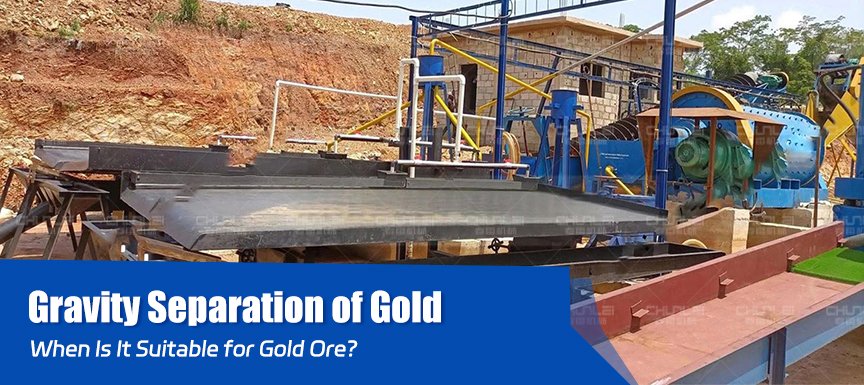
Gravity Separation for Gold: When Is It Suitable for Gold Ore?
800Many people immediately associate “gold ore” with gravity separation, yet not all gold deposits are suitable for recovery using gravity methods alone. Gravity separation is appropriate for liberated native gold or other heavy minerals that ex…
-
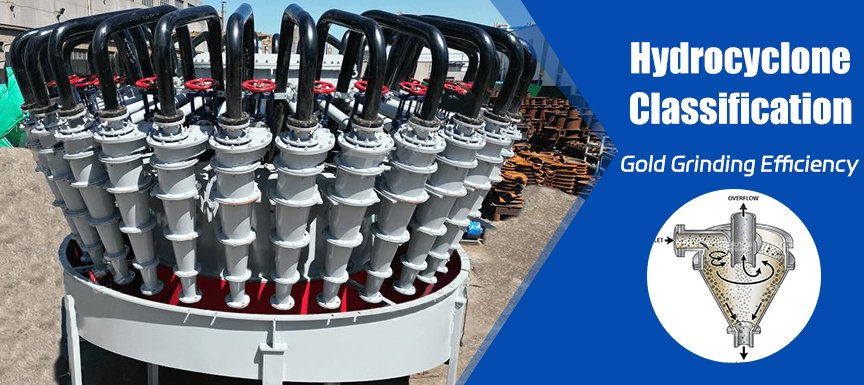
How Classification Affects Gold Grinding Efficiency
800In gold ore grinding circuits, attention is often focused primarily on ball mill capacity, power consumption, and grinding media; however, in actual operation, classification plays an equally critical role in determining grinding efficiency. …
loading…
已经是到最后一篇内容了!