 Chunlei Mining Machinery

Gold Flotation Production Line
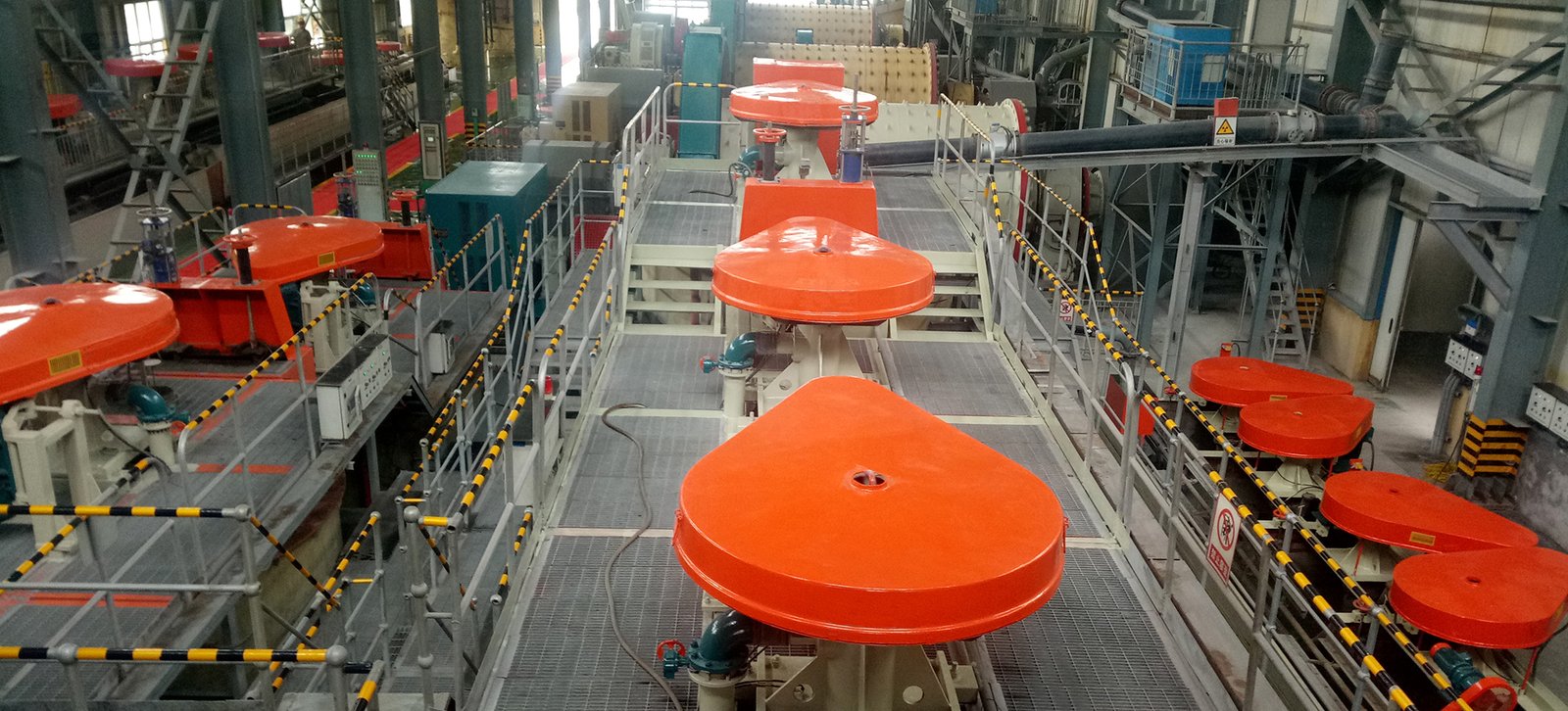
Flotation Gold Processing Plant
Flotation is a widely used gold beneficiation method, ideal for sulfide‑bearing gold ores with good floatability. It offers simple operation, low cost, high recovery, and allows direct tailings disposal.It is suitable for fine‑grained gold, sulfide gold quartz ore, polymetallic sulfide gold ore, and carbonaceous gold ore.
Efficiently and profitably extracting gold from vein gold mines is undoubtedly the goal of every mine owner. Realizing the value of such complex ores requires specialized flotation technology for gold extraction. These projects demand precise engineering design, suitable reagents, and durable equipment. Chunlei Machinery designs and builds heavy-duty flotation systems specifically for sulfur-bearing gold ores. This article will detail how to design a flotation plant to maximize gold recovery from sulfur-rich ores.
We Will Answer These Questions For You:
- What is a Flotation Gold Processing Plant?
- Why Flotation for Sulfur-Bound Gold?
- What Equipment Powers a Flotation Gold Plant?
- How to Boost Flotation Recovery Rates?
- Do You Need a Custom Flotation Flowsheet?
- How Much Does a Flotation Gold Plant Cost?
- Who Builds and Installs Flotation Plants?
- Where to Source Reliable Flotation Plant Spare Parts?
- Typical Gold Flotation Plant Configuration
- What to Look for in a Flotation Plant Supplier?
- FAQ
- Summary and Final Advice
What is a Flotation Gold Processing Plant?
A flotation-based gold extraction plant is a specialized industrial facility that uses chemical froth flotation technology to separate gold particles from vein gold ore. It generates stable froth through a series of interconnected devices; gold particles adhere to the surface of the bubbles and are scraped off, while useless rock is separated.
Traditional gravity separation is ineffective for sulfur-bound gold because gold is chemically bonded to sulfide minerals (such as pyrite). Modern flotation plants use customized reagents to make gold particles hydrophobic (water-repellent), thus allowing them to adhere to the bubble surface.
The flotation process includes the following steps: ore crushing, grinding, reagent mixing, aeration, and froth scraping—all designed for continuous 24/7 operation. We analyze and optimize each component to ensure that reagent dosage, aeration rate, and froth scraping rate are perfectly matched to the ore type.
Four Core Sections of a Flotation Plant
The flotation plant comprises four distinct and irreplaceable work areas. Materials are transferred at each stage via rubber conveyors and slurry pumps—our overall design fully utilizes the gravitational forces between minerals to minimize energy consumption.
| Factory Section | Main Activity | Key Output | Why It Matters to You |
|---|---|---|---|
| 1. Crushing | Breaking large sulfide rocks | Small gravel (≤25mm) | Reduces energy use in grinding; prevents damage to downstream equipment |
| 2. Grinding | Pulverizing gravel with steel balls | Fine slurry (70-80% -200 mesh) | Exposes gold-sulfide particles to reagents; critical for flotation efficiency |
| 3. Flotation | Aerating slurry with reagents | Gold-rich froth concentrate | The profit core—captures 85-95% of sulfur-bound gold |
| 4. Dewatering | Drying froth concentrate | Moist gold concentrate cake | Makes concentrate transportable for smelting; reduces shipping costs |
Why Flotation for Sulfur-Bound Gold?
Flotation is widely used for gold ores associated with sulfide minerals. Depending on gold occurrence, mineralogy, and liberation characteristics, gravity separation, flotation, and subsequent leaching may be combined.
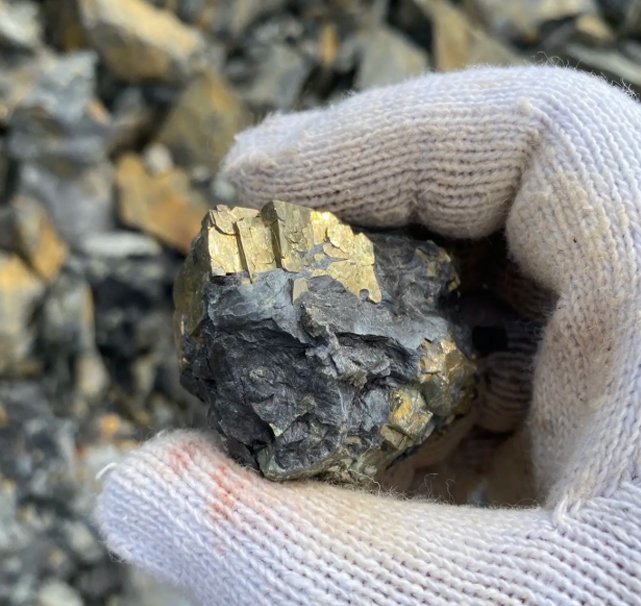
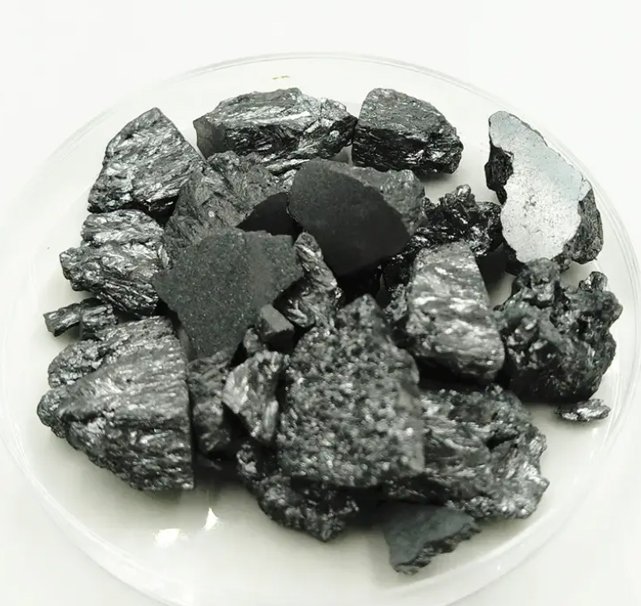
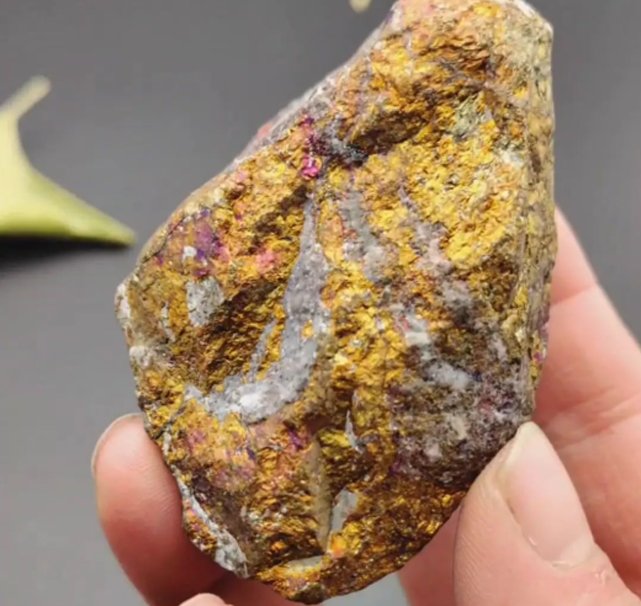
Flotation offers flexibility and economic advantages for sulfide minerals:
- Reagent specificity: We use collectors (xanthates, dithiophosphates) to target gold-sulfide particles, frothers (MIBC, pine oil) to stabilize bubbles, and modifiers (lime, pH adjusters) to repel unwanted rock.
- Low energy vs. alternatives: Unlike intensive cyanidation for sulfides, flotation uses less power and fewer toxic chemicals (when paired with eco-friendly reagents).
- Concentrate value: Flotation produces high-grade gold concentrate (100-500 grams per ton), which is cheaper to smelt than low-grade cyanide leach solutions.
We test your ore in our laboratory first—we analyze sulfur content, gold particle size, and mineralogy to match the exact reagent blend and flotation cell design to your rock.
Actionable Advice for Flotation Plant Design
- Optimize grind size: Grind ore to 70-80% passing 200 mesh (74 microns) – coarser grind leaves gold trapped in sulfide grains; finer grind wastes energy.
- Control pH strictly: Maintain slurry pH at 9-11 (using lime) to repel silicate rocks and boost collector adhesion to gold-sulfide particles.
- Sample multiple ore zones: Sulfide distribution varies in mines—test samples from different depths to avoid underdesigning your plant.
What Equipment Powers a Flotation Gold Plant?
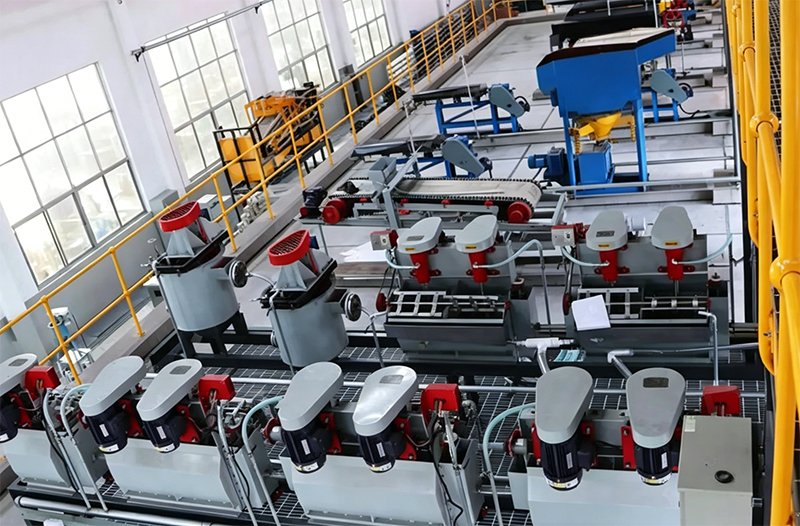
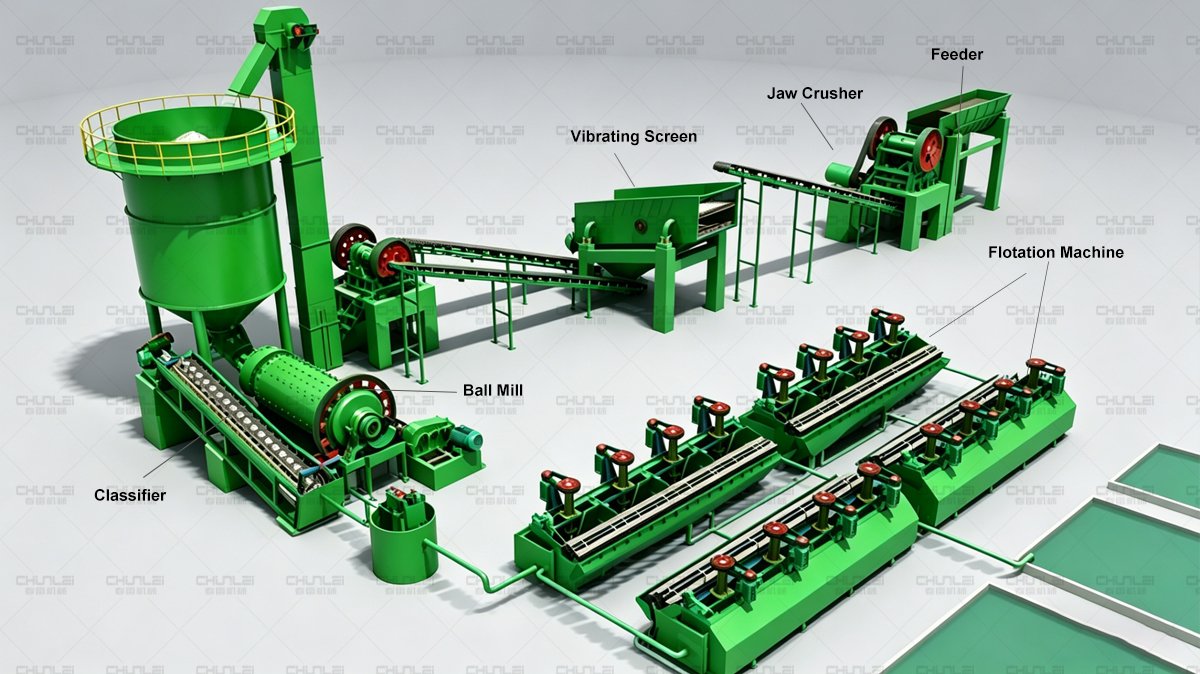
You need heavy-duty jaw crushers, ball mills, and mechanical flotation cells (mechanical or column) to process sulfur-bound gold ore efficiently. The flotation section is the heart of the plant—and the most critical for recovery.
Key Equipment Breakdown:
- Crushing Line:
- Primary jaw crusher (manganese steel jaws) to break 400mm+ ore into 50mm gravel.
- Secondary cone crusher for fine crushing (20mm output) – ideal for hard sulfide rocks.
- Vibrating screens to separate oversize ore (recycled back to crushers).
- Grinding Circuit:
- Wet ball mill (lined with high-chrome steel) to grind gravel into slurry – we size mills to match your daily ore tonnage (10-1000 TPH).
- Hydrocyclones to classify slurry size – oversize particles go back to the mill; undersize feeds flotation cells.
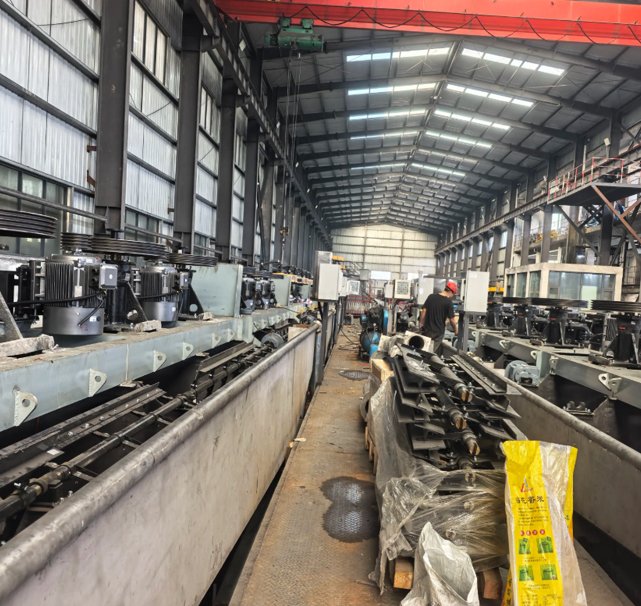
- Flotation Cells:
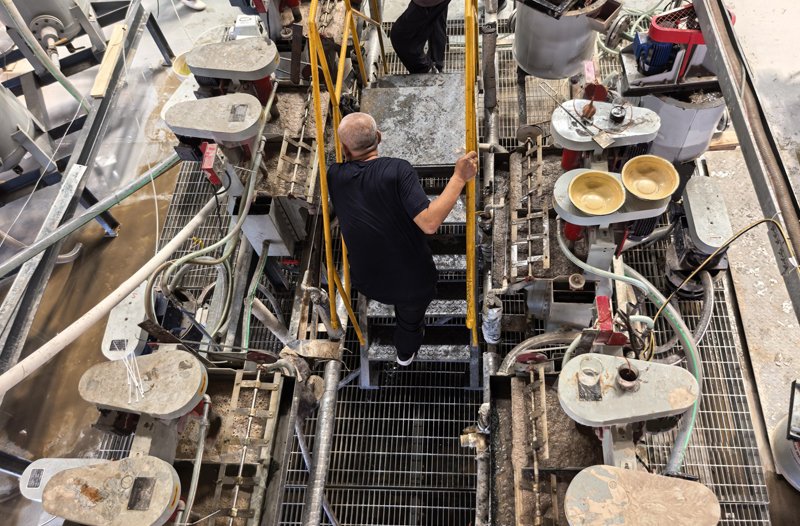
- Mechanical flotation cells (mechanical agitators + diffusers) for bulk flotation – best for high-sulfur ores.
- Column flotation cells for fine gold recovery – uses air spargers to create uniform bubbles (reduces gold loss in tailings).
- Froth pumps and launders to transport gold-rich froth to dewatering.
- Dewatering System:
- Thickeners to concentrate froth slurry (reduces water volume by 60%).
- Filter presses to squeeze slurry into dry concentrate cake (10-15% moisture) – ready for smelting.
All our equipment uses wear-resistant materials (rubber liners, high-chrome impellers) to handle abrasive sulfide ores—we calculate motor sizes to avoid over/underpowering (saves 20% on electricity).
How to Boost Flotation Recovery Rates?
You maximize gold recovery by optimizing reagent dosage, bubble size, and slurry retention time in flotation cells. A 3% drop in recovery costs you hundreds of thousands of dollars annually—here’s how to avoid it:
- Precision reagent dosing: Use automated chemical feeders to add collectors/frothers in real time (avoids over-dosing, which wastes chemicals, or under-dosing, which reduces recovery).
- Bubble size control: Mechanical cells with adjustable impellers create 0.5-1mm bubbles (ideal for gold-sulfide particles); column cells use fine bubbles (0.2-0.5mm) for micro-gold.
- Retention time optimization: Keep slurry in flotation cells for 8-12 minutes (varies by ore) – too short = incomplete attachment; too long = froth collapse.
- Tailings reprocessing: Add a scavenger flotation cell to reprocess tailings (recovers 5-8% more gold from “wasted” slurry).
- Operator training: Your team must monitor froth color (gold-rich froth is yellow/brown) and adjust aeration speed hourly—we train operators on these critical checks.
Do You Need a Custom Flotation Flowsheet?
Yes—your sulfide ore’s mineralogy is unique, so a one-size-fits-all flowsheet will fail. A custom flotation flowsheet ensures every machine, pipe, and pump is sized for your ore’s specific characteristics.
Many buyers copy neighboring plants—but sulfide content, gold particle size, and pH requirements vary even between mines in the same region. Our 15 mineral processing engineers:
- Analyze your ore lab reports (sulfur content, gold grade, particle size).
- Design a flowsheet mapping every conveyor, pump, and flotation cell (CAD blueprints, not hand sketches).
- Optimize layout for your site’s terrain (gravity-fed slurry lines to cut energy use).
- Calculate water/electricity needs (e.g., 100 TPH plant = 500 m³ water/hour, 2000 kW power).
The result: a plant that fits your site, ore, and budget—no useless machines, no bottlenecks, no gold left on the table.
How Much Does a Flotation Gold Plant Cost?
A small 10-ton-per-hour (TPH) flotation plant costs ~$200,000, while a large 500 TPH plant costs $1-3 million. Prices depend on:
- Ore tonnage (daily processing capacity).
- Equipment size (jaw crushers, ball mills, flotation cells).
- Automation level (manual vs. automated reagent dosing).
- EPC (Engineering, Procurement, Construction) services.
We sell direct from CHUNLEI (China’s leading flotation plant manufacturer) – no middlemen, so you save 30% vs. local suppliers. Our pricing is transparent:
- Includes electrical panels, steel support structures, and basic spare parts.
- No hidden fees (shipping, installation, or training are itemized clearly).
Who Builds and Installs Flotation Plants?
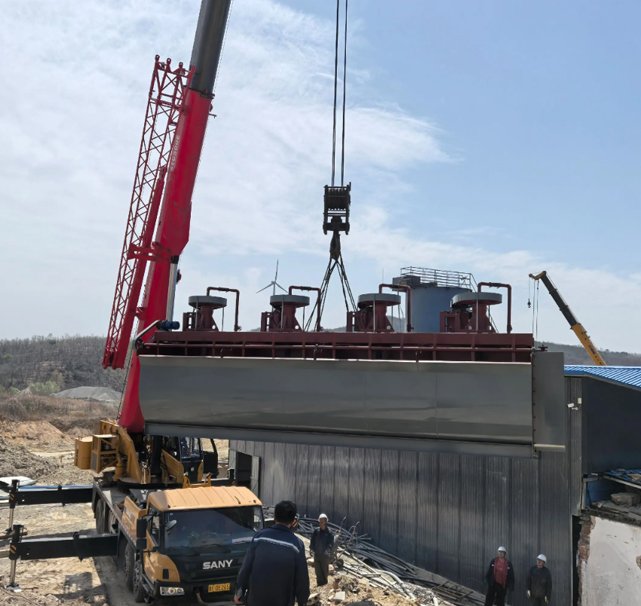
We offer full EPC turnkey services and send our Chinese engineering team to your country to install, commission, and train your staff. You don’t need to assemble a $1M+ plant alone.
Our EPC process:
- Engineering: We design concrete foundations (your local team pours them pre-shipment).
- Procurement: We manufacture and ship all equipment in ocean containers (2-3 months production time).
- Construction: Our team (mechanical engineers, welders, electricians) flies to your site to:
- Assemble flotation cells and tanks.
- Connect pumps, conveyors, and electrical systems.
- Test the entire plant (adjust reagents, grind size, and aeration).
- Training: We stay for 1 month to train your operators on flotation cell maintenance, reagent dosing, and recovery optimization—until the first gold concentrate is produced.
Where to Source Reliable Flotation Plant Spare Parts?
Buy spare parts directly from the original manufacturer (CHUNLEI) – fake parts break fast and shut down your plant.
Flotation plants have high-wear components:
- Rubber liners for ball mills (wear out in 6-12 months).
- Impellers and stators for flotation cells (critical for bubble generation).
- Jaw plates for crushers (abrasive sulfide ore wears them flat).
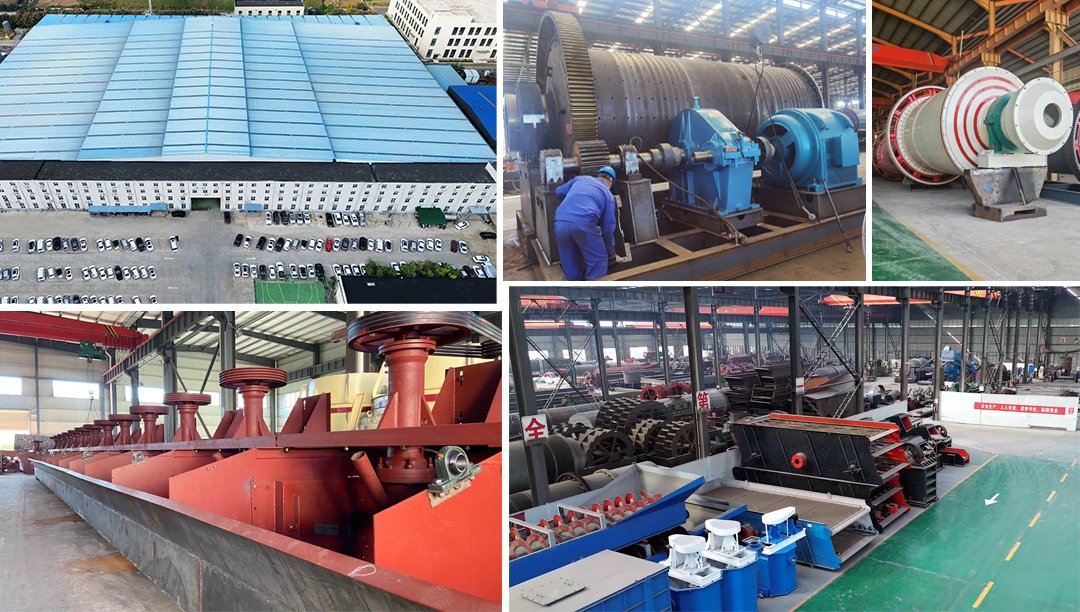
We manufacture all spare parts in our 8,000㎡ factory (matching your plant’s exact specs). We include a 1-year supply of core parts (liners, impellers) in your initial shipment. When you need more:
- We ship directly from China (7-14 day delivery to Africa/South America).
- No minimum order – we supply single parts or full kits.
Typical Gold Flotation Plant Configuration
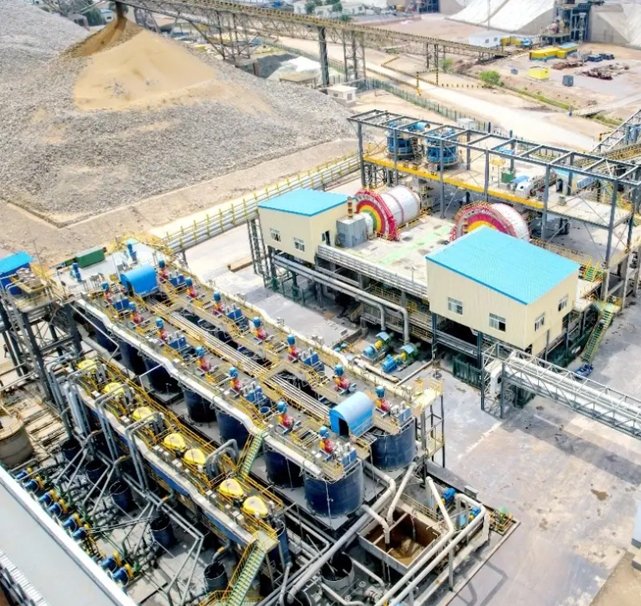
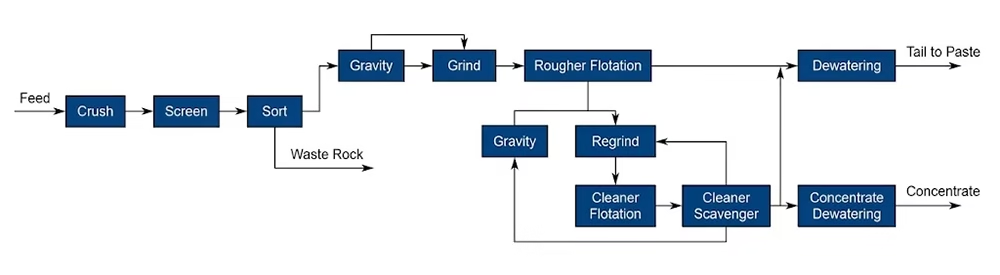
A gold flotation plant usually consists of several connected processing stages, including crushing, grinding, classification, slurry conditioning, flotation, concentrate dewatering, and tailings treatment. Each stage plays an important role in preparing the ore, separating valuable minerals, and improving overall processing efficiency.
The exact plant configuration depends on ore properties, gold occurrence, sulfide content, feed size, processing capacity, and flotation test results. The following is a typical process configuration for gold ores suitable for flotation.
1. Crushing and Screening
The first stage reduces large gold ore into smaller particles suitable for grinding. Jaw crushers and cone crushers are commonly used, while vibrating screens separate materials according to particle size.
Proper crushing and screening help maintain stable mill feed and improve the efficiency of the grinding stage.
2. Grinding and Classification
After crushing, the ore enters the grinding circuit, where ball mills reduce the particle size and help liberate gold-bearing minerals from the surrounding gangue.
Classifiers or hydrocyclones separate fine particles from coarse particles. Coarse particles return to the mill for further grinding, while suitably sized material proceeds to the next stage.
Grinding fineness should be determined through mineralogical analysis and beneficiation tests to avoid unnecessary overgrinding.
3. Slurry Mixing and Conditioning
The ground ore is mixed with water to form a slurry. Agitation tanks are used to maintain uniform pulp conditions and prepare the material for flotation.
Flotation reagents, such as collectors, frothers, and pH regulators, may be added according to ore characteristics and laboratory test results. Proper conditioning helps improve mineral surface properties and flotation selectivity.
4. Rougher, Cleaner and Scavenger Flotation
Flotation is the main separation stage for suitable gold-bearing ores, especially those associated with sulfide minerals.
- Rougher Flotation: Recovers as much valuable mineral as possible from the feed and produces a rougher concentrate.
- Cleaner Flotation: Further upgrades the rougher concentrate to improve concentrate grade.
- Scavenger Flotation: Recovers additional valuable minerals from rougher flotation tailings to reduce gold losses.
The number of flotation stages and equipment arrangement depend on mineralogy, liberation characteristics, and test results.
5. Concentrate Thickening and Filtration
The flotation concentrate is sent to a thickener to separate excess water from the solids. The thickened concentrate may then pass through a filter press or vacuum filter to reduce moisture content.
The final concentrate can be transported for further treatment, such as smelting or an appropriate downstream gold recovery process, depending on its composition.
6. Tailings and Water Recycling
Flotation tailings are collected and treated according to environmental and site-specific requirements. Tailings thickening and appropriate storage systems help manage solid waste and water.
Recovered process water can be returned to the plant for reuse where water quality is suitable. This helps reduce freshwater consumption and improve overall water management.
Important: This configuration is a general reference, not a fixed design for every gold mine. The actual process flow, equipment selection, reagent system, and operating parameters should be determined through ore testing, mineralogical analysis, and engineering design.
What to Look for in a Flotation Plant Supplier?
Avoid trading companies with no engineering expertise – your flotation plant needs scientific design, not just steel boxes. Choose a supplier with:
- In-house laboratory: Tests your ore to design the right flotation circuit (we test 50kg ore samples for free).
- CAD engineering team: Creates detailed flowsheets (not hand-drawn sketches).
- Manufacturing capability: Ask for video tours of their factory (we have CNC machines and welding robots for flotation cell production).
- EPC experience: Proven track record of installing plants in your region (we have 200+ global installations).
- Post-sales support: 24/7 technical support (we have local reps in Africa/South America/Asia).
FAQ
Q1: How long does it take to build a flotation plant?
A: 5-7 months total: 2-3 months for manufacturing (China), 1 month for shipping, 1-2 months for installation/commissioning.
Q2: Do I need a lot of water for a flotation plant?
A: Yes (3 m³ per ton of ore) – but we design closed-loop systems to reuse 80% of water (only replace evaporated water).
Q3: Can flotation plants run on diesel generators?
A: Yes – we calculate total power needs (e.g., 50 TPH plant = 1500 kW) and design the plant to run on diesel (critical for remote mines with no grid power).
Q4: What’s the minimum gold grade for profitable flotation?
A: 1.0 g/t (grams per ton) for large plants (500+ TPH) – scale drives down per-ton costs, making low-grade sulfide ore profitable.
Summary and Final Advice
A profitable flotation gold plant depends on matching equipment/reagents to your sulfide ore’s unique characteristics. You need a crushing/grinding circuit to expose gold-sulfide particles, a tailored flotation circuit to separate gold, and a dewatering system to produce sellable concentrate.
Take the first step: Dig up 50kg of representative ore from your mine and mail it to our laboratory. We’ll test it for free and design a custom flotation flowsheet – no guesswork, no wasted money.
Contact CHUNLEI today for a free flotation plant consultation – our technical team will help you build a plant that maximizes gold recovery and profits.