Search the whole station Hot Product Catalog
You want to turn raw rocks into valuable gold bars safely and efficiently. You need a complete gold processing plant to achieve this goal. We build these heavy duty extraction systems. We know this huge project requires huge money and careful planning. You must choose the right chemical method and the strongest crushing machines. We will show you exactly how to design a factory that recovers maximum gold from your ore.
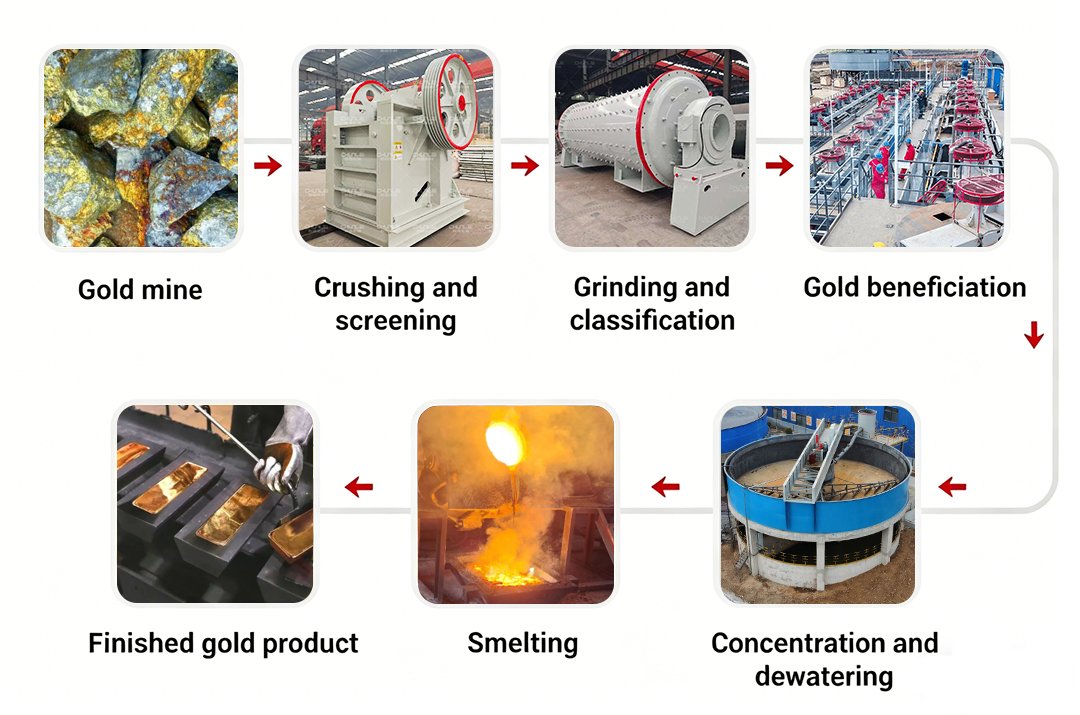
A complete gold processing plant is a massive factory that breaks down solid mountains and uses chemicals or gravity to separate pure gold from useless dirt. You use many continuous machines working perfectly together.
You cannot just wash rocks and find gold anymore. Modern mines deal with tiny, invisible gold flakes trapped deep inside solid rocks. We design the whole factory system from start to finish. You start with big trucks dumping huge rocks into steel hoppers. You send these rocks through massive crushers to make gravel. You push the gravel into steel spinning drums to make wet mud. Finally, you pump this mud into huge chemical tanks. The chemicals pull the invisible gold out of the mud. We build every single machine for this entire process. You get a single, unified factory design. We make sure the crushing speed perfectly matches the chemical tank capacity. Your whole factory runs 24 hours a day without traffic jams between machines.
You must understand the four distinct work areas in your factory. Do not mix up the machines. Each section does one exact job. You move the material forward via long rubber conveyor belts and steel water pumps. We design the layout so gravity helps move the material downwards.
| Factory Section | Main Activity | Key Output | Why It Matters to You |
|---|---|---|---|
| 1. Crushing | Breaking big rocks | Small gravel | Saves energy for the next step. |
| 2. Grinding | Rubbing gravel with steel balls | Fine wet mud | Exposes gold hidden in rock. |
| 3. Extraction | Using tanks or shaking tables | Gold concentrate | The main profit step of the factory. |
| 4. Smelting | Melting black powder | Yellow gold bars | Your final product for sale. |
You use gravity for heavy gold chunks, flotation for gold trapped in sulfur, and cyanidation for invisible microscopic gold. You must match the extraction method exactly to your specific rock type.
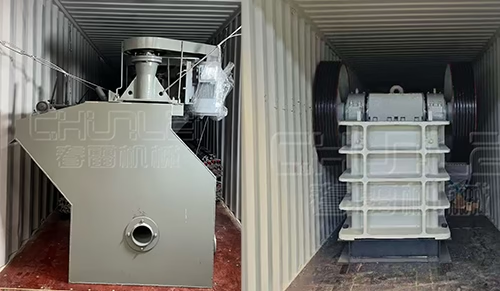
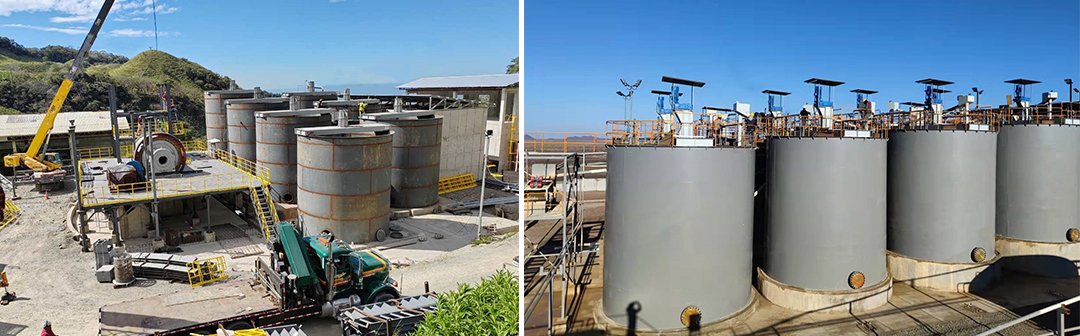
You want the cheapest and simplest method first. Gravity separation is very cheap. You flow muddy water over vibrating plastic tables. Heavy gold sinks to the bottom. Lighter dirt washes away. You use a shaker table for this. But many mines have gold mixed tightly with sulfur rocks. You must use flotation for these rocks. You mix the mud with special soap and pump air into it. The gold sticks to big bubbles and floats to the top. We skim the bubbles off. Finally, you have tiny gold dust locked completely inside quartz. We must use cyanidation for this. You put the mud into huge steel tanks with cyanide chemicals. The chemical dissolves the gold like sugar dissolving in hot water. We tests your raw rocks in our big laboratory first. We tell you exactly which method makes you the most money.
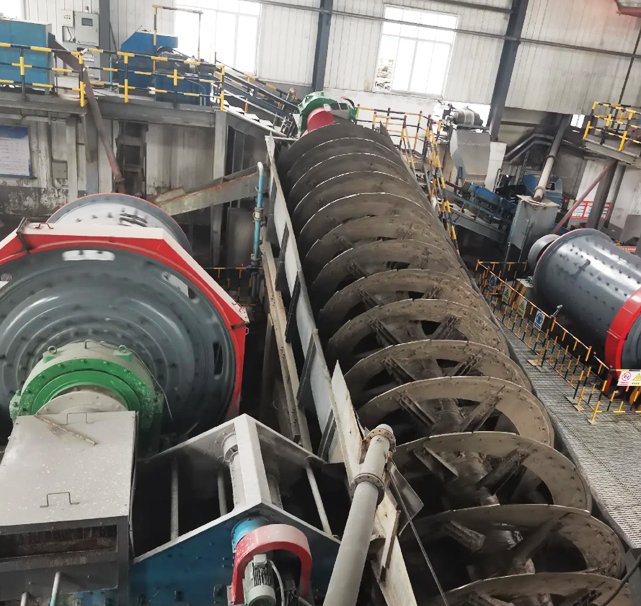
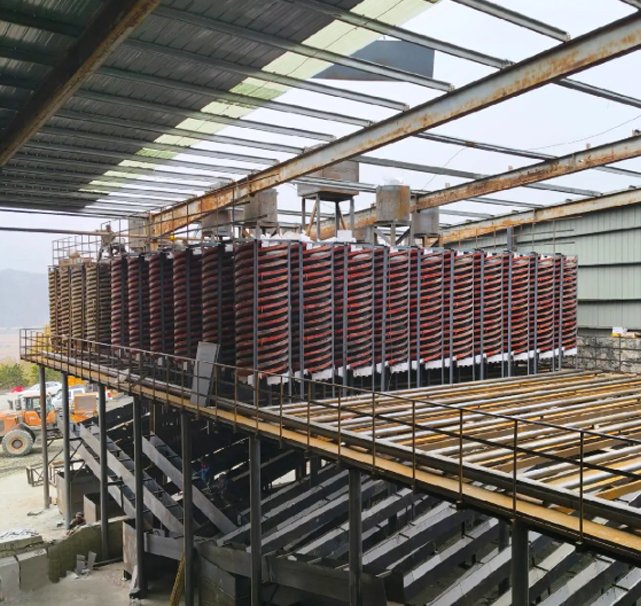
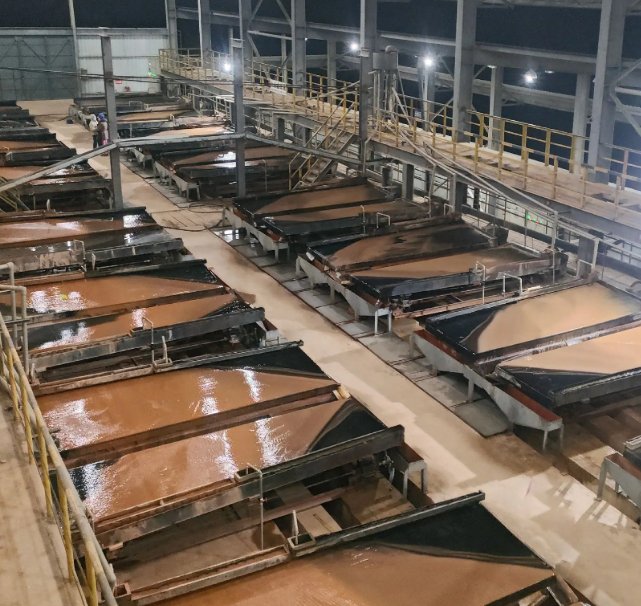
Real Example: A customer in Ghana insisted on buying a cheap gravity table. We tested his rocks. The gold was microscopic. Gravity tables caught zero gold. We changed his design to a chemical tank system. He now recovers 92% of his gold. Test your rocks first.
If you need to dry your final gold concentrates, check our solutions on [Rotary Dryers for Mineral Processing].
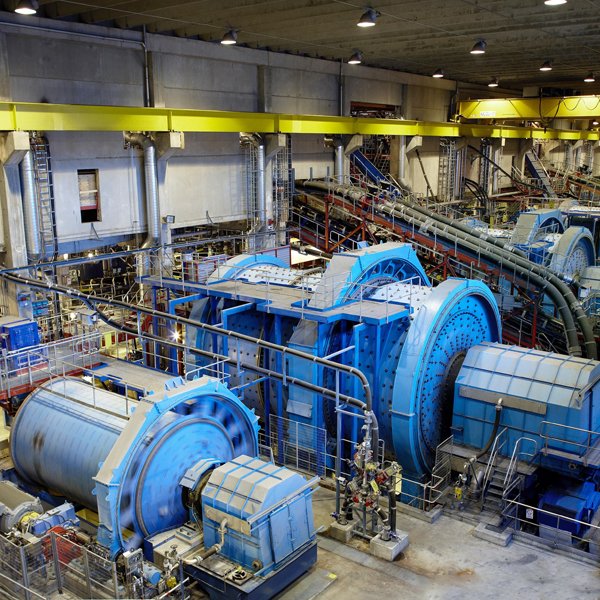
You use massive steel jaw crushers and powerful spinning ball mills to turn solid quartz into fine dust. This section consumes the most electricity in your entire gold processing plant.
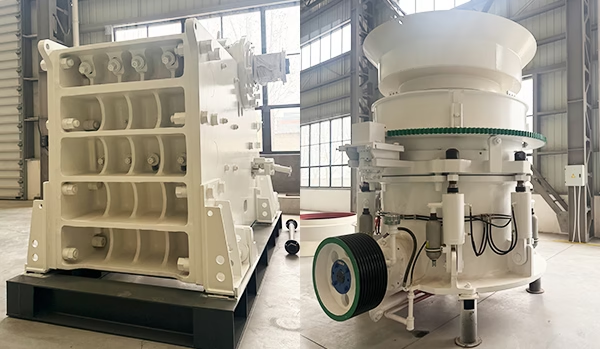
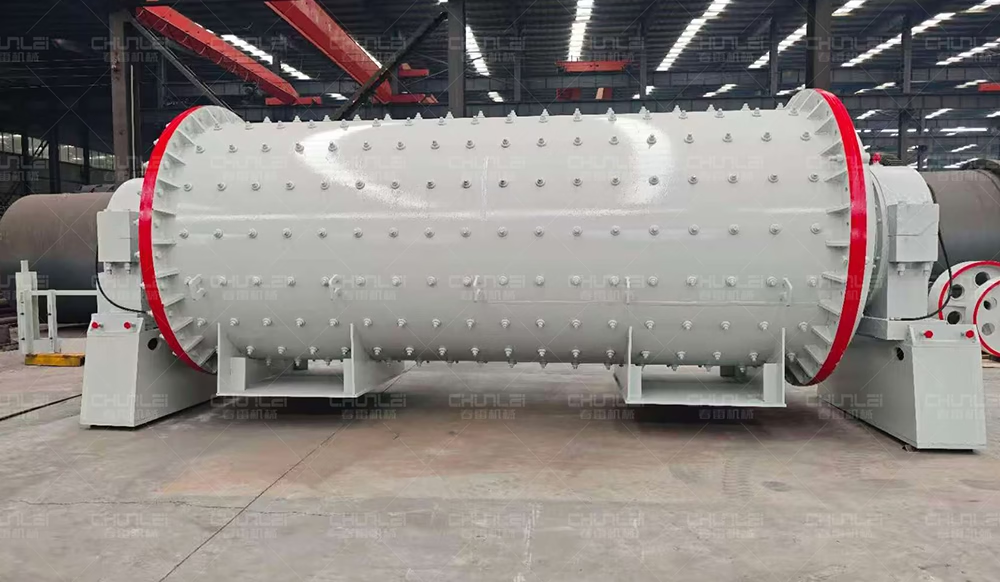
Gold lives inside very hard quartz rock. This rock breaks ordinary steel quickly. You feed giant rocks into a primary jaw crusher. This machine has two thick metal plates. It crushes rocks like a giant jaw chewing hard candy. You then send the smaller rocks into a cone crusher. This machine squeezes rocks between two metal cones until they become tiny pebbles. We build our gold ore crushing line using very thick manganese steel plates. Finally, you wash the tiny pebbles into a ball mill. We fill a huge steel tube with heavy iron cannonballs. The tube spins fast. The iron balls fall down and smash the pebbles into fine wet mud. Our engineers calculate exact motor sizes for you. We make sure you never waste electricity on machines that are too big.
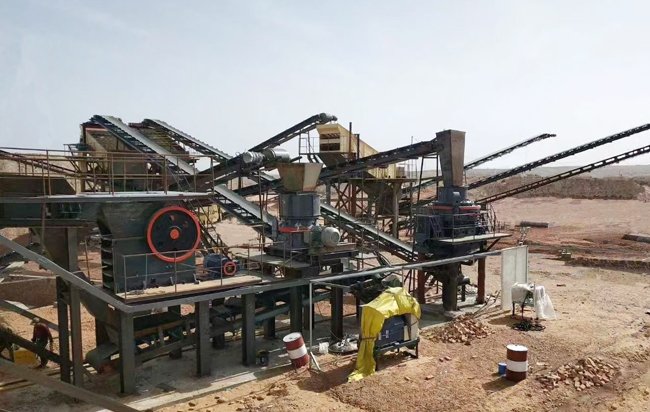
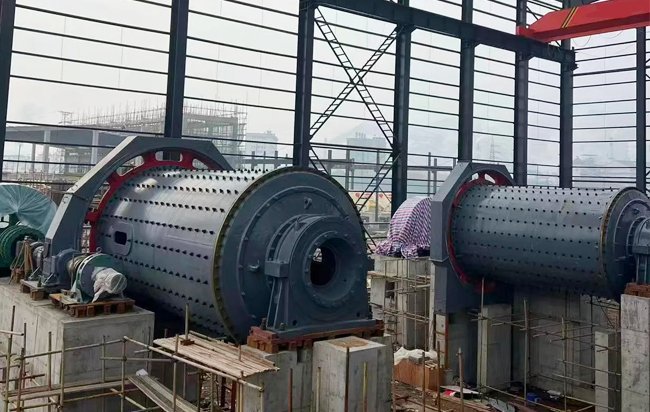
You improve your gold recovery by grinding your rocks much finer and keeping your chemical tank agitators spinning perfectly. A 2% drop in recovery costs you millions of dollars every year.
Your extraction chemicals cannot touch the gold if rock still covers it. You must grind the mud until it feels completely smooth between your fingers. We use a spiral classifier or a hydrocyclone machine to check the mud size automatically. If the mud is too thick, the machine sends it back to the ball mill for more grinding. You must also keep the mud moving inside your chemical tanks. If the mud sinks to the bottom, the chemicals cannot do their job. We install high-power double-impeller agitators inside tanks. Our large motors keep every drop of mud mixing constantly. You need to hire smart operators to check your water acid levels every hour. Perfect acid levels help the cyanide dissolve gold faster.
CIP and CIL are advanced chemical methods that use black carbon chunks to soak up dissolved liquid gold. These two methods represent the most common modern gold recovery equipment systems in the world.
You dissolve the solid gold into liquid water using cyanide. Now you must pull that liquid gold out of the dirty water. You drop special activated carbon pieces into the tank. This carbon looks like black barbecue charcoal. The carbon acts like a stiff sponge. It sucks the liquid gold deep into its tiny holes. CIP stands for Carbon In Pulp. You do the chemical dissolving first, then you move the mud to different tanks to add the carbon sponge. CIL stands for Carbon In Leach. You do the dissolving and the carbon soaking at the exact same time in the same huge tank. We build the complete CIL gold plant for major mining companies. We install special metal screens between the huge tanks. These screens let the wet dirt flow past, but they trap the valuable gold-filled carbon sponges safely inside.
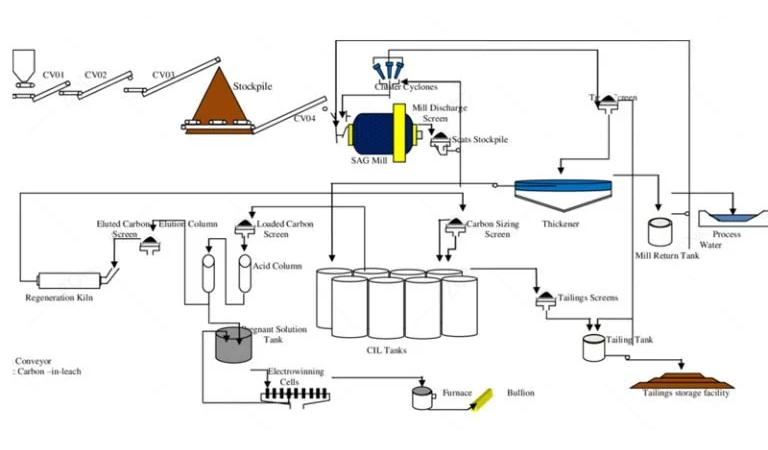
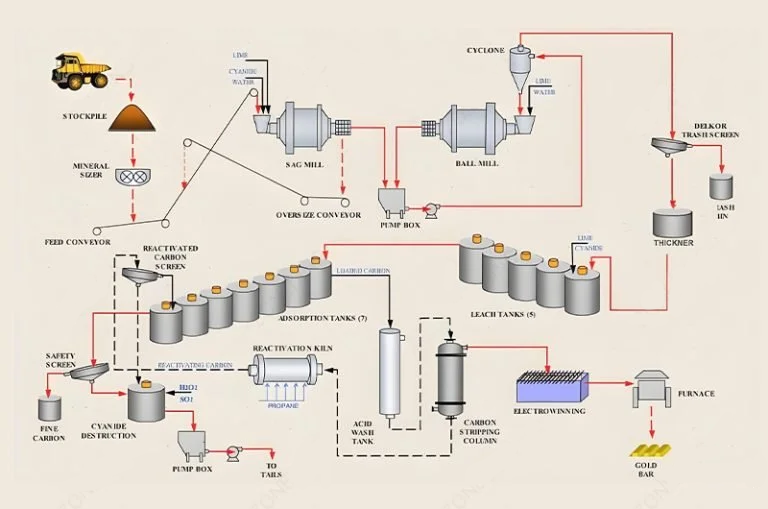
You must mix special detoxifying chemicals into your waste mud and squeeze out the water before dumping it. Your local government will close your mine immediately if you leak dangerous chemicals into local rivers.
We call the useless waste dirt “tailings”. You cannot just pour wet, chemical-filled tailings onto the ground. The cyanide will kill local animals. We add a special washing thickener machine at the end of your factory. This machine adds clean water to wash the cyanide out of the waste dirt. You collect the valuable cyanide and use it again tomorrow. This saves you a lot of money on expensive chemicals. Then you pump the wet dirt into a filter press. This machine squeezes the dirt super hard. Clean water falls out. You get dry bricks of dirt left over. We call this dry stacking. We provide all the pumps and filters for safe dry stacking. You stack the dry dirt safely. It will not leak or slide during heavy rain.
Read more about heavy metal grinding solutions by reviewing our page on [Industrial Ball Mill Models].
Yes, you absolutely need a custom design because your mountain has completely different rock chemistry than any other mountain. A smart gold processing flowsheet stops you from buying useless machines.
Many buyers make the mistake of copying a neighboring factory. Your neighbor might have soft rocks with big gold nuggets. You might have hard rocks with microscopic gold dust hidden in sulfur. His machines will totally fail in your factory. We have 15 senior mineral processing engineers. We study your rock lab report first. We draw a huge map showing every single pipe, wire, motor, and water pump. This map is your flowsheet. We show you exactly how many tons of water you need every hour. We show you exactly how steep the pipes must tilt to stop mud from sticking. We design the factory building around your specific land hills and valleys. You get a factory that fits your site perfectly.
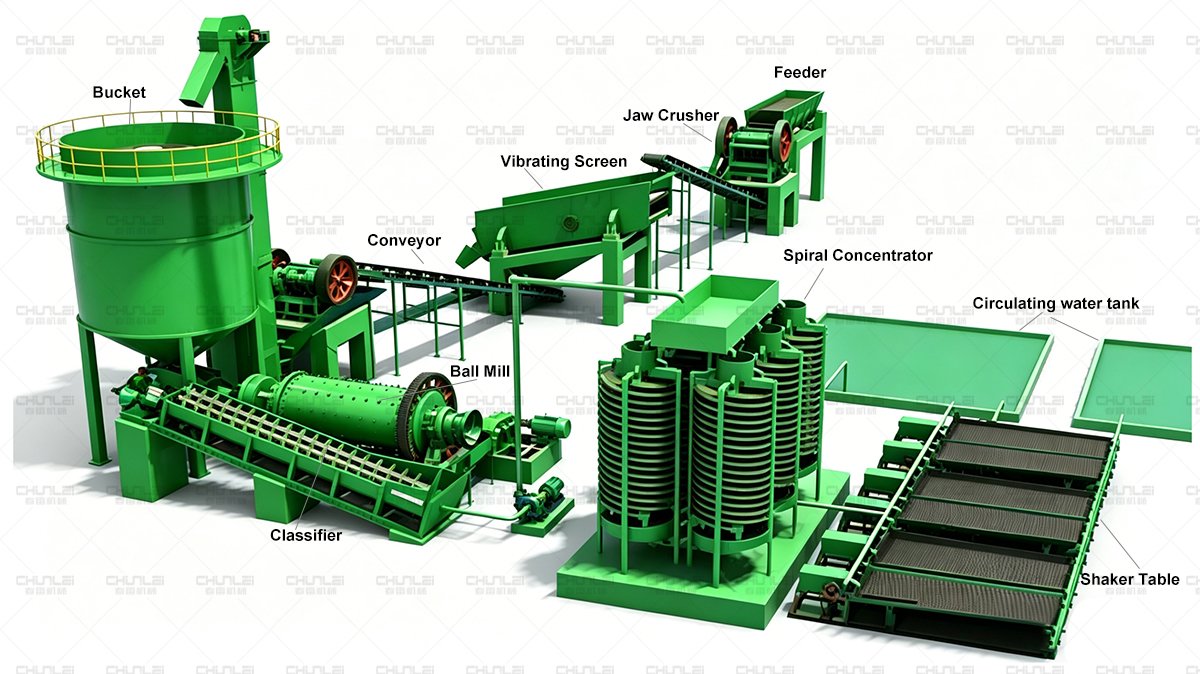
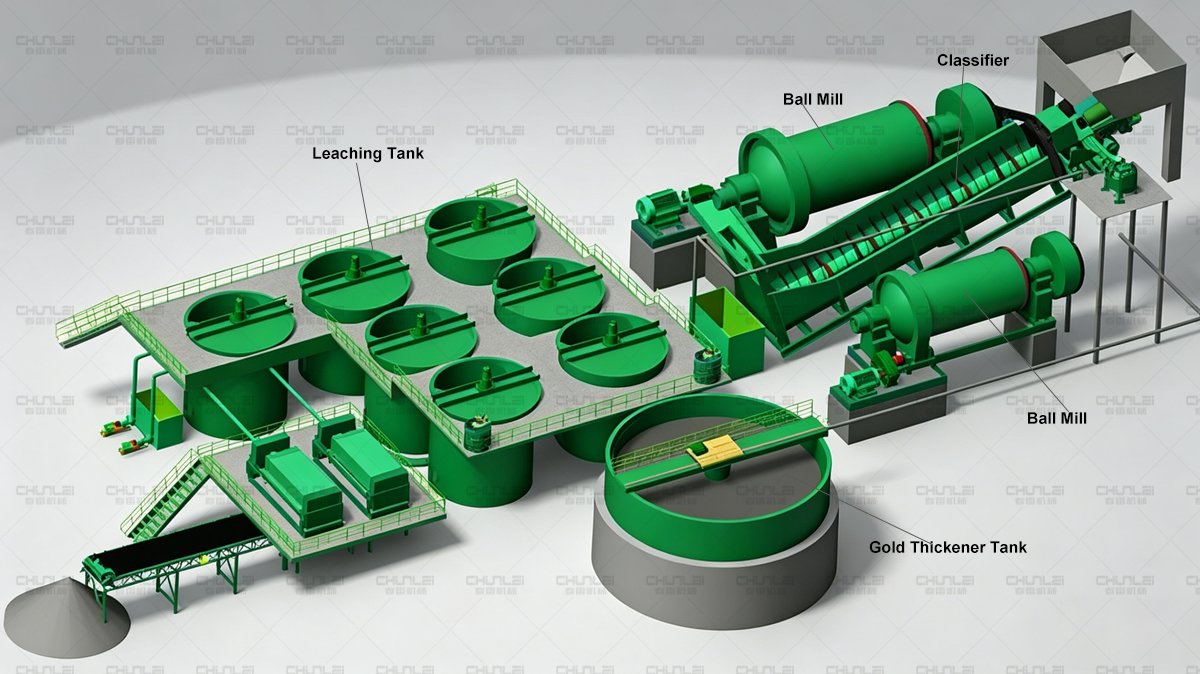
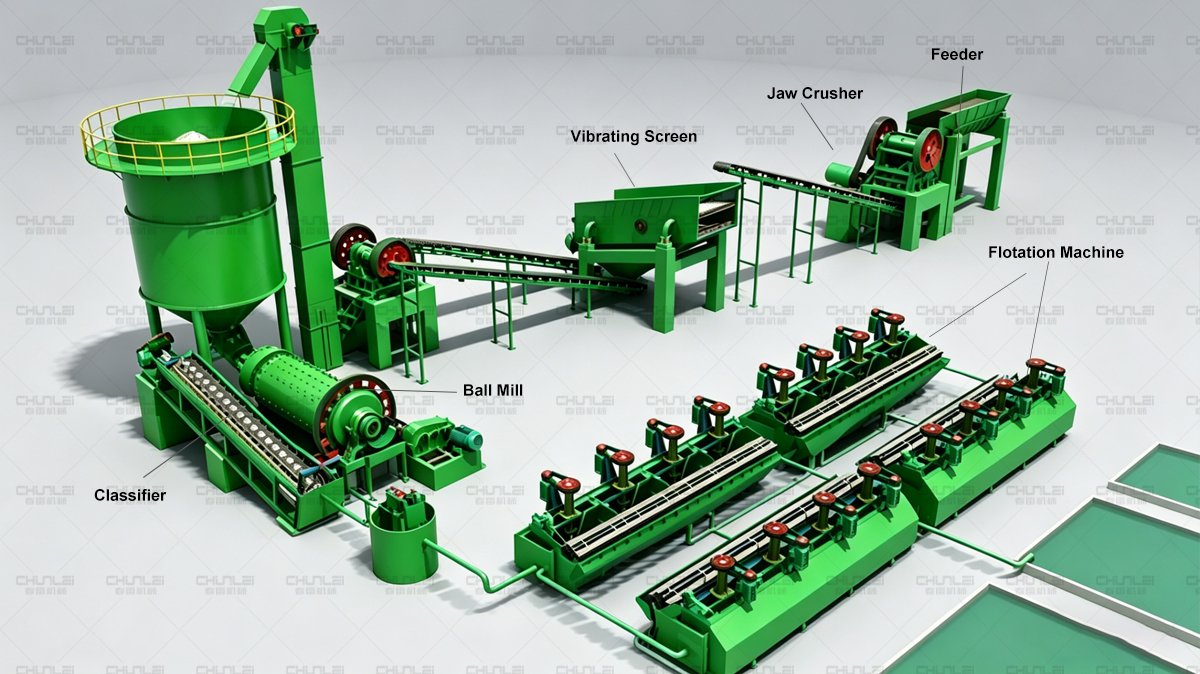
A basic gravity system costs around $150,000, while a massive modern chemical leaching factory costs several million dollars. The price changes dramatically based on how many tons of rock you want to crush every day.
You pay mostly for heavy steel machines and powerful electric motors. A small 10-ton-per-hour factory uses small crushers and small tanks. A giant 1,000-ton-per-day factory needs huge building structures, massive thickener machines, and powerful conveyors. You buy directly from CHUNLEI, a real factory manufacturer in China. We save you at least 30% compared to buying from local middlemen holding stock. Our price includes the raw machines, the electrical control panels, and the steel walking stairs around the big tanks. We give you an open, honest price sheet. You see exactly how much you pay for the jaw crusher and exactly how much you pay for the ball mill. You will not find hidden fees in our contracts.
We offer full EPC mineral processing turnkey services and send our professional Chinese engineering team to your country. You do not have to guess how to assemble a million-dollar factory by yourself.
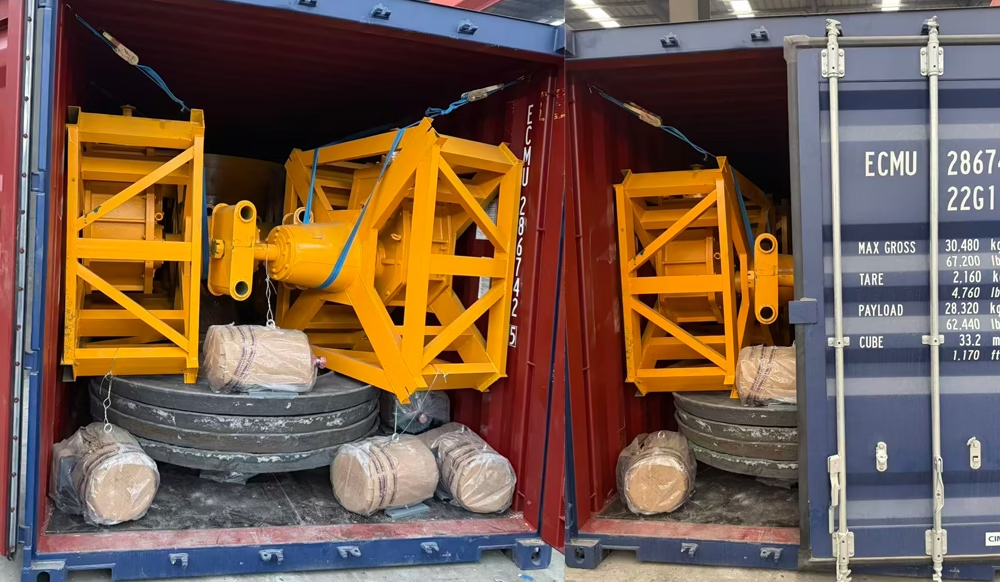
EPC stands for Engineering, Procurement, and Construction. It means we handle everything. First, we design the blueprints for your concrete foundation. Your local workers pour the concrete before our ships arrive. Then, we put all the machines into ocean containers. Finally, we fly our best mechanical engineers, pipe welders, and electrical technicians to your site. Our team works side-by-side with your local workers. We weld the huge chemical tanks together right on your land. We connect the big cables to your power generator. More importantly, we do not leave when the machines turn on. We stay at your camp for a month. We adjust the chemicals and train your local operators until the first pure gold bar comes out successfully.
You must buy your thick metal liners and rubber belts directly from the original machine manufacturer. Fake spare parts break fast and force your entire factory to shut down.
Your jaw crushers eat solid rocks every day. The metal jaw plates wear completely flat after a few months. Your big chemical tanks have turning metal blades that eventually break. We make all the replacement parts in our 8000-square-meter factory. We keep the exact blueprints of your specific machine. If you need a new gear for your ball mill, we manufacture it exactly to your original size. We always pack a one-year supply of basic spare parts into the first shipping container with your new machines. You have everything you need on day one. When you run out, you call us. We ship fast directly from China. You avoid long factory delays.
CHUNLEI Machinery provides all genuine parts.
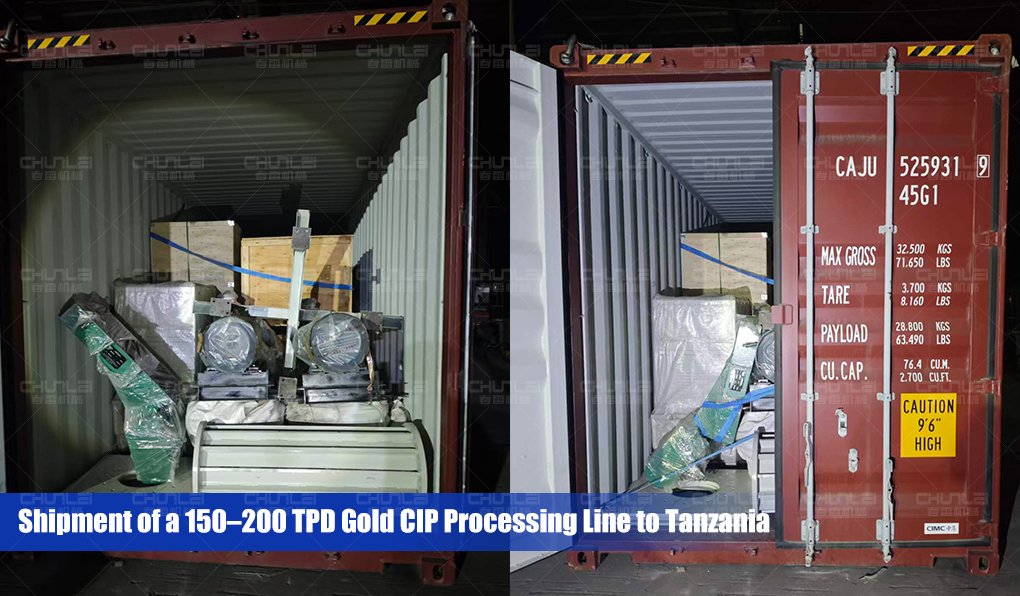
We built a highly successful gold extraction factory in Tanzania in 2022. The client had severe issues with sticky clay blocking their crushers.
The Client Challenge: The client tried to crush dirty, wet rocks. The heavy clay stuck to the jaw plates like glue. Their old crushers jammed completely every thirty minutes. Their factory was constantly stopped.
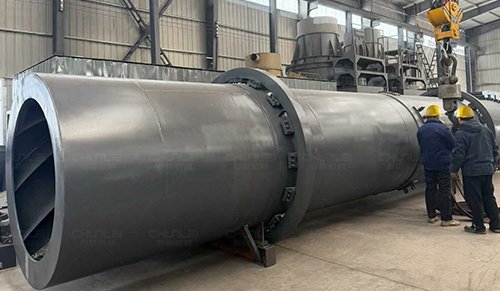
The Solution: We completely redesigned their front crushing line. We installed a huge rotary washing drum before the crushers. This drum uses high-pressure water to wash all the sticky red clay away from the hard rocks. We collected the gold-rich clay separately. The clean, hard rocks then went easily into the jaw and cone crushers without jamming. We directed everything into a modern CIL tank system. Their recovery rate reached an amazing 94%. Their machines run smoothly every single shift.
You play a risky game if you buy cheap equipment from a trading company with no engineering background. Your factory needs precise scientific design, not just random steel boxes.
We have built and installed heavy mineral processing machines for over twenty years. We have real customer cases in Africa, South America, and Asia. We control the quality tight because we make the machines ourselves.
Modern gold factories use automated smart sensors to measure chemical levels without human help. The mining industry wants to reduce human errors and protect the environment tightly.
The industry pushes strongly against wet waste dams. Huge wet tailing dams break easily and cause disasters. The newest trend is 100% dry stacking everywhere. You squeeze every drop of clean water out of your waste dirt. You reuse the water immediately. You build a safe dry mountain of waste. CHUNLEI integrates all these modern smart control panels and drying filters into our newly designed factories.
Question 1: How long does it take to build a complete gold factory?
It takes about four to six months. We need two months to manufacture all machines in China. Ocean shipping takes one month. We spend one to two months on your site doing installation and testing.
Question 2: Do I need a huge water supply for a wet process plant?
Yes. Chemical extraction requires vast amounts of clean water. However, we design closed-loop recycling systems. You reuse about 70% of your water every day. You only need to replace the water that evaporates naturally.
Question 3: Can I run my factory on diesel power generators?
Yes. Many remote gold mines have no city electricity. You must buy large industrial diesel generators. We will tell you the exact total kilowatt power you need to run all motors smoothly.
Question 4: What is the lowest gold grade I can process profitably?
You can profitably process very low grades like 1.5 grams per ton if you build a large-scale factory. Large factories process huge daily volumes to keep the cost per ton extremely low.
You build a profitable factory by matching the exact right machinery to your specific rock type. You need a primary crushing line to smash rocks and a wet ball mill to grind fine mud. You maximize your gold output using advanced chemical CIP or CIL tank systems. You must protect the environment by filtering your waste safely. You should only buy equipment from a direct manufacturer with deep engineering skills.
You need to take the first step seriously. Go to your mountain and dig up 50 kilograms of representative rocks. Mail those rocks directly to our laboratory. Do not spend thousands of dollars guessing your factory layout. Get real data first.
Contact CHUNLEI today. Ask our technical team for a free consultation on your gold processing flowsheet.on, and dewatering. Each set undergoes rigorous quality control before leaving our factory, ensuring efficient operation, minimal downtime, and maximum service life.
Copper Ore Beneficiation Process Copper Ore Beneficiation Process CHUNLEI specializes in custom-engineered, heavy-duty copper beneficiation systems. By integrating precise process flows, compatible flotation reagents, and wear-resistant equipment, we comprehensively enhance copper recovery rates and ensure mine profitability. …
Steel Slag Production Line Steel Slag Production Line Steel slag production lines can transform industrial steel slag generated from steelmaking and ironmaking into valuable resources, processing it into high-value-added building material aggregates, mineral powder, and recycled metals. The CHUNLEI steel slag treatment system boa…
Phosphate Ore Dressing Production Line Process Introduction Phosphate beneficiation is a complex, multi-step process designed to separate useful minerals (such as apatite) from waste rock in phosphate ore. Flotation: Flotation is one of the main methods in phosphate beneficiation. It is suitable for processing ph…
Graphite Ore Dressing Production Line Process Introduction Crystalline graphite has natural floatability, so flotation is mainly used to separate graphite ore. For graphite ore with multiple gangues, gravity separation and flotation combined process can also be used. Ishiguro ore dressing production line usually …
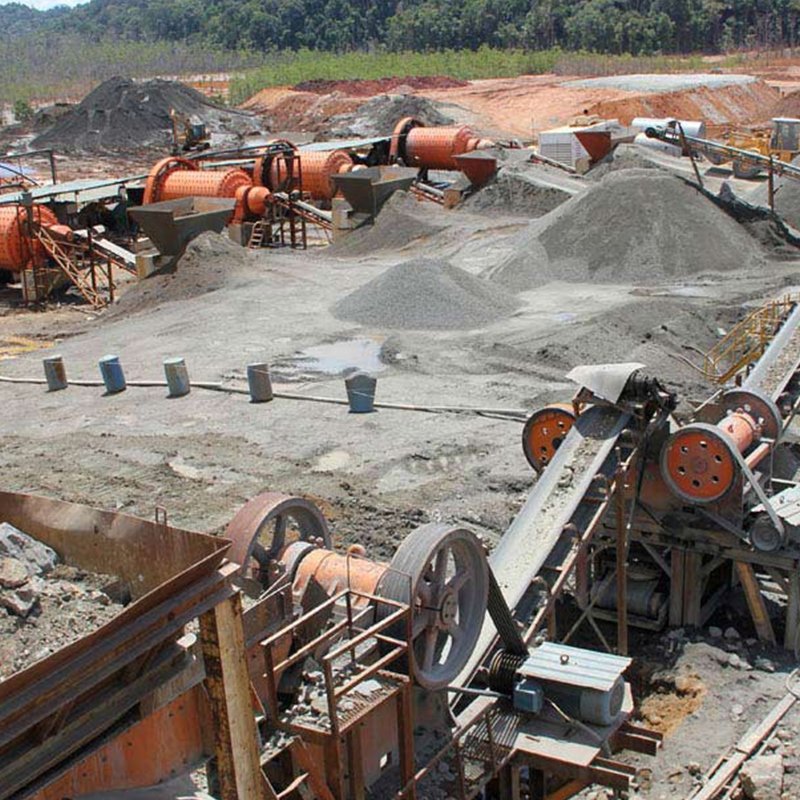
Fluorite Ore Dressing Production Line Process Introduction Fluorite ore beneficiation methods include gravity separation and flotation, which are also divided into gravity separation equipment and flotation equipment. Gravity separation equipment refers to jigs, and only jigs can process coarse-grained fluorite lumps. Fluorite fl…
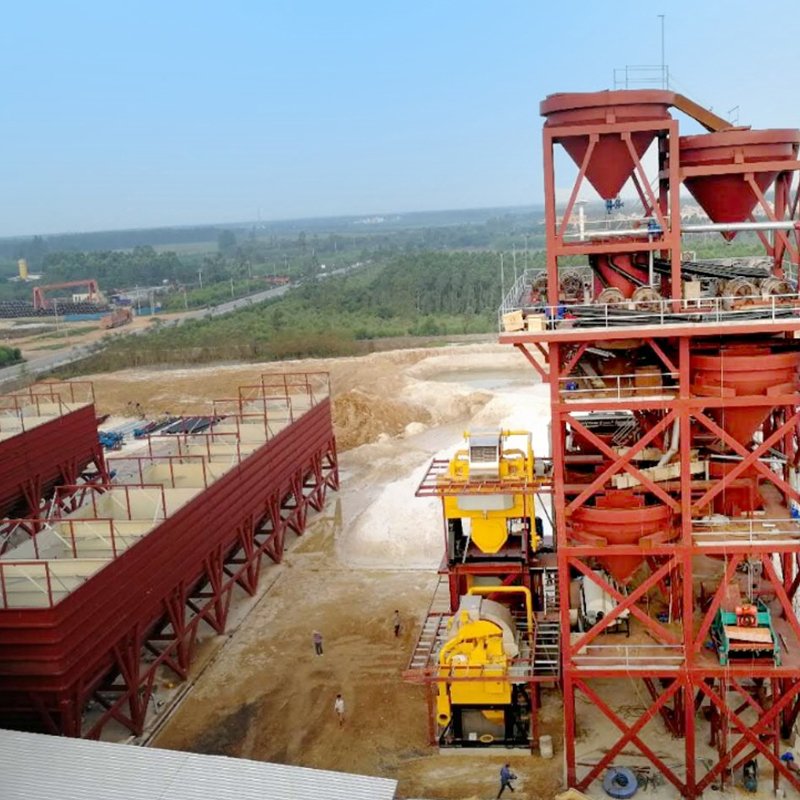
Quartz Sand Dressing Production Line Process Introduction The quartz sand beneficiation process is mainly for purification, removing small or trace amounts of impurities in quartz sand to obtain refined quartz sand or high-purity quartz sand, which is a highly difficult separation technology. The quartz sand purification processe…
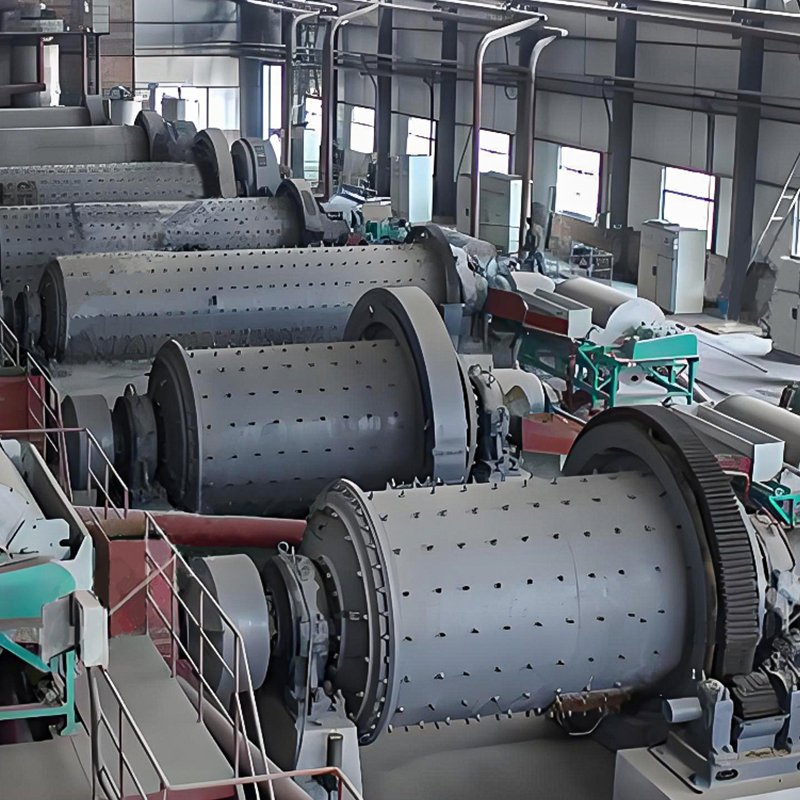
Feldspar Ore Dressing Production Line Process Introduction According to different types of feldspar minerals and ore properties, Chunlei has developed a series of different feldspar ore dressing processes, including magnetic separation, flotation, gravity separation or combined processes, so as to remove mica mineral impurities a…
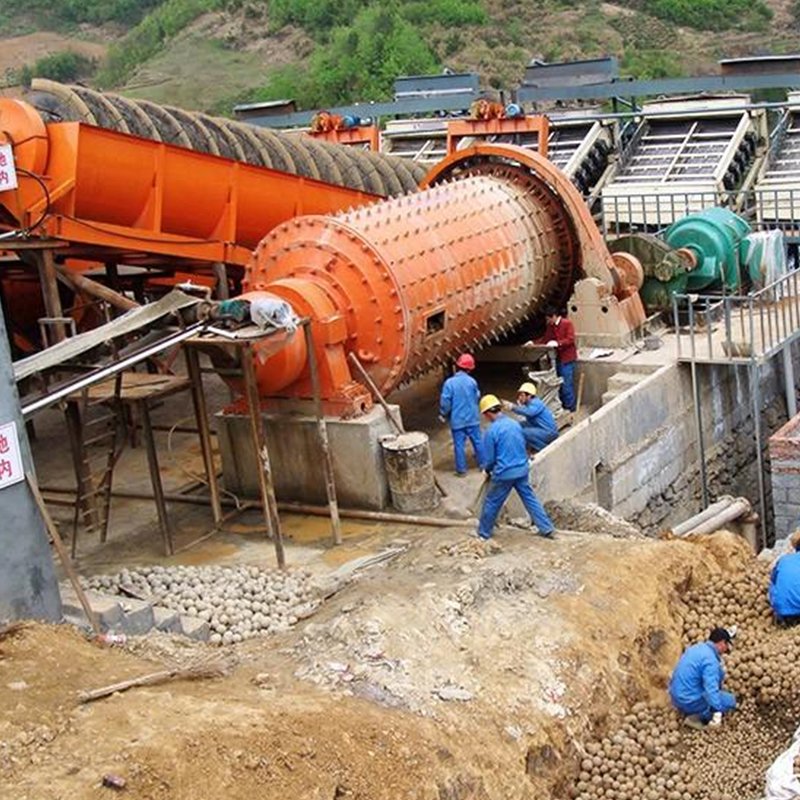
Kaolin Dressing Production Line Process Introduction Wet and dry separation are the two main processes of the Spring Thunder kaolin beneficiation process.The dry separation process is used to process kaolin ores with high whiteness and low gravel content;The wet kaolin beneficiation process is used to process complex kaolin ores…
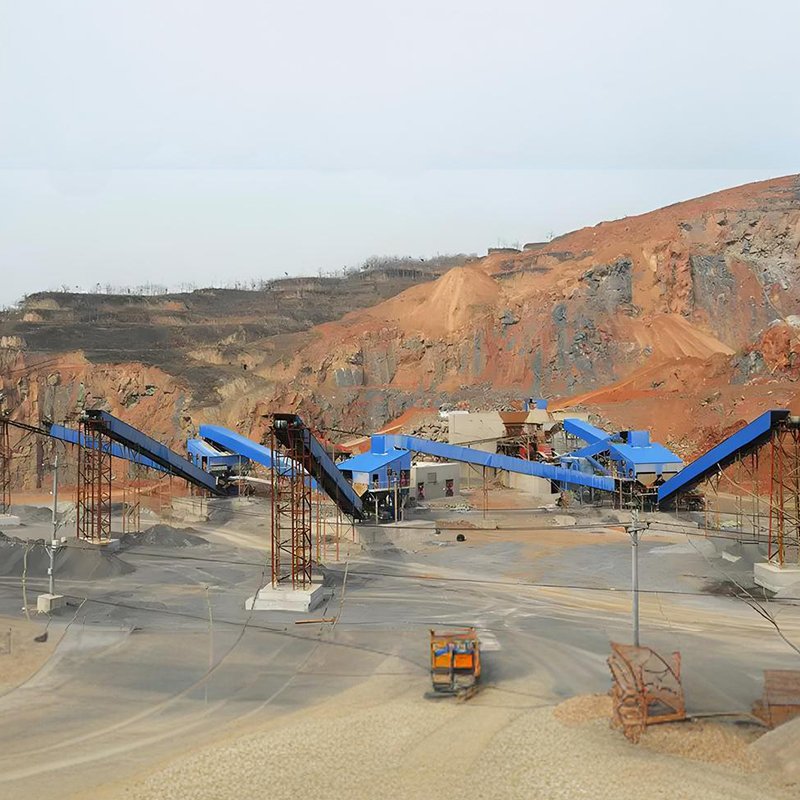
Dolomite Dressing Production Line Process Introduction Dolomite beneficiation process is a beneficiation solution to separate dolomite concentrate from dolomite ore. Based on the mosaic structure of dolomite ore and years of beneficiation process experience, Chunlei beneficiation process adopts two-stage crushing, washing, three-…
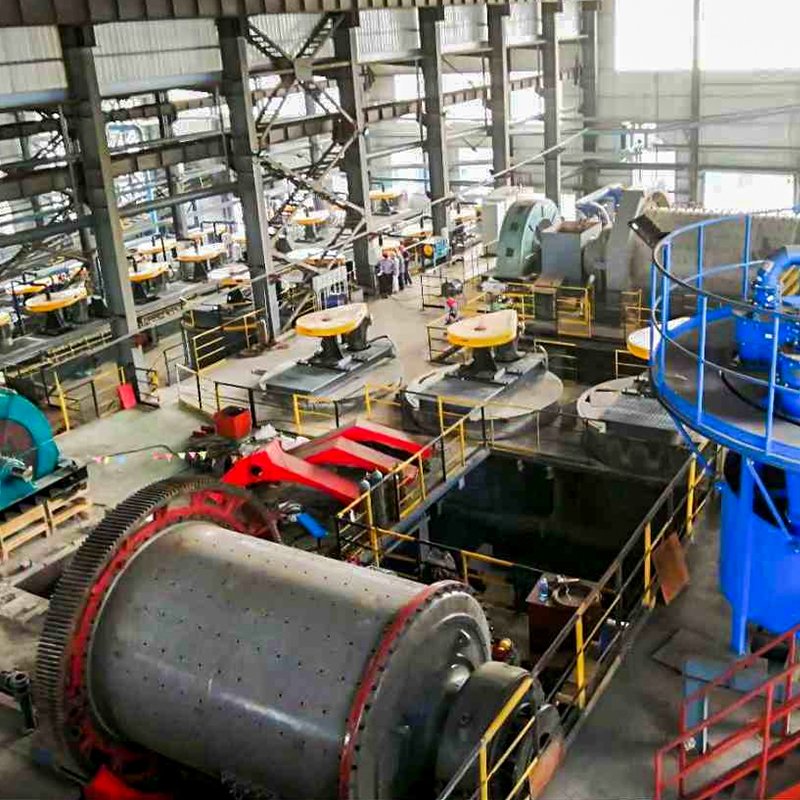
Nickel Ore Beneficiation Production Line Process Introduction Nickel ore is mainly divided into copper-nickel sulfide ore and nickel oxide ore. The most important beneficiation method for copper-nickel sulfide ore is flotation, while magnetic separation and gravity separation are usually auxiliary beneficiation methods. …
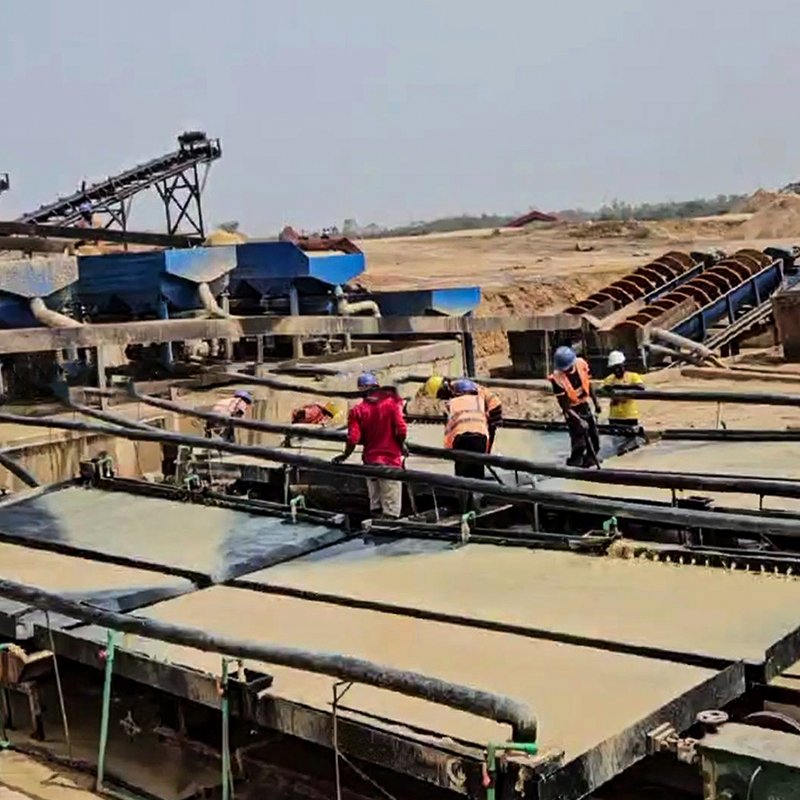
Tin Ore Beneficiation Production Line Process Introduction Flotation is a commonly used method in tin ore beneficiation, mainly used for the separation of concentrates. The process flow is generally divided into three parts: raw ore processing, ore sand separation and ore mud separation. The flotation process usually adopts a one…
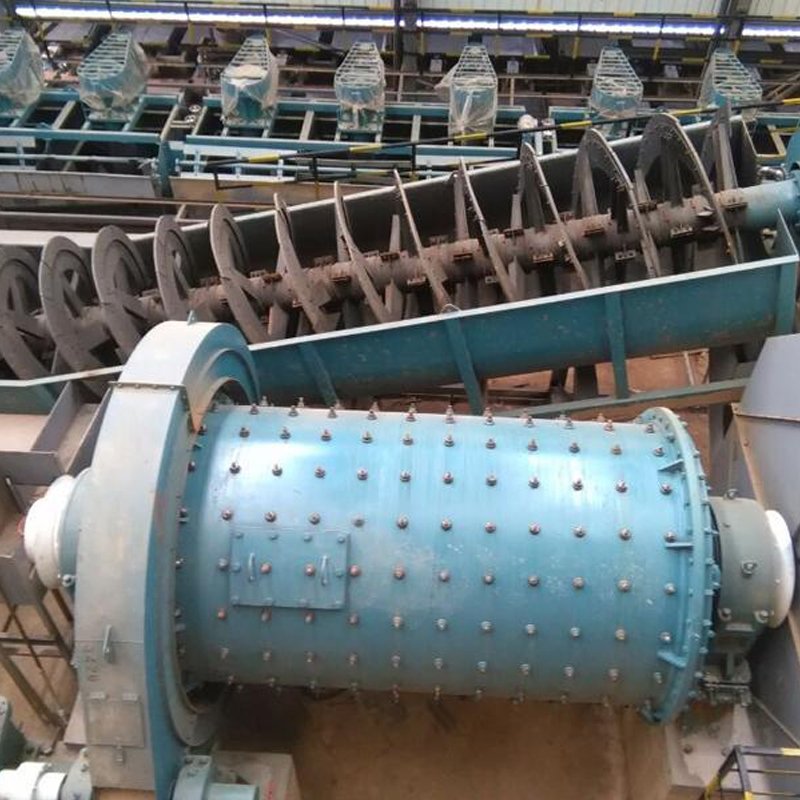
Wolfram Ore Beneficiation Process Process Introduction Wolframite is mostly quartz large vein type or fine vein type tungsten deposits, with coarse embedded particle size, which is easier to select and separate. ChunLei’s separation of wolframite is mainly based on re-election as the main union, divided into four stages of roughi…
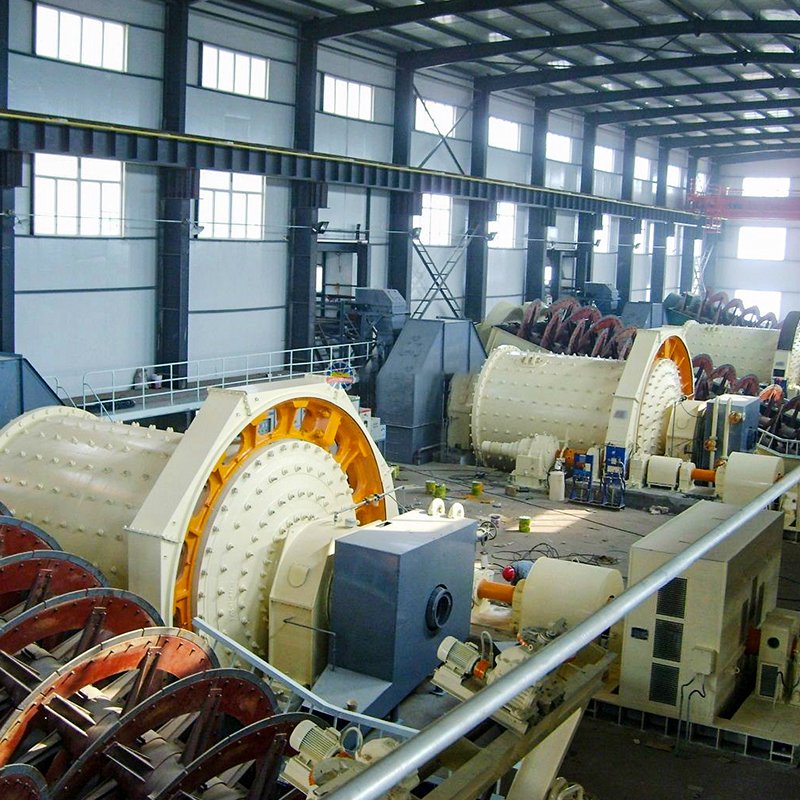
Molybdenum Ore Beneficiation Process Process Introduction Molybdenum ore dressing mainly goes through crushing and grinding – flotation – dehydration and refining, and the coarse concentrate is re-grinded and re-selected to improve the concentrate index. Molybdenum ore beneficiation process is the process of sepa…
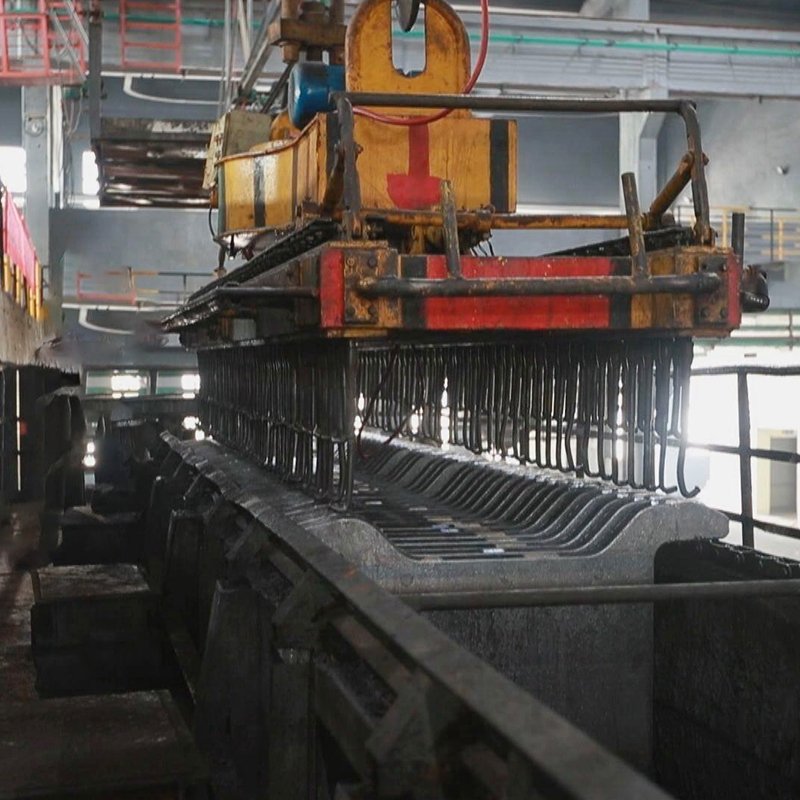
Copper-Lead-Zinc Ore Beneficiation Process Process Introduction Copper-lead-zinc beneficiation process adopts mixed flotation-concentrate regrinding process, which can reduce the cost of milling and is easy to manage, and at the same time, it applies new non-toxic flotation chemicals, which is highly efficient and environmentally…
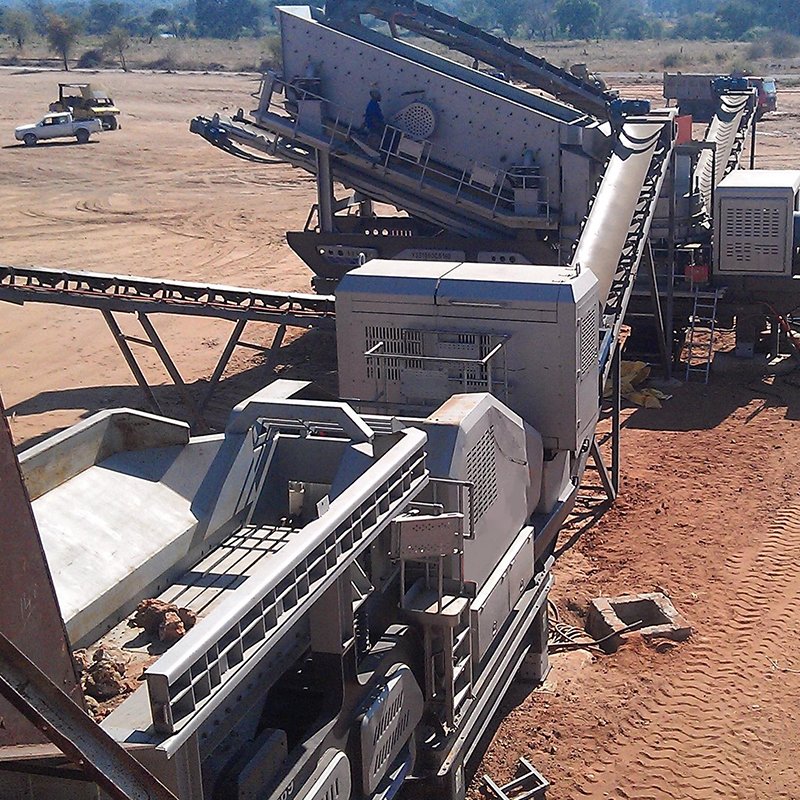
Titanium Ore Beneficiation Process Process Introduction The titanium ore beneficiation process is a complex and multi-step process, mainly including crushing, grinding, beneficiation and smelting.Titanium concentrate is the raw material of titanium dioxide. The Chunlei titanium ore mining process includes gravity flotation proces…
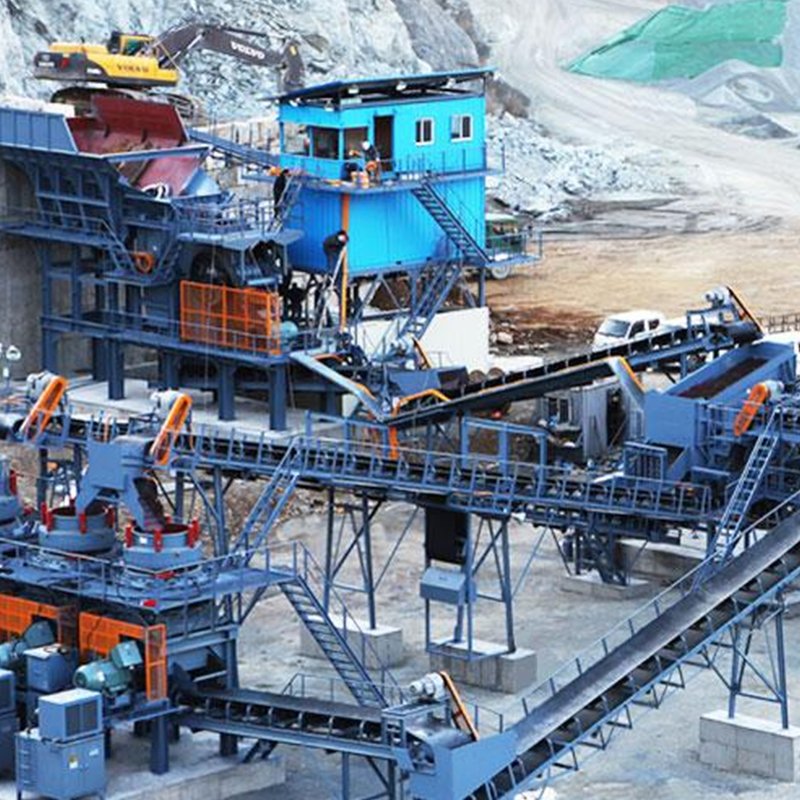
Zircon Ore Beneficiation Process Process Introduction Zircon beneficiation process is the process of removing impurities and increasing the content of zircon ore. According to the characteristics of the original ore, Chunlei designed a method of gravity separation, magnetic separation, and flotation separation to separate zircon …
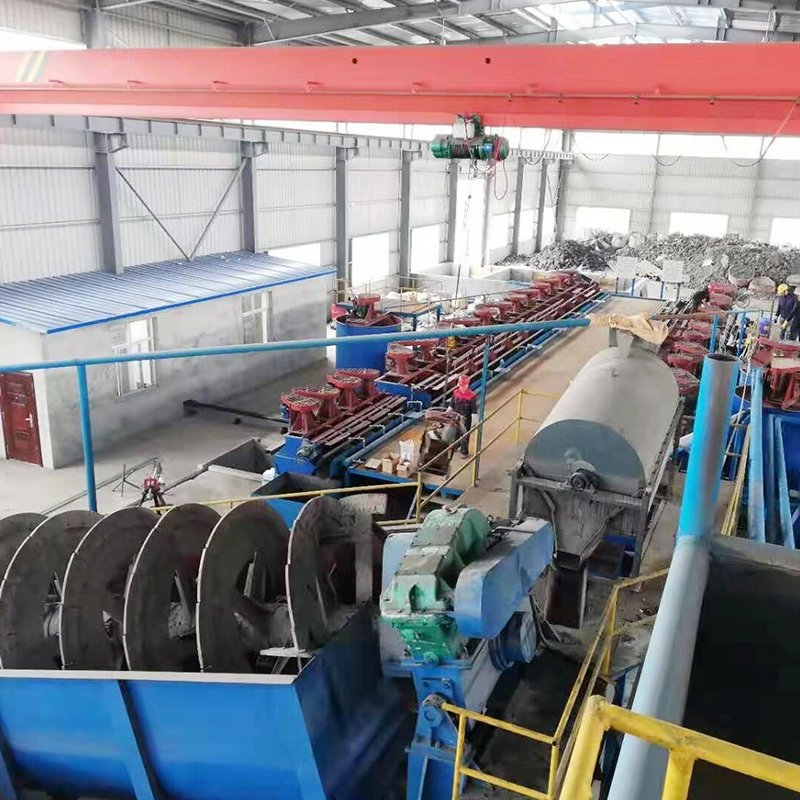
Zinc Ore Beneficiation Process Process Introduction The core of zinc ore beneficiation technology is flotation, which realizes the effective recovery and grade improvement of zinc minerals through the steps of pretreatment, roughing, concentrating and tailings treatment. Zinc ore beneficiation process zinc is gen…
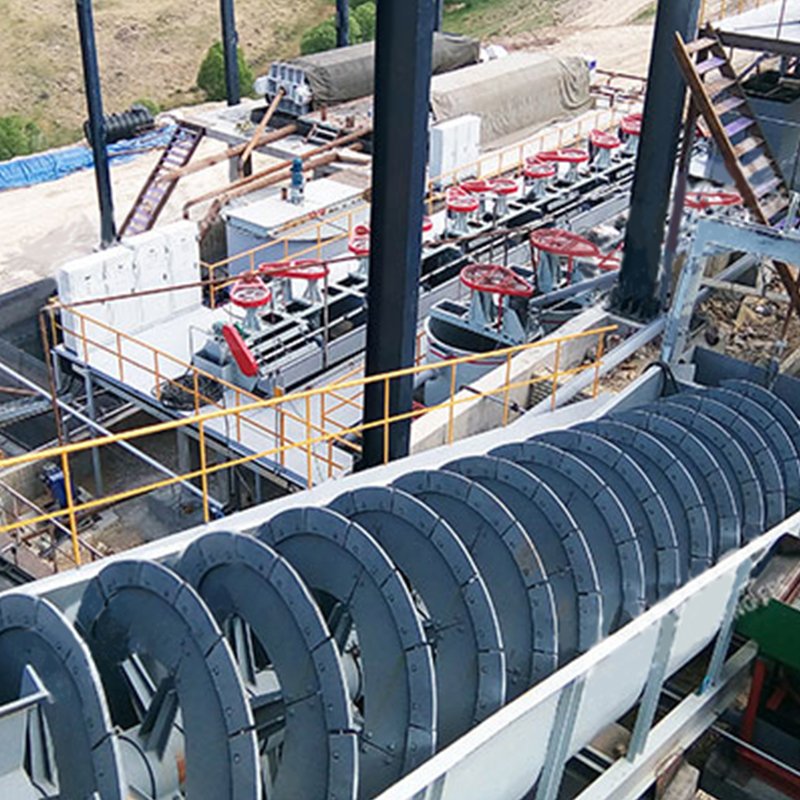
Mica Dressing Production Line Process Introduction Mica beneficiation production line is a set of efficient and environmentally friendly process and equipment combination, which can not only extract high purity mica minerals, but also produce other high value-added products, adding support for the economic development of enterpri…
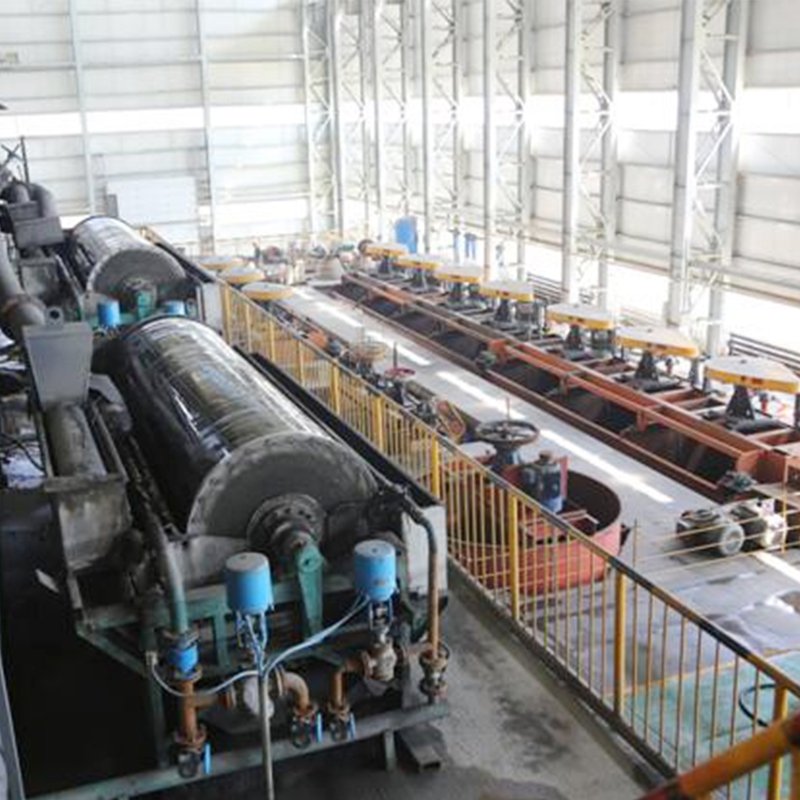
Hematite Dressing Production Line Process Introduction Hematite is an important iron ore, and its beneficiation process is complex and diverse, mainly including gravity separation, magnetic separation, flotation and roasting separation. Hematite is a kind of weakly magnetic iron ore, and there are many beneficiat…
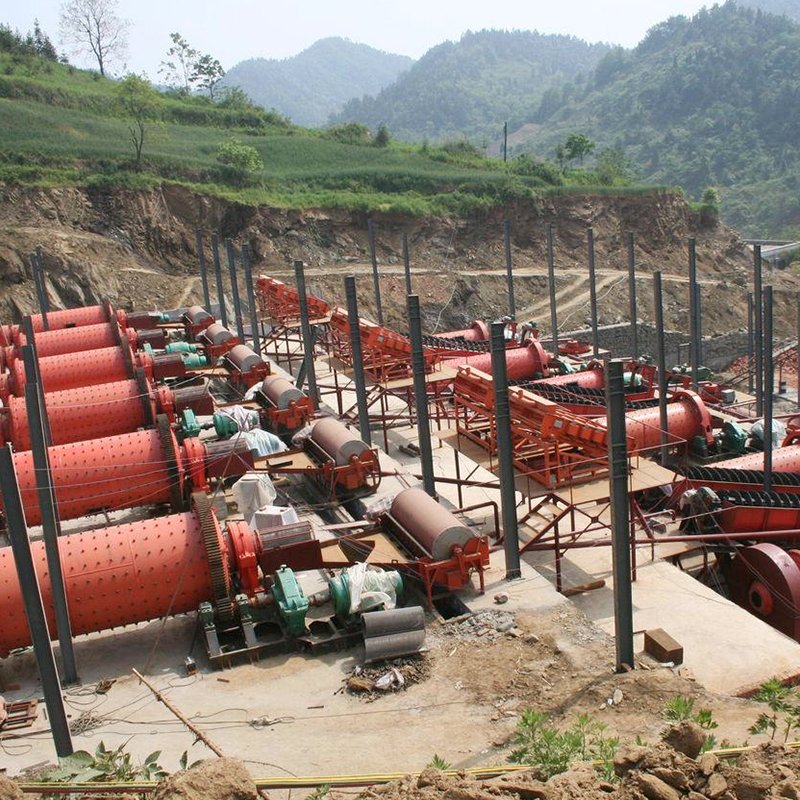
Magnetite Dressing Production Line Process Introduction The magnetite beneficiation process is mainly used to select low-grade magnetite. Since the ore has strong magnetism and is easy to grind and select, the coarse-grained magnetite is mostly ground at the current stage, and vice versa, a multi-stage grinding process is used; …
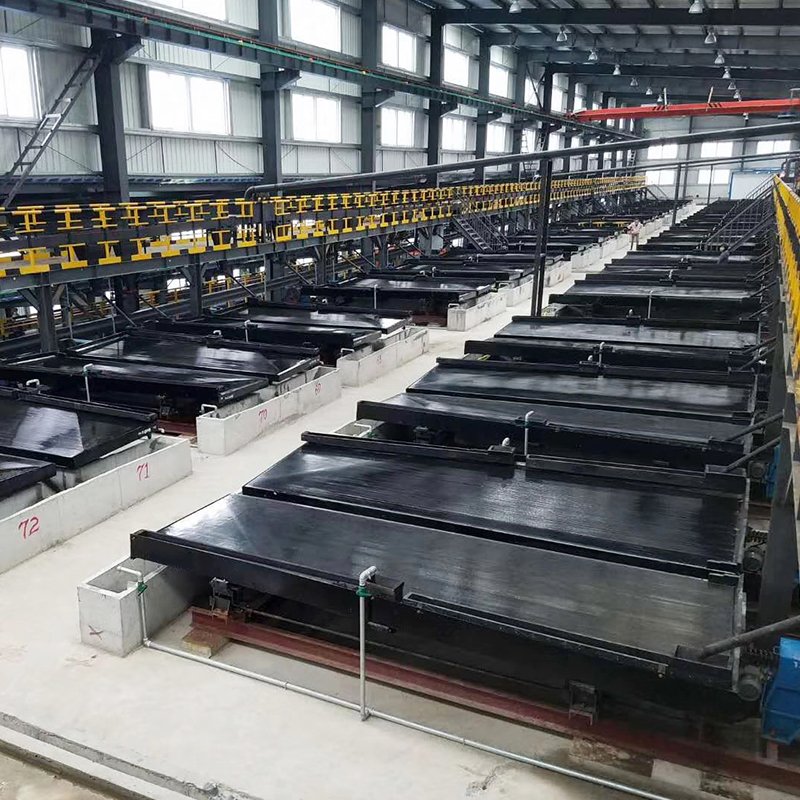
Gold Ore Gravity Separation Production Line Gold Gravity Separation Gravity separation is the most commonly used technique for recovering gold in both small and large-scale mining operations. This method utilizes the density difference between gold (with a density of approximately 19.3 g/cm³) and waste materials such as quartz (w…
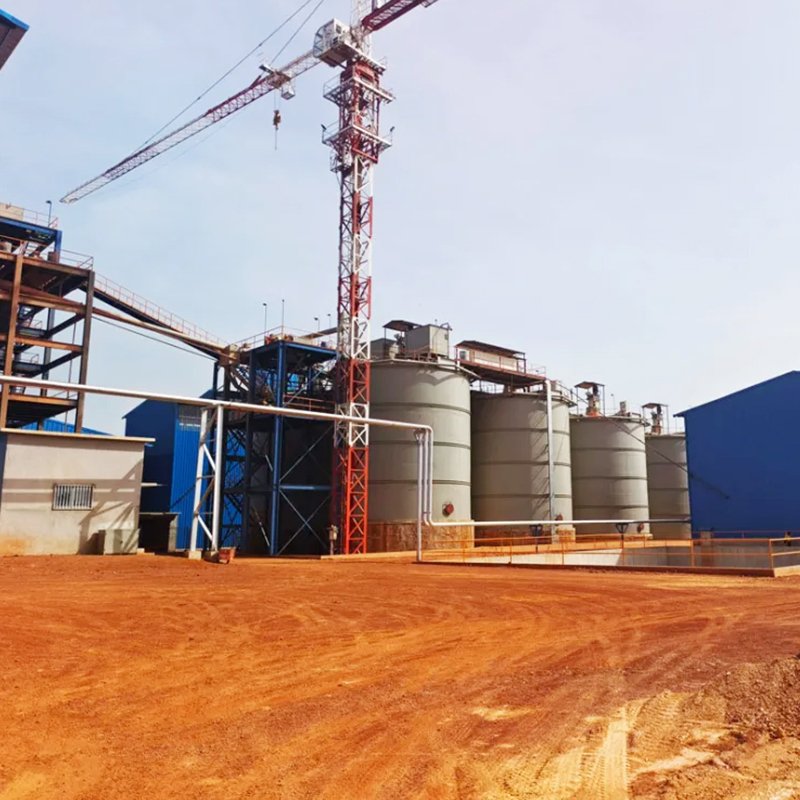
Gold Mine CIP – Carbon in pulp Process Gold Beneficiation: CIP Carbon-In-Pulp Process CHUNLEI has extensive experience in gold metallurgy and mineral processing engineering, and most gold losses are due to poor toner management. The physical handling of toner and slurry in the carbon-in-pulp (CIP) process determines its profita…
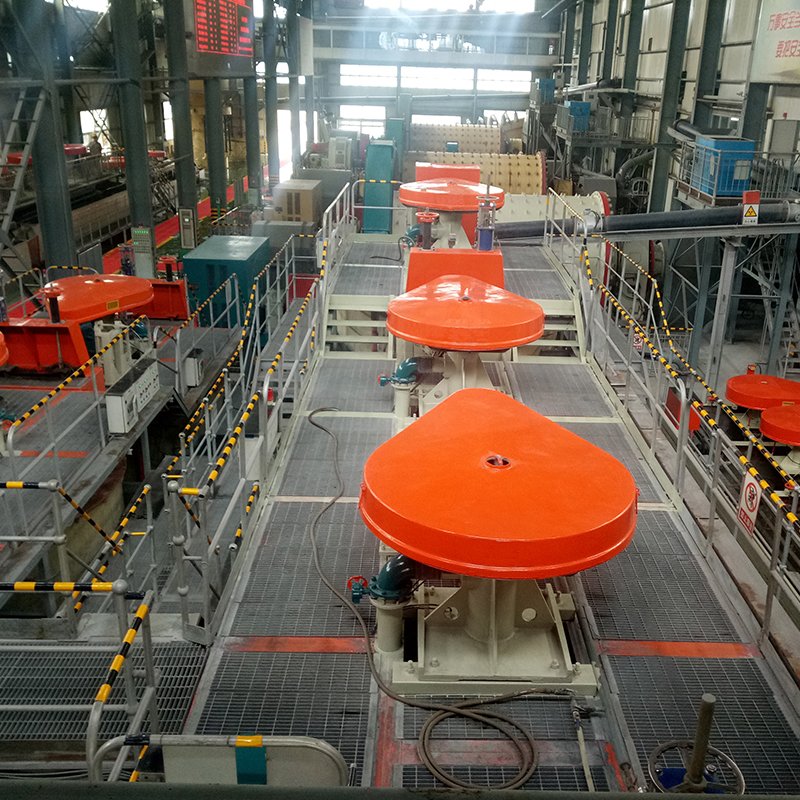
Gold Flotation Production Line Flotation Gold Processing Plant Flotation is a widely used gold beneficiation method, ideal for sulfide‑bearing gold ores with good floatability. It offers simple operation, low cost, high recovery, and allows direct tailings disposal.It is suitable for fine‑grained gold, sulfide gold quar…
Shipment of a 150–200 TPD CIP Gold Processing Line to Tanzania After years in the gold mining equipment industry, I’ve noticed that many clients start by asking: “What equipment do I need for a 200-ton-per-day gold mine?” However, once the …
1800×12m Rotary Dryer Shipped to Philippines Chunlei Machinery, a leading supplier of mineral processing equipment, is proud to announce the successful shipment of a 1800×12m Industrial Rotary Dryer to the Philippines. This custom-engineered …
Custom-made Jaw Crushers and Cone Crushers have been completed. We are thrilled to announce the successful completion and commissioning of a fully customized crushing solution for our valued overseas client. This project underscores our commi…
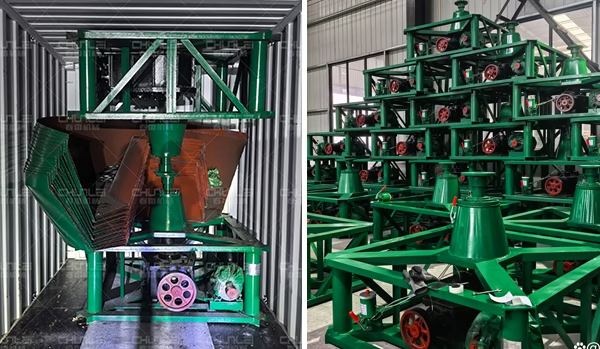
Custom-Engineered Wet Pan Mills Packed for Global Delivery We are proud to announce that a batch of custom-engineered wet pan mill machinery has successfully completed final quality inspection and has been professionally packed for …
Successful Delivery! Ball Mill1830×4500 Officially Shipped to Uzbekistan A high-efficiency, energy-saving ball mill meticulously manufactured by CHUNLEI has been shipped to Uzbekistan for a major local mineral processing project. Below, we ex…
The CHUNLEI JM1200 Gold Mill That Earns Three Repeat Orders After rigorous quality inspections and performance testing, the 10 gold mills repurchased by our African client have been successfully assembled and commissioned. They are now fully …
Recently, an African client contacted us seeking to concentrate gold and sulfur from sulfur ore. Based on the client’s requirements and existing equipment, and to prevent tailings loss, our engineer recommended the Model 900 spiral chute. After…
Early in the morning, forklifts shuttled back and forth across the factory floor. Heavy-duty trucks stood ready to load a complete production line into the belly of a giant vessel. This equipment, custom-built by Zhengzhou Chunlei Machinery…
loading…
This is the last article!
 Chunlei Mining Machinery