 Chunlei Mining Machinery
How to Select Grinding Media for Ball Mills?
Ball mills are indispensable grinding equipment in industries such as mining, cement manufacturing, and chemical processing. As core components installed within these mills, ball mill grinding media directly influence grinding efficiency, the fineness of the finished product, long-term operating costs, and the overall profitability of the production line.
However, many facilities overlook the importance of grinding media during procurement, leading to excessive consumption, frequent downtime for media replacement, and rising costs. This article compares the wear rates of ball mill grinding media and discusses selection criteria and practical application strategies, helping you effectively control consumption while boosting production efficiency and economic returns.
Comparison of Types and Performance of Mainstream Ball Mill Grinding Media
Industrial grinding media suitable for various ball mills and grinding equipment fall primarily into three categories: cast steel balls, forged steel balls, and ceramic balls. These differ significantly in terms of hardness, wear resistance, and procurement costs:
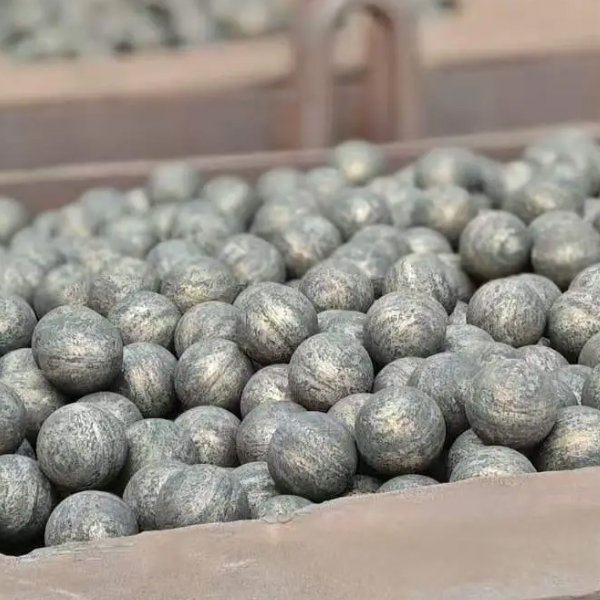
1. Forged Steel Grinding Balls
Based on experience serving clients in the mining and cement industries, forged steel balls offer superior impact resistance compared to standard cast balls when processing materials like iron ore, copper ore, and cement clinker; they are less prone to breakage. Many clients prefer forged steel balls for the primary coarse grinding stage in large ball mills to reduce downtime caused by the need to clear out broken balls.
They are suitable for the coarse grinding of high-hardness ores, iron ore, and cement clinker, with procurement costs falling in the mid-range among metal grinding media.
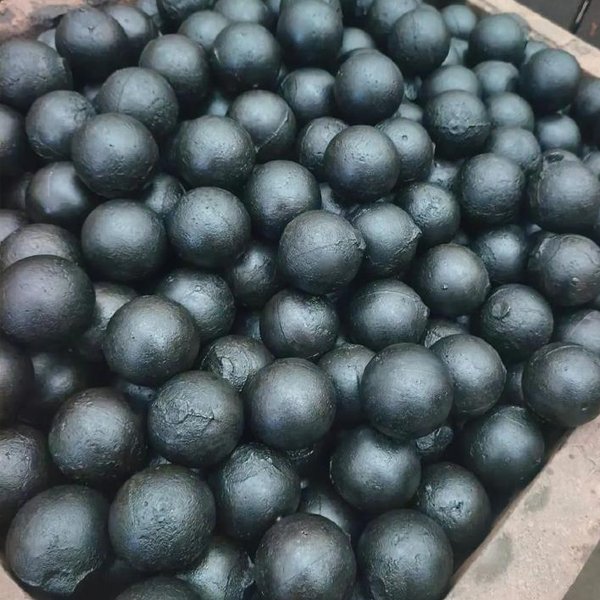
2. Alloy Cast Steel Balls
High-chromium and medium-chromium cast steel balls feature high surface hardness and superior wear resistance compared to forged steel balls, making them the preferred choice for medium and fine grinding. Their high wear resistance makes them widely used in the medium and fine grinding sections of cement plants and mineral processing facilities, though their procurement cost is higher than that of standard forged steel balls.
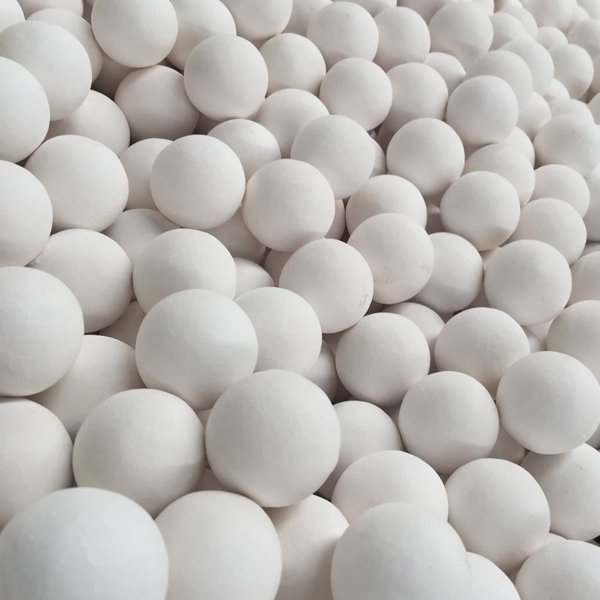
3. Ceramic Grinding Balls
Made from high-purity alumina, these balls introduce no iron contamination during the grinding process, making them ideal for processing chemical raw materials and ultrafine powders where product purity is critical. Their drawbacks include higher brittleness—rendering them unsuitable for high-impact coarse grinding in large ball mills—and the highest procurement cost among the three types of media.
| Grinding Media Type | Hardness (HRC) | Wear Resistance | Impact Resistance | Applicable Operating Conditions |
| Forged Steel Balls | 45-60 | ★★★★ | ★★★★★ | Coarse Grinding |
| High-Chromium Steel Balls | 58-65 | ★★★★★ | ★★★★ | Medium to Fine Grinding |
| Ceramic Balls | 85+ | ★★★★★ | ★★ | Ultrafine Grinding |
Comparison of Grinding Media Wear Rates: Calculation Methods and Field Test References
Comparing grinding media wear rates is a key factor for enterprises when making procurement and selection decisions, as it directly impacts annual consumable costs for the entire range of grinding mills and ball milling equipment.
1. Standard Industrial Method for Calculating Wear Rate
Industry-standard formula: Wear Rate = Total Grinding Media Consumption ÷ Total Tonnage of Material Processed. By weighing the steel balls added during monthly operations—provided equipment operating conditions remain stable—media wear data can be calculated with high precision.
2. Wear Variations Under Different Operating Conditions
- High-hardness raw materials (granite, cement clinker): High-chromium cast steel balls are the preferred choice due to their minimal wear rate; conversely, standard low-carbon forged steel balls wear rapidly, resulting in a significantly shorter service life.
- Soft raw materials (coal, limestone): Forged steel balls offer the best cost-performance ratio, balancing wear resistance with procurement costs.
- Ultrafine closed-circuit grinding: Ceramic balls offer distinct advantages regarding resistance to chemical corrosion and wear, making them ideal for processing chemical powders that require low-wear grinding media.
Under identical equipment operating parameters, high-chromium cast steel grinding media exhibit 30% to 55% lower overall wear compared to standard low-carbon forged steel balls when grinding hard mineral materials.
Case Study: Vietnam Cement Plant
A cement production line in Vietnam with a daily capacity of 2,500 tons originally used standard low-chromium steel balls, with an average consumption of approximately 120g of steel balls per ton of clinker.
After switching to high-chromium grinding media:
- Steel ball consumption decreased by approximately 38%
- Steel ball consumption costs dropped by approximately 25%
- Liner service life extended by approximately 15%
Although the initial procurement cost was higher, the additional investment was recouped within eight months.
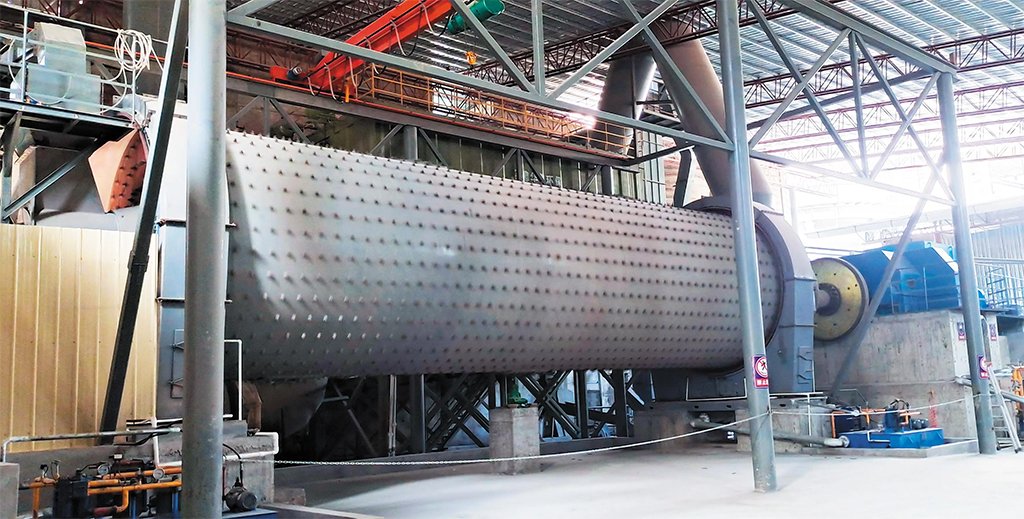
Optimizing the selection of grinding media to enhance overall grinding efficiency
Precisely matching grinding media to the ball mill is the most cost-effective way to boost the productivity of ball milling equipment. Selection should be based on three key factors: material hardness, designed hourly output, and the original equipment model.
- Selection based on material hardness: High-chrome cast steel balls are preferred for hard ores; economical forged steel balls are suitable for soft non-metallic minerals; and alumina ceramic balls are selected for chemical raw materials requiring strict impurity control.
- Selection based on equipment specifications: Large-diameter ball mills used for coarse grinding should be paired with large-diameter steel balls, while small-scale fine-grinding equipment should be charged with smaller, graded grinding media.
- Proper control of size grading: Mixing steel balls of various sizes in specific proportions creates a scientific size distribution that increases the probability of impact-based material breakage, thereby avoiding both over-grinding and under-grinding; an unbalanced ball charge directly leads to reduced productivity and accelerated, abnormal wear of the grinding media.ntents.
Why can there be a twofold difference in the service life of seemingly identical steel balls?
In actual operations, many enterprises focus solely on the purchase price of steel balls while overlooking factors such as:
- Raw material quality
- Heat treatment processes
- Hardness uniformity
- Ball mill rotation speed
- Feed particle size
All these factors influence the final wear rate.
We once encountered a client who purchased low-priced steel balls; although the unit price was 15% lower, actual consumption increased by over 40%, resulting in a higher total cost in the end.
Insights from 30 Years of Ball Mill Projects: How to Reduce Steel Ball Consumption?
Based on our experience across numerous projects in the mining, cement, and chemical industries, the most effective ways to reduce steel ball consumption are not simply switching to more expensive balls, but rather:
- Controlling feed particle size
- Optimizing steel ball grading
- Maintaining a stable feed rate
- Replenishing balls regularly
- Avoiding prolonged mill operation under overload conditions
Many enterprises have successfully reduced steel ball consumption by 10%–20% simply by optimizing operational parameters.
Routine Operations and Maintenance Plan: Reducing Wear and Extending Grinding Media Lifespan
1. Standards for Regular Inspections and Replacements
Establish fixed maintenance schedules for all ball mills and associated equipment. During monthly scheduled shutdowns, screen out broken or deformed balls and replenish with new ones according to the original mix ratio; avoid indiscriminate, bulk addition of balls, as residual broken fragments within the mill shell accelerate wear on intact steel balls and liners.
2. Key Points for Safe Production and Energy-Efficient Operation
Strictly adhere to the equipment’s rated feed rate: excessive feeding results in incomplete grinding and increased frictional wear on the media, while insufficient feeding causes steel balls to collide and rub against each other, leading to additional consumption. Maintain the ball mill’s rotational speed within the range specified by the manufacturer to minimize wasted energy and abnormal wear; optimizing the compatibility between liners and grinding media can further reduce the overall wear rate of the media.
Conclusion
Scientifically selecting and properly maintaining ball mill grinding media can effectively control wear, improve the quality of the finished powder product, and reduce long-term operating costs for various ball mill production lines; comparing wear data across different media materials serves as a crucial basis for optimizing future procurement.
Unsure whether to choose forged steel balls, high-chrome steel balls, or ceramic balls?
Simply provide us with the following information:
- Material to be processed
- Ball mill model
- Daily processing capacity
- Current steel ball consumption
CHUNLEI engineers will provide you with the following within 24 hours:
- A free steel ball grading/mix plan
- Estimated wear rate analysis
- Annual consumables cost estimate
- Recommendations for the optimal grinding media
Latest News

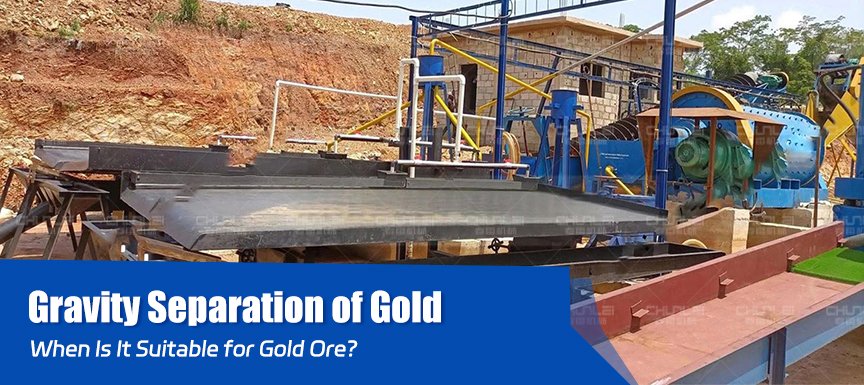
Gravity Separation for Gold: When Is It Suitable for Gold Ore?
800Many people immediately associate “gold ore” with gravity separation, yet not all gold deposits are suitable for recovery using gravity methods alone. Gravity separation is appropriate for liberated native gold or other heavy minerals that ex…
-
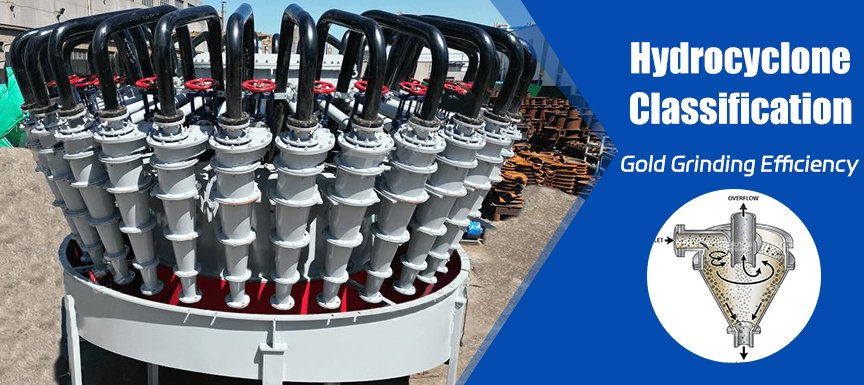
How Classification Affects Gold Grinding Efficiency
800In gold ore grinding circuits, attention is often focused primarily on ball mill capacity, power consumption, and grinding media; however, in actual operation, classification plays an equally critical role in determining grinding efficiency. …
-
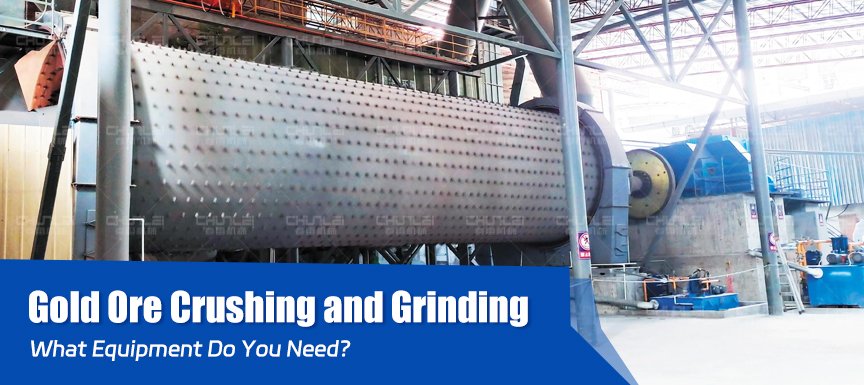
Gold Ore Crushing and Grinding: What Equipment Do You Need?
800When designing a gold ore processing line, my clients often ask which crushers and mills to purchase. However, the equipment selection should actually be based on a thorough understanding of the ore characteristics. Issues in many projects do…
-
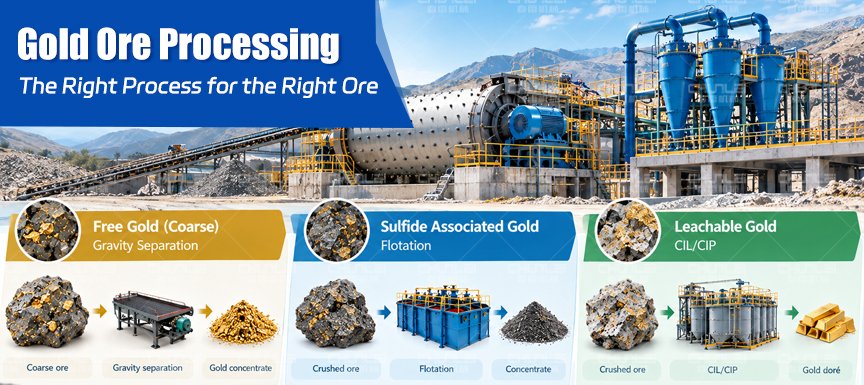
How to Select the Right Gold Processing Plant for Your Ore
800When selecting a gold processing plant, simply assuming that a full suite of equipment is all that is needed can lead to issues such as low recovery rates, high energy consumption, and failure to meet production targets.Different ores require d…
loading…
已经是到最后一篇内容了!