 Chunlei Mining Machinery
Causes and Practical Solutions for Excessive Wear of Ball Mill Liners (2026 Full Guide)
Rapid wear of ball mill liners is a common problem in the industry. Premature liner failure leads to equipment downtime, reduced efficiency, and increased costs. Industry statistics show that liner wear-related expenses account for 40% of the overall maintenance costs of ball mills; and unexpected liner replacements can cause significant economic losses.
CHUNLEI Mining Machinery has helped hundreds of gold mines, cement plants, and mineral processing plants worldwide solve liner wear problems, helping customers extend liner life by 30% to 50% while comprehensively improving ball mill operating efficiency. This article will detail the core causes of rapid liner wear, diagnostic methods, and share solutions proven in practice.
The Hazards of Liner Wear: The Hidden Costs Behind Premature Failure
Ball mill liners are the protective barrier of the mill shell, determining grinding efficiency and equipment operational safety. Premature wear can cause several negative impacts:
- Increased Downtime: Replacing liners requires 24-72 hours of downtime, disrupting production plans and directly reducing capacity.
- Soaring Maintenance Costs: Frequent liner replacements significantly increase spare parts and labor costs; in cases of abnormal wear, related costs can increase to 2-3 times the normal level.
- Decreased Grinding Efficiency: Worn liners have reduced lifting capacity, resulting in erratic steel ball trajectories, increased energy consumption, coarser output particle size, and substandard quality.
- Safety Hazards: Severely worn liners are prone to cracking and sudden detachment, threatening the personal safety of maintenance personnel and potentially damaging the mill shell.
For gold mines, cement plants, and mineral processing enterprises, these losses can cause various problems. However, most cases of premature liner wear can be resolved if detected in time.
Five Root Causes and Diagnostic Methods for Rapid Wear of Ball Mill Liners
Identifying the root cause of wear is the first step in solving the problem. Based on our experience providing field services in various mines worldwide, we have compiled the most common causes and corresponding diagnostic methods:
1. Inappropriate Liner Material Selection
Problem Manifestations:
- Liner service life is far below design life.
- Severe wear or breakage in localized areas.
- Replacement frequency is significantly higher than industry average.
Root Cause:
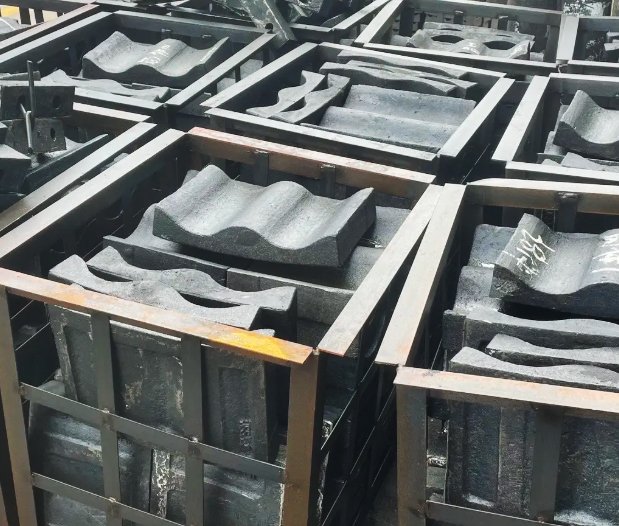
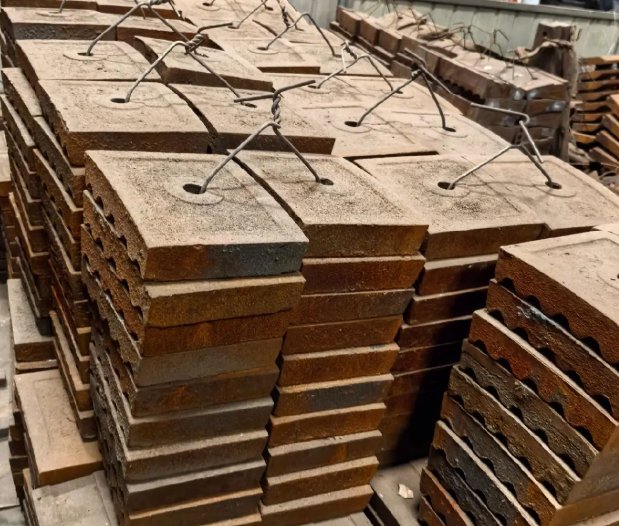
Different operating conditions require different liner materials. For example, high-impact conditions are suitable for high-manganese steel liners, while high-abrasion conditions are more suitable for high-chromium alloy liners. If the wrong material is selected, the liner will fail rapidly.
Diagnostic Methods:
✓ Compare actual service life with the manufacturer’s design life.
✓ Check if the wear area is uniform.
✓ Analyze material hardness and operating condition characteristics.
✓ Verify whether the current liner material is suitable for the operating conditions.
2. Inappropriate Steel Ball Grading
Problem Manifestations:
- Severe localized wear on the liner
- Abnormally increased steel ball consumption
- Large fluctuations in product particle size
Root Cause:
Oversized steel balls increase the impact force on the liner; an unbalanced steel ball ratio leads to concentrated stress in certain areas, accelerating liner wear.
Diagnostic Methods:
✓ Check if the steel ball size composition meets design requirements
✓ Compile ball replenishment records and steel consumption data
✓ Observe whether liner wear is concentrated at the feed end
Recommendations:
Regularly optimize the steel ball gradation to maintain an appropriate ball loading rate.
3. Feed Particle Size Too Large or Fluctuating Excessively
Problem Manifestations:
- The feed end liner wears significantly faster than other areas.
- Dents, cracks, and even breakage appear.
- The ball mill operating current fluctuates greatly.
Root Cause:
Excessively large ore particles increase the impact energy of the steel balls, causing the liner to bear a load beyond its design range.
Diagnostic Methods:
✓ Inspect the particle size distribution of the crushed material.
✓ Check if the feeding system is stable.
✓ Compare the actual feed particle size with the equipment design parameters.
Recommendation:
Control the feed particle size within the design range to prevent oversized materials from entering the ball mill.
4. Abnormal Ball Mill Speed
Problem Manifestations:
- Significantly accelerated liner wear rate
- Increased energy consumption, decreased output
- Abnormal ball drop phenomenon
Root Cause:
Excessive speed leads to stronger impact of the steel balls on the liners; insufficient speed reduces grinding efficiency and increases friction and wear.
Diagnostic Methods:
✓ Measure whether the actual speed reaches the design value
✓ Observe the movement of the steel balls
✓ Analyze the operating data of the motor and reducer
Recommendation:
Control the speed within 65%–80% of the design critical speed.
5. Long-term Overload Operation and Insufficient Maintenance
Problem Manifestations:
- Accelerated overall wear rate of the liner
- Loose fixing bolts
- Liner displacement and cracking
Root Cause:
Overload operation increases the stress on the liner; lack of regular inspection can easily cause small problems to escalate into serious malfunctions.
Diagnostic Methods:
✓ Review equipment operation records and production data
✓ Check the condition of the liner fixing bolts
✓ Regularly measure the remaining thickness of the liner
Recommendation:
Establish a preventative maintenance system and check the liner wear condition monthly.
How to quickly determine the cause of liner wear?
| Wear Phenomenon | Possible Causes | Solutions |
|---|---|---|
| Severe wear at the feed end | Feed particle size too large | Optimize crushing process |
| Local abnormal wear | Improper steel ball gradation | Adjust steel ball ratio |
| Short overall lifespan | Incompatible liner material | Replace with wear-resistant material |
| Liner breakage | Excessive impact load | Reduce speed or adjust operating conditions |
| Accelerated wear and increased energy consumption | Overload operation | Control feed rate |
Real-world Case Study: Zimbabwean Gold Mine Achieves 42% Extension of Liner Life
A gold mine in Zimbabwe sought help from CHUNLEI Mining Machinery: the liners on its 3.2m x 13m ball mill only lasted 6 months, far below their normal lifespan, leading to frequent downtime for replacements and persistently high production costs.
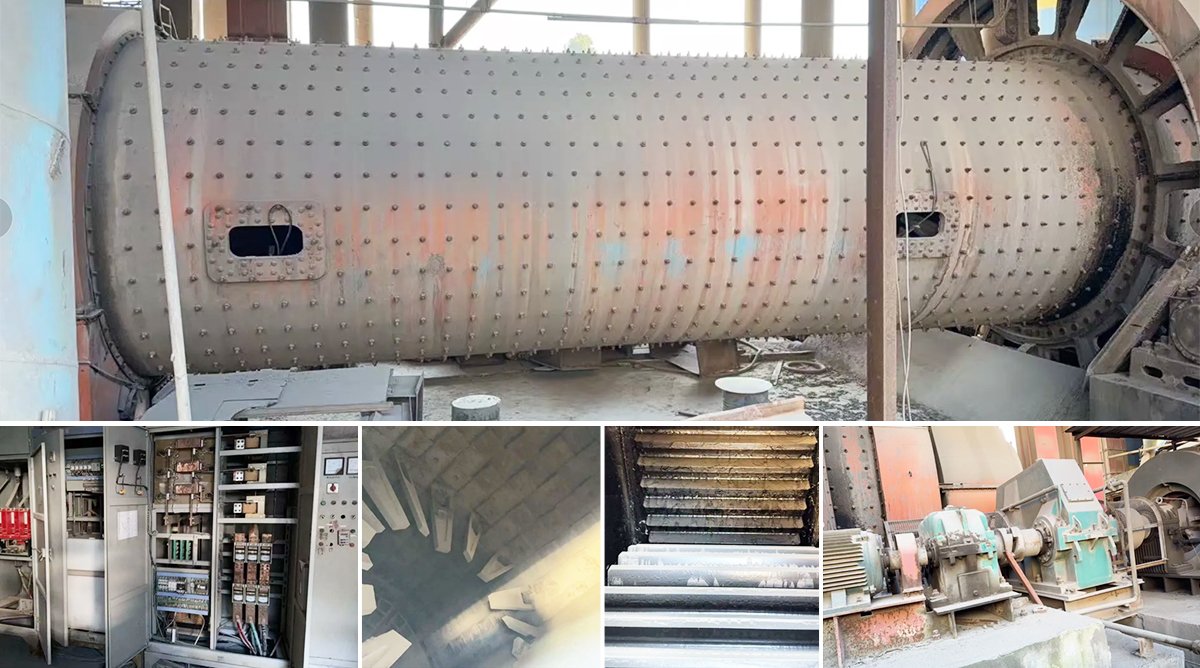
After a comprehensive on-site inspection, our engineers identified three core problems:
- The original equipment used low-carbon steel liners, which were unsuitable for the high-hardness quartz ore in the plant area;
- The mill speed reached 85% of the critical speed, resulting in severe impact wear;
- The old-style flat liner provided poor steel ball lifting performance.
Targeted Solutions:
- Replacing the liners with custom-made high-chromium cast iron liners to match the wear resistance characteristics of the ore;
- Reducing the mill speed to 72% of the critical speed, decreasing the steel ball loading rate from 40% to 32%;
- Optimizing the structure and spacing of the lifting bars to improve the steel ball trajectory.
Upgrade Results:
- The lifespan of the liner plates was extended from 6 months to 10.5 months, a 42% improvement;
- Downtime for liner plate replacement was reduced by 40%;
- Grinding efficiency increased by 12%, and equipment energy consumption decreased by 8%.
This mine can save over $120,000 annually in operation and maintenance losses and downtime losses, making the return on investment for this solution very attractive.
Frequently Asked Questions about Ball Mill Liner Wear
1. Why do ball mill liners wear so quickly?
Rapid liner wear is usually related to improper liner material selection, unreasonable steel ball gradation, excessively large feed particle size, abnormal mill speed, or prolonged overload operation. Timely troubleshooting and optimization of operating parameters can effectively extend liner life.
2. How long can ball mill liners be used normally?
Liner life varies depending on operating conditions, generally ranging from 6 months to 3 years. Ore hardness, production load, liner material, and daily maintenance all affect the actual lifespan.
3. How to determine if ball mill liners need replacement?
When the liner shows significant thinning, worn-out lifting bars, cracks, loose fixing bolts, or wear reaching the manufacturer’s recommended limit, it should be replaced promptly to avoid affecting grinding efficiency and equipment safety.
4. Which ball mill liner is more wear-resistant?
Common liner materials include high manganese steel, high chromium alloy steel, alloy steel, and rubber liners. High-chromium alloy liners are recommended for high-abrasion conditions, while high-manganese steel liners are suitable for high-impact conditions. The appropriate choice should be made based on the actual operating conditions.
5. Does the steel ball gradation affect liner wear?
Yes. Inappropriate steel ball size and ratio will increase liner impact and friction, accelerating wear. Optimizing the steel ball gradation can not only extend liner life but also improve grinding efficiency.
6. Will excessively large feed particles damage the liner?
Yes. Excessively large feed particles will increase the impact force of the steel balls, easily causing excessive local wear, cracking, or even breakage of the liner. Therefore, the feed particle size should be strictly controlled.
7. How to extend the service life of ball mill liners?
The following measures can extend liner life:
Select suitable liner material;
Optimize steel ball gradation and ball load;
Control feed particle size;
Maintain reasonable speed and load;
Regularly inspect and maintain the liner condition.
8. Will ball mill liner wear affect output?
Yes. Severe wear of the ball mill liners reduces the ball lifting height and grinding efficiency, leading to decreased output, coarser product particle size, and increased energy consumption.
9. How to determine the replacement cycle for ball mill liners?
It is recommended to determine the replacement cycle based on a comprehensive assessment of operating time, remaining liner thickness, wear rate, and production indicators, and to establish a regular inspection system, rather than relying solely on fixed replacement times.
10. Can replacing wear-resistant liners reduce production costs?
Yes. Although high-quality wear-resistant liners require a higher initial investment, they can reduce downtime, lower maintenance costs, and improve production efficiency, effectively reducing overall operating costs in the long run.
Summary
Premature liner wear is no longer an insurmountable problem. CHUNLEI Mining Machinery focuses on solving problems such as liner wear and mill inefficiency for mines and mineral processing companies worldwide. Our professional services include:
- Free liner wear detection and customized operating condition optimization solutions;
- Customized high-performance liners with specific materials and structures;
- On-site installation guidance and long-term operation and maintenance technical support;
- We have helped numerous customers increase liner lifespan by 30%~50%.
If you are troubled by rapid liner wear, please contact us for free consultation services to jointly optimize ball mill operation and reduce production costs.
Latest News

Gravity Separation for Gold: When Is It Suitable for Gold Ore?
800Many people immediately associate “gold ore” with gravity separation, yet not all gold deposits are suitable for recovery using gravity methods alone. Gravity separation is appropriate for liberated native gold or other heavy minerals that ex…
-
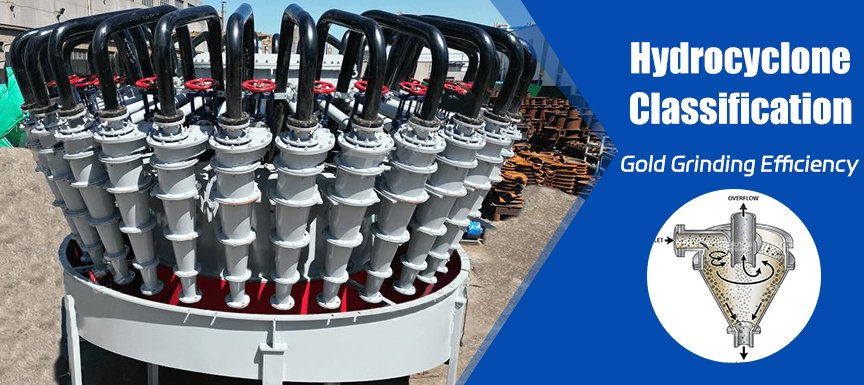
How Classification Affects Gold Grinding Efficiency
800In gold ore grinding circuits, attention is often focused primarily on ball mill capacity, power consumption, and grinding media; however, in actual operation, classification plays an equally critical role in determining grinding efficiency. …
-
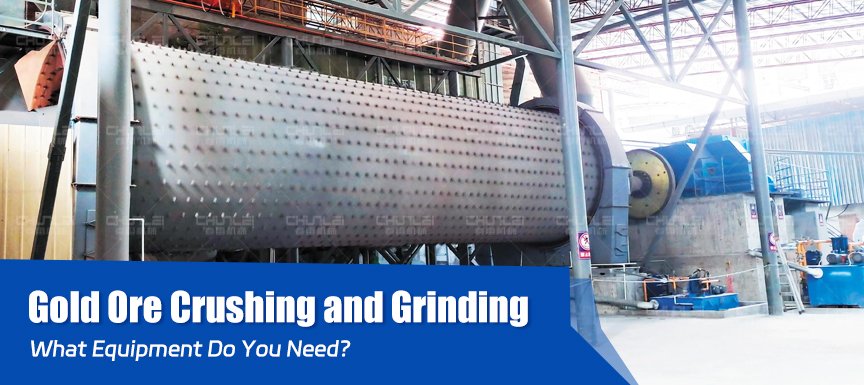
Gold Ore Crushing and Grinding: What Equipment Do You Need?
800When designing a gold ore processing line, my clients often ask which crushers and mills to purchase. However, the equipment selection should actually be based on a thorough understanding of the ore characteristics. Issues in many projects do…
-
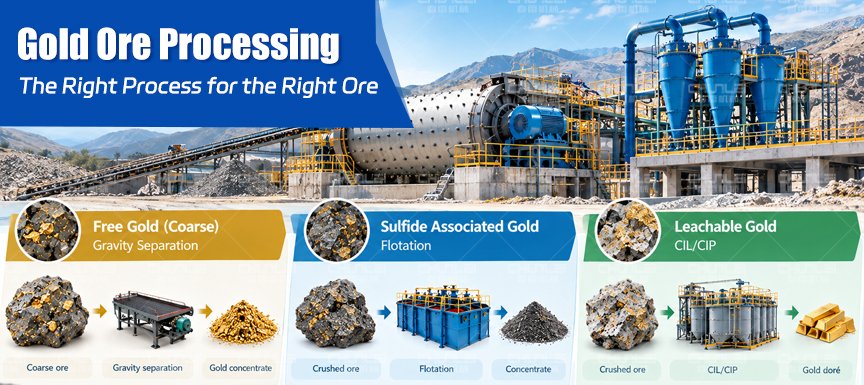
How to Select the Right Gold Processing Plant for Your Ore
800When selecting a gold processing plant, simply assuming that a full suite of equipment is all that is needed can lead to issues such as low recovery rates, high energy consumption, and failure to meet production targets.Different ores require d…
loading…
已经是到最后一篇内容了!