 Chunlei Mining Machinery
Turnkey Bentonite Grinding Production Line: A Guide to Selecting Grinding Mills
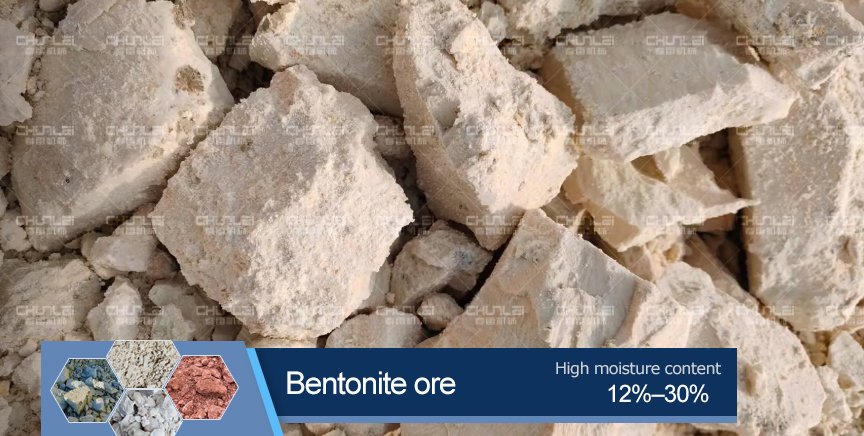
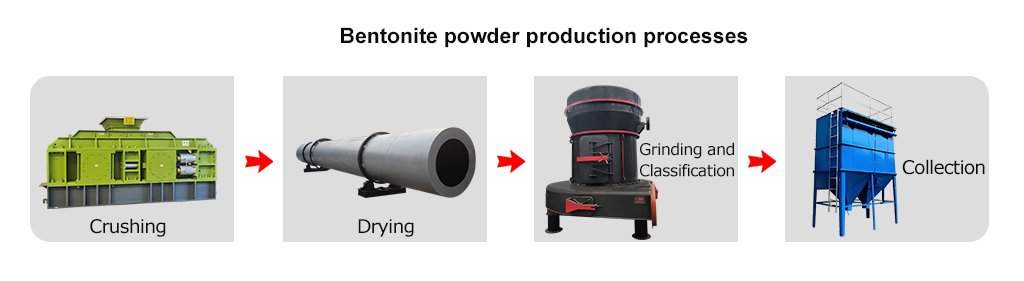
Since raw bentonite ore typically has a high moisture content (12%–30%) and tends to clump, it requires a multi-stage processing workflow—including crushing, drying, grinding, classification, and collection—to yield a stable, high-quality finished powder.
The processed bentonite fine powder serves as a binder, plugging agent, adsorbent, or thickening agent, finding extensive application in sectors such as agriculture, oil drilling, foundry casting, personal care products, papermaking, and the chemical industry.
What is a bentonite grinding production line?
A bentonite grinding production line is an industrial system designed to process raw bentonite ore into powders of varying fineness. These systems are widely used in industries such as drilling mud, cat litter, foundry casting, chemicals, construction materials, and environmental adsorption materials. Currently, small- and medium-sized bentonite processing plants—both domestically and internationally—primarily utilize two types of main grinding equipment: Raymond mills (dry, closed-circuit grinding) and ball mills (capable of both dry and wet grinding).
Standard Process Flow for Bentonite Powder Production
Regardless of whether a Raymond mill or a ball mill is used, the overall production process is essentially the same:
1. Crushing Stage
Large chunks of raw bentonite ore are fed into a roller crusher or jaw crusher and reduced to medium-sized pieces (≤30–40 mm). This prevents large raw material chunks from clogging the drying equipment and grinding chamber, ensuring smooth subsequent drying and grinding operations.
2. Drying Stage
A rotary clay dryer is used to reduce the raw ore’s moisture content to below 6% (a strict requirement for Raymond mills; wet-process ball mills can tolerate higher feed moisture). If the raw ore’s moisture content exceeds 18%, a two-stage drying setup is required to prevent the material from sticking to and clogging the equipment.
3. Grinding and Classification
- Raymond Mill System: Air-circulating grinding with built-in classification. Grinding rollers crush the dried bentonite; an airflow carries fine powder into the built-in classifier, while coarse particles fall back for regrinding.
- Ball Mill System: Impact grinding with steel balls and external classification equipment. Dry ball mills are paired with external air classifiers; wet ball mills rely on water addition to create a slurry followed by sedimentation-based classification, eliminating the need for a complete air circulation system.
4. Finished Product Collection
A cyclone separator combined with a pulse dust collection system is used, achieving a powder recovery rate of over 99%. The finished powder is transported to automatic silos for packaging.
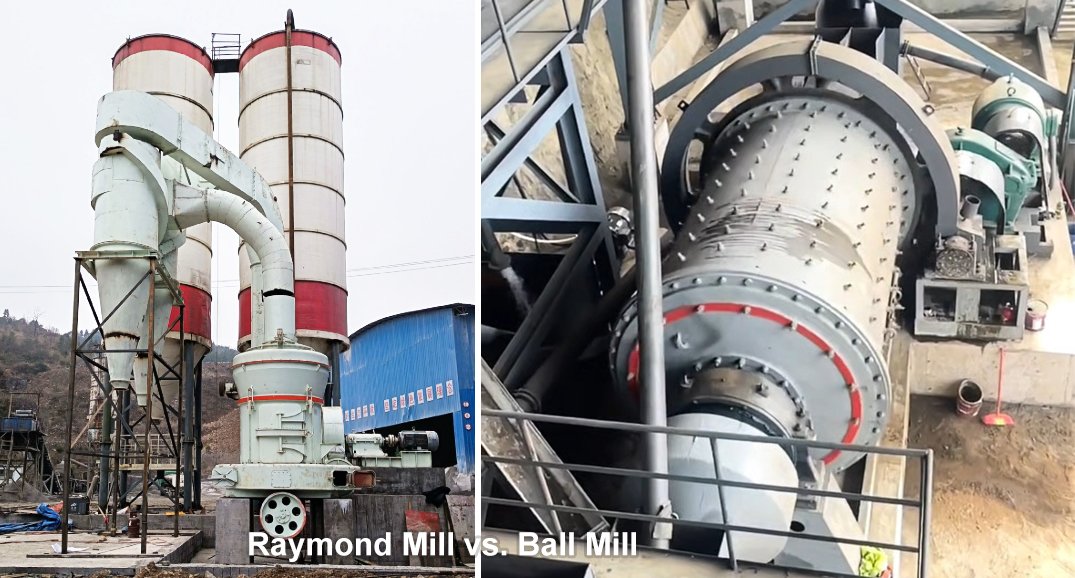
Comparison of Two Core Equipment Types: Raymond Mill vs. Ball Mill
1. Raymond Mill (Mainstream choice for small- to medium-sized production lines)
The Raymond mill is suitable for processing bentonite powder in the 80–325 mesh range; it represents the solution with the lowest investment cost and the widest range of applications.
Advantages:
- Low investment cost
- Compact structure; small footprint
- Simple maintenance
- Suitable for small- to medium-scale production (1–20 t/h)
Limitations:
- Strict requirements for raw material moisture content (≤6%)
- Not suitable for ultrafine powder (>325 mesh)
- Limited capacity for large-scale production
2. Ball Mill (Solution for high capacity/high adaptability)
The ball mill is suitable for large-scale bentonite processing projects or those involving high-moisture raw materials.
Advantages:
- High adaptability (handles moisture content up to 25%)
- Capable of high production capacity (10–35 t/h)
- Adjustable powder particle size distribution
- Better suited for high-end industrial applications
Disadvantages:
- Higher investment cost
- Higher energy consumption
- Higher maintenance costs (consumption of steel balls and liners)
Raymond Mill vs. Ball Mill
| Comparison Item | Raymond Mill | Dry Ball Mill | Wet Ball Mill |
| Hourly Output (Single Unit) | 1–22 tonnes | 1–25 tonnes | 10–35 tonnes |
| Adjustable Fineness Range | 80–325 mesh | 100–400 mesh | 150–325 mesh |
| Permissible Raw Ore Moisture Content | ≤6% | ≤8% | ≤25% |
| Initial Equipment Investment | Low | Moderate | High |
| Electricity Consumption per Tonne of Finished Product | Low | Moderate | High |
| Footprint | Small | Moderate | Large |
| Auxiliary Equipment | Minimal (integrated classification) | External classifier required | Settling tank + low-temperature drying equipment |
| Suitable Project Scale | Small to medium-sized plants (up to 20 t/h) | Medium-sized dry powder production lines | High-moisture raw ore or modified bentonite projects |
| Maintenance Frequency | Low | Moderate | High (due to steel ball wear) |
How to Choose the Right Bentonite Production Line?
Drawing on 12 years of experience in designing complete production lines, selection criteria are categorized based on four core requirements: fineness, hourly capacity, raw ore moisture content, and budget.
1. Based on Finished Product Fineness Requirements
- Finished product 80–325 mesh (general industrial bentonite for cat litter, foundry use, or drilling mud): Raymond mills are the preferred choice due to lower costs and stable operation.
- Finished product 325–400 mesh (ultrafine fillers for papermaking or chemicals): Select a dry ball mill paired with a high-precision external classifier.
- No requirement for ultrafine powder; producing only standard 200-mesh modified bentonite with high raw ore moisture: A wet ball mill is the optimal solution.
2. Based on Hourly Capacity Requirements
- Hourly capacity ≤20 tons (small independent processing plants): Raymond mills offer the best cost-performance ratio.
- Hourly capacity 20–30 tons (medium-sized mineral processing plants): A single dry ball mill or a parallel production line using two Raymond mills.
- Hourly capacity ≥30 tons (large-scale bentonite mining bases): A wet ball mill production line is recommended.
3. Based on Raw Bentonite Moisture Content
- Raw ore moisture ≤15% (with drying equipment): A dry production line using Raymond mills is perfectly suitable.
- Raw ore moisture >18% (and high local costs for drying fuel): Raymond mills are not recommended; wet ball mills can significantly reduce drying energy consumption.
4. Based on Total Project Budget
- Limited startup capital or small-scale processing facilities: Raymond mills require the lowest initial investment.
- Long-term, large-scale production: Ball mill production lines offer greater adaptability to raw materials and higher total annual output.
Summary
The core of a bentonite grinding production line lies in: Selecting equipment based on moisture content, production capacity, and fineness requirements.
- Small-scale projects → Raymond mill
- Large-scale projects → Ball mill
- High-moisture ore → Wet ball milling process preferred
CHUNLEI offers complete, customized bentonite processing lines featuring Raymond mills or ball mills as the core equipment. These integrated systems cover crushing, drying, grinding, classification, dust removal, and automatic packaging. Our engineering team has successfully delivered complete grinding lines to bentonite clients across Southeast Asia, Africa, and South America, providing on-site installation guidance, operator training, and full-lifecycle after-sales support.
If you require a grinding solution tailored to your specific bentonite raw ore, please contact CHUNLEI’s technical engineers for a free, one-on-one customized plan.
Latest News

Gravity Concentration vs. Flotation for Gold: Which Process Should You Choose?
800In gold beneficiation projects, many mining engineers face a critical question: Why does the final gold recovery rate consistently fall short of expectations, even when grinding fineness and reagent regimes are strictly maintained according t…
-
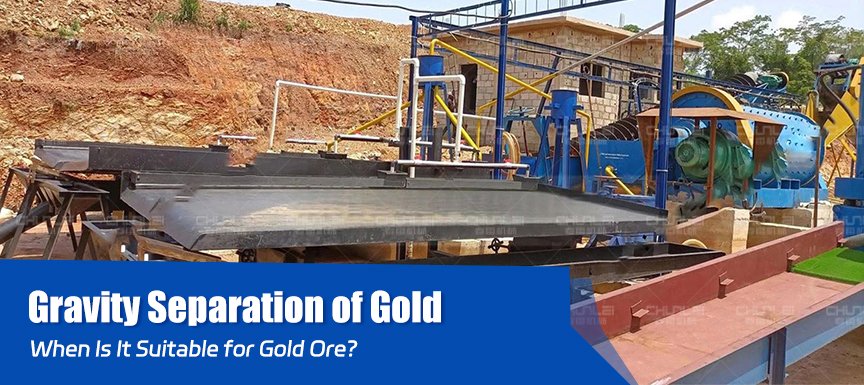
Gravity Separation for Gold: When Is It Suitable for Gold Ore?
800Many people immediately associate “gold ore” with gravity separation, yet not all gold deposits are suitable for recovery using gravity methods alone. Gravity separation is appropriate for liberated native gold or other heavy minerals that ex…
-
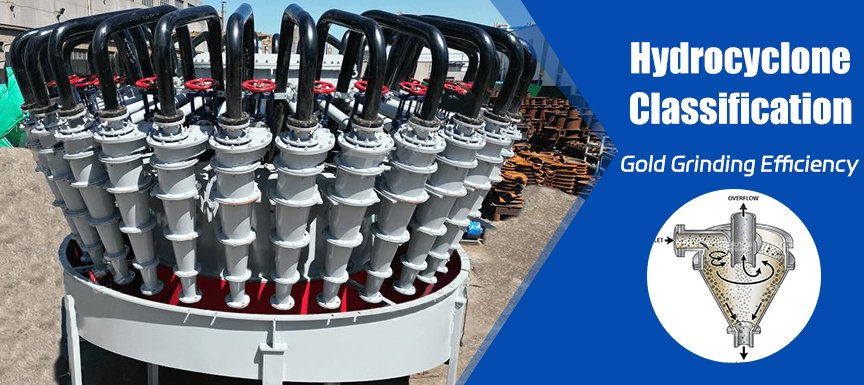
How Classification Affects Gold Grinding Efficiency
800In gold ore grinding circuits, attention is often focused primarily on ball mill capacity, power consumption, and grinding media; however, in actual operation, classification plays an equally critical role in determining grinding efficiency. …
-
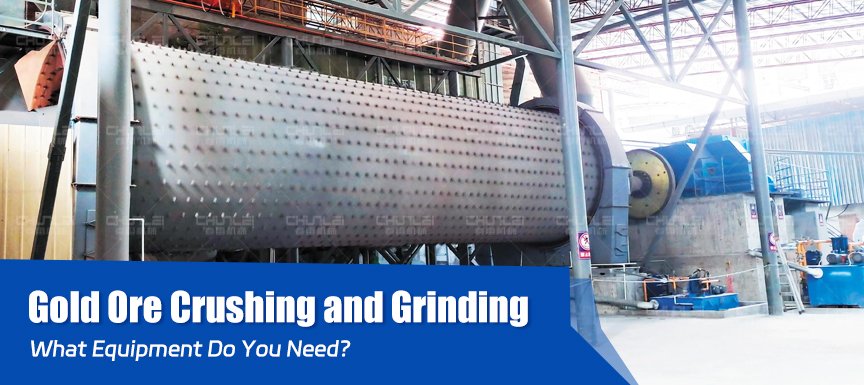
Gold Ore Crushing and Grinding: What Equipment Do You Need?
800When designing a gold ore processing line, my clients often ask which crushers and mills to purchase. However, the equipment selection should actually be based on a thorough understanding of the ore characteristics. Issues in many projects do…
loading…
已经是到最后一篇内容了!