 Chunlei Mining Machinery


Shaftless Tumbler Screen
- Trommel screen is divided into two kinds of shafted and shaftless, shaftless tumbler screen is also known as cylinder screen, gold separating screen machine, trommel trommel. Trommel screen is a kind of screening equipment which is graded according to the particle size of the material, which can be screened dry or wet with water, and it is a kind of highly efficient screening equipment which is highly popular.
- Capacity: 10-260t/h
- Drum diameter: 1000-2000mm
- Power: 4.0-30KW
What is Shaftless Tumbler Screen?
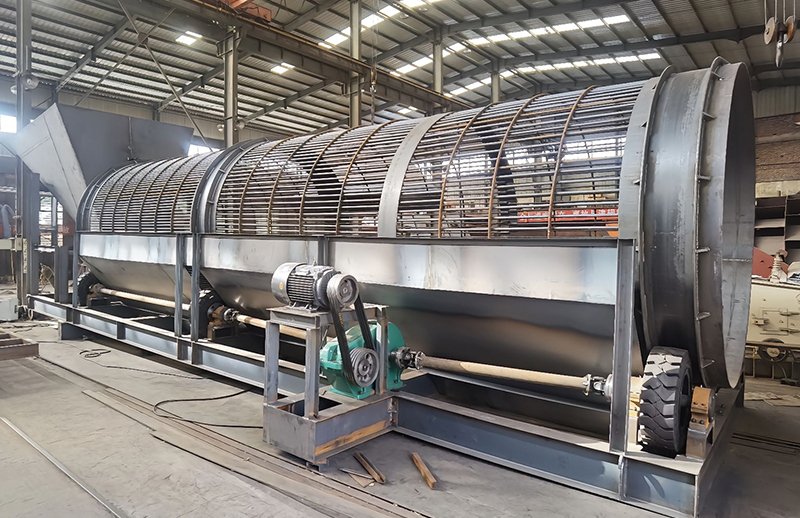
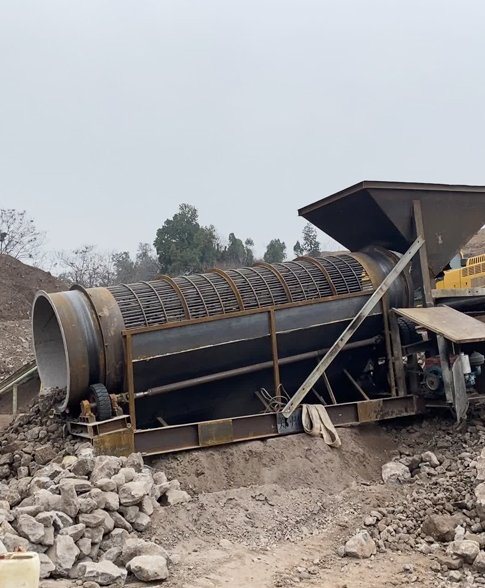
The shaftless tumbler screen is a classification device that operates by rotating a cylindrical drum without a central shaft; the drum is supported by rubber wheels, eliminating the need for a central drive shaft or internal support structures. Material enters the drum at the feed end and rotates with it; fine particles pass through the screen apertures, while coarse material is conveyed along the inner wall toward the discharge end, enabling automatic classification. It serves as a core screening component in mineral processing, material sorting, and aggregate production lines.
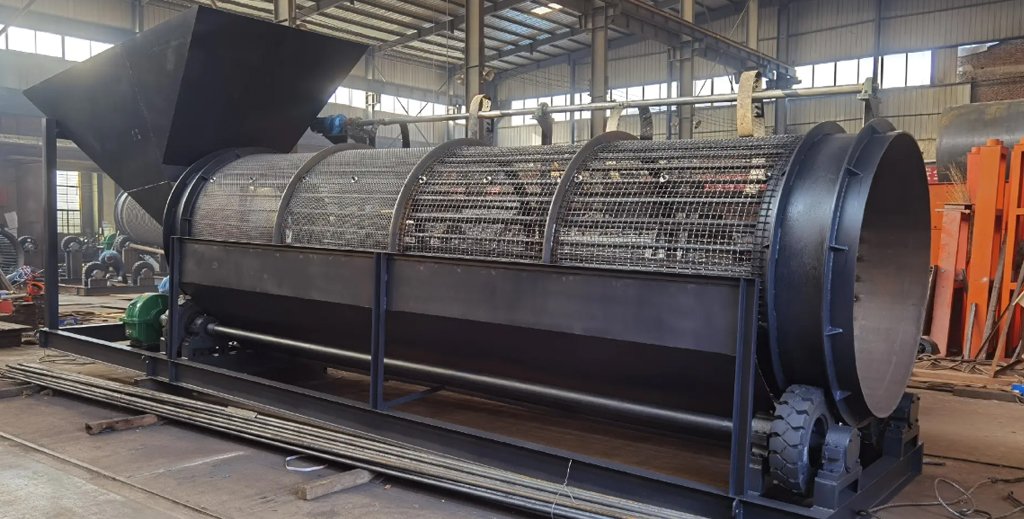
Traditional shafted trommel screens struggle to process ores with high clay content or moisture levels due to a high risk of clogging. In contrast, the shaftless design completely eliminates internal obstructions, ensuring smooth material flow. We can customize the drum diameter, length, and aperture size based on the specific ore type and processing capacity, ensuring a perfect match for the entire production line.
Working Principle of Shaftless Tumbler Screen
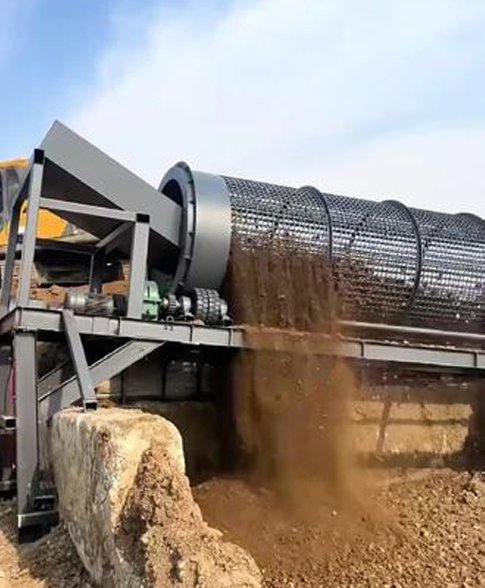
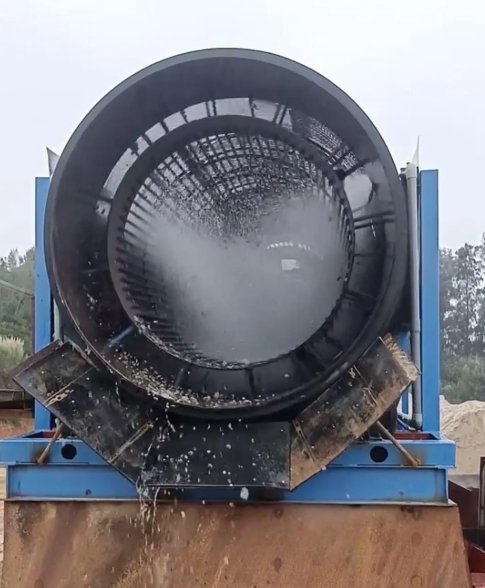
The working principle of shaftless tumbler screen is that the motor drives the gear to rotate through the speed reducer, which drives the cylinder to rotate together and turn and roll the materials in the cylinder, the fine particles go through the pennant holes and are discharged from the receiving chute, and the coarse particles move forward until they are discharged from the end of the cylinder screen. When working with water, the material is washed by the water spraying pipe located in the center of the cylinder, which prevents clogging and cleans the material. The inclined design and rotation of the drum device, as well as the turning and rolling of the material, effectively prevents clogging of the screen holes.

Advantages of the CHUNLEI Shaftless Trommel Screen
- The shaftless structural design effectively eliminates clogging and tangling issues caused by a central shaft during the screening process, making it particularly suitable for handling strip-like or easily entangled materials.
- It eliminates the need for complex mechanical drive components, ensuring smooth operation and high screening efficiency while reducing maintenance and repair requirements.
- It offers a wide range of applications, suitable for processing materials such as ore, sand and gravel, coal, compound fertilizers, and sorted waste.
- Low noise and minimal dust generation during operation result in a reduced environmental footprint, meeting environmental protection standards.
- Key components are manufactured from high-strength, highly wear-resistant materials, ensuring durability against long-term use and material abrasion, resulting in a long service life.
- Single, double, or triple-layer screen configurations can be selected based on customer requirements, allowing for the simultaneous production of multiple product grades in a single screening pass.
What materials are suitable for screening with a shaftless trommel screen?
Shaftless trommel screens are particularly well-suited for screening materials that are high in moisture, prone to tangling, or likely to cause clogging. They are widely used for:
- Various ores and minerals: Gold ore, coal, iron ore, raw sand and gravel, tailings, river pebbles, etc.;
- High-clay or high-moisture materials: Clay ore, coal slime, wet slag, weathered rock, etc.;
- Solid waste and recycled aggregates: Construction waste, demolition debris, furnace slag, sorted municipal solid waste;
- Other bulk materials: Sand and gravel aggregates, crushed stone, ceramsite, straw-based mixed materials.
By eliminating the central shaft structure, the shaftless trommel screen effectively prevents long, stringy materials—such as fibers, plastic bags, and branches—from tangling, while also reducing the risk of high-moisture materials clogging the screen apertures. Consequently, these screens typically offer superior screening efficiency and more stable operational performance when handling materials characterized by high moisture content, high viscosity, and complex compositions.
What is the difference between shaftless and shafted trommel screens?
The primary difference lies in the central shaft structure; this gives rise to a wide range of distinctions—such as material clogging, production capacity, maintenance requirements, and suitable operating conditions—as compared below:
| Comparison Item | Shaftless Trommel Screen | Traditional Shafted Trommel Screen |
| Internal Structure | No central drive shaft or internal supports; drum supported by rubber wheels | Features a central main shaft and internal framework running the full length of the drum |
| Anti-Clogging Capability | Unobstructed interior; handles high-viscosity and high-moisture materials without jamming or clogging | Main shaft and framework obstruct material flow; prone to clogging from sticky clay or coal sludge |
| Processing Capacity | Large open space for material flow; higher throughput for the same size | Internal components occupy significant space; reduced effective screening area |
| Wear Parts | Limited to screen mesh and support rubber wheels; fewer wear parts | Central bearings, main shaft, and framework are all wear parts; multiple potential failure points |
| Maintenance Difficulty | Simple structure; easy inspection and mesh replacement; low maintenance costs | Main shaft inspection is complex; bearing replacement is labor-intensive |
| Suitable Applications | Ideal for materials with high moisture, clay content, fibers, or adhesive properties | Suitable for dry, non-sticky ores with good flowability |
| Service Life | Even load distribution; stable long-term operation | Main shaft subject to constant material impact; prone to deformation and wear |
Does the shaftless trommel screen offer high screening efficiency?
Yes, the shaftless trommel screen boasts high screening efficiency, typically ranging from 85% to 95%. Its shaftless design allows for more thorough material tumbling within the drum, effectively minimizing clogging and tangling issues; this makes it particularly well-suited for processing high-moisture, tangle-prone materials such as municipal solid waste, compost, and organic fertilizer.
Compared to traditional screening equipment, the shaftless trommel screen offers more stable performance, requires less frequent maintenance, and enhances the operational efficiency of the entire production line.
Proper integration of feeding equipment and cleaning mechanisms can further optimize screening results and ensure the equipment consistently operates at peak performance.
Is the shaftless trommel screen suitable for the gold mining industry?
Shaftless trommel screens are primarily used for the pre-screening and washing of gold ore. They are particularly well-suited for processing oxidized gold ore, alluvial gold ore, and clay-rich gold ore—materials characterized by high clay content, high moisture levels, and a tendency to cause clogging.
In alluvial gold processing lines, shaftless trommel screens are commonly used to classify run-of-mine ore by particle size, supplying properly sized material to downstream gold recovery equipment such as jigs, centrifuge, and shaking tables.
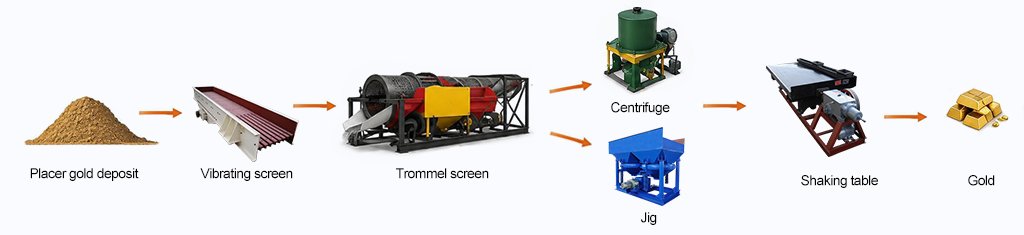
Advantages of shaftless trommel screens in gold mining:
- Suitable for screening high-clay gold ore; resistant to clogging;
- High processing capacity, meeting the demands of continuous production;
- High screening efficiency, improving the recovery rates of downstream processing equipment;
- Simple maintenance, reducing downtime and operating costs;
- Can be integrated with ore washing equipment to combine screening and washing operations.
It is worth noting that for the dry screening of crushed hard-rock gold ore, shafted trommel screens or vibrating screens are generally more appropriate; however, for alluvial gold ore and gold ore with high clay content, the shaftless trommel screen is the ideal choice.
How do you choose the right model of shaftless trommel screen?
When selecting a shaftless trommel screen, key factors to consider include material type, processing capacity, screening particle size, and moisture content. Different materials—such as municipal solid waste, compost, and construction waste—impose varying requirements on equipment dimensions and configuration. Additionally, determining the hourly throughput and the required screen aperture size is essential to ensure the screening performance meets production needs.
To obtain the optimal screening solution, it is recommended to provide the following information:
- Material type (municipal solid waste, compost, construction waste, etc.)
- Hourly processing capacity (tons/hour)
- Feed size and target screening particle size
- Material moisture content and tendency to tangle
- Installation site conditions and any special requirements
Based on these parameters, CHUNLEI can recommend the most suitable shaftless trommel screen model to achieve higher screening efficiency and lower operating costs.
What is the price of a shaftless trommel screen?
The price of a shaftless trommel screen is influenced by various factors, including the equipment model, drum material, screen mesh type, additional attachments, customization requirements, and supporting services; prices vary significantly based on capacity and configuration. Below are reference quotes for overseas export (main unit only; shipping and installation not included):
- Small models (CL-1230, 10–30 tons/hour): Suitable for small mines and small waste processing stations; reference price for the basic model is $15,000–$25,000.
- Medium models (CL-1850 / CL-2460, 30–150 tons/hour): Commonly used in mainstream mining operations and construction waste processing; reference price for the standard configuration is $30,000–$60,000.
- Large models (CL-3080, 150–200 tons/hour): Suitable for large mineral processing plants and large-scale solid waste treatment lines; reference price for the basic model is $65,000–$90,000.
Technical Parameters of Shaftless Tumbler Screen
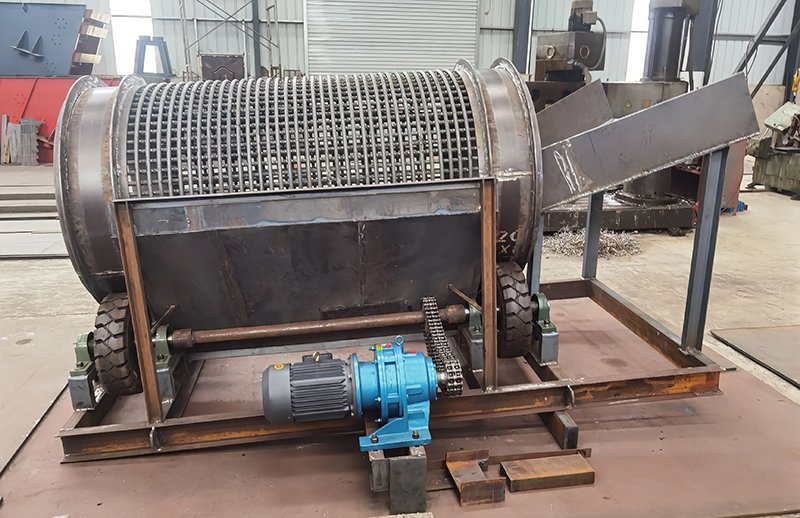
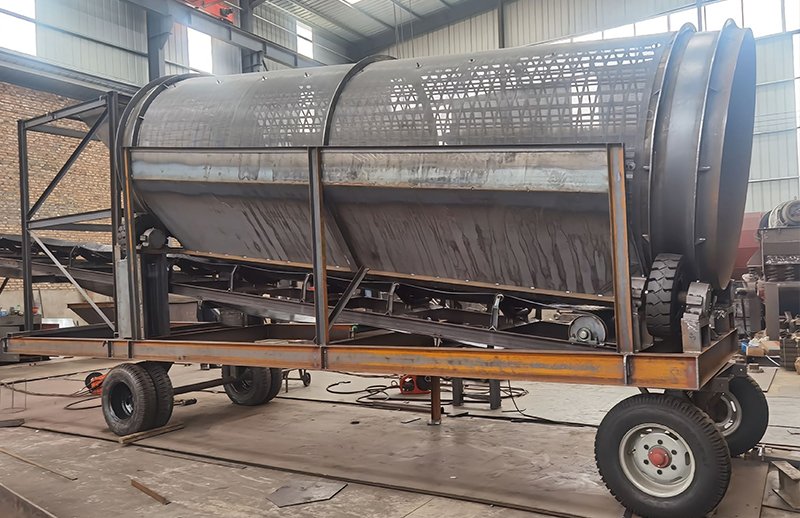
When selecting a model, prioritize the five key parameters: cylinder dimensions, processing capacity, screen aperture, power, and rotational speed. The specifications below are for standard models; customization is available upon request.
| Model | Processing capacity (t/h) | Power (kw) | Drum diameter(mm) | Drum length (mm) | screen size (mm) | external dimensions (mm) | Weight(kg) |
| GT1015 | 10-15 | 4.0 | 1000 | 1500 | <3~10 | 3000*1400*2145 | 2200 |
| GT1020 | 15-25 | 5.5 | 1000 | 2000 | 3460*1400*2145 | 2800 | |
| GT1225 | 25-40 | 7.5 | 1200 | 2500 | 4146*1600*2680 | 4200 | |
| GT1530 | 60-80 | 11 | 1500 | 3000 | 4460*1900*2820 | 5100 | |
| GT1545 | 80-150 | 15 | 1500 | 4500 | 5960*1900 *3080 | 6000 | |
| GT1848 | 150-200 | 22 | 1800 | 4800 | 6500*2300*4000 | 75000 | |
| GT2055 | 200-260 | 30 | 2000 | 5500 | 75002500*4000 |
How to Improve the Screening Efficiency of Shaftless Trommel Screens?
Improving the screening efficiency of shaftless trommel screens can be achieved by focusing on both equipment configuration and operational management. Key measures include:
- Selecting the appropriate screen aperture size based on the material
- Adjusting the drum rotation speed to avoid speeds that are too high or too low
- Maintaining uniform, continuous feeding to prevent overloading
- Controlling material moisture content to minimize clogging
- Regularly cleaning the screen mesh and inspecting wear parts
- Selecting the appropriate equipment model based on processing capacity
Through proper equipment selection and standardized maintenance, the screening efficiency of shaftless trommel screens can typically be maintained at 85%–95%, effectively enhancing the operational efficiency of the entire production line.
Should you opt for a custom-made shaftless trommel screen?
In most cases, it is recommended to customize shaftless trommel screens based on specific operating conditions. Since material types, processing capacities, required particle sizes, and moisture content vary across projects, standard equipment may not always deliver optimal screening results.
Customization typically covers the following aspects:
- Equipment dimensions: Selecting drum diameter and length based on processing capacity
- Screen aperture size: Meeting specific particle size grading requirements
- Screen mesh material: Chosen based on the material’s abrasiveness and corrosiveness
- Inlet and outlet configuration: Adapting to the on-site process layout
- Drive and control systems: Meeting automation requirements.
When handling materials with high moisture content or a tendency to tangle—such as municipal solid waste, construction waste, or compost—customized designs can effectively boost screening efficiency, minimize clogging, maximize production capacity, and lower long-term maintenance costs. Therefore, before purchasing a shaftless trommel screen, we recommend contacting CHUNLEI engineers to obtain a solution tailored to your project’s specific needs.
FAQ
Q: What is the overall timeline for equipment production and installation?
A: Production takes 2–4 weeks for standard models and 4–6 weeks for custom models; ocean shipping takes 1–2 weeks, and on-site installation and commissioning take 3–5 days.
Q: What materials are suitable for screening with the shaftless trommel screen?
A: It is widely used for gold ore, coal, iron ore, river pebbles, clay, coal slime, construction waste, slag, and more; it is particularly well-suited for high-moisture, clay-rich, and sticky bulk materials.
Q: What is the difference between a shaftless trommel screen and a shafted trommel screen?
A: Shaftless models lack a central shaft, preventing clogging and allowing for high throughput; they have fewer wear parts and require simple maintenance, making them ideal for sticky or wet materials. Shafted models feature a central shaft and a mature design but are suitable only for dry, non-sticky, conventional materials.
Q: Is the screening efficiency of the shaftless trommel screen high?
A: Screening efficiency reaches 85%–95%. When processing sticky, wet, or mud-laden materials, its efficiency far exceeds that of traditional shafted trommel screens or vibrating screens; once adapted to the specific operating conditions, it ensures long-term, stable, and efficient operation.
Q: Is the shaftless trommel screen suitable for the waste treatment industry?
A: Yes. It effectively handles materials prone to tangling—such as plastic bags and fabric strips—found in municipal solid waste and construction waste, and it resists clogging. It often serves as core equipment for waste pre-treatment and classification, and can be equipped with dust-control and cleaning devices to meet environmental standards at waste processing facilities.
Q: How do I choose the right shaftless trommel screen model?
A: First, select a base model based on material type and hourly processing capacity. Next, choose the screen aperture and mesh material based on the required particle size. Finally, add optional features like cleaning or dust-control devices based on site conditions and environmental requirements. For complex materials, samples can be sent for testing and customization.
Q: What is the price of the shaftless trommel screen?
A: Small models (10–30 t/h) cost approximately $15,000–$25,000; medium models (30–150 t/h) cost about $30,000–$60,000; and large models (150–200 t/h) cost around $65,000–$90,000. Costs will increase accordingly with optional equipment and EPC services.
Q: Can it operate in harsh environments, such as those with high temperatures or high humidity?
A: Yes. The frame can be treated with an anti-corrosion coating for coastal, high-humidity environments, and the use of high-temperature-resistant motors ensures stable operation in mining areas with temperatures reaching 50°C.
Q: What is the overall service life of the equipment?
A: Under normal operating conditions, the main frame has a service life of 10–15 years. Wear parts—such as screen meshes and rubber tires—are replaced periodically; proper maintenance can extend the equipment’s overall lifespan by 20%.
Q: What is the minimum production capacity required to break even?
A: The 10–30 t/h model is suitable for small-scale mines; profitability can be achieved with a daily processing volume of 80–240 tons. Matching capacity to actual needs helps avoid equipment idleness.
Summary
When selecting a shaftless trommel screen, the key is to match the drum specifications and screen mesh material to the ore’s moisture content, clay content, and abrasiveness, while also distinguishing the appropriate application scenarios for shaftless versus shafted models. Prices vary based on the model and configuration; therefore, it is recommended to select equipment based on your specific production capacity and operating conditions rather than simply prioritizing the lowest price.
Contact CHUNLEI Machinery today for a free, personalized configuration plan and an accurate quote for a shaftless trommel screen—helping your production line boost screening efficiency and reduce operating costs.
Related Products —
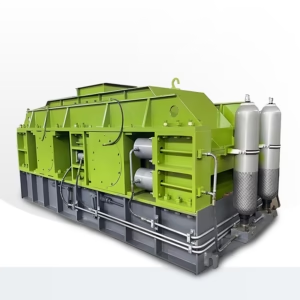
Hydraulic Roll Crusher
Hydraulic roller crushers (also known as hydraulic double roller crushers) are energy-saving medium and fine crushing core equipment in the fields of mining, sand and gravel plants, building materials and solid waste treatment. They are m…
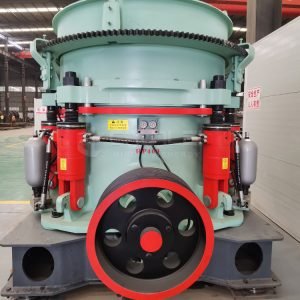
Hydraulic Cone Crusher
Cone Crusher utilize a layered crushing principle, producing well-shaped particles and reducing the generation of needle-like and flaky particles. They are typically used as a secondary or tertiary crushing process. Their characteristics…
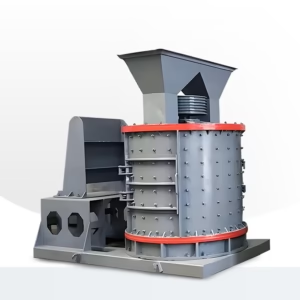
Combination Crusher
A variety of models are available | Get the free price list! This series of crushers is a new product optimized and designed based on our company’s PEL vertical compound crusher and combined with domestic and foreign …
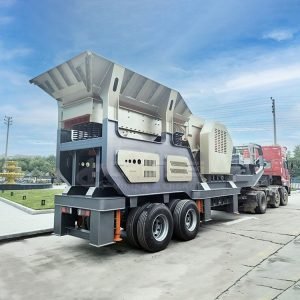
Mobile Crushing & Screening Plant
A variety of models are available | Get the free price list! Mobile crushing and screening plant can be divided into wheeled mobile crushing plant and crawler mobile crushing plant according to tire type;According …
Fine Sand Recycling Machine
A variety of models are available | Get the free price list! Fine sand recycling machine is for slurry material dewatering, de-mediation, desludging development of equipment, through the slurry pump will be the con…
loading…
已经是到最后一篇内容了!