 Chunlei Mining Machinery
What do I need to pay attention to the adjustment of ball mill load?
Adjustment of Ball Mill load (ball loading and material volume) directly affects grinding efficiency, energy consumption and equipment life. There are several considerations involved in adjusting ball mill loads to ensure safe operation and optimal performance of the equipment. The following are some of the main considerations:
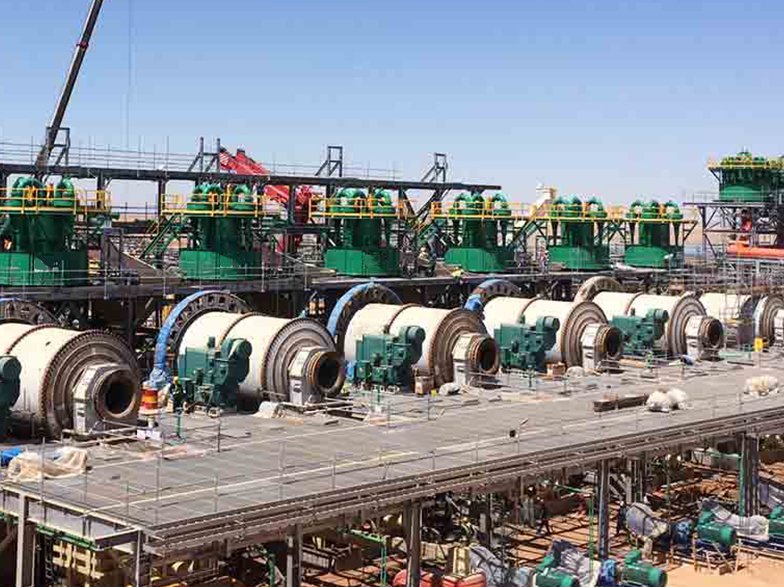
No-load operation
- Make sure that the equipment is installed, and carry out detailed inspection work, including the condition of each screw.
- The empty running time should not be less than the specified number of hours to ensure that the motor rotation direction is correct.
Ball loading quantity and proportioning
- The liquid level of the material should be slightly higher than the ball layer in wet grinding, and overloading should be avoided in dry grinding. Too much will lead to waste of impact force, too little will not be enough grinding.
- According to the material size of the scientific ratio, large ball crushing coarse material, small ball grinding fine powder, regular ball replenishment to maintain the proportion of balance.
- The hardness and density should match the material characteristics, of which high chrome balls are more wear-resistant but costly.
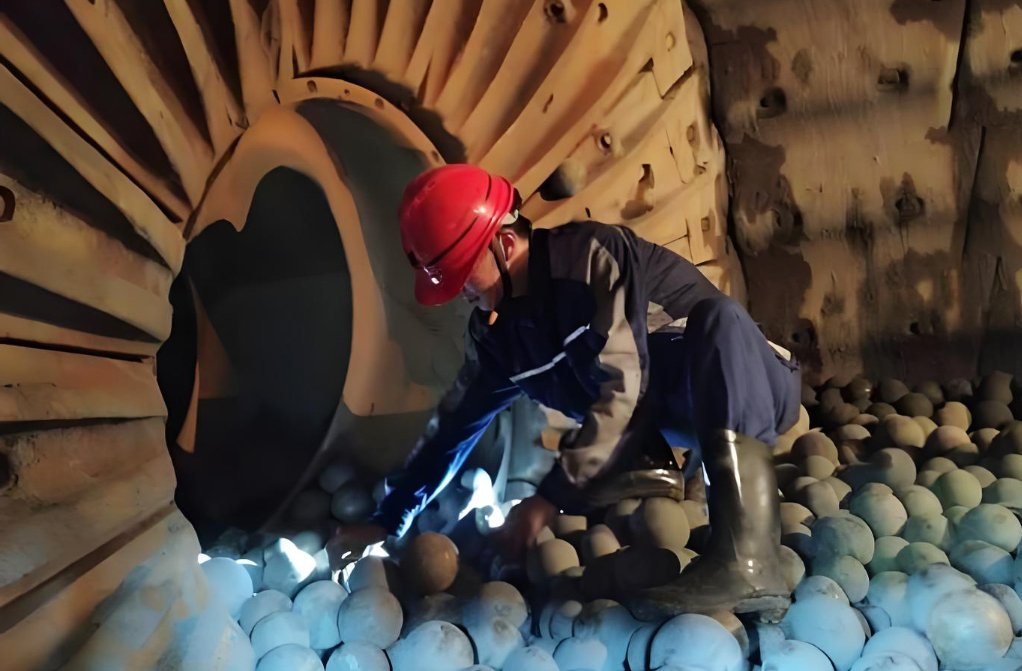
Load and safe operation
- Before adjusting the load, the power must be disconnected and the energy source must be locked to prevent the cylinder from rotating accidentally.
- Regularly check the status of the liner, wear over the limit needs to be replaced, otherwise it will affect the grinding trajectory.
- Gradually increase the load and carry out two experiments.
- Check the vibration and noise condition to make sure it is within the specified range.
- Remove broken balls and impurities regularly to prevent the effective volume from decreasing.
Adjustment of operating parameters
- Determine the amount of ore and water supply, and make a reasonable.
- Dynamically match the feeding speed with the load to avoid sudden increase or decrease leading to “swelling mill” or “empty mill”.
- The ball loading quantity should be adjusted synchronously when the grading system cooperates and the sand return quantity changes in the closed loop.
Example of adjustment process
- Initial evaluation, checking current, sound, and output data.
- Increase or decrease the ball loading quantity by no more than 5% each time, adjust gradually and observe the working condition for 2-4 hours.
- Run continuously for 24 hours without any abnormality before confirming the parameters.
To summarize, the precautions for adjusting the ball mill load include no-load operation, ball loading and proportioning, adjustment of operating parameters, and safe operation and equipment protection and so on.
Latest News

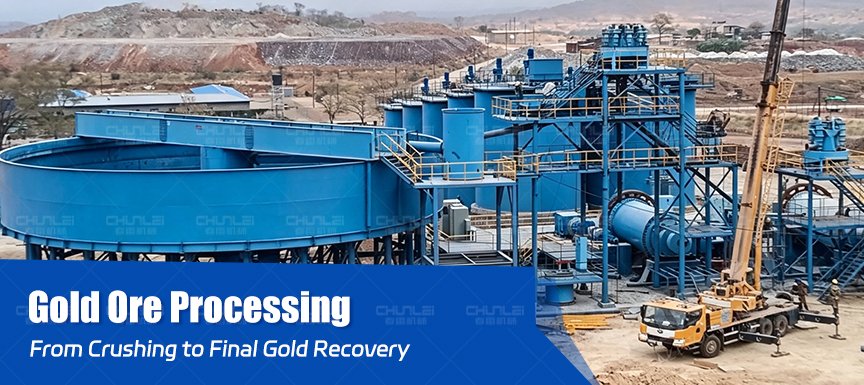
Gold Ore Processing: From Crushing to Final Gold Recovery
800A gold processing plant is not merely a simple assembly of crushers, ball mills, and gold recovery equipment; rather, the goal is to determine the optimal process flow based on factors such as mineral composition, gold particle size,…
-
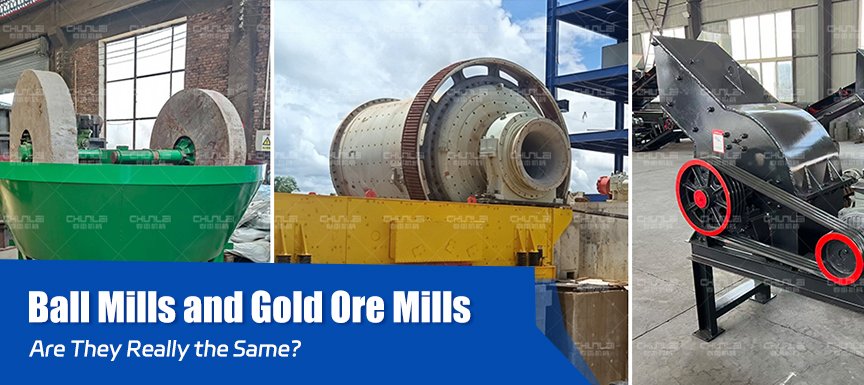
Ball Mills and Gold Ore Mills: Are They Really the Same?
800When searching for gold ore grinding equipment, customers often encounter various terms such as “Ball Mill,” “Gold Mill,” “Gold Milling Machine,” and “Gold Ore Grinding Machine.” Many buyers assume that a “Gold Mill” is a specialized mill de…
-
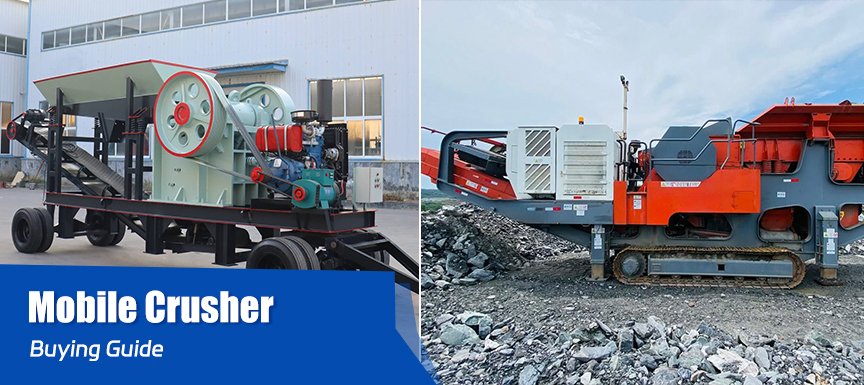
Mobile Crusher Buying Guide: Wheeled or Tracked?
800Many customers focus solely on portability when purchasing a mobile crusher, viewing it merely as the acquisition of a single piece of equipment. In reality, selecting the wrong model can lead to either insufficient output or excessive wear and…
-
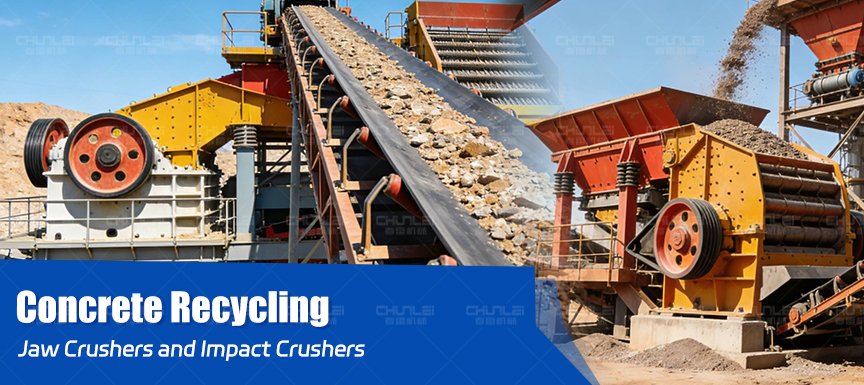
Jaw Crushers and Impact Crushers: Turnkey Solutions for Concrete Recycling
800Demolishing old buildings and roads generates vast amounts of waste concrete; direct landfilling not only consumes valuable space but also incurs high transportation costs. The real challenge lies in transforming this waste concrete into reusab…
loading…
已经是到最后一篇内容了!