 Chunlei Mining Machinery
100T/D Cement Clinker Crushing and Sand-Making Production Line
The current sand and gravel market faces high demand but limited natural sand resources and rising prices. Conventional sand-making production lines suffer from low output and inconsistent quality. When searching for “clinker sand-making plants,” you likely seek more than just equipment specifications—you need proven solutions that deliver stable, high-quality manufactured sand and reliable returns.
With numerous suppliers competing for your business, how can you ensure your chosen production line excels in energy efficiency, environmental compliance, sand yield, and long-term operational costs? This article provides an in-depth analysis of how to configure and optimize a high-efficiency 100-ton-per-day production line for maximum output.
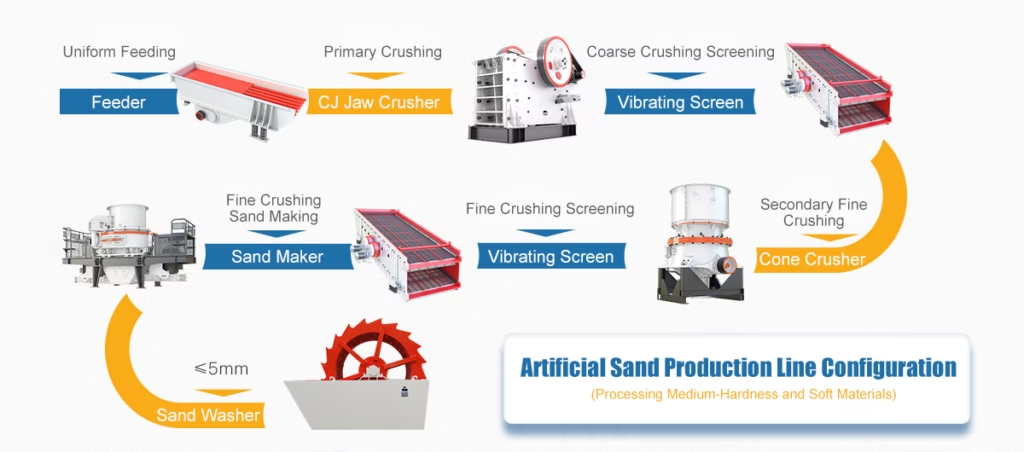
100T/D Cement Clinker Production Line: A Hardcore Analysis of Its Capabilities
(一) Production Capacity Analysis
With the continuous growth in global demand for compact sand-making production lines and increasingly stringent restrictions on river sand mining, the market for manufactured sand is rapidly expanding. Particularly for 100-ton-per-day production lines (equivalent to 12-15 tons per hour), their low investment threshold, short construction cycle, and strong adaptability make them ideal for small-scale construction projects. For rural self-built homes, minor municipal maintenance projects, or small commercial building construction, deploying large-scale sand production lines would not only waste equipment resources but also increase production costs. A daily output of 100 tons strikes the perfect balance.
In certain regions with poor transportation or limited local demand, a 100-ton-per-day sand production line can source materials locally, processing cement clinker and crushed stone into compliant manufactured sand. This approach reduces transportation and time costs while rapidly supplying aggregate materials to surrounding markets.
(二) Core Equipment Configuration
Given the high hardness and abrasiveness of cement clinker, a typical 100-ton-per-day production line employs the following process:
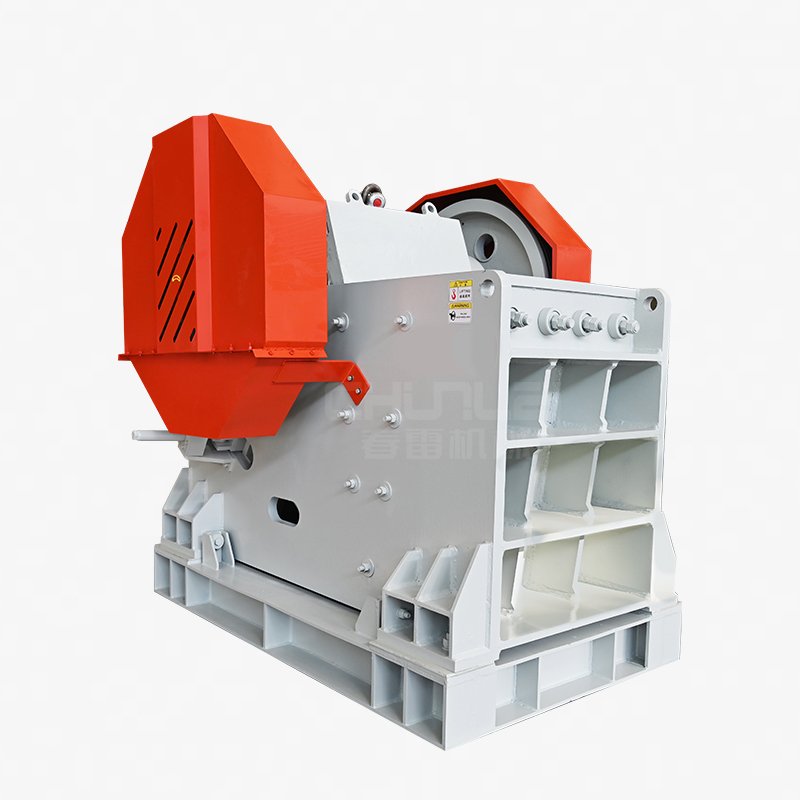
Serves as primary crushing for coarse reduction. Large cement clinker chunks (feed size ≤400mm) are uniformly fed into the jaw crusher via a vibrating feeder for initial breaking. Common models suitable for 100-ton capacity include PE400×600 and PE600×900.

Used for medium and fine crushing. Material from primary crushing is conveyed via belt conveyor to the cone crusher for further reduction.
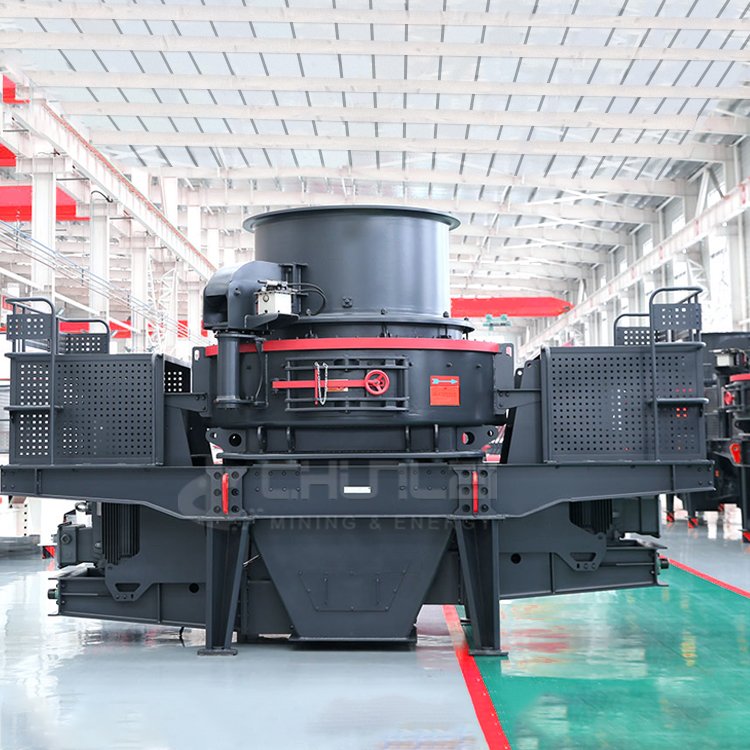
Finely crushed material enters the vertical shaft impact sand maker for shaping and sand production, ensuring excellent finished particle shape.
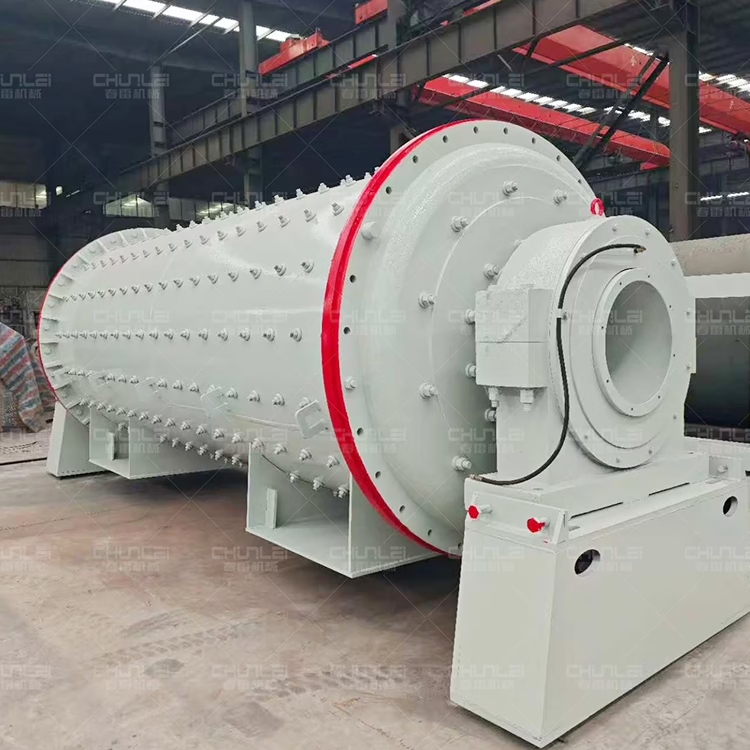
If grinding is required, a ball mill can be selected separately. Crushed material is graded via a vibrating screen. Material meeting size requirements is fed into the ball mill for grinding, ultimately producing compliant fine powder.
(三) Investment Return Analysis
For investors, the value of a 100-ton-per-day cement clinker crushed stone sand production line lies not only in the equipment itself but also in its full lifecycle investment returns. Compared to traditional river sand mining, manufactured sand production offers the following economic advantages:
- Low raw material costs: Cement clinker offers stable sourcing and relatively lower pricing;
- High product value: Controlled particle shape enables manufactured sand to replace natural sand in concrete mixing and masonry applications;
- Rapid investment recovery: Under normal conditions, a well-designed 100-ton-per-day production line can recoup its investment within 1-2 years.
Conclusion
Selecting a 100-ton-per-day cement clinker crushing and sand-making production line involves far more than purchasing a few pieces of equipment. It means choosing a long-term partner who will grow with you, backed by reliable after-sales service and technical support.
With over 30 years of expertise in industrial sand production, CHUNLEI Machinery understands that every client’s production conditions and requirements are unique. Submit your specific raw material parameters and site details, and our technical experts will provide you within 24 hours:
- A customized process flow diagram for your 100-ton-per-day production line
- A detailed equipment configuration list and investment budget analysis
Act now to receive a solution tailored specifically for your needs.
Latest News

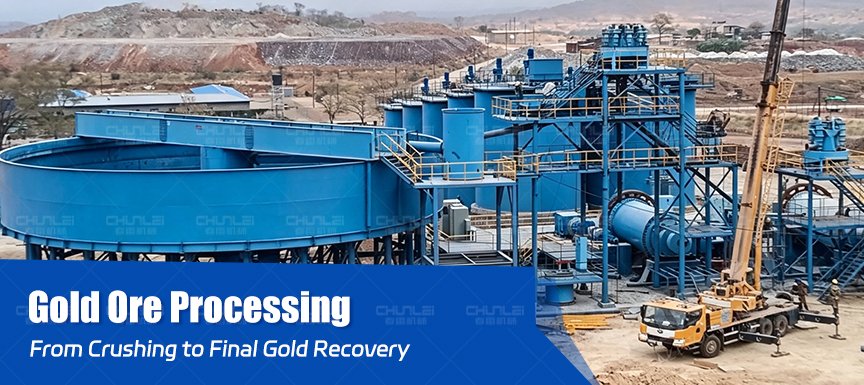
Gold Ore Processing: From Crushing to Final Gold Recovery
800A gold processing plant is not merely a simple assembly of crushers, ball mills, and gold recovery equipment; rather, the goal is to determine the optimal process flow based on factors such as mineral composition, gold particle size,…
-
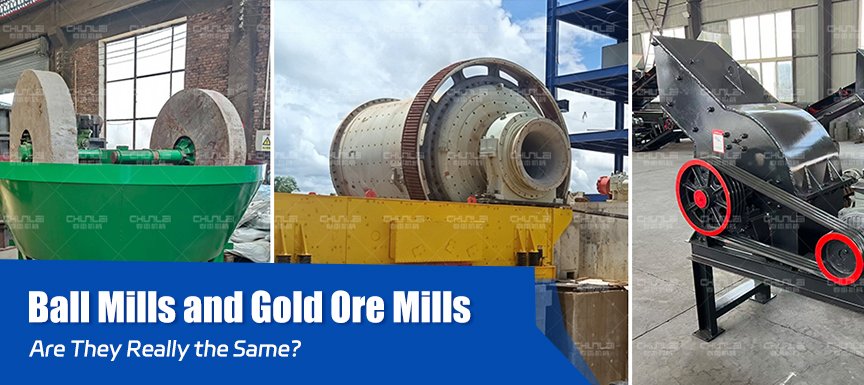
Ball Mills and Gold Ore Mills: Are They Really the Same?
800When searching for gold ore grinding equipment, customers often encounter various terms such as “Ball Mill,” “Gold Mill,” “Gold Milling Machine,” and “Gold Ore Grinding Machine.” Many buyers assume that a “Gold Mill” is a specialized mill de…
-
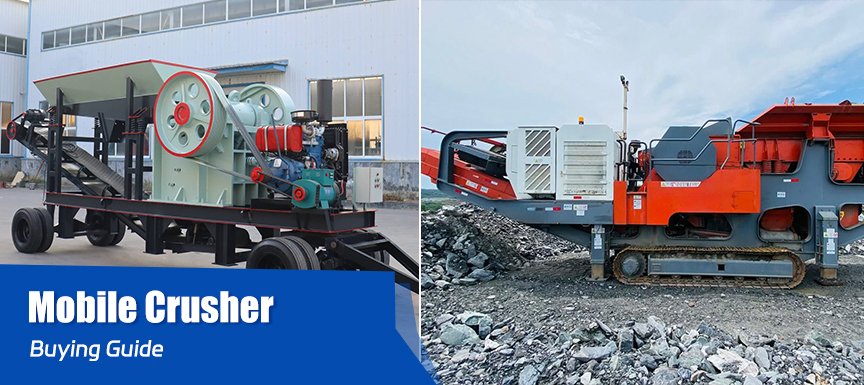
Mobile Crusher Buying Guide: Wheeled or Tracked?
800Many customers focus solely on portability when purchasing a mobile crusher, viewing it merely as the acquisition of a single piece of equipment. In reality, selecting the wrong model can lead to either insufficient output or excessive wear and…
-
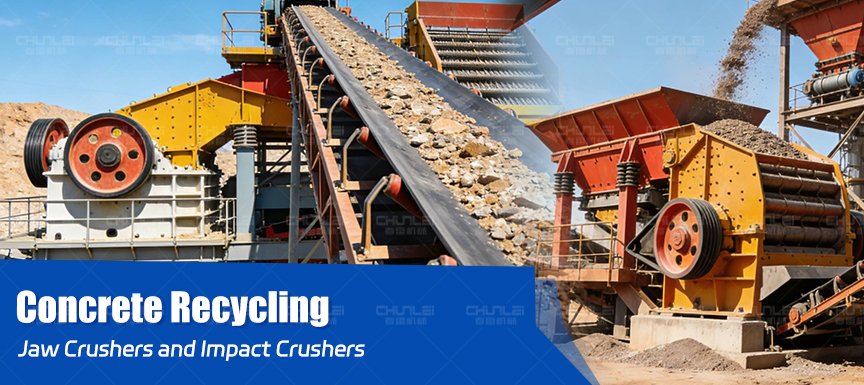
Jaw Crushers and Impact Crushers: Turnkey Solutions for Concrete Recycling
800Demolishing old buildings and roads generates vast amounts of waste concrete; direct landfilling not only consumes valuable space but also incurs high transportation costs. The real challenge lies in transforming this waste concrete into reusab…
loading…
已经是到最后一篇内容了!