 Chunlei Mining Machinery
Complete Process and Equipment Guide for Gold Recovery from Oxide Gold Ore
Unlike iron and copper, elemental gold in nature does not react chemically with oxygen to form oxides. Oxidized gold ore refers to gold-bearing weathered rocks formed after long-term weathering and oxidation of gold ore.
Its characteristics include the significant oxidation and decomposition of sulfides in the ore, with gold minerals typically existing as free gold, fine-grained gold, or in association with oxide minerals. Therefore, it is easier to recover gold than primary sulfide gold ore.
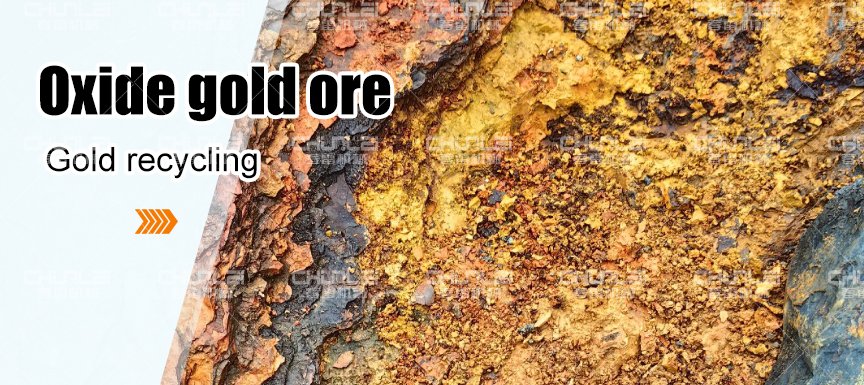
Typical Ore Characteristics
Oxidized gold ore is characterized by higher clay content, lower hardness, and better grindability. In beneficiation processes, high gold recovery rates can be achieved using techniques such as gravity separation, cyanide leaching (CIP/CIL), and heap leaching. Some ores can be directly introduced into the leaching process after simple crushing and grinding, resulting in relatively low production costs.
Appearance and Color: Yellowish-brown, loose texture, high clay content in most deposits
Main Gangue Minerals: Limonite, Goethite, Quartz, with a small amount of manganese oxide
Gold Occurrence Form: Coarse-grained native gold and finely disseminated gold coexist and mix
Core Challenges in Beneficiation: A large amount of clay and mud encapsulates gold grains; without pretreatment, gold recovery will be significantly reduced.
Applicable Ore Grade: 0.3g/t ~ 6g/t Oxide Gold Ore, widely distributed in Africa, Central Asia, and Southeast Asia
Key Pretreatment Processes for High-Clay Oxide Gold Ores
Most oxide gold ores contain clay, which affects gold recovery. Therefore, washing and desliming treatment is essential before crushing:
- Drum washing machine scrubbing: High-pressure water jets break up clay clumps and separate large pieces of waste rock.
- Hydrocyclone desliming: Removes -10μm ultrafine slime, reducing slurry viscosity.
- Granulation (for heap leaching only): Ore powder mixed with binder is granulated to prevent ore heap caking and clogging.
If the desliming process is omitted, the gravity separation gold recovery rate will decrease by 10%–25%, and the cost of cyanide reagents will increase significantly.
First Section: Ore Crushing Process and Core Equipment
Oxide gold ores typically employ a two- or three-stage closed-circuit dry crushing process to control the feed particle size.
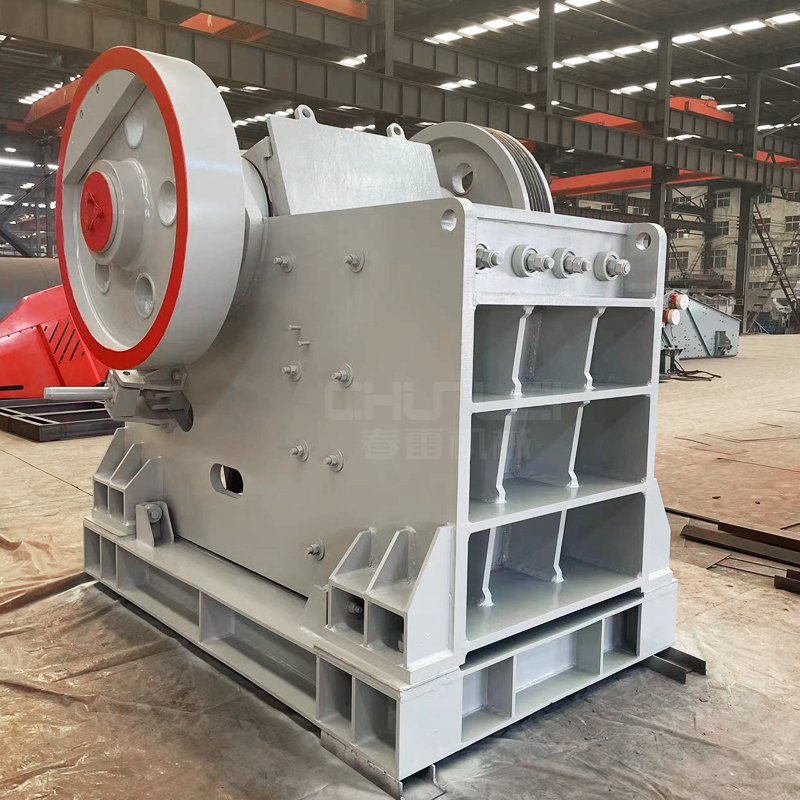
Coarse Crushing Equipment: Jaw Crusher
- Maximum Feed Size: ≤1200mm
- Processing Capacity Range: 105–1590 tons/hour
- Crushing Ratio: 6:1
- Working Principle: Hard oxide ores are crushed by compression between the moving jaw plate and the fixed jaw plate.
- Applicable Scenarios: Primary coarse crushing of open-pit ore.
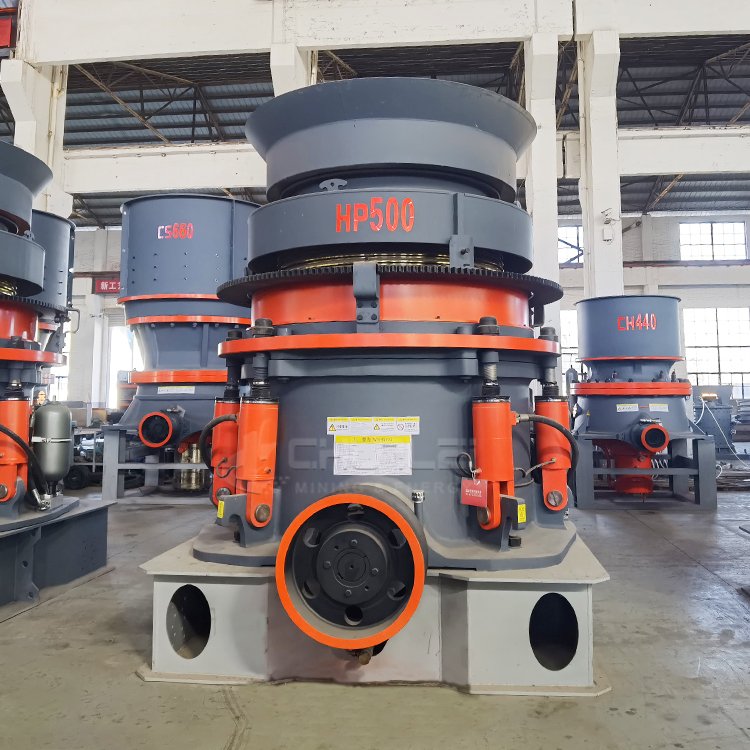
Medium and Fine Crushing Equipment: Cone Crusher
- Maximum Feed Size: ≤450mm
- Processing Capacity Range: 85–2181 tons/hour
- Crushing Ratio: 4–6:1
- Working Principle: Gyratory compression crushing produces uniformly sized fine materials.
- Applicable Scenarios: Secondary and tertiary fine crushing operations.
Closed-Circuit Crushing System
After crushing, a vibrating screen is used for screening. Large pieces of ore are returned to the cone crusher for secondary crushing, ensuring that the particle size entering the mill is ≤25mm.
Second Paragraph: Comparison of Grinding and Classification Equipment
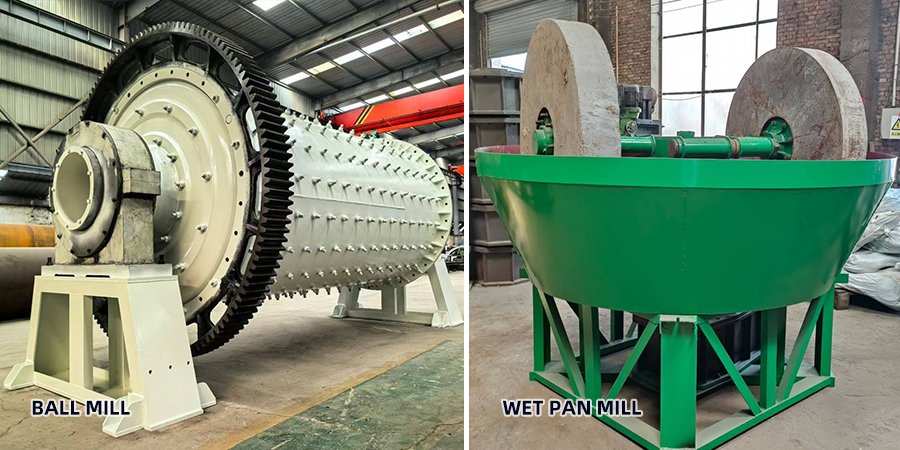
Grinding is a core process for separating gold particles encased in limonite gangue, ensuring high recovery rates. A comparison of two mainstream grinding equipment for oxide gold ore:
| Device name | maximum feed | Discharge fineness | Hourly processing capacity | Equipment investment cost | Adapt to mine size |
|---|---|---|---|---|---|
| ball mill | ≤25mm | 0.074–0.89mm | 0.65–615t/h | high | Large fixed mineral processing plant, long-term stable production |
| Wet grinding machine | ≤30mm | 0.074–0.6mm | 1–50t/h | low | Small and medium-sized mobile gold mines, limited budget projects |
Supporting Classification Equipment
Spiral classifier, hydrocyclone; unqualified coarse sand is returned to the grinding mill for regrinding, forming a closed-circuit grinding system.
Three Mature Gold Extraction Processes
Based on ore clay content, gold particle size, raw ore grade, and project investment budget, three commonly used industrial gold extraction schemes for oxide gold ores are outlined.
1. Gravity Separation (Suitable for coarse-grained native gold oxide ores)
This method relies on the physical separation due to the density difference between gold and gangue. After grinding, coarse gold is recovered first, avoiding the loss of fine gold due to over-grinding.
Gravity Separation Equipment and Applicable Particle Size Parameters
| Equipment | Applicable Particle Size Range | Processing Capacity |
|---|---|---|
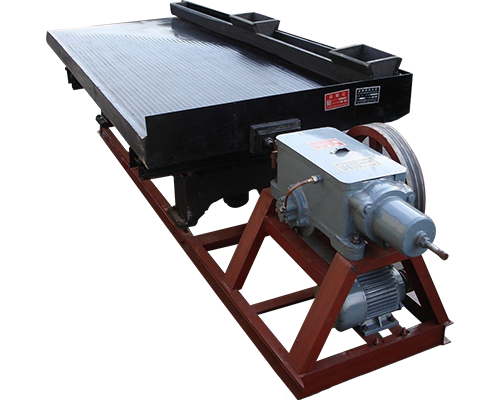
| Shaking Table | Slime ≤0.074mm, Fine Sand 0.074–0.5mm, Coarse Sand 0.5–2mm | 10–60 tons/day |
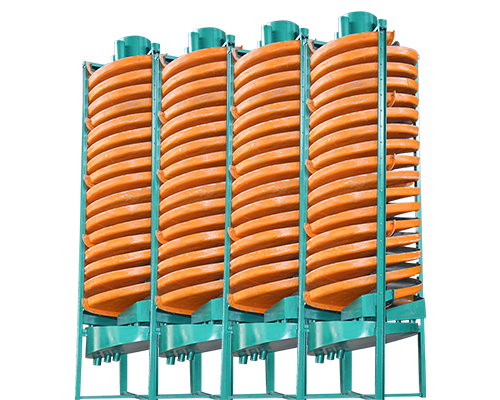
| Spiral Conveyor | Fine Minerals 0.02–0.3mm | 2–40 tons/hour |
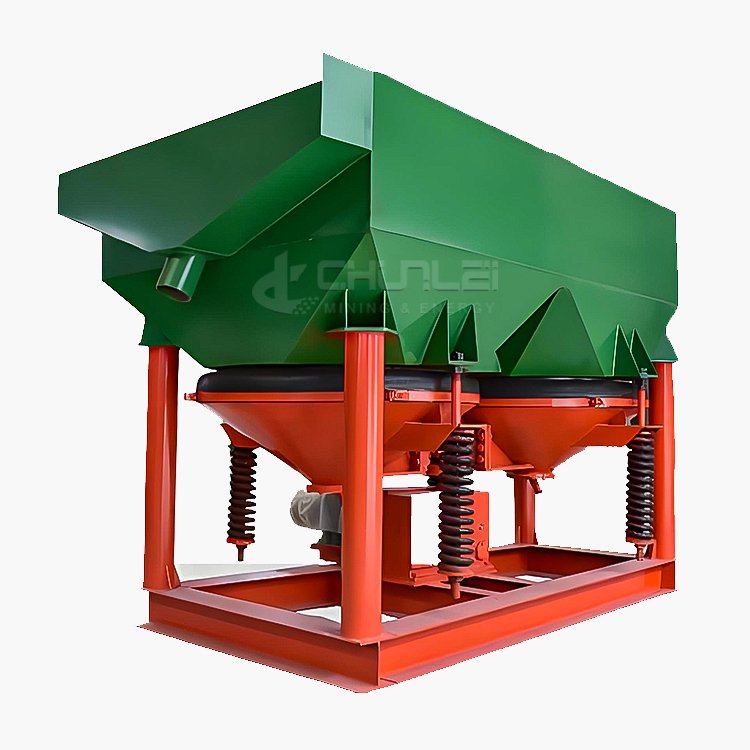
| Jig | Coarse Ore >2mm | 30–250 tons/hour |
- Shaking table: High separation accuracy, relatively small throughput, suitable for fine-grained operations in small and medium-sized concentrators.
- Spiral chute: Large-scale continuous separation, large throughput, suitable for medium and fine-grained oxide ores.
- Jig: Roughing of coarse ore, large throughput, mostly used for pre-treatment roughing.
Gravity separation process flow:
Crushing → Grinding → Gravity separation for crude gold recovery; gravity separation tailings enter the cyanidation system for fine gold recovery.
2. Carbon-Leaching (CIL) Process (Cyanide-In-Pulp, suitable for fine-grained oxidized gold ores)
Carbon-leaching is currently the most widely used chemical gold extraction process for fine-grained, high-grade oxidized gold ores. Recommended for ore grades ≥1g/t.
Complete Carbon-Leaching Process
- Thickener Pre-concentration: Increases the solids content of the slurry to 40%–45%, reducing cyanide reagent consumption.
- Multi-stage Leaching Tank: Adds sodium cyanide, adjusts pH to 10–11 with lime, leaching time 24–48 hours.
- Activated Carbon Adsorption: Gold complexes are adsorbed onto carbon particles, adsorption rate ≥98%.
- Desorption Electrolysis: Gold-loaded carbon is washed to precipitate gold mud; carbon is regenerated and recycled.
Carbon-leaching achieves a comprehensive gold recovery rate of 88–94%, with stable process and high automation. However, it requires high reagent input and a complete cyanide-containing wastewater neutralization treatment system.
3. Heap Leaching (Suitable for Low-Grade Oxygenated Gold Ores)
No fine grinding required, suitable for large-scale low-grade oxidized ores, with extremely low initial infrastructure investment.
Standard Heap Leaching Process:
- Crush the ore to 10–50mm; pre-granulate high-clay ores.
- Lay HDPE impermeable lining in the heap, layering the ore to a depth of 3–5 meters.
- Spray a dilute cyanide solution to dissolve the gold in the ore.
- The precious solution is collected in an adsorption tank, where activated carbon recovers the gold.
Heap leaching requires less civil engineering investment and is suitable for large-scale open-pit low-grade ore heap treatment. However, the leaching cycle is long, the overall recovery rate is only 55–75%, and it is not suitable for ultrafine mud ores.
Conclusion
The extraction of gold from oxidized gold ore cannot be achieved using a single beneficiation process. High-clay ores require pretreatment with drum washing and hydrocyclones for desliming; coarse gold should be recovered early using gravity separation equipment to reduce the loss of fine gold; high-grade, fine-grained oxidized ores are recommended to use the CIL (carbon leaching) process, achieving a high recovery rate of 88%-94%; low-grade, large-lump ore heaps should use a low-cost heap leaching solution.
From crushing and grinding to gravity separation, cyanidation, and tailings thickening and dry stacking, the equipment matching and process sequence of the entire production line directly determine the return on investment. Incorrect selection can easily lead to production problems such as low recovery rates, excessive reagent consumption, and frequent equipment blockages.
If you have oxidized gold ore resources and are unsure whether to choose heap leaching, CIL, or a combined gravity separation process, or if you need a quote for a complete beneficiation system or a production line planning scheme, please feel free to contact us. Send us your ore testing report and daily processing capacity requirements, and CHUNLEI engineers will provide a targeted, low-cost, high-recovery gold extraction solution as soon as possible.
FAQ
Q: What is oxidized gold ore?
A: It is gold-bearing weathered rock formed from sulfide ore through weathering. Gold grains are embedded in limonite and generally contain a large amount of clay and slime.
Q: Why must oxidized gold ore be washed first?
A: Clay will encapsulate the gold grains, clog the equipment, and significantly reduce the overall gold recovery rate.
Q: Can high-clay oxidized gold ore be directly heap leached?
A: No, it must be granulated first; otherwise, the ore heap will become clogged, resulting in extremely poor leaching.
Q: Which gold extraction process has the highest recovery rate?
A: Gravity separation + carbon leaching combined process, with an overall recovery rate of 88-94%.
Q: What fineness should oxidized ore be ground to in the carbon leaching process?
A: Over 85% of the ore should be -200 mesh.
Q: What grinding equipment is used for small-scale oxidized gold ore?
A: Wet mill combined with spiral sluice gravity separation.
Q: Is cyanide leaching of gold permitted in African mines?
A: Most countries allow the use of complete wastewater neutralization closed-loop systems.
Q: What is the difference between carbon leaching and heap leaching?
A: Carbon leaching has a high recovery rate but high input cost, suitable for high-grade ores; heap leaching has a low input cost but lower recovery rate, suitable for low-grade ores.
Q: Can gravity separation recover fine gold?
A: Ultrafine gold smaller than 0.074mm cannot be recovered solely by gravity separation; cyanide adsorption on carbon is required.
Q: What is the standard leaching time for carbon leaching?
A: 24–48 hours, depending on ore fineness.
Q: How to reduce cyanide consumption?
A: Use a thickener to increase the slurry solids content to over 40%.
Q: What ore data is required before procurement?
A: Hourly throughput, raw ore concentration, ore particle size, pH, and target recovery rate.
Latest News

What are the gravity separation process flows for tin ore?
800Having worked in the tin mining industry for many years, I’ve observed a recurring issue among clients: even when the raw ore has a high tin content and a substantial amount of processing equipment is employed, the final tin recovery rates rema…
-
Gravity Concentration vs. Flotation for Gold: Which Process Should You Choose?
800In gold beneficiation projects, many mining engineers face a critical question: Why does the final gold recovery rate consistently fall short of expectations, even when grinding fineness and reagent regimes are strictly maintained according t…
-
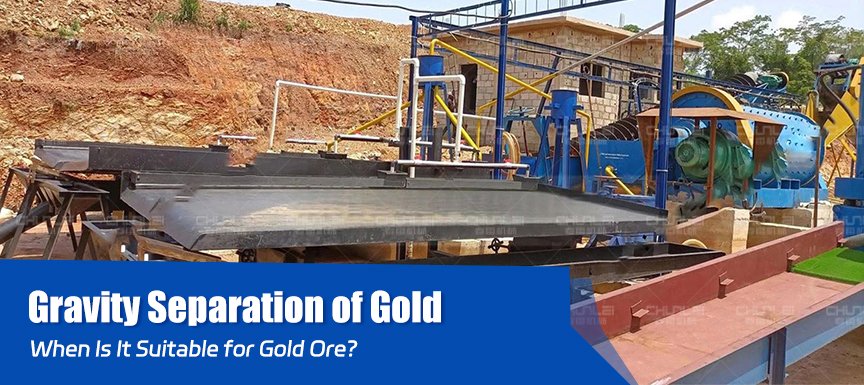
Gravity Separation for Gold: When Is It Suitable for Gold Ore?
800Many people immediately associate “gold ore” with gravity separation, yet not all gold deposits are suitable for recovery using gravity methods alone. Gravity separation is appropriate for liberated native gold or other heavy minerals that ex…
-
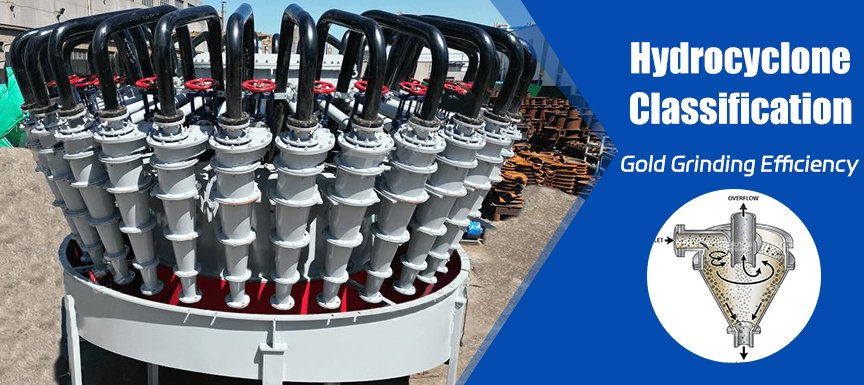
How Classification Affects Gold Grinding Efficiency
800In gold ore grinding circuits, attention is often focused primarily on ball mill capacity, power consumption, and grinding media; however, in actual operation, classification plays an equally critical role in determining grinding efficiency. …
loading…
已经是到最后一篇内容了!