 Chunlei Mining Machinery
How to Choose a Ball Mill for Quartz Sand Grinding?
Quartz ranks among the most abundant minerals on Earth. Its ground form finds extensive applications, making it a widely developed mineral across various industries. However, its high hardness and exceptional wear resistance present significant challenges during grinding. While a ball mill is undoubtedly the optimal choice for quartz sand grinding, the question remains: should one opt for a steel ball mill or a ceramic ball mill? This article by CHUNLEI will focus on explaining the differences between the two, helping you select the most suitable ball mill equipment.
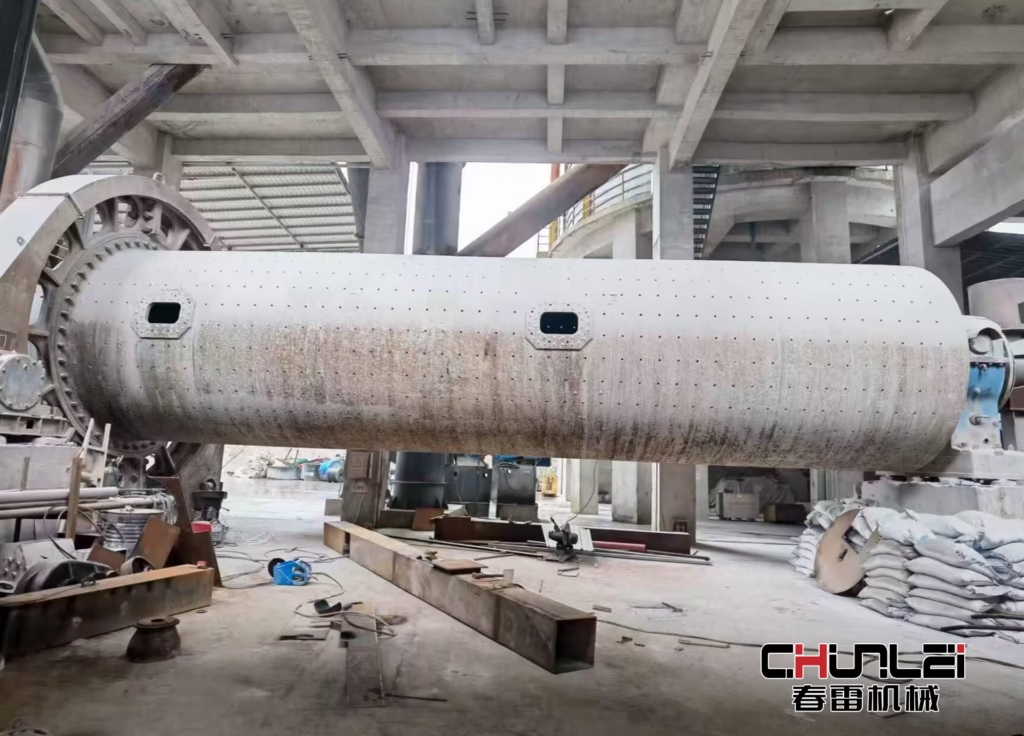
The core decision between steel ball mills and ceramic ball mills for quartz sand grinding lies in “product purity” and “overall cost.” Simply put: – If your product requires high purity and zero iron contamination, a ceramic ball mill with high-alumina lining and ceramic grinding media is essential. – If iron content is not a strict requirement, a steel ball mill is recommended for its higher output and lower cost. To illustrate the differences more clearly, CHUNLEI has prepared a comparison table:
| Equipment | Steel Ball Mill | Ceramic Ball Mill |
| Core Advantages | High grinding efficiency, durable, low cost | Product purity is extremely high with no iron contamination |
| Grinding Media | Alloy steel balls such as high-manganese steel and chromium steel | Alumina and zirconia ceramic balls |
| Contamination Levels | Inevitably introduce iron impurities, affecting product whiteness and chemical properties | Virtually contamination-free, ensuring product composition integrity |
| Abrasion Resistance | Excellent performance, but subject to wear | Excellent (especially zirconia), but impact toughness is lower than steel balls |
| Energy Consumption | Relatively low (due to high density and strong impact force) | Relatively high (requires higher rotational speeds to achieve equivalent results) |
| Total Cost of Ownership | Low investment in equipment and grinding media | High initial investment for equipment and ceramic balls |
| Suitable Applications | Suitable for industries insensitive to iron content, such as building materials, glass, and foundry | Applications demanding stringent purity requirements: photovoltaics, electronics, high-end ceramics, coatings, etc. |
Selecting a quartz sand ball mill is not merely purchasing equipment—it is an investment in the quality of your final product. As a professional ball mill manufacturer, CHUNLEI understands that the true challenge in grinding quartz is not its hardness, but rather the strict requirements for iron contamination in the final product. This guide explains the key selection factors that protect product value and safeguard your bottom line.
Steel Ball Mill Solutions
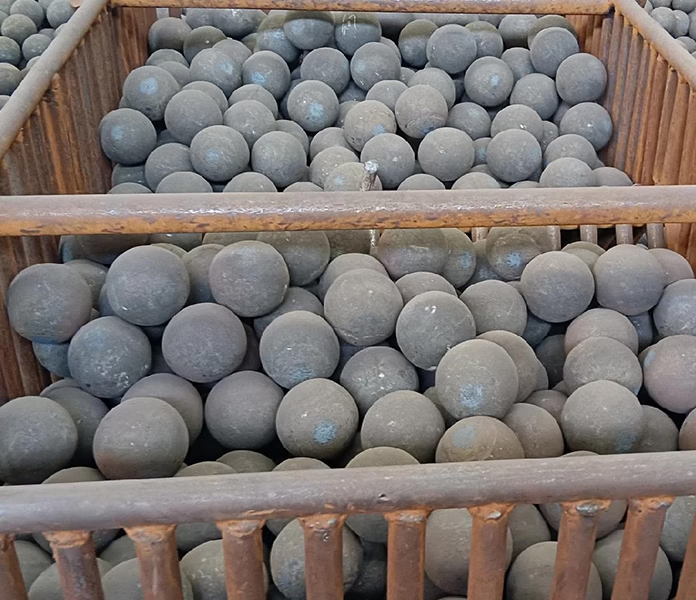
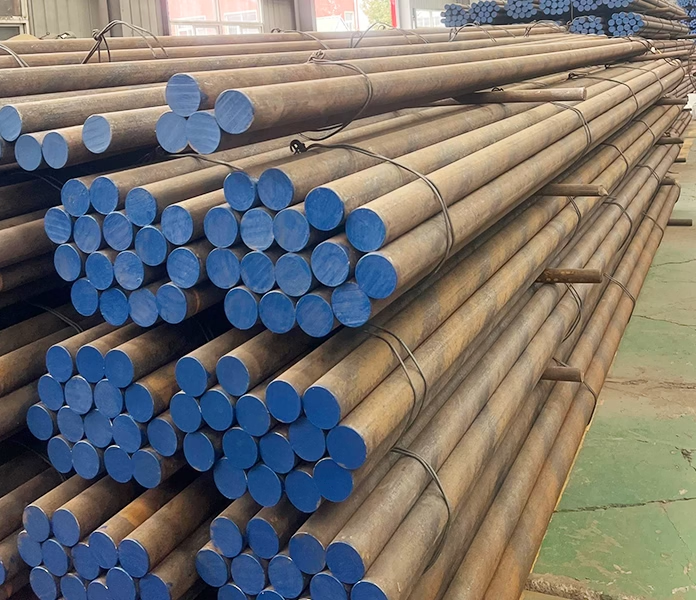
Steel ball mill media include forged steel balls and cast steel balls, among others. For specifics, refer to What Balls To Use In A Ball Mill?Steel ball mills are the preferred choice for high efficiency and low cost. They rely on the immense impact force generated when high-density steel balls are dropped from a height to crush and grind quartz sand, achieving exceptional efficiency. However, the impact between steel balls and material inevitably generates iron filings that contaminate the product. This causes quartz sand to appear grayish or yellowish, reducing its whiteness.
If your quartz sand is used in applications insensitive to trace iron impurities—such as ordinary glass, building materials, artificial stone, or coated foundry sand—then steel ball mills offer the best cost-performance ratio.
Ceramic Ball Mill Solutions
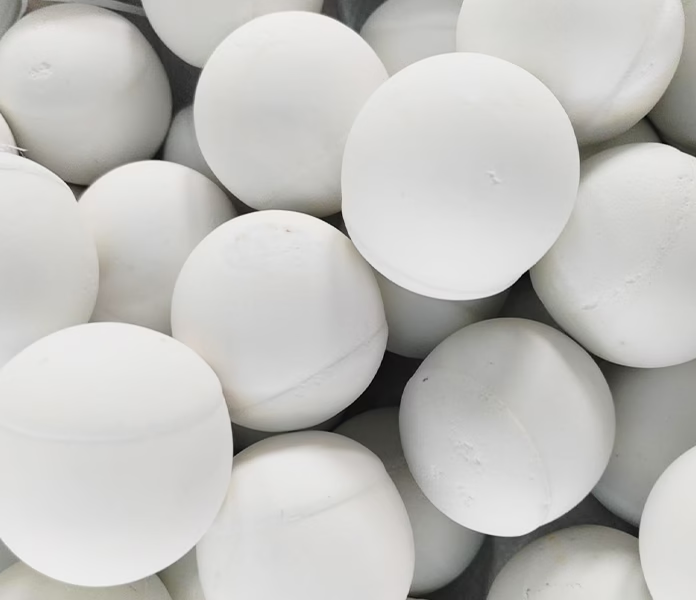
Opting for a ceramic ball mill means choosing an iron-free grinding solution. At this stage, there are two lining options:
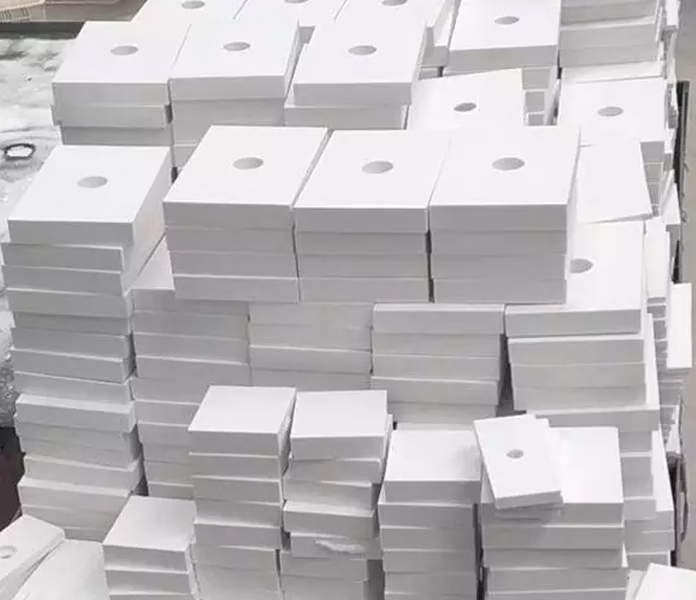
- High-Alumina Ceramic Liners: These bricks are manufactured from high-purity alumina at elevated temperatures. They offer exceptional wear resistance and corrosion resistance without introducing any iron contamination, making them the gold standard for grinding high-purity products.
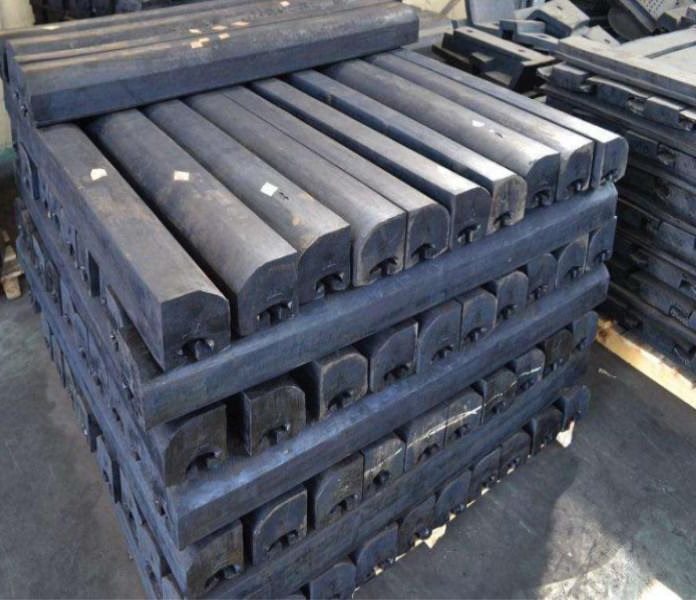
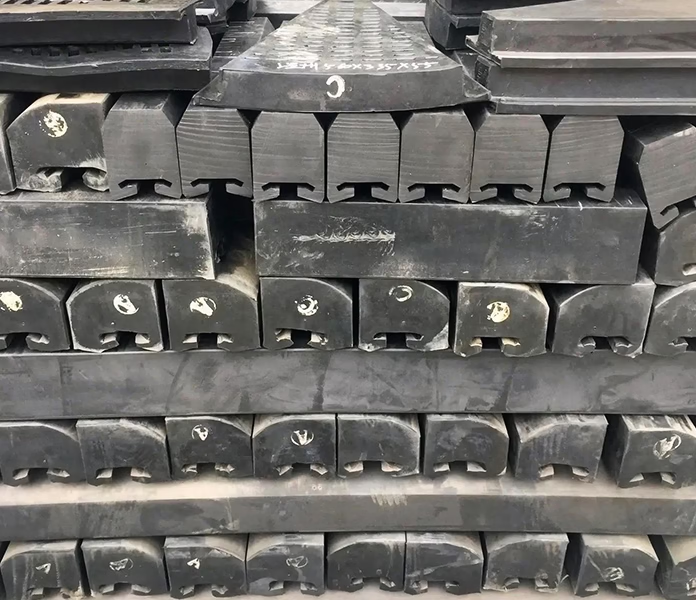
- Rubber Lining Plates: These offer not only wear resistance but are also lighter than manganese steel liners, providing better protection for the grinding vessel and reducing energy consumption. Their inherent cushioning effect also minimizes over-grinding. For quartz particles embedded in the surface, they promote more quartz-on-quartz grinding. While preventing iron contamination, they may not be suitable for the finest grinding equipment.
Differences Between Dry and Wet Grinding of Quartz
Dry grinding and Wet grinding of quartz are entirely distinct processes. Choosing the wrong method will impact product quality, investment costs, and may lead to severe dust issues and unnecessary dewatering expenses.
Simply put, dry grinding involves grinding quartz directly in a water-free state, offering high efficiency and low cost. Wet grinding, conducted in water or liquid media, yields superior quality and higher purity but produces slurry requiring dewatering.
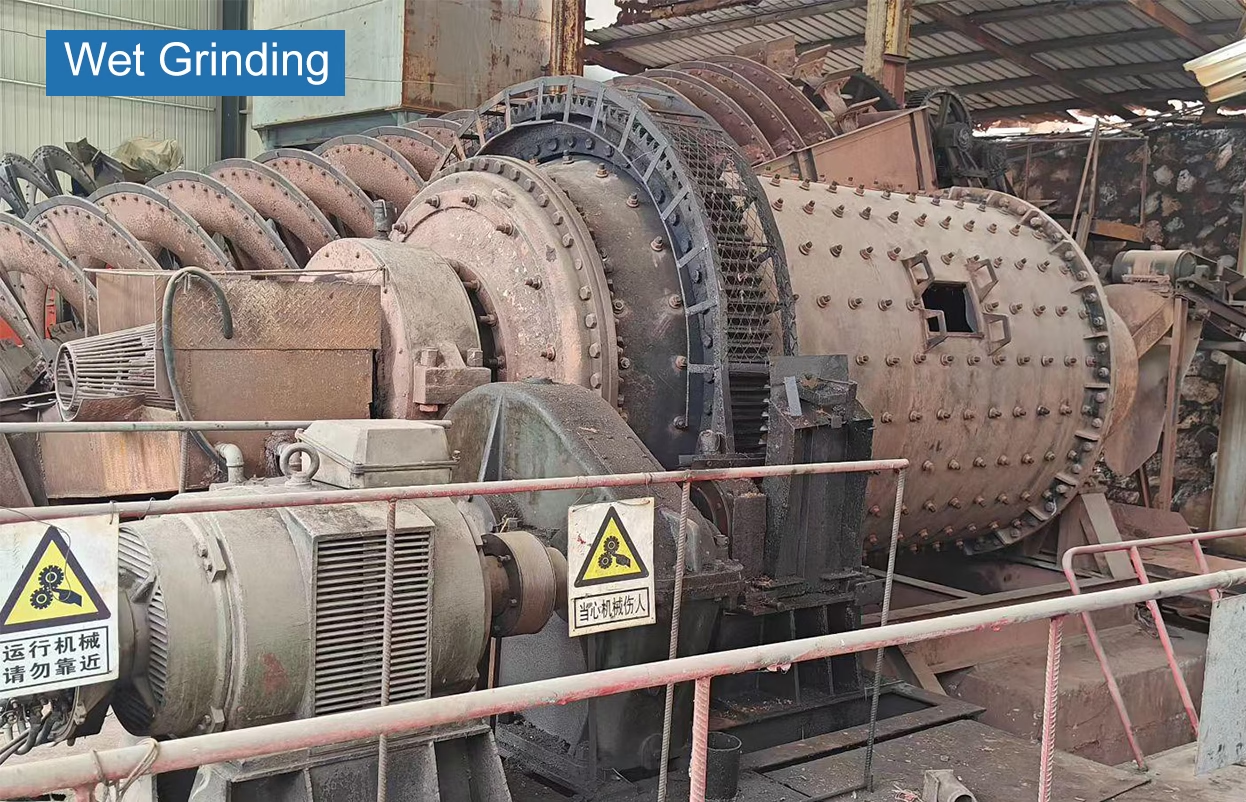
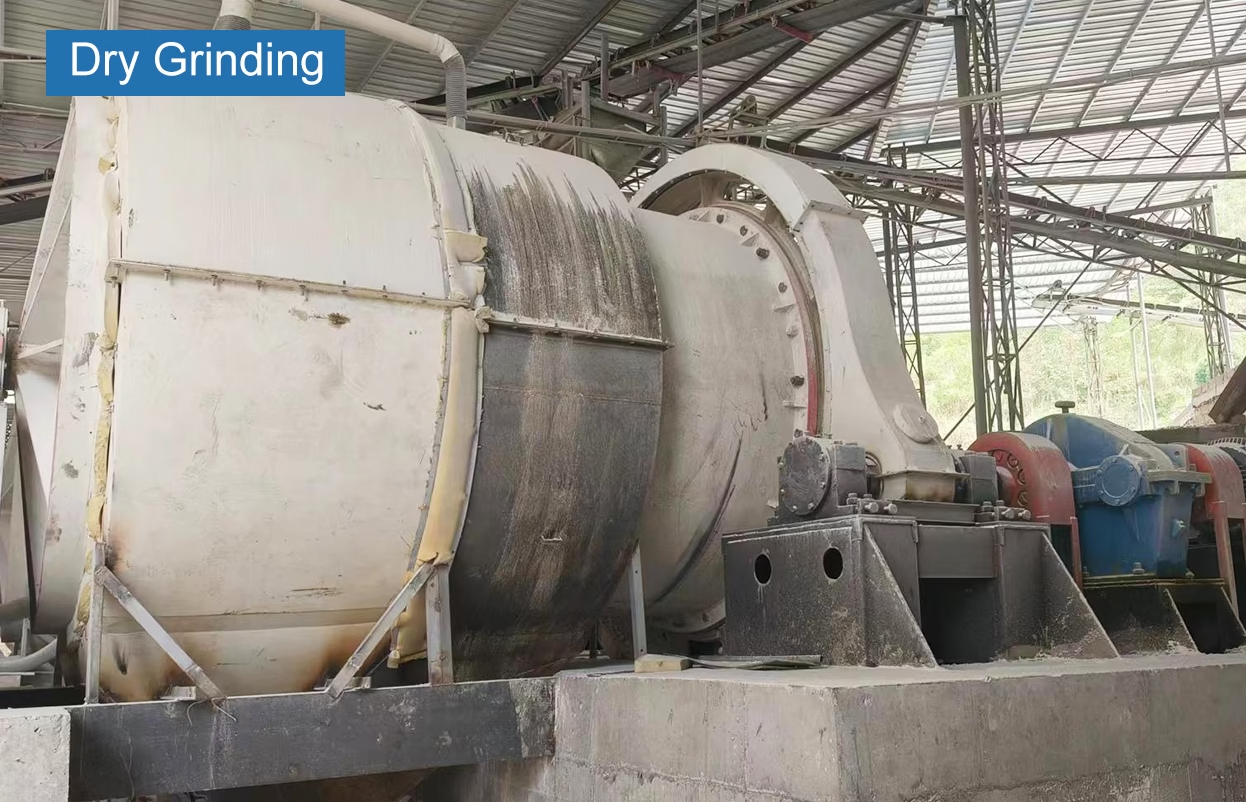
Comparison of Dry Grinding and Wet Grinding of Quartz
| Grinding Process | Dry Grinding | Wet Grinding |
| Core Technology | Direct grinding of dry quartz sand under anhydrous conditions. | Water or dispersants are added during grinding to form a slurry (mineral paste). |
| Key Equipment | Equipment: Dry ball mills, vertical roller mills, Raymond mills, jet mills. | Wet ball mills, stirred mills, sand mills. |
| Product Features | Characteristics: Particles exhibit pronounced angularity, wide particle size distribution, and extremely low moisture content. | Achieves more uniform particle size, smoother particle morphology, and extremely high product purity. |
| Advantages | 1. Simple process, no dehydration or drying required, with relatively low energy consumption. | 1. Dust-free operation ensures a clean working environment. |
| 2. Relatively low investment and operating costs. | 2. High grinding efficiency with lower energy consumption. | |
| 3. Minimal iron contamination in products, delivering high purity and whiteness. | ||
| Disadvantages | 1. High dust levels pose significant environmental and health concerns. | 1. Subsequent dehydration (filter pressing, drying) is required, adding steps and costs to the process. |
| 2. Severe wear increases the risk of introducing iron contaminants. | 2. Wastewater is generated and requires treatment. | |
| 3. Products are prone to over-grinding, leading to increased energy consumption. | ||
| Primary Applications | Traditional industries sensitive to moisture and cost: | High-end sectors with stringent requirements for purity and fineness: |
| • Building materials, refractories | • Photovoltaic glass | |
| • Casting coated sand | • Electronic-grade silica powder | |
| • Raw materials for ordinary glass | • Premium ceramic glazes and coatings | |
| • Optical materials |
How to achieve 200 mesh (approximately 75 microns) for quartz sand?
Precise classification is an essential step to meet the 200 mesh standard for quartz sand. Simply extending ball mill grinding time will result in some particles being ground into ultrafine slurry while others remain coarse, leading to significant energy waste.
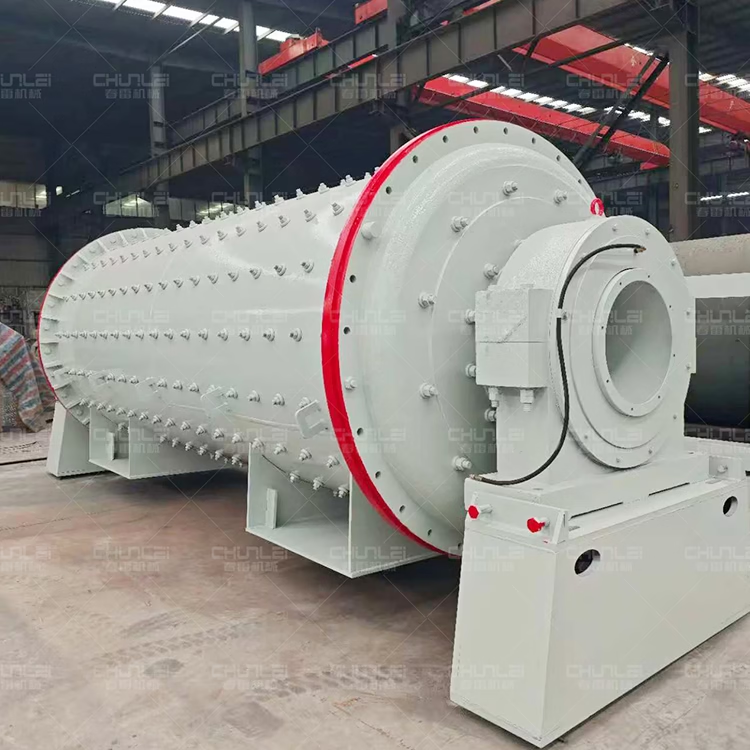
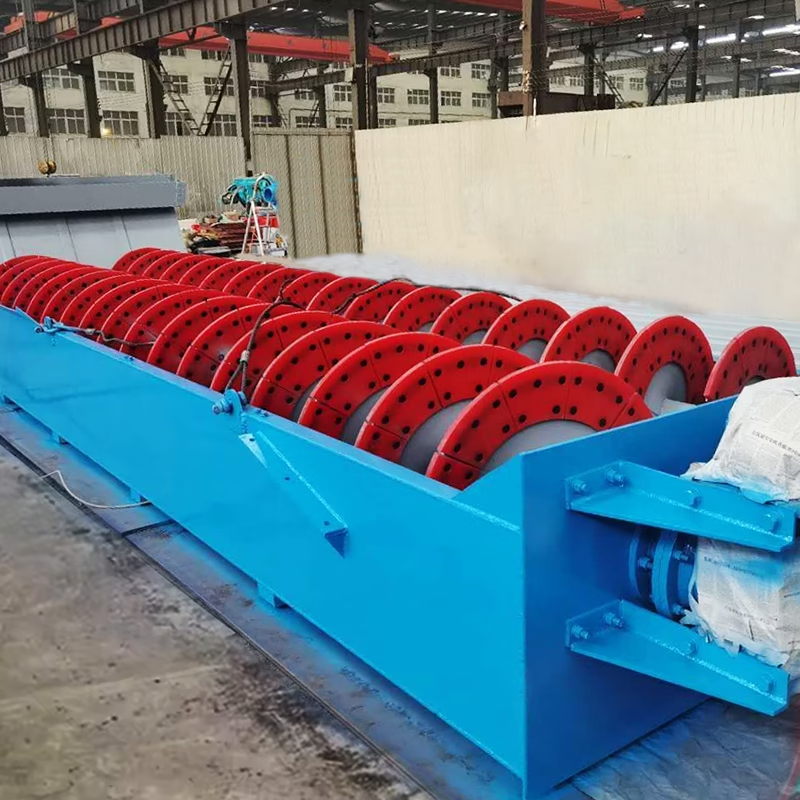
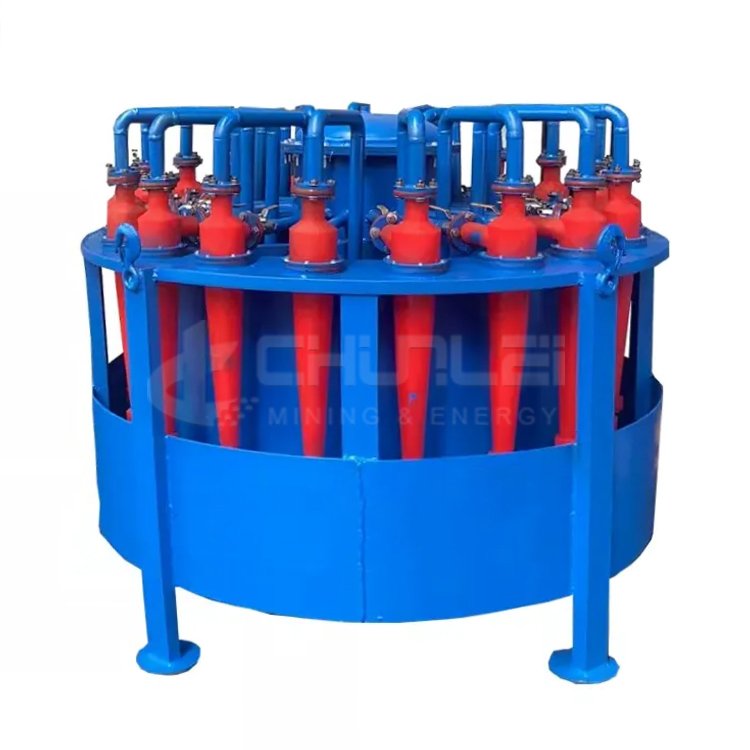
Role of the Classifier:
- Preventing Over-Grinding: Classifiers or hydrocyclones serve as critical screening mechanisms. They separate the slurry, returning coarse particles to the ball mill while directing fine slurry to subsequent stages. This prevents certain particles from being continuously ground in the mill, avoiding over-grinding.
- Enhancing Efficiency: By classifying particles, only coarse particles are returned to the ball mill for re-grinding, forming a closed-circuit system. This maximizes ball mill utilization and reduces operational costs.
- Size Control: For wet grinding of quartz sand, spiral classifiers simultaneously perform preliminary classification and automatically return coarse sand to the mill, eliminating the need for additional conveying equipment. Hydraulic cyclones, meanwhile, can classify finer products (up to 200 mesh), making them suitable for projects demanding extremely high product fineness.
How should you choose the grinding process?
Your selection depends on the product’s end use and market positioning:
Choose the dry grinding solution:
- Your product is used in sectors like building materials and foundry where iron content requirements are low.
- Your region faces water scarcity.
- You seek a simpler process flow and lower initial investment.
Select wet grinding:
- Your product targets high-value markets demanding ppm-level purity (parts per million).
- You require strict control over product purity, whiteness, and consistency.
- You have the capability to handle subsequent dewatering processes and wastewater treatment.
For a deeper understanding of the process, share your raw materials, final product specifications, and production capacity requirements with CHUNLEI. We will tailor a grinding solution specifically for you. Get your free solution now!
Latest News

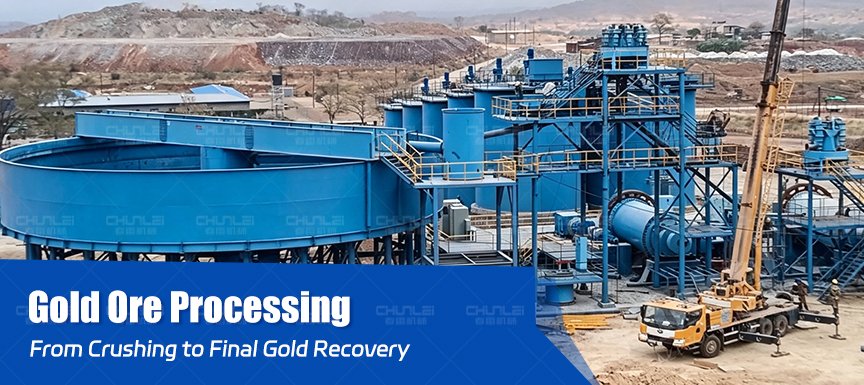
Gold Ore Processing: From Crushing to Final Gold Recovery
800A gold processing plant is not merely a simple assembly of crushers, ball mills, and gold recovery equipment; rather, the goal is to determine the optimal process flow based on factors such as mineral composition, gold particle size,…
-
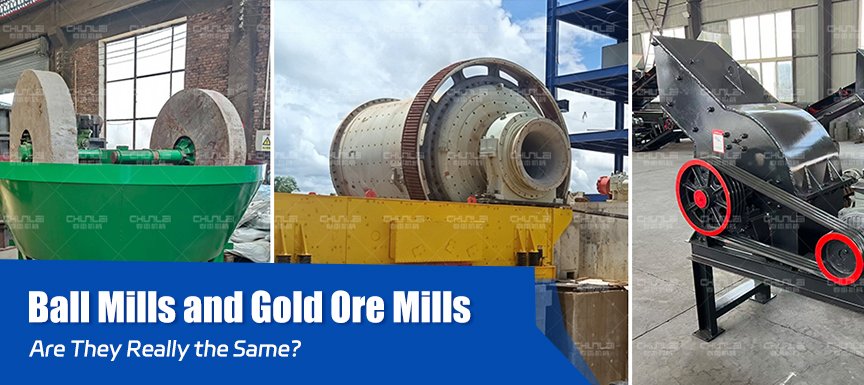
Ball Mills and Gold Ore Mills: Are They Really the Same?
800When searching for gold ore grinding equipment, customers often encounter various terms such as “Ball Mill,” “Gold Mill,” “Gold Milling Machine,” and “Gold Ore Grinding Machine.” Many buyers assume that a “Gold Mill” is a specialized mill de…
-
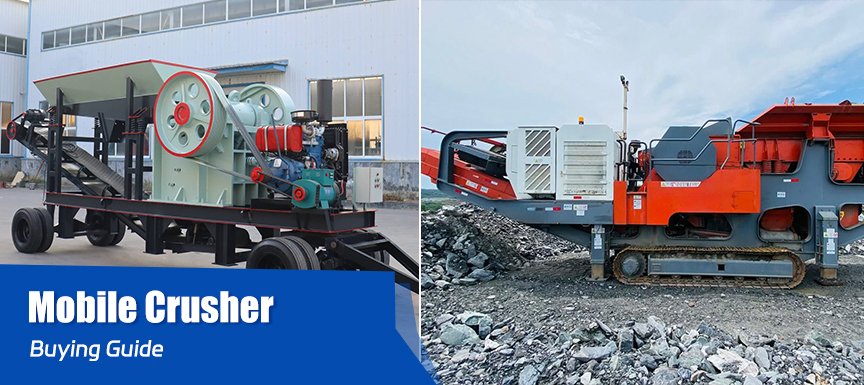
Mobile Crusher Buying Guide: Wheeled or Tracked?
800Many customers focus solely on portability when purchasing a mobile crusher, viewing it merely as the acquisition of a single piece of equipment. In reality, selecting the wrong model can lead to either insufficient output or excessive wear and…
-
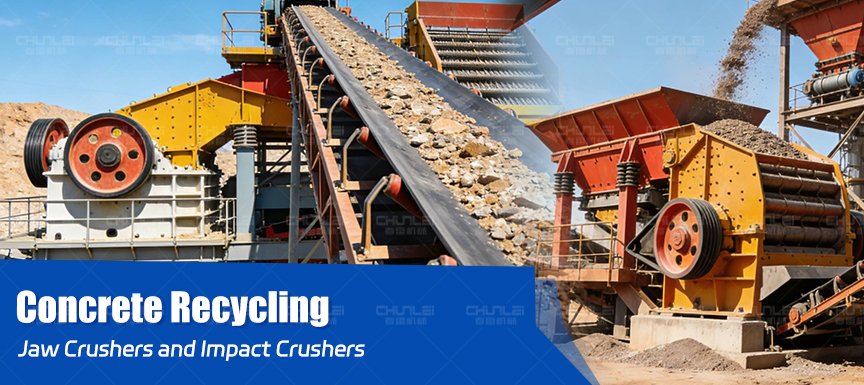
Jaw Crushers and Impact Crushers: Turnkey Solutions for Concrete Recycling
800Demolishing old buildings and roads generates vast amounts of waste concrete; direct landfilling not only consumes valuable space but also incurs high transportation costs. The real challenge lies in transforming this waste concrete into reusab…
loading…
已经是到最后一篇内容了!