 Chunlei Mining Machinery
8 Types of Gold Mine Processing Equipment
Gold, as a global hard currency, is widely used in reserves, jewelry, electronics, aerospace, and other fields. This article details the gold mining equipment required for gold processing plants, covering the equipment needed for the five major stages: gravity separation, flotation, magnetic separation, grinding, and crushing, regardless of whether the gold is placer or gold ore.
The type of gold ore and the method of gold mining will determine which type of gold mining equipment you need to purchase. Therefore, you must understand your ore characteristics before purchasing equipment.
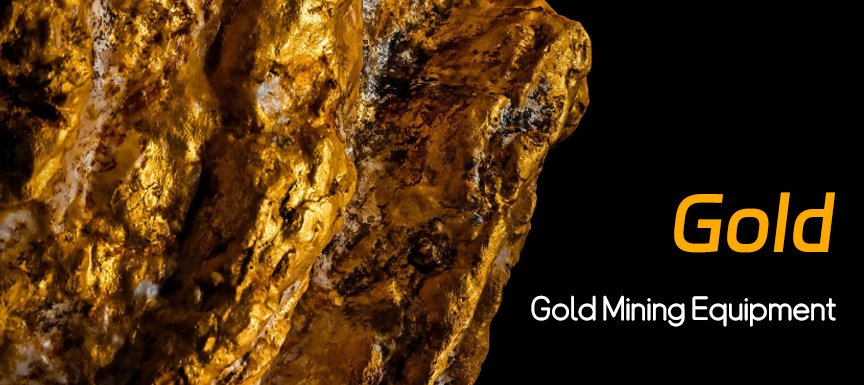
Gravity Separation Equipment for Gold Extraction
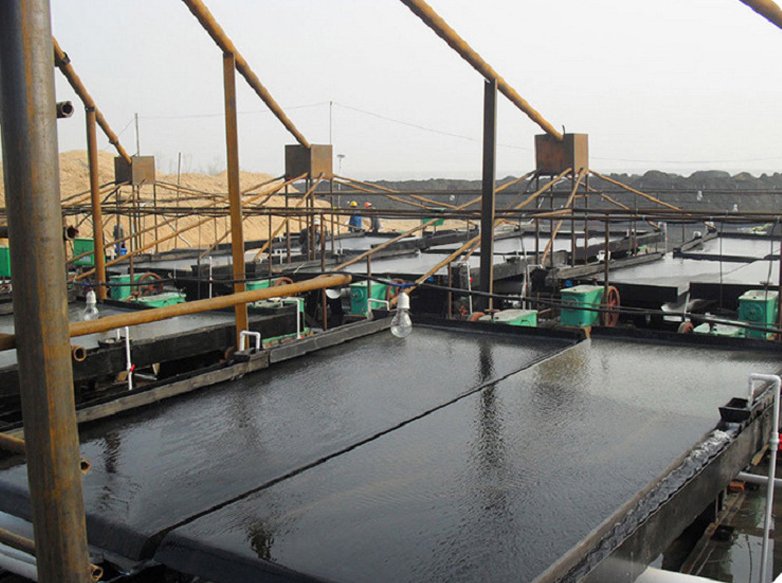
Gravity separation requires no chemical reagents, relying on density differences to separate gold from gangue. It boasts the lowest operating costs. Core equipment includes shaking tables and spiral sluices.
1. Gold Shaking Table
- Applicable Ore: Quartzite gold, river placer gold, gravity separation roughing concentrate purification
- Effective Feed Size: 3mm ~ 0.019mm, suitable for separating both coarse and fine gold sands
- On-site Operational Advantages: Clear ore stratification, concentrate, middlings, and tailings are visually distinguishable, stable separation; no reagents required, low water and electricity consumption, can be operated manually in small mines
- Applicable Scenarios: End-of-line cleaning in gravity separation production lines, purification section in gold panning washing stations
- Weakness: Small single-unit processing capacity; large-scale placer gold mines require multiple units in parallel.
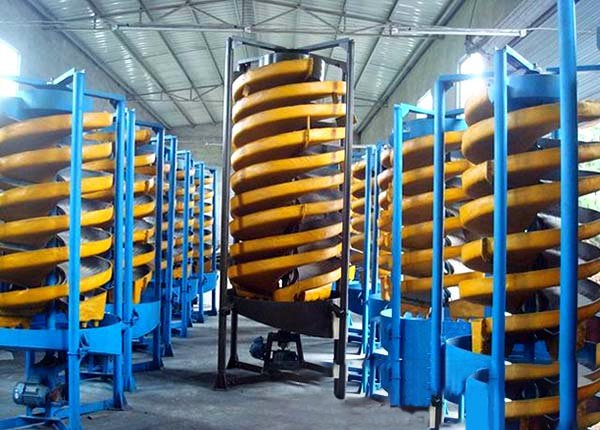
2. Spiral Chute
- Applicable Ore: Alluvial gold deposits from riverbanks, coastal placer deposits, tin-tungsten associated gold deposits
- Effective Separation Particle Size: 0.6mm ~ 0.03mm fine gold
- On-site Operation Advantages: Lightweight design, occupies far less space than a shaking table, can be integrated with mobile crushing plants, low transportation and installation costs, continuous automated operation without dedicated personnel.
- Disadvantages: Weak recovery capacity for fine gold; only suitable as a roughing and pre-disposal waste removal device; unable to produce high-grade finished gold.
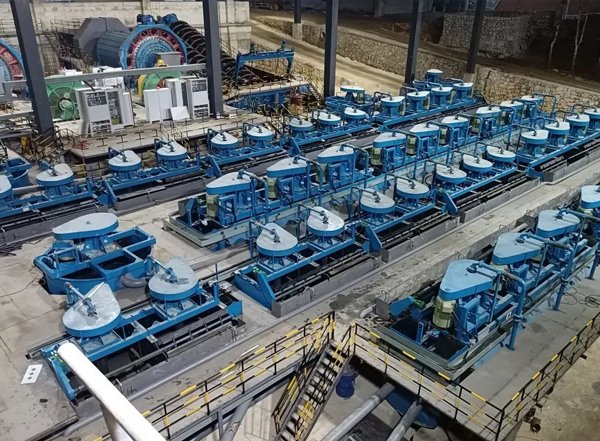
Gold Ore Flotation Equipment
Flotation Cell
- Suitable Ore: Pyrite-encased gold sulfide ore, gold-silver-copper polymetallic associated ore
- Separation Principle: Utilizing the hydrophobicity of gold-bearing sulfide minerals, a collector is added, and foaming occurs to adhere the gold and cause it to float, separating quartz gangue.
- Applicable Particle Size: <10μm fine encapsulated gold, fine-grained minerals that cannot be recovered by gravity separation
- Unsuitable Ore: Non-sulfide pure quartz oxide ore, coarse-grained gold with a particle size >0.2mm (high reagent consumption, poor recovery rate)
- On-site Pain Points: Requires professional workers to control reagent ratios, and supporting tailings wastewater treatment facilities; high management difficulty in small-scale manual mines.
Gold Mine Magnetic Separation Equipment
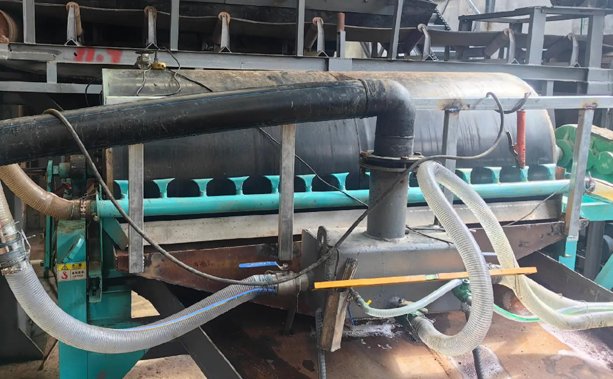
Wet Magnetic Separator
- Core Function: Separates magnetite and magnetic iron sand impurities from gold ore, preventing magnetic minerals from occupying gravity separation/flotation equipment and reducing gold concentrate grade.
- Applicable Scenarios: Iron-bearing quartz gold mines, tailings secondary recovery, coastal placer gold pretreatment.
- Practical Advantages: Pre-removal of magnetic heavy sands, reducing clogging of shaking tables and jigs, and improving gold enrichment purity.
- Supply Location: After grinding, before gravity separation impurity removal section.
Gold ore grinding equipment
Gold from lode requires grinding, while placer gold does not. The purpose of grinding is to break down the ore structure and liberate the gold particles. Two main types of equipment:
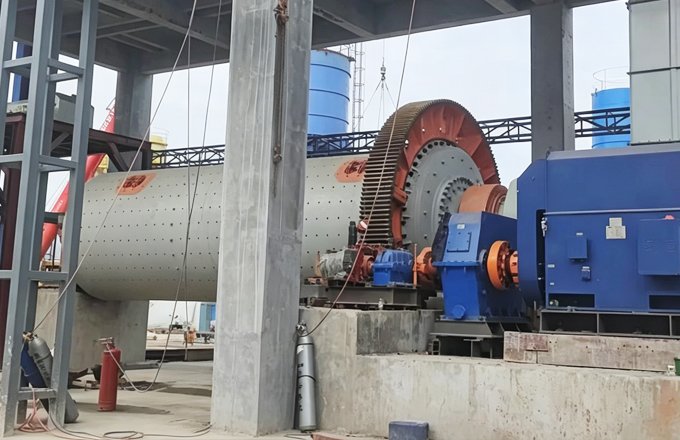
1. Overflow/Grid Ball Mill
- Grinding Method: Wet grinding is the mainstream in the gold mining industry, with a small amount of dry grinding used in anhydrous mines.
- Structural Configuration: High-manganese steel lining inside the cylinder, combined with a hydrocyclone to form a closed-loop grinding system, automatically returning to the coarse sand for secondary grinding.
- Suitable Scale: Standard configuration for medium and large-sized gold mine beneficiation plants, with a daily processing capacity of 50 tons or more.
- Advantages: Controllable grinding fineness, stable liberation, suitable for flotation and carbon leaching processes.
2. Wet Pan Mill
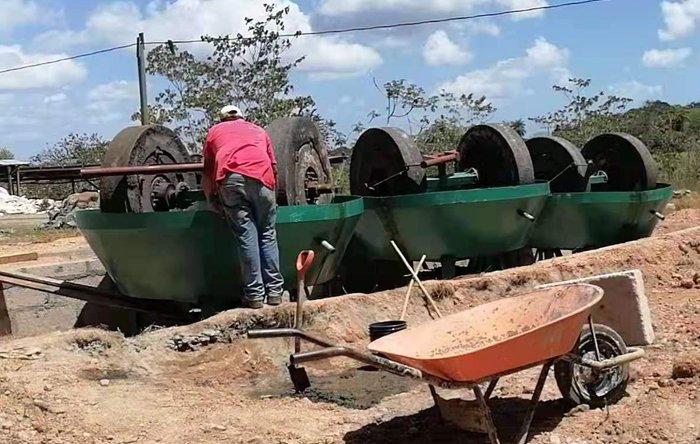
- Positioning: A low-cost alternative to ball mills, a common model for small-scale gold mines in Africa with a daily processing capacity of 10-50 tons.
- Process Features: Built-in grinding wheels in the grinding trough, can be used with mercury paste to recover coarse free gold.
- Advantages: Low purchase cost, small footprint, can be installed in a simple plant.
- Shortcoming: Limited throughput, 24 Continuous production for hours results in rapid wear of the grinding wheels, making it suitable for small, individual mines.
Gold Mine Crushing Equipment
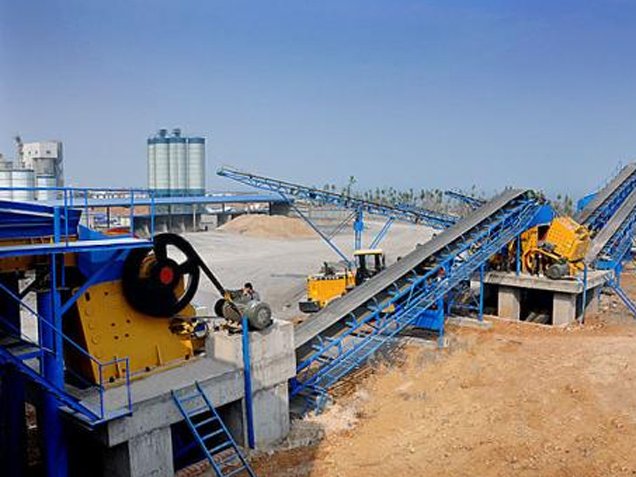
Large pieces of quartz and sulfide gold must be crushed before being fed into the grinding mill. Core models are divided into two categories: coarse crushing and fine crushing.
1. Jaw Crusher
- Classification: Large, medium, and small models are classified by feed opening: >600mm (Large), 300-600mm (Medium), <300mm (Small)
- Function: First-stage coarse crushing equipment in mines; raw ore feed 300-700mm, crushed to 80-150mm
- Accessories: High manganese steel jaw plates are the core wear parts; easy to disassemble and assemble, readily available overseas.
- Suitable for: Front-end crushing in all hard rock gold mines and open-pit mines
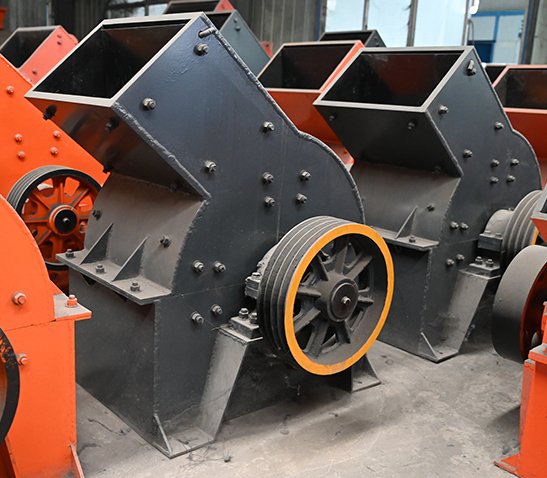
2. Hammer Crusher Crusher
- Applications: Oxidized soft rock gold, small to medium-sized fine crushing sections, secondary crushing of jaw crusher output
- Material Configuration: High-chromium hammerheads are suitable for high-hardness quartz ore, ordinary manganese hammerheads are used for weathered soft ore
- Advantages: Fine output particle size, simplifying grinding load; Short plate screen bars are easily clogged by clay, high-mud ore requires matching washing equipment
Applicable Ore for 8 Types of Gold Mining Equipment
| Equipment Categories | Core Models | Optimal Compatible Ore | Not Recommended Use Scenarios |
| Gravity Separation and Concentration Equipment | Mineral Processing Shaking Table | Purification of Various Coarse and Fine Placer Gold and Lode Gold Ore | Large-Scale High-Production Mines (Low Single-Unit Output) |
| Gravity Separation and Roughing Equipment | Spiral Concentrator | Pre-Separation of Riverbank Alluvial Placer Gold and Low-Grade Tailings | Fine-Grain Gold Recovery Projects |
| Flotation Equipment | Flotation Machine | Sulfide-Encapsulated Gold Ore and Polymetallic Associated Ore | Pure Oxidized and Sulfide-Free Placer Gold Ore |
| Magnetic Separation and Impurity Removal | Wet Magnetic Separator | Iron-Bearing Magnetic Gold Ore and Coastal Placer Ore | Iron-Free Pure Quartz Gold Ore |
| Large Grinding Mill | Overflow Ball Mill | Large and Medium-Sized Lode Gold Flotation / CIL Carbon Leaching Plant | Small Mines with a Daily Processing Capacity of Less Than 30 Tons |
| Small Grinding Mill | Wet Gold Mill | Small African Artificial Oxidized Lode Gold Ore | 200 Large-scale production lines (tons and above) |
| Primary crushing equipment | Jaw crusher | Primary crushing of various hard rock gold ores | Secondary fine crushing section |
| Fine crushing equipment | Hammer crusher | Weathered soft oxidized gold ore | Weathered soft oxidized gold ore |
Conclusion
In actual gold mining projects, equipment selection should not only consider price and output, but more importantly, it should match the ore properties and local production conditions.
Based on our project experience:
- Place gold mines typically do not require ball mills and flotation machines; appropriate washing and gravity separation equipment (such as spiral sluices and shaking tables) is sufficient for gold recovery.
- Sulfide-encased lode gold requires consideration of flotation processes. If gold is encased in sulfide minerals, simple gravity separation alone often fails to achieve ideal recovery results.
- In some rainy, high-clay mining areas in Africa, the upstream washing stage needs to be emphasized. Configuring suitable drum washers can effectively remove mud and improve the efficiency of subsequent crushing and gravity separation equipment.
- For small-scale gold mining projects, depending on the ore properties and production scale, equipment such as wet grinding mills can sometimes meet production needs and reduce overall costs.
Choosing the right gold beneficiation equipment is key to improving gold recovery rates and reducing investment risk. If you are developing a gold mining project in Africa, CHUNLEI can provide a complete gold beneficiation process solution, from crushing and grinding to gravity separation and flotation, based on your ore type, processing capacity, and site conditions, helping you select the most suitable equipment configuration.
Latest News

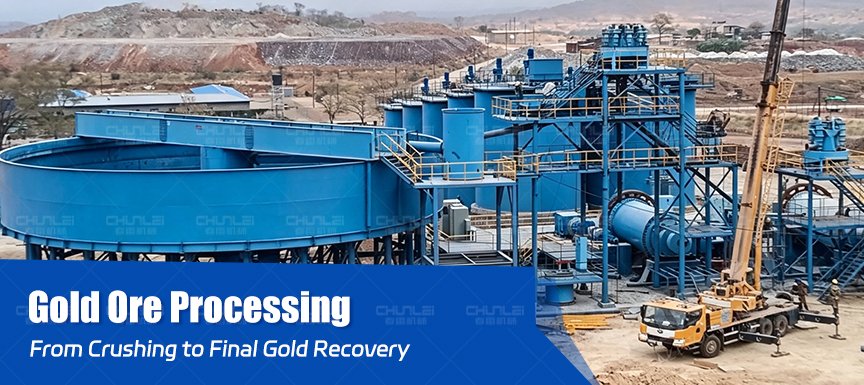
Gold Ore Processing: From Crushing to Final Gold Recovery
800A gold processing plant is not merely a simple assembly of crushers, ball mills, and gold recovery equipment; rather, the goal is to determine the optimal process flow based on factors such as mineral composition, gold particle size,…
-
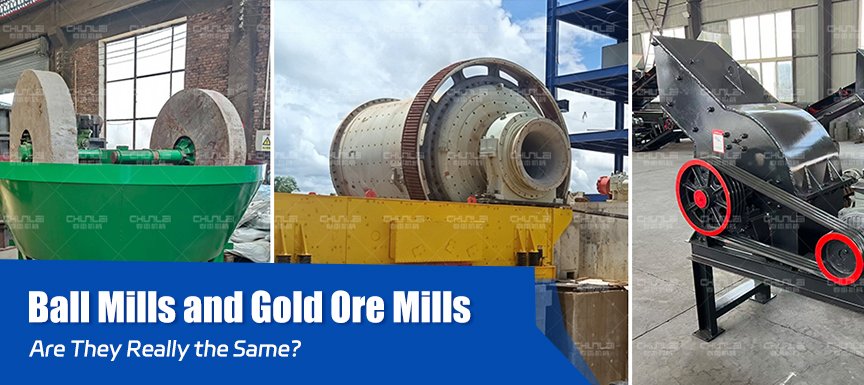
Ball Mills and Gold Ore Mills: Are They Really the Same?
800When searching for gold ore grinding equipment, customers often encounter various terms such as “Ball Mill,” “Gold Mill,” “Gold Milling Machine,” and “Gold Ore Grinding Machine.” Many buyers assume that a “Gold Mill” is a specialized mill de…
-
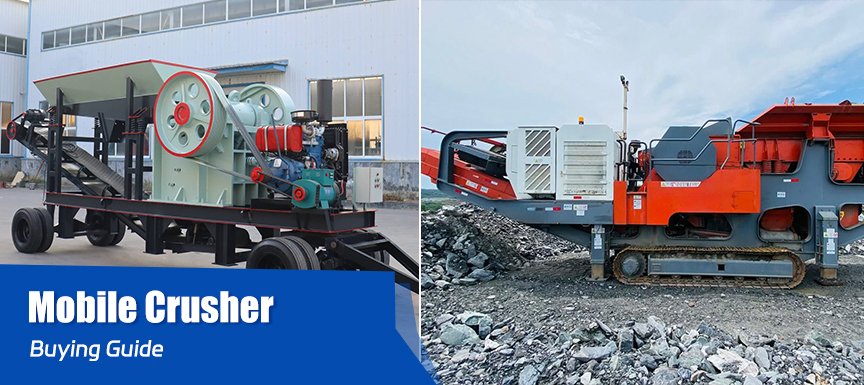
Mobile Crusher Buying Guide: Wheeled or Tracked?
800Many customers focus solely on portability when purchasing a mobile crusher, viewing it merely as the acquisition of a single piece of equipment. In reality, selecting the wrong model can lead to either insufficient output or excessive wear and…
-
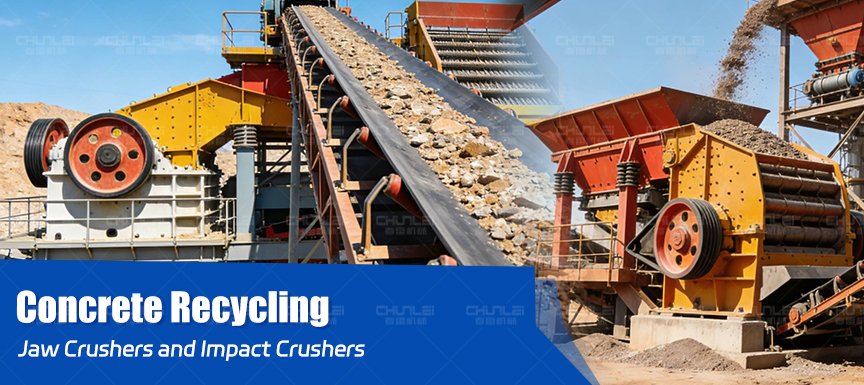
Jaw Crushers and Impact Crushers: Turnkey Solutions for Concrete Recycling
800Demolishing old buildings and roads generates vast amounts of waste concrete; direct landfilling not only consumes valuable space but also incurs high transportation costs. The real challenge lies in transforming this waste concrete into reusab…
loading…
已经是到最后一篇内容了!